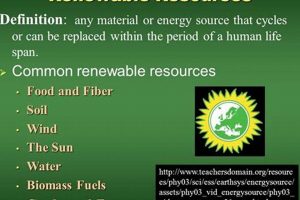
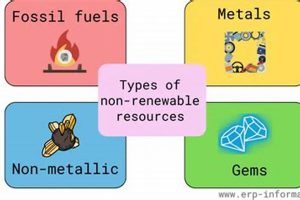
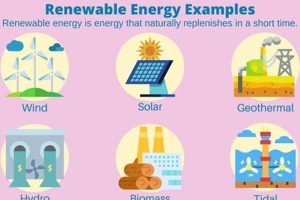
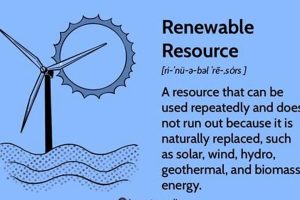
Harnessing power from sources that naturally replenish, such as solar radiation, wind currents, geothermal heat, and flowing water, presents a fundamental shift in energy production. This contrasts with finite resources like fossil fuels, which deplete over time and contribute significantly to environmental degradation. These naturally replenishing sources offer a pathway toward sustainable energy management.
The adoption of these power sources delivers numerous benefits. It reduces reliance on fossil fuels, mitigating greenhouse gas emissions and thereby lessening the impact of climate change. Furthermore, it enhances energy security by diversifying energy sources, creating greater resilience to geopolitical instability and price fluctuations. The transition to these industries also spurs economic growth through job creation in manufacturing, installation, maintenance, and research sectors.
Understanding the multifaceted advantages outlined above provides a foundation for exploring specific applications and advancements within this critical field. The following sections will delve into the specific technologies, economic considerations, and policy frameworks that drive the wider adoption of these vital energy alternatives.
Maximizing the Potential of Sustainable Energy Sources
Effectively leveraging resources which are continuously replenished requires a comprehensive and strategic approach. The following guidelines offer insights for optimizing the implementation and utilization of these energy solutions.
Tip 1: Prioritize Long-Term Investment: Shift from short-term cost considerations to long-term lifecycle assessments. Initial capital expenditures for installations may be higher, but reduced fuel costs and environmental benefits provide economic advantages over the lifespan of the project.
Tip 2: Diversify Energy Portfolio: Integrate a mix of solar, wind, hydro, and geothermal energy sources to mitigate intermittency and ensure a stable energy supply. Regional resource availability should guide specific technology selection.
Tip 3: Support Research and Development: Invest in continuous technological advancements to improve efficiency, reduce costs, and expand the applicability of technologies. Innovation is crucial for widespread adoption.
Tip 4: Implement Smart Grid Technologies: Upgrade energy infrastructure with smart grid systems to enhance grid stability, improve energy distribution efficiency, and facilitate the integration of distributed power generation.
Tip 5: Encourage Community Engagement: Foster public awareness and support through educational programs and community-based projects. Addressing concerns and promoting understanding can facilitate smoother implementation.
Tip 6: Establish Clear Regulatory Frameworks: Develop transparent and stable policy frameworks that incentivize investment and provide clear guidelines for project development. Consistency is essential for investor confidence.
Tip 7: Promote Energy Storage Solutions: Integrate advanced energy storage technologies such as batteries or pumped hydro to address the intermittent nature of sources like solar and wind, ensuring a reliable and consistent power supply.
Adhering to these recommendations will contribute to a more effective and widespread integration, promoting a future characterized by cleaner and more sustainable energy systems.
Building on these foundational practices, the subsequent sections will explore specific case studies and policy recommendations that further promote widespread adoption.
1. Environmental Preservation

The connection between environmental preservation and the inherent value of renewable resources centers on minimizing detrimental impacts associated with traditional energy production. Conventional power generation, heavily reliant on fossil fuels, is a primary contributor to environmental degradation. This includes habitat destruction through resource extraction, pollution from combustion processes, and the irreversible effects of climate change driven by greenhouse gas emissions. Renewable sources, conversely, offer a pathway to generate energy with significantly lower environmental consequences. Solar, wind, and hydro power installations, when responsibly sited and managed, minimize disruption to ecosystems and reduce pollutant release.
The importance of environmental preservation as a component of embracing renewable resources stems from its multifaceted benefits. Reduced pollution improves air and water quality, directly benefiting human health and preserving biodiversity. Decreased reliance on fossil fuels lowers the risk of oil spills and other environmental disasters associated with extraction and transportation. Germany’s Energiewende, for example, demonstrates a commitment to shifting from fossil fuels to renewables, aiming for environmental sustainability alongside energy security. The deployment of wind farms in Denmark has contributed substantially to reducing carbon emissions compared to traditional coal-fired power plants, safeguarding the environment for future generations.
In conclusion, the symbiotic relationship between renewable energy and environmental preservation signifies a critical strategic approach. Transitioning to renewable energy sources is not merely an energy policy decision but an environmental imperative. Understanding and prioritizing this link is crucial for developing comprehensive and sustainable energy strategies that protect ecosystems, mitigate climate change, and safeguard the planet’s natural resources for future generations. The overarching challenge remains in addressing intermittency and scalability, requiring ongoing innovation and investment in energy storage and grid modernization.
2. Climate Change Mitigation

Addressing climate change requires significant reductions in greenhouse gas emissions, primarily from the energy sector. The deployment of renewable resources is a pivotal strategy in achieving these reductions and mitigating the adverse effects of a changing climate. These resources offer a cleaner alternative to fossil fuels, which are the primary drivers of anthropogenic climate change.
- Reduced Greenhouse Gas Emissions
Renewable resources, such as solar, wind, and hydropower, produce minimal or no greenhouse gas emissions during operation. Replacing fossil fuel-based power plants with renewable energy facilities directly reduces the quantity of carbon dioxide, methane, and other pollutants released into the atmosphere. For instance, a solar farm generates electricity without emitting carbon dioxide, whereas a coal-fired power plant emits substantial amounts of this gas for the same energy output.
- Decarbonization of the Energy Sector
The transition to renewable energy facilitates the decarbonization of the entire energy sector. This involves not only replacing fossil fuel-based power generation but also electrifying other sectors, such as transportation and heating, with renewable electricity. For example, electric vehicles powered by renewable energy eliminate tailpipe emissions, and heat pumps using renewable electricity provide efficient and clean heating.
- Slowing the Rate of Global Warming
By reducing greenhouse gas emissions, the large-scale adoption of renewable resources can slow the rate of global warming. This is essential for limiting the severity of climate change impacts, such as sea-level rise, extreme weather events, and disruptions to ecosystems. The more quickly renewable energy sources are deployed, the more effectively global warming can be contained to manageable levels.
- Enhancing Climate Resilience
While mitigating climate change, renewable energy can also enhance resilience to its effects. Decentralized renewable energy systems, such as rooftop solar panels and community wind farms, can improve energy security and reduce vulnerability to disruptions caused by extreme weather events. Moreover, investments in renewable energy infrastructure can create new economic opportunities and enhance adaptive capacity in communities affected by climate change.
The integration of these aspects underscores the essential role of renewable resources in climate change mitigation. By reducing emissions, decarbonizing the energy sector, slowing global warming, and enhancing climate resilience, renewable energy represents a critical tool in addressing the global challenge of climate change. The expansion of renewable energy technologies and the implementation of supportive policies are imperative for achieving meaningful reductions in greenhouse gas emissions and securing a sustainable future.
3. Energy Security Enhancement

Energy security enhancement, a cornerstone of strategic resource management, is intrinsically linked to the adoption of renewable energy sources. Reliance on a limited number of suppliers for fossil fuels creates vulnerabilities to price volatility, geopolitical instability, and supply disruptions. Diversifying energy sources through the integration of resources significantly reduces these risks. By harnessing domestically available resources like solar, wind, geothermal, and hydropower, nations can lessen their dependence on imported fuels, thereby strengthening national energy security.
Examples of this dynamic are evident globally. Germany’s investment in renewable energy, while driven by environmental concerns, also serves to reduce its dependence on Russian natural gas. Similarly, Brazil’s utilization of ethanol from sugarcane provides a domestically sourced fuel alternative, lessening its reliance on foreign oil imports. The increased deployment of distributed renewable energy systems, such as rooftop solar panels, further enhances energy security by creating a more resilient and decentralized energy grid, less susceptible to large-scale disruptions. The development of domestic renewable energy industries also creates employment opportunities and stimulates economic growth, contributing to a more stable and secure energy future.
In summary, the pursuit of enhanced energy security is a compelling driver for transitioning to renewable energy. Reducing dependence on volatile global fossil fuel markets, diversifying energy sources, and fostering domestic energy production are key benefits of this transition. While challenges remain in terms of grid integration and energy storage, the strategic advantages of improved energy security underscore the vital role of renewable resources in building a more resilient and sustainable energy future.
4. Economic Diversification

Economic diversification, as a strategic objective, is intricately linked to the widespread adoption of renewable energy resources. Moving beyond reliance on traditional energy sectors fosters new industries, creates employment opportunities, and enhances economic resilience. This diversification mitigates risks associated with volatile fossil fuel markets and promotes sustainable economic growth.
- Creation of New Industries
Renewable energy development spawns a diverse range of new industries, including manufacturing of solar panels, wind turbines, and related components. It also encompasses installation, maintenance, and engineering services. These industries, unlike those reliant on finite resources, offer long-term growth potential. The establishment of solar panel manufacturing facilities in regions formerly dependent on coal mining provides a tangible example of this economic transition.
- Stimulation of Technological Innovation
The pursuit of efficient and cost-effective renewable energy solutions drives technological innovation across various fields. This includes advancements in materials science, energy storage, smart grid technologies, and artificial intelligence-based energy management systems. These innovations not only enhance the competitiveness of renewable energy but also have spillover effects in other sectors, fostering broader economic growth.
- Regional Economic Development
Renewable energy projects often bring economic benefits to rural and underserved regions. Wind and solar farms, for instance, can generate income for landowners and create jobs in construction, operation, and maintenance. This can revitalize local economies and reduce regional disparities. The development of geothermal energy projects in Iceland, for example, has transformed its economy, creating jobs and attracting investment in tourism and related industries.
- Reduced Dependence on Fossil Fuel Imports
By harnessing domestically available renewable resources, countries can reduce their dependence on imported fossil fuels. This not only enhances energy security but also reduces the outflow of capital, strengthening the national economy. Countries like Costa Rica, which generate nearly all of their electricity from renewable sources, demonstrate the economic benefits of reducing reliance on imported fuels.
These interconnected facets highlight the transformative potential of renewable energy in driving economic diversification. By fostering new industries, stimulating innovation, promoting regional development, and reducing dependence on fossil fuel imports, renewable energy contributes to a more resilient and sustainable economic future. The strategic alignment of energy policy with broader economic development goals is essential for maximizing these benefits and ensuring a smooth transition to a clean energy economy.
5. Public Health Improvement

The advancement of public health is intrinsically linked to the broader adoption of renewable energy resources. Traditional energy generation methods, particularly those reliant on fossil fuels, contribute significantly to air and water pollution, posing substantial risks to human health. Transitioning to cleaner energy sources offers a direct pathway to mitigating these risks and improving overall public health outcomes.
- Reduced Air Pollution
Fossil fuel combustion releases particulate matter, nitrogen oxides, sulfur dioxide, and other pollutants into the atmosphere. These pollutants are directly linked to respiratory illnesses, cardiovascular diseases, and increased mortality rates. Renewable energy sources, such as solar and wind power, produce minimal or no air pollutants during operation, thereby decreasing the incidence of these health issues. For example, replacing a coal-fired power plant with a solar farm significantly reduces local air pollution levels, leading to improved respiratory health in surrounding communities.
- Decreased Water Contamination
Coal mining and oil extraction processes can contaminate water sources with heavy metals and other toxins. Similarly, oil spills and pipeline leaks pose significant threats to aquatic ecosystems and drinking water supplies. Renewable energy sources, such as solar and wind power, require minimal water usage and do not pose the same risks of water contamination. Geothermal energy, while requiring water for operation, can be managed sustainably to minimize environmental impact.
- Mitigation of Climate Change Impacts
Climate change exacerbates existing health disparities and creates new health challenges. Extreme weather events, such as heat waves, floods, and droughts, disproportionately affect vulnerable populations and increase the risk of infectious diseases and malnutrition. By reducing greenhouse gas emissions, renewable energy contributes to mitigating climate change and lessening its adverse impacts on public health. For example, the deployment of renewable energy can help reduce the frequency and intensity of heat waves, thereby protecting vulnerable populations from heat-related illnesses.
- Promotion of Energy Equity
Access to affordable and reliable energy is essential for public health. However, low-income communities often face disproportionate exposure to pollution from fossil fuel-based power plants and limited access to clean energy alternatives. Renewable energy projects, particularly those that are community-owned and operated, can promote energy equity by providing affordable electricity and reducing pollution in underserved areas. For example, community solar projects can provide low-income households with access to clean energy and reduce their energy burden.
The convergence of these factors underscores the critical role of renewable energy in advancing public health. By reducing pollution, mitigating climate change, and promoting energy equity, renewable resources offer a holistic approach to improving health outcomes and creating healthier communities. The integration of public health considerations into energy policy is essential for maximizing these benefits and ensuring a sustainable and equitable energy future. Addressing the initial costs to transition from fossil fuels is essential to ensure equity and public adoption.
6. Resource Depletion Reduction

The accelerated consumption of finite resources, a direct consequence of reliance on fossil fuels, underscores the critical importance of resource depletion reduction. The Earth’s reserves of coal, oil, and natural gas are finite, and their extraction carries substantial environmental and economic costs. Renewable energy sources, by their nature, mitigate this depletion. Solar, wind, hydro, and geothermal resources are continuously replenished, offering a sustainable alternative to the extraction and combustion of exhaustible fuels. This shift fundamentally alters the energy paradigm, transitioning from a linear model of extraction, use, and disposal to a cyclical model of sustainable resource utilization. Germanys push for renewable energy reduces its demand for imported fossil fuels, thereby diminishing global resource extraction pressures. Costa Rica’s nearly complete reliance on renewable energy showcases the potential to minimize reliance on depletable resources.
The importance of resource depletion reduction, as a component of the broader importance of renewable resources, stems from several key factors. Firstly, it ensures long-term energy security by diversifying energy sources and reducing vulnerability to resource scarcity. Secondly, it lowers the environmental footprint of energy production by minimizing habitat destruction, pollution, and greenhouse gas emissions associated with fossil fuel extraction and combustion. Thirdly, it promotes economic stability by creating jobs in sustainable industries and reducing reliance on volatile global fossil fuel markets. The environmental advantages extend beyond mere reduction; they signify a proactive approach to preserving Earth’s natural capital for future generations. Effective management of geothermal resources prevents over-extraction, ensuring long-term sustainability.
In summary, the imperative to reduce resource depletion forms a central justification for prioritizing renewable energy. The transition to these sustainable sources is not merely an energy policy choice but an investment in long-term environmental and economic security. While challenges remain in terms of grid integration and storage, the fundamental principle of resource preservation underscores the vital role of renewables in creating a more sustainable and resilient future. Continuous innovation and strategic policies are essential for optimizing the use of resources and achieving substantial resource depletion reduction globally. Prioritizing these innovative strategies reduces dependency on extracting additional natural resources and minimizing the environmental impact associated with resource extraction.
7. Sustainable Development Goals
The Sustainable Development Goals (SDGs), established by the United Nations, represent a comprehensive framework for achieving global sustainable development by 2030. The deployment and utilization of renewable energy resources are intrinsically linked to the successful attainment of numerous SDGs, forming a critical component of a holistic approach to sustainable development.
- SDG 7: Affordable and Clean Energy
SDG 7 focuses explicitly on ensuring access to affordable, reliable, sustainable, and modern energy for all. Renewable energy is central to achieving this goal. Expanding the use of renewable energy sources, such as solar, wind, hydro, and geothermal, is essential for providing clean and sustainable electricity to communities worldwide. For example, off-grid solar power systems can bring electricity to rural areas that are not connected to the traditional electricity grid, improving access to essential services like healthcare and education. The widespread adoption of these systems enhances the well-being of individuals and contributes to broader economic development.
- SDG 13: Climate Action
SDG 13 calls for urgent action to combat climate change and its impacts. The transition to renewable energy is a critical strategy for reducing greenhouse gas emissions and mitigating the adverse effects of climate change. Replacing fossil fuel-based power plants with renewable energy facilities significantly lowers carbon emissions. Countries committing to ambitious renewable energy targets are actively contributing to global efforts to limit global warming. Furthermore, renewable energy projects can enhance climate resilience by diversifying energy sources and reducing vulnerability to disruptions caused by extreme weather events.
- SDG 8: Decent Work and Economic Growth
SDG 8 aims to promote sustained, inclusive, and sustainable economic growth, full and productive employment, and decent work for all. The renewable energy sector offers significant opportunities for job creation and economic growth. The manufacturing, installation, maintenance, and operation of renewable energy facilities generate employment across various skill levels. Additionally, investments in renewable energy can stimulate technological innovation and create new industries, fostering economic diversification and resilience. For example, the development of a local solar panel manufacturing industry can create jobs and contribute to the growth of a regional economy.
- SDG 3: Good Health and Well-being
SDG 3 focuses on ensuring healthy lives and promoting well-being for all at all ages. Renewable energy contributes to this goal by reducing air and water pollution associated with fossil fuel-based energy production. Decreasing air pollution improves respiratory health, while reducing water contamination safeguards access to clean drinking water. The shift to cleaner energy sources also mitigates the health impacts of climate change, such as heat waves and extreme weather events. By promoting cleaner and healthier environments, renewable energy directly supports the attainment of SDG 3.
The interconnected nature of the SDGs highlights the synergistic relationship between renewable energy and sustainable development. By promoting access to clean energy, mitigating climate change, fostering economic growth, and improving public health, renewable resources serve as a fundamental tool for achieving the broader goals of sustainable development and creating a more equitable and sustainable future for all. Therefore, integrating renewable energy strategies into national and global development agendas is crucial for accelerating progress towards the SDGs.
Frequently Asked Questions Regarding the Significance of Renewable Energy Sources
The following addresses common inquiries concerning the multifaceted importance of renewable energy sources. Understanding these key points is crucial for informed decision-making related to energy policy and sustainable development.
Question 1: What is the primary advantage of renewable energy compared to fossil fuels?
The fundamental advantage lies in the sustainability and renewability of the resources. Unlike fossil fuels, which are finite and deplete over time, renewable energy sources are naturally replenished, ensuring a long-term energy supply.
Question 2: How does the adoption of renewable energy contribute to mitigating climate change?
Renewable energy sources produce minimal or no greenhouse gas emissions during operation, directly reducing the amount of carbon dioxide and other pollutants released into the atmosphere. This reduction is essential for slowing the rate of global warming and mitigating the impacts of climate change.
Question 3: In what ways does renewable energy enhance energy security?
By diversifying energy sources and reducing dependence on imported fossil fuels, renewable energy enhances energy security. This diversification makes nations less vulnerable to price fluctuations, geopolitical instability, and supply disruptions.
Question 4: What are the economic benefits associated with renewable energy development?
Renewable energy development fosters new industries, creates employment opportunities, and stimulates technological innovation. This economic diversification promotes sustainable economic growth and enhances economic resilience.
Question 5: How does renewable energy contribute to public health improvement?
Renewable energy reduces air and water pollution associated with fossil fuel-based energy production. This reduction in pollution leads to improved respiratory health, decreased water contamination, and mitigation of climate change impacts, resulting in overall public health improvement.
Question 6: Can renewable energy sources reliably meet current energy demands?
While intermittency can pose a challenge, advancements in energy storage technologies, smart grid infrastructure, and diversified renewable energy portfolios are enabling a more reliable supply. Strategic planning and technological innovation are crucial for fully integrating renewable energy into the existing energy system.
In summary, the widespread adoption of renewable energy sources is essential for achieving a sustainable and secure energy future. Understanding these key benefits is crucial for promoting informed policy decisions and driving the global energy transition.
The next section will explore specific policy recommendations designed to further promote the widespread adoption of renewable energy technologies.
Importance of Renewable Resources of Energy
This exposition has clarified the multifaceted nature of the importance of renewable resources of energy. Reduced greenhouse gas emissions, enhanced energy security, diversified economies, improved public health, and the preservation of finite resources represent compelling arguments for a global transition away from fossil fuels. The alignment of renewable energy with the UN Sustainable Development Goals underscores its vital role in achieving a more equitable and sustainable future.
Continued investment in research, development, and deployment of renewable energy technologies is paramount. Supportive policies, strategic infrastructure upgrades, and increased public awareness are essential for accelerating this transition. The future depends on a resolute commitment to harnessing these sustainable resources, ensuring a healthier planet and a more secure energy landscape for generations to come.
![Guide to What Energy Resources Are Renewable [+Future] | Renewable Energy Solutions for a Sustainable Future | Clean & Green Power](https://pplrenewableenergy.com/wp-content/uploads/2026/03/th-516-300x200.jpg "Guide to What Energy Resources Are Renewable [+Future] Renewable Energy Solutions for a Sustainable Future | Clean & Green Power")