

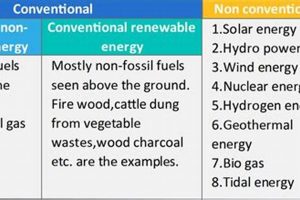

Established methods of harnessing naturally replenishing resources to generate power include technologies like hydropower, geothermal energy, biomass combustion, and large-scale solar and wind farms. These techniques have been employed for decades, sometimes... Read more »
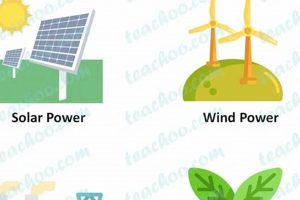
The categorization of energy sources often involves distinguishing between those that are naturally replenished and those that are finite. Systems that rely on solar, wind, hydro, geothermal, and biomass resources are considered... Read more »

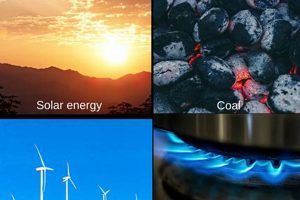
Non-renewable resources, like fossil fuels (coal, oil, and natural gas) and nuclear power, have historically dominated energy production. These sources offer high energy density but come with significant environmental drawbacks, including greenhouse... Read more »
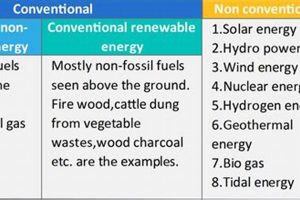
Resources like geothermal power, ocean energy (including tidal, wave, and ocean thermal), and some forms of bioenergy represent power generation methods distinct from more established renewable sources such as solar and wind.... Read more »
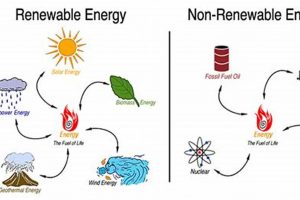
Established sources like hydropower, biomass, and geothermal energy represent mature technologies for harnessing naturally replenishing resources. Hydropower utilizes the potential energy of water stored at elevation, while biomass derives energy from organic... Read more »