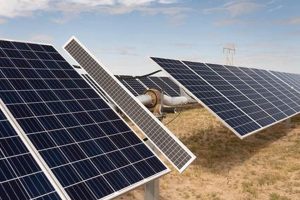
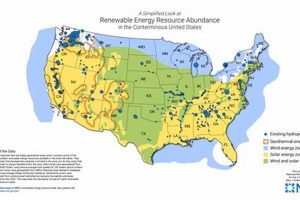
Systems that capture energy from sources like solar, wind, and hydro power often generate electricity intermittently. Storing this power in electrochemical devices allows for a consistent and reliable energy supply, decoupling generation from consumption. For instance, excess solar energy generated during peak sunlight hours can be stored and used to power homes in the evening.
This ability to time-shift energy availability is crucial for a stable and resilient power grid. It reduces reliance on traditional fossil fuel power plants, lowering greenhouse gas emissions and contributing to a cleaner environment. Historically, grid stability has depended on the predictable output of fossil fuels. However, the increasing adoption of intermittent renewable sources necessitates robust storage solutions to maintain reliability and enable a transition to a more sustainable energy future.
The following sections will delve into the specific technologies employed, explore the economic and environmental impacts of these systems, and discuss the ongoing research and development efforts that are shaping the future of energy storage.
Optimizing Electrochemical Energy Storage Systems
Effective integration of electrochemical storage requires careful consideration of various factors, from system sizing to ongoing maintenance. The following tips offer guidance for maximizing the benefits of these systems.
Tip 1: Accurate System Sizing: Precisely assess energy needs to avoid overspending on oversized systems or experiencing capacity shortages with undersized ones. Conduct a thorough energy audit to understand consumption patterns and peak demand.
Tip 2: Strategic Placement: Consider grid connection points, proximity to renewable generation sources, and environmental factors like temperature and humidity when determining system location. Optimal placement minimizes energy losses and maximizes system lifespan.
Tip 3: Technology Selection: Different battery chemistries offer varying performance characteristics, lifespans, and cost profiles. Evaluate options such as lithium-ion, flow batteries, and solid-state batteries to select the technology best suited to specific application requirements.
Tip 4: Effective Battery Management Systems (BMS): A robust BMS is essential for monitoring battery health, optimizing performance, and ensuring safety. Choose a BMS with advanced features such as state-of-charge estimation, cell balancing, and thermal management.
Tip 5: Regular Maintenance and Monitoring: Preventative maintenance, including regular inspections and performance testing, is crucial for extending system lifespan and maximizing return on investment. Establish a comprehensive maintenance schedule based on manufacturer recommendations and operational data.
Tip 6: Integration with Smart Grid Technologies: Leverage smart grid technologies to optimize charging and discharging strategies, improve grid stability, and participate in demand response programs. This integration can unlock additional revenue streams and enhance overall system efficiency.
By adhering to these guidelines, stakeholders can ensure the successful deployment and operation of electrochemical storage, contributing to a more sustainable and resilient energy future.
The concluding section will offer a comprehensive overview of the future prospects for electrochemical energy storage, highlighting emerging trends and anticipated advancements.
1. Grid Stability

Maintaining a stable electricity grid is crucial for ensuring a reliable power supply. Integrating intermittent renewable energy sources like solar and wind power presents challenges to grid stability due to their fluctuating output. Energy storage, particularly electrochemical storage, plays a vital role in mitigating these challenges and enabling greater reliance on renewable energy.
- Frequency Regulation
Fluctuations in electricity generation can cause deviations in grid frequency. Battery storage systems can respond rapidly to these fluctuations, injecting or withdrawing power to maintain the desired frequency within a narrow range. This rapid response capability is essential for preventing grid instability and potential blackouts.
- Peak Shaving and Valley Filling
Renewable energy generation often doesn’t align with peak demand periods. Battery storage allows excess energy generated during periods of low demand (valleys) to be stored and then discharged during peak demand periods (peaks). This reduces the need for expensive and often polluting peaker plants, contributing to both economic and environmental benefits.
- Ramp Rate Control
Rapid changes in solar or wind power output, due to passing clouds or changing wind speeds, can create steep ramps in generation. Battery storage can smooth these ramps by absorbing excess energy during rapid increases in generation and supplying power during rapid decreases. This ramp rate control improves grid stability and reduces the strain on traditional power plants.
- Black Start Capabilities
In the event of a grid blackout, battery storage systems can provide the initial power needed to restart critical infrastructure and restore power to the grid. This black start capability enhances grid resilience and reduces the duration of outages.
By providing these grid services, electrochemical energy storage enables a higher penetration of renewable energy sources while maintaining grid reliability and stability. This integration is essential for transitioning to a cleaner, more sustainable energy future. The improved grid stability offered by storage solutions not only facilitates increased renewable integration but also enhances overall system efficiency and resilience against unforeseen disruptions.
2. Cost Reduction

Declining battery costs and evolving market mechanisms are making energy storage an increasingly cost-competitive solution within the broader energy landscape. Integrating storage technologies with renewable energy generation offers several avenues for cost reduction, contributing to the overall economic viability of sustainable power systems.
- Arbitrage Opportunities
Electricity prices often fluctuate throughout the day. Battery storage enables capturing energy when prices are low (e.g., during periods of high solar or wind generation) and discharging it when prices are high (e.g., during peak demand). This price arbitrage can generate revenue streams and offset the initial investment in storage systems.
- Reduced Transmission and Distribution (T&D) Infrastructure Upgrades
Deploying storage at strategic locations within the grid can defer or eliminate the need for costly upgrades to T&D infrastructure. By managing local peak demand and improving grid flexibility, storage can reduce congestion and postpone investments in new transmission lines or substations.
- Demand Charge Management
Many commercial and industrial customers face demand charges, which are based on their peak electricity usage. Battery storage can be used to shave peak demand, significantly reducing these charges and lowering overall electricity bills.
- Participation in Ancillary Services Markets
Battery storage systems can provide ancillary services to the grid, such as frequency regulation and voltage support. Participating in these markets can generate additional revenue streams for storage owners, further enhancing the economic benefits of these systems.
These cost reduction mechanisms, coupled with ongoing declines in battery prices, are making energy storage an increasingly attractive option for both utilities and end-users. As storage technology continues to mature and market structures evolve, further cost reductions are anticipated, accelerating the transition to a more sustainable and affordable energy future. The economic advantages provided by storage solutions strengthen the overall value proposition of renewable energy integration, paving the way for wider adoption and a more resilient energy infrastructure.
3. Energy Independence

Energy independence represents a critical driver for the adoption of renewable energy battery storage. Reliance on volatile global energy markets and finite fossil fuel resources creates vulnerabilities for nations and communities. By coupling renewable generation with storage capabilities, regions can decrease dependence on imported fuels, enhancing energy security and self-sufficiency. This decoupling of energy consumption from external supply chains offers greater control over energy pricing and availability, mitigating geopolitical risks associated with traditional energy sources.
Consider a remote island community heavily reliant on imported diesel fuel for power generation. Integrating a solar photovoltaic system with battery storage allows the community to generate its own electricity, reducing or eliminating the need for costly and logistically challenging fuel imports. This shift not only enhances energy independence but also promotes economic stability and reduces environmental impact. On a larger scale, nations can leverage renewable energy coupled with storage to reduce reliance on foreign energy sources, bolstering national security and promoting domestic job growth within the renewable energy sector.
Transitioning towards energy independence through renewable energy battery storage presents both opportunities and challenges. While the benefits of enhanced energy security and reduced reliance on fossil fuels are clear, factors such as initial investment costs, technological advancements, and regulatory frameworks play crucial roles in the successful implementation of these systems. Overcoming these challenges through targeted policies, innovative financing mechanisms, and continued research and development will be essential for realizing the full potential of renewable energy battery storage in achieving true energy independence.
4. Emissions Reduction

Mitigating greenhouse gas emissions is paramount in addressing climate change. Renewable energy battery storage plays a crucial role in decarbonizing the power sector and facilitating a transition to a cleaner energy future. By enabling greater integration of renewable energy sources like solar and wind power, storage solutions significantly reduce reliance on fossil fuel-based generation, consequently lowering emissions associated with electricity production.
- Displacement of Fossil Fuel Peaker Plants
Traditional peaker plants, often powered by natural gas or diesel, are typically employed to meet peak electricity demand. These plants contribute significantly to greenhouse gas emissions. Battery storage systems can effectively replace peaker plants by discharging stored renewable energy during peak demand periods, resulting in substantial emissions reductions.
- Enabling Higher Renewable Energy Penetration
The intermittency of renewable energy sources has historically limited their integration into the grid. Storage addresses this challenge by providing a buffer against fluctuations in renewable generation. This enables a higher percentage of renewable energy to be incorporated into the electricity mix, further displacing fossil fuel generation and lowering emissions.
- Improving Grid Efficiency
By smoothing out fluctuations in renewable energy generation and providing grid stabilization services, storage reduces transmission losses and improves overall grid efficiency. This increased efficiency translates to lower overall energy consumption and consequently reduced emissions from power generation.
- Lifecycle Emissions Considerations
While battery storage offers significant emissions reduction benefits, it’s important to consider the emissions associated with the manufacturing and disposal of batteries. Lifecycle assessments of battery systems are crucial for evaluating the overall environmental impact and identifying opportunities for improvement in manufacturing processes and recycling strategies.
The emissions reduction potential of renewable energy battery storage represents a significant step towards decarbonizing the power sector. Continued advancements in battery technology, coupled with supportive policies and market mechanisms, are essential for maximizing these emissions reductions and achieving a sustainable energy future. As the world transitions towards cleaner energy sources, the role of storage in mitigating climate change becomes increasingly critical.
5. Technology Advancements

Advancements in battery technology are intrinsically linked to the progress and viability of renewable energy storage solutions. These advancements encompass improvements in battery chemistry, manufacturing processes, and system integration, each playing a crucial role in enhancing the performance, cost-effectiveness, and lifespan of energy storage systems. For instance, the development of solid-state batteries promises increased energy density, improved safety, and longer lifespans compared to conventional lithium-ion batteries. Similarly, advancements in battery management systems (BMS) enhance operational efficiency and safety through sophisticated monitoring and control algorithms. These technological strides directly impact the ability of storage systems to effectively integrate with renewable energy sources, enabling greater grid stability and reliability.
The practical significance of these advancements is evident in the expanding deployment of renewable energy coupled with storage. As battery energy density increases and costs decline, larger-scale storage projects become economically feasible, facilitating greater penetration of intermittent renewable sources like solar and wind power. Furthermore, advancements in fast-charging technologies and grid integration solutions enable more efficient and seamless interaction between renewable generation, storage systems, and the existing power grid. Real-world examples include the increasing adoption of battery storage for grid-scale frequency regulation and the growing popularity of residential solar-plus-storage systems, demonstrating the tangible impact of technology advancements on the energy landscape. For instance, the Hornsdale Power Reserve in Australia, one of the world’s largest lithium-ion battery storage projects, showcases the capability of advanced storage technologies to provide grid stability and support renewable energy integration.
Continued innovation in battery technology is essential for overcoming remaining challenges and unlocking the full potential of renewable energy storage. Research efforts focused on developing next-generation battery chemistries, improving manufacturing processes, and optimizing system integration are crucial for driving further cost reductions, enhancing performance, and ensuring the long-term sustainability of these solutions. Addressing these challenges will pave the way for a future where renewable energy, supported by advanced storage technologies, plays a dominant role in powering the world, mitigating climate change, and ensuring a secure and sustainable energy future.
6. Resource Optimization
Resource optimization is intrinsically linked to the effective deployment and utilization of renewable energy battery storage. Maximizing the value and impact of these systems requires careful consideration of resource allocation, energy management strategies, and overall system design. Optimizing resource use not only enhances the economic viability of renewable energy projects but also minimizes environmental impact and contributes to a more sustainable energy future.
- Minimizing Curtailment Losses
Renewable energy sources like solar and wind power can sometimes generate more electricity than the grid can immediately absorb. This excess generation can lead to curtailment, where renewable energy output is intentionally reduced to maintain grid stability. Battery storage provides a solution by capturing and storing this excess energy, minimizing curtailment losses and maximizing the utilization of renewable resources. This stored energy can then be discharged during periods of higher demand or when renewable generation is lower.
- Improving Load Balancing
Electricity demand fluctuates throughout the day, creating imbalances between supply and demand. Battery storage can be used to smooth out these fluctuations by storing energy during periods of low demand and discharging it during peak demand periods. This load balancing improves grid stability, reduces reliance on peaking power plants, and optimizes the use of generated renewable energy.
- Enhancing Grid Flexibility
Integrating battery storage enhances grid flexibility by providing a readily available source of power that can respond quickly to changes in grid conditions. This flexibility is particularly valuable in managing the intermittency of renewable energy sources, enabling greater penetration of solar and wind power without compromising grid stability.
- Extending Asset Lifespan
Properly managed battery storage systems can help extend the lifespan of other grid assets. By absorbing fluctuations in power flow and providing grid support services, storage systems reduce stress on transformers, cables, and other grid components, potentially delaying the need for costly upgrades or replacements.
These facets of resource optimization highlight the crucial role of battery storage in maximizing the benefits of renewable energy integration. By minimizing curtailment losses, improving load balancing, enhancing grid flexibility, and extending asset lifespan, storage solutions optimize resource utilization, contributing to a more sustainable, efficient, and resilient energy system. This optimized approach not only strengthens the economic case for renewable energy but also minimizes environmental impact and enhances overall grid reliability.
7. Scalability

Scalability is a critical factor in the successful deployment and widespread adoption of renewable energy battery storage. The ability to adapt storage solutions to diverse energy needs, ranging from individual households to large-scale grid applications, is essential for maximizing the benefits of renewable energy integration. Scalability encompasses not only the physical size and capacity of storage systems but also the adaptability of manufacturing processes, deployment strategies, and grid integration solutions.
- Modular Design and Deployment
Modular battery storage systems offer significant advantages in terms of scalability. These systems can be easily scaled up or down by adding or removing individual battery modules to meet specific energy storage requirements. This modularity simplifies installation and maintenance while also providing flexibility to adapt to changing energy needs over time. For example, a residential solar-plus-storage system can start with a small battery capacity and be expanded later as energy consumption increases or as battery prices decline. Similarly, grid-scale storage projects can be implemented in phases, with additional modules added as needed to enhance grid stability and support increasing renewable energy penetration.
- Manufacturing Scalability
The ability to mass-produce batteries efficiently and cost-effectively is crucial for widespread deployment of storage solutions. Advances in battery manufacturing technologies and economies of scale are driving down production costs and increasing availability. This manufacturing scalability is essential for meeting the growing demand for battery storage across various applications, from electric vehicles to grid-scale energy storage projects. Furthermore, standardized manufacturing processes and modular designs contribute to streamlined deployment and simplified maintenance, further enhancing scalability.
- Grid Integration Scalability
Seamless integration with existing grid infrastructure is crucial for the successful implementation of battery storage at scale. This requires advanced grid management systems, communication protocols, and control algorithms that can effectively manage the charging and discharging of distributed storage resources. Scalable grid integration solutions are essential for ensuring grid stability, optimizing energy flow, and maximizing the benefits of renewable energy integration. Furthermore, interoperability between different storage technologies and grid management systems is vital for enabling a truly scalable and flexible energy storage ecosystem.
- Financial Scalability
The financial viability of renewable energy battery storage projects is a key determinant of scalability. Innovative financing models, declining battery costs, and supportive government policies are essential for attracting investment and enabling large-scale deployment. Access to capital, tax incentives, and revenue streams from grid services can significantly improve the financial scalability of storage projects, making them more attractive to investors and accelerating the transition to a more sustainable energy future.
These interconnected facets of scalability underscore the importance of adaptability and flexibility in the deployment of renewable energy battery storage. As technology advances, manufacturing scales up, and grid integration solutions mature, the scalability of storage systems will continue to improve, paving the way for a future powered by clean, reliable, and sustainable energy. This enhanced scalability will be crucial for achieving widespread adoption of renewable energy and realizing its full potential in mitigating climate change and ensuring a secure energy future.
Frequently Asked Questions
This section addresses common inquiries regarding renewable energy battery storage, providing concise and informative responses to clarify key aspects of this evolving technology.
Question 1: How does battery storage enhance grid reliability when using intermittent renewable sources?
Battery storage systems compensate for the fluctuating nature of renewable energy sources like solar and wind. When generation exceeds demand, excess energy is stored in batteries. Conversely, during periods of low generation or peak demand, stored energy is discharged, ensuring a consistent and reliable power supply.
Question 2: What are the primary types of batteries used for renewable energy storage?
Several battery chemistries are employed, including lithium-ion, flow batteries, and emerging technologies like solid-state batteries. Each technology offers distinct characteristics regarding energy density, lifespan, cost, and safety, making them suitable for different applications.
Question 3: What is the typical lifespan of a battery storage system?
Battery lifespan varies depending on chemistry, usage patterns, and operating conditions. Many battery technologies currently offer lifespans of 10 years or more, with ongoing research and development aiming to extend this timeframe further.
Question 4: How do environmental conditions affect battery performance and longevity?
Temperature extremes can impact battery performance and lifespan. Effective thermal management systems are crucial for maintaining optimal operating temperatures and ensuring long-term reliability in diverse climates.
Question 5: What are the key economic considerations for implementing battery storage solutions?
Evaluating the economic viability of battery storage involves assessing upfront costs, operational expenses, potential revenue streams from grid services, and lifecycle cost analysis. Declining battery prices and evolving market mechanisms are enhancing the economic competitiveness of storage solutions.
Question 6: What role does government policy play in promoting the adoption of renewable energy battery storage?
Supportive policies, such as tax incentives, grants, and streamlined permitting processes, can significantly accelerate the deployment of battery storage. Furthermore, regulations that recognize the value of grid services provided by storage systems can create additional revenue streams and incentivize investment.
Understanding these key aspects of renewable energy battery storage is essential for informed decision-making and effective implementation. Continued technological advancements and evolving market dynamics are shaping the future of energy storage, playing a pivotal role in the transition to a more sustainable energy landscape.
The subsequent section will explore future trends and emerging technologies within the realm of renewable energy battery storage.
Renewable Energy Battery Storage
This exploration of renewable energy battery storage has highlighted its multifaceted role in shaping a sustainable energy future. From enabling greater integration of intermittent renewable sources to enhancing grid stability and resilience, storage solutions address critical challenges associated with the transition to a cleaner energy landscape. Declining battery costs, coupled with advancements in battery technology and supportive government policies, are driving wider adoption and unlocking new opportunities for optimizing energy resources, reducing emissions, and achieving greater energy independence. The examination of key aspects such as grid stability enhancement, cost reduction mechanisms, energy independence opportunities, emissions reduction potential, technology advancements, resource optimization strategies, and scalability considerations underscores the transformative potential of renewable energy battery storage.
The path towards a decarbonized energy future necessitates continued innovation and strategic deployment of renewable energy battery storage. Further research and development, coupled with supportive regulatory frameworks and market mechanisms, will be essential for realizing the full potential of this transformative technology. Embracing the opportunities presented by renewable energy battery storage is not merely a technological imperative but a fundamental step towards ensuring a sustainable, secure, and prosperous energy future for generations to come. The integration of these technologies represents a pivotal shift in the energy paradigm, paving the way for a more resilient and environmentally responsible energy landscape.