Non-renewable resources, like fossil fuels (coal, oil, and natural gas) and nuclear power, have historically dominated energy production. These sources offer high energy density but come with significant environmental drawbacks, including greenhouse gas emissions and the risk of nuclear accidents. Conversely, sustainable resources like solar, wind, hydro, geothermal, and biomass offer cleaner alternatives. These technologies harness naturally replenishing resources, reducing reliance on finite reserves and minimizing environmental impact.
The shift towards sustainable power generation is critical for mitigating climate change and ensuring long-term energy security. Fossil fuel depletion and the growing global energy demand necessitate the development and implementation of clean energy solutions. While the initial investment in these technologies can be substantial, advancements in technology and economies of scale are driving down costs, making them increasingly competitive with traditional sources. Furthermore, diversified energy portfolios that incorporate sustainable options enhance energy independence and resilience against price volatility.
This discussion will further explore the distinct characteristics, advantages, and challenges associated with each form of power generation, providing a nuanced understanding of the global energy landscape and the ongoing transition to a more sustainable future.
Tips for Transitioning to Sustainable Practices
Implementing changes toward more environmentally sound energy consumption can be approached strategically through informed decision-making and practical actions.
Tip 1: Conduct an Energy Audit: Assessing current energy usage provides a baseline for identifying areas for improvement and potential savings. Professional audits offer comprehensive evaluations, but simple self-assessments using online tools can also be beneficial.
Tip 2: Improve Building Efficiency: Enhancing insulation, sealing air leaks, and upgrading to energy-efficient windows can significantly reduce energy consumption for heating and cooling.
Tip 3: Invest in Efficient Appliances: Choosing appliances with high energy-efficiency ratings reduces long-term energy usage and costs. Look for labels like Energy Star for guidance.
Tip 4: Explore Renewable Energy Options: Consider installing solar panels, exploring community solar projects, or investigating other locally available renewable energy sources.
Tip 5: Support Sustainable Energy Policies: Advocate for policies that encourage the development and adoption of renewable energy technologies and practices.
Tip 6: Monitor Energy Consumption: Regularly tracking energy usage helps maintain awareness of consumption patterns and identify potential areas for ongoing improvement.
Tip 7: Educate and Engage: Sharing information about sustainable energy practices with others can inspire broader adoption and contribute to collective efforts.
Adopting these strategies can lead to significant reductions in environmental impact, increased energy independence, and potential long-term cost savings.
These practical steps offer a pathway toward a more sustainable energy future.
1. Fossil Fuels

Fossil fuelscoal, oil, and natural gasrepresent the cornerstone of conventional energy systems. Understanding their role is crucial for analyzing the broader energy landscape and the ongoing transition towards renewable alternatives. This section examines key facets of fossil fuels within the context of conventional and renewable energy paradigms.
- Energy Density and Availability
Fossil fuels possess high energy density, making them efficient energy sources for various applications, from transportation to electricity generation. Their established infrastructure and relatively widespread availability have historically contributed to their dominance. However, these resources are finite and unevenly distributed geographically, leading to geopolitical implications and price volatility.
- Environmental Impact
Combustion of fossil fuels releases greenhouse gases, primarily carbon dioxide, contributing significantly to climate change. Extraction and transportation processes can also cause environmental damage, including habitat destruction and oil spills. These environmental consequences are driving the need for cleaner, sustainable energy alternatives.
- Economic Considerations
Fossil fuels have been a major driver of economic growth, providing relatively inexpensive energy. However, fluctuating fuel prices and the increasing costs associated with mitigating environmental damage pose economic challenges. The transition to renewable energy presents opportunities for new economic sectors and job creation.
- Role in the Energy Transition
While renewable energy sources are gaining prominence, fossil fuels continue to play a substantial role in meeting global energy demands. The transition to a sustainable energy future involves a complex interplay between phasing out fossil fuel dependence, developing renewable energy infrastructure, and ensuring a stable and affordable energy supply.
The characteristics of fossil fuels, their advantages, and their drawbacks are central to understanding the complexities of the global energy landscape. Analyzing these facets in relation to the growing adoption of renewable energy provides valuable insights into the challenges and opportunities associated with achieving a sustainable energy future. The transition requires a multifaceted approach encompassing technological advancements, policy changes, and shifts in consumer behavior.
2. Nuclear Power

Nuclear power occupies a unique space within the energy landscape, distinct from both conventional fossil fuels and renewable sources. While not renewable, it offers a carbon-free alternative to fossil fuels, making its role in the energy transition complex and often debated. Understanding the nuances of nuclear power is critical for comprehensive energy discourse.
- Energy Generation and Resource Availability
Nuclear power plants utilize nuclear fission to generate heat, which then produces steam to drive turbines for electricity generation. Uranium, the primary fuel source, is a finite resource, though more abundant than fossil fuels. This distinction places nuclear power in a category separate from both continuously replenished renewable sources and rapidly depleting fossil fuels.
- Environmental Impact and Safety
Nuclear power generation itself does not produce greenhouse gas emissions, offering a significant advantage over fossil fuels in mitigating climate change. However, the risk of accidents, like Chernobyl and Fukushima, and the challenge of long-term nuclear waste disposal raise significant environmental and safety concerns. These factors contribute to the ongoing debate surrounding the role of nuclear power in a sustainable energy future.
- Economic Considerations and Infrastructure
Constructing and maintaining nuclear power plants requires substantial capital investment, leading to high upfront costs. However, the operational costs are relatively low due to the high energy density of uranium. The specialized infrastructure and stringent safety regulations associated with nuclear power also contribute to its complex economic profile.
- Role in the Energy Mix and Future Outlook
Nuclear power currently provides a significant portion of electricity in some regions, contributing to energy security and reducing reliance on fossil fuels. Its future role, however, remains uncertain, influenced by factors such as public perception, safety concerns, waste management solutions, and the evolving landscape of renewable energy technologies. The ongoing development of advanced reactor designs and the imperative to reduce carbon emissions will continue to shape the discussion surrounding nuclear power’s place in the energy mix.
The distinct characteristics of nuclear power, its advantages, and its challenges require careful consideration when evaluating its contribution to the broader energy landscape. Analyzing these aspects in conjunction with the growth of renewable energy and the continued use of fossil fuels provides a comprehensive understanding of the complex choices societies face in pursuing a sustainable and secure energy future. The evolving technological landscape, coupled with societal priorities and policy decisions, will ultimately determine the future role of nuclear power within the global energy system.
3. Solar Energy
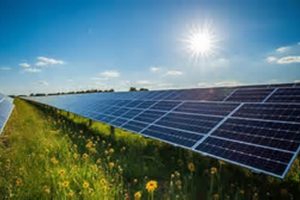
Solar energy represents a key component within the broader context of renewable energy, contrasting sharply with conventional, non-renewable sources like fossil fuels. This distinction arises from the fundamental difference in resource replenishment: solar energy harnesses the virtually inexhaustible power of the sun, while fossil fuels rely on finite reserves accumulated over geological timescales. This core difference drives the imperative to transition towards sustainable energy sources like solar power to mitigate climate change and ensure long-term energy security. For example, Germany’s Energiewende policy demonstrates a large-scale commitment to integrating solar energy into the national grid, reducing reliance on coal and natural gas. Furthermore, off-grid solar applications, such as powering remote villages in developing countries, showcase the potential of this technology to address energy access disparities.
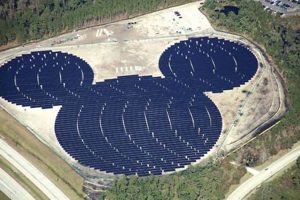
The practical significance of understanding solar energy’s role within the renewable energy landscape extends to various domains. Technological advancements continue to improve the efficiency and affordability of photovoltaic cells, making solar power increasingly competitive with conventional energy sources. Furthermore, innovations in energy storage technologies, such as batteries, address the intermittent nature of solar power, enabling greater grid integration and reliability. Decentralized solar installations, like rooftop solar panels on residential buildings, empower individuals and communities to generate their own electricity, reducing dependence on centralized power grids and fostering greater energy independence. These developments highlight the transformative potential of solar energy to reshape energy systems globally.
In summary, solar energy’s position within the renewable energy sector signifies a critical shift away from conventional energy paradigms. Its inherent sustainability, coupled with ongoing technological advancements and declining costs, positions solar power as a cornerstone of future energy systems. Addressing challenges like intermittency and grid integration through innovative solutions further solidifies solar energy’s role in achieving a more sustainable and equitable energy future. The ongoing transition towards renewable energy sources necessitates a deep understanding of solar power’s potential and its contribution to global decarbonization efforts.
4. Wind Power

Wind power stands as a prominent example of renewable energy, contrasting sharply with conventional, non-renewable sources like fossil fuels. This distinction stems from the fundamental difference in resource replenishment: wind power harnesses a continuously replenished resourcewindwhile fossil fuels rely on finite reserves. This core difference drives the imperative to transition towards sustainable energy sources like wind power to mitigate climate change and ensure long-term energy security. For example, Denmark’s significant investment in offshore wind farms demonstrates a national commitment to integrating wind power into the energy mix, reducing reliance on conventional sources. This shift towards wind power also aligns with global efforts to decarbonize energy systems and achieve sustainable development goals.
- Resource Availability and Variability
Wind, driven by solar energy and atmospheric pressure differences, represents a widely available resource. However, its intermittent nature poses a key challenge for grid integration. Wind power output fluctuates depending on weather patterns, requiring strategies like energy storage and grid management to ensure a reliable energy supply. Offshore wind farms, located in bodies of water, often experience stronger and more consistent winds compared to onshore installations, enhancing their capacity factor. However, offshore projects also face higher installation and maintenance costs, necessitating careful economic considerations.
- Environmental Impact and Sustainability
Wind power generation produces no greenhouse gas emissions during operation, offering a significant environmental advantage over fossil fuels. However, the manufacturing and installation of wind turbines do have some environmental footprint, primarily related to materials extraction and manufacturing processes. Furthermore, potential impacts on wildlife, particularly birds and bats, require careful assessment and mitigation strategies. Life-cycle assessments of wind turbines help evaluate the overall environmental impact, considering all stages from manufacturing to decommissioning.
- Economic Considerations and Technological Advancements
The cost of wind energy has decreased significantly in recent years, making it increasingly competitive with conventional energy sources. Technological advancements, including larger turbine sizes and improved efficiency, have contributed to this cost reduction. Government policies, such as tax incentives and subsidies, can further incentivize wind power development. Furthermore, the wind energy sector creates jobs in manufacturing, installation, and maintenance, contributing to economic growth.
- Grid Integration and Energy Storage
Integrating wind power into existing electricity grids requires careful planning and management due to its intermittent nature. Energy storage solutions, such as batteries and pumped hydro storage, can help address this challenge by storing excess energy generated during periods of high wind and releasing it during periods of low wind or high demand. Smart grid technologies further enhance grid stability and optimize the utilization of wind power. Furthermore, integrating wind power with other renewable sources, such as solar, can create a more diversified and resilient energy portfolio.
The increasing deployment of wind power signifies a crucial step towards a sustainable energy future. Addressing challenges like intermittency and grid integration through ongoing technological advancements and policy support further strengthens wind power’s role in global decarbonization efforts. The transition to renewable energy necessitates a comprehensive understanding of wind power’s potential and its contribution to achieving a more sustainable and secure energy landscape. The interplay between wind power and other renewable sources, as well as their combined impact on conventional energy systems, will continue to shape the future of energy production and consumption.
5. Hydropower
Hydropower occupies a complex position within the energy landscape, straddling the divide between conventional and renewable energy sources. While classified as renewable due to its utilization of the water cycle, large-scale hydropower projects share characteristics with conventional power generation concerning infrastructure development and environmental impact. This duality necessitates a nuanced understanding of hydropower’s role in the broader energy transition. The historical reliance on hydropower for electricity generation, exemplified by projects like the Hoover Dam in the United States, demonstrates its established role in energy systems. However, the environmental consequences of large dams, such as habitat alteration and disruption of river ecosystems, raise concerns about the long-term sustainability of such projects. Conversely, smaller-scale hydropower installations, like run-of-river projects, offer a less impactful approach, minimizing disruption to natural water flows.
The practical significance of understanding hydropower’s position within the energy landscape lies in its potential contribution to decarbonization goals. Hydropower offers a carbon-free electricity source, reducing reliance on fossil fuels and mitigating greenhouse gas emissions. However, the environmental trade-offs associated with large dam projects require careful consideration. Balancing energy needs with ecological preservation necessitates a comprehensive assessment of the social, economic, and environmental impacts of hydropower development. The Itaipu Dam, a binational project between Brazil and Paraguay, exemplifies the complexities of large-scale hydropower, showcasing both its energy-generating capacity and its impact on surrounding communities and ecosystems. Furthermore, the increasing focus on sustainable hydropower practices emphasizes minimizing environmental disruption and maximizing social benefits.
In summary, hydropower’s classification as renewable energy requires careful consideration of its diverse forms and their associated impacts. While offering a valuable carbon-free energy source, large-scale hydropower projects can significantly alter natural environments. Balancing the benefits of clean energy generation with ecological preservation remains a central challenge. The ongoing development of more sustainable hydropower practices and the increasing integration of other renewable energy sources into the energy mix will continue to shape the future role of hydropower in achieving global energy sustainability. The complexities inherent in hydropower underscore the need for informed decision-making, considering both the environmental and societal implications of this energy source.
6. Geothermal Energy

Geothermal energy, derived from the Earth’s internal heat, occupies a distinct position within the renewable energy landscape, offering a baseload power source unlike intermittent solar or wind power. While not as widely deployed as other renewables, geothermal energy presents a valuable alternative to conventional fossil fuels, particularly for applications requiring continuous energy supply. Understanding its unique characteristics and potential contribution to the global energy transition requires examining its various facets within the broader context of conventional and renewable energy paradigms. The increasing demand for sustainable and reliable energy sources elevates the importance of exploring geothermal energy’s potential to complement other renewable technologies and reduce reliance on fossil fuels.
- Resource Accessibility and Variability
Geothermal resources vary in temperature and accessibility depending on geological location. Regions with high tectonic activity, such as Iceland and parts of the western United States, possess readily accessible high-temperature geothermal resources suitable for electricity generation. Other areas may have lower-temperature resources suitable for direct heating and cooling applications. The variability in resource characteristics influences the feasibility and economic viability of geothermal projects. Enhanced geothermal systems (EGS) offer the potential to expand geothermal energy’s reach by accessing resources in less geologically active regions, though this technology requires further development and faces technical challenges.
- Environmental Impact and Sustainability
Geothermal power plants produce significantly lower greenhouse gas emissions compared to fossil fuel power plants, contributing to climate change mitigation efforts. However, some geothermal operations can release small amounts of greenhouse gases, such as hydrogen sulfide, requiring appropriate mitigation strategies. The land use footprint of geothermal plants is relatively small compared to other renewable energy sources like solar and wind farms. Furthermore, geothermal resources are considered sustainable as long as the rate of heat extraction does not exceed the natural replenishment rate.
- Economic Considerations and Technological Development
The upfront costs of geothermal power plant development can be significant, particularly for exploration and drilling. However, operational costs are generally low due to the continuous availability of the resource. Technological advancements, such as improved drilling techniques and binary cycle power plants, enhance the efficiency and economic viability of geothermal energy production. Government incentives and policies play a crucial role in supporting geothermal development and deployment.
- Applications and Integration with Energy Systems
Geothermal energy can be utilized for various applications beyond electricity generation, including direct heating and cooling of buildings, industrial processes, and agriculture. Geothermal heat pumps offer a highly efficient method for heating and cooling residential and commercial buildings, reducing reliance on fossil fuels. Integrating geothermal energy with other renewable sources, such as solar and wind, can create more resilient and sustainable energy systems. Furthermore, geothermal energy’s baseload capacity complements the intermittent nature of solar and wind power, enhancing grid stability.
The unique characteristics of geothermal energy, its advantages, and its limitations position it as a valuable component within the broader context of renewable energy. While resource accessibility and upfront costs present challenges, its baseload capacity, low emissions, and diverse applications make it an important contributor to the global energy transition. As technological advancements continue and as the need for sustainable energy solutions intensifies, geothermal energy’s role in diversifying energy portfolios and reducing reliance on conventional fossil fuels will likely expand. Furthermore, integrating geothermal energy with other renewable sources offers a pathway toward more resilient, decarbonized, and sustainable energy systems.
7. Biomass Energy

Biomass energy, derived from organic matter, occupies a complex and often debated position within the spectrum of conventional and renewable energy sources. Its classification as renewable stems from the potential for sustainable biomass production, where regrowth offsets consumption. However, certain biomass utilization practices can resemble conventional fossil fuel combustion in terms of emissions and environmental impact. Understanding this duality requires careful consideration of biomass energy’s diverse forms, its potential benefits, and its potential drawbacks within the context of sustainable energy transitions. The increasing global demand for energy and the imperative to mitigate climate change necessitate a thorough evaluation of biomass energy’s role in achieving a balanced and sustainable energy future.
- Resource Diversity and Availability
Biomass resources encompass a wide range of organic materials, including wood, agricultural residues, dedicated energy crops, and organic waste. The availability of these resources varies geographically and depends on factors such as land use, agricultural practices, and waste management systems. Sustainable biomass production requires careful management to prevent deforestation, soil degradation, and competition with food production. For instance, utilizing agricultural residues like corn stover for energy production can offer a sustainable alternative to burning fossil fuels, while unsustainable logging practices for biomass can contribute to deforestation and carbon emissions.
- Energy Conversion Technologies and Efficiency
Various technologies convert biomass into usable energy, including direct combustion for heat, gasification for electricity generation, and anaerobic digestion for biogas production. The efficiency of these conversion processes varies depending on the technology employed and the specific biomass feedstock used. Advanced biofuel production, such as cellulosic ethanol, offers the potential for higher energy efficiency and reduced greenhouse gas emissions compared to conventional biofuels. However, the technological and economic feasibility of these advanced biofuels requires ongoing research and development.
- Environmental Impact and Sustainability Considerations
The environmental impact of biomass energy depends critically on the source of the biomass, the conversion technology employed, and the overall management practices. Sustainable biomass utilization can offer a carbon-neutral energy source, as the carbon released during combustion is offset by the carbon absorbed during plant growth. However, unsustainable practices, such as burning wood from old-growth forests, can lead to net carbon emissions and habitat destruction. Furthermore, biomass combustion can release air pollutants, requiring appropriate emission control measures.
- Role in the Energy Mix and Policy Implications
Biomass energy can contribute to diversifying energy portfolios and reducing reliance on fossil fuels. Its role in the energy mix depends on factors such as resource availability, technological advancements, and policy support. Government policies, such as renewable portfolio standards and carbon pricing mechanisms, can influence the adoption and deployment of biomass energy. The sustainable utilization of biomass requires careful planning and integration with other renewable energy sources to ensure a balanced and environmentally sound approach to energy production. Balancing energy security, economic development, and environmental protection requires a comprehensive assessment of biomass energy’s potential contribution within specific regional and national contexts.
The complexities surrounding biomass energy necessitate a nuanced understanding of its diverse forms, its potential benefits, and its potential drawbacks. While offering a pathway toward renewable energy utilization, sustainable biomass production and utilization practices are crucial for mitigating potential negative environmental and social consequences. The integration of biomass energy into the broader energy landscape requires careful consideration of its role alongside other renewable energy sources and its contribution to achieving a sustainable and secure energy future. Technological advancements, policy frameworks, and sustainable resource management practices will play key roles in shaping the future of biomass energy and its contribution to global energy transitions.
Frequently Asked Questions
The transition from conventional to renewable energy sources generates numerous questions. This section addresses some common inquiries regarding the characteristics, benefits, and challenges associated with various energy technologies.
Question 1: What are the primary differences between conventional and renewable energy sources?
Conventional energy sources, primarily fossil fuels (coal, oil, and natural gas) and nuclear power, rely on finite resources. Renewable energy sources, such as solar, wind, hydro, geothermal, and biomass, utilize naturally replenished resources. This fundamental difference in resource availability has significant implications for long-term sustainability and environmental impact.
Question 2: How does the environmental impact of conventional energy compare to that of renewable energy?
Conventional energy sources, particularly fossil fuels, contribute significantly to greenhouse gas emissions, a major driver of climate change. Renewable energy sources produce minimal or no greenhouse gas emissions during operation, offering a cleaner alternative. However, the manufacturing and disposal of renewable energy technologies can have some environmental impact, albeit generally lower than that of conventional energy.
Question 3: What are the economic considerations associated with transitioning to renewable energy?
Transitioning to renewable energy requires significant upfront investments in new infrastructure and technologies. However, renewable energy sources offer long-term cost stability, reduced fuel costs, and potential economic growth in related industries. Government policies and incentives play a crucial role in facilitating this transition and mitigating potential economic burdens.
Question 4: How reliable are renewable energy sources, given their intermittent nature?
The intermittency of some renewable energy sources, such as solar and wind, poses a challenge for grid stability. However, advancements in energy storage technologies, grid management systems, and the diversification of renewable energy portfolios can mitigate this challenge and ensure a reliable energy supply.
Question 5: What role does energy storage play in maximizing the effectiveness of renewable energy?
Energy storage technologies, such as batteries and pumped hydro storage, are essential for addressing the intermittency of renewable energy sources. Storing excess energy generated during periods of high production and releasing it during periods of low production or high demand enhances grid stability and maximizes the utilization of renewable energy resources.
Question 6: How can individuals and communities contribute to the transition to renewable energy?
Individuals and communities can contribute through various actions, including adopting energy-efficient practices, investing in renewable energy technologies for homes and businesses, supporting policies that promote renewable energy development, and engaging in educational initiatives to raise awareness about the benefits of sustainable energy solutions.
Understanding the nuances of both conventional and renewable energy sources is crucial for informed decision-making and effective participation in the ongoing global energy transition. Addressing the challenges and realizing the opportunities associated with this transition requires collaborative efforts across all sectors of society.
The subsequent sections will delve deeper into specific renewable energy technologies, exploring their distinct characteristics, advantages, and challenges in greater detail.
Conclusion
This exploration of conventional and renewable energy has highlighted the critical juncture at which global energy systems currently stand. Conventional sources, while having fueled industrialization, present significant environmental challenges, notably climate change due to greenhouse gas emissions. Renewable energy technologies offer a pathway toward a more sustainable future, mitigating environmental impact while addressing growing global energy demands. The transition from conventional to renewable sources necessitates navigating complex economic, technological, and societal considerations. The inherent intermittency of some renewable sources requires innovative solutions, such as energy storage and smart grid technologies, for reliable energy delivery. Furthermore, the economic implications of this transition, including infrastructure development and job creation, present both challenges and opportunities.
The future of energy hinges on a multifaceted approach encompassing policy support, technological innovation, and informed decision-making. Accelerating the transition towards renewable energy is not merely a technological endeavor but a societal imperative. Embracing sustainable energy practices is essential for mitigating climate change, ensuring long-term energy security, and fostering a more sustainable and prosperous future for all. Continued exploration of renewable energy technologies, coupled with responsible resource management and international cooperation, will be pivotal in shaping a future powered by clean and sustainable energy sources.