Established sources like hydropower, biomass, and geothermal energy represent mature technologies for harnessing naturally replenishing resources. Hydropower utilizes the potential energy of water stored at elevation, while biomass derives energy from organic matter, including wood, crops, and agricultural residues. Geothermal power taps into the Earth’s internal heat. For example, a dam built across a river can generate electricity using hydropower, while dedicated power plants can burn biomass or harness geothermal steam for the same purpose.
These established resources offer a degree of energy security by reducing reliance on finite fossil fuels and mitigating greenhouse gas emissions compared to conventional non-renewable sources. Their historical presence in energy portfolios worldwide demonstrates a long-standing role in powering communities and industries. However, it is essential to acknowledge that even these sources can have environmental and social impacts that require careful management. Dam construction for hydropower can alter river ecosystems, while biomass combustion can contribute to air pollution if not properly controlled. Geothermal development can sometimes trigger seismic activity.
This exploration of established renewable energy technologies serves as a foundation for understanding the broader context of sustainable power generation. The following sections will delve deeper into the specific characteristics, advantages, and challenges associated with each of these resources, offering a more nuanced perspective on their role in a future powered by clean energy.
Tips for Utilizing Established Renewable Energy Sources
Successfully integrating established renewable energy sources requires careful planning and consideration of various factors. The following tips provide guidance for effective implementation.
Tip 1: Conduct Thorough Resource Assessments: Accurate assessment of available resources is crucial. Hydropower projects require detailed hydrological studies, while biomass initiatives need to evaluate sustainable feedstock availability. Geothermal potential must be explored through geological surveys and temperature gradient analysis.
Tip 2: Minimize Environmental Impact: Mitigating environmental consequences is paramount. Hydropower development should consider fish passage and downstream flow regimes. Sustainable forestry practices are essential for biomass sourcing. Geothermal plants must manage wastewater and potential land subsidence.
Tip 3: Optimize Technology Selection: Technology choices should align with resource characteristics and project goals. Run-of-river hydropower may be suitable for smaller streams, while large reservoirs can support pumped storage. Biomass power plants can employ various conversion technologies, such as direct combustion, gasification, or anaerobic digestion. Enhanced geothermal systems can access heat resources in areas not traditionally considered geothermal.
Tip 4: Integrate with Existing Infrastructure: Grid integration is essential for successful deployment. Hydropower can provide grid stability services. Biomass power plants can often be integrated into existing heat networks. Geothermal resources can provide baseload power or supplement intermittent renewable sources.
Tip 5: Engage with Local Communities: Early and ongoing community engagement builds trust and ensures that projects align with local needs and priorities. Transparency in project development and benefit-sharing mechanisms can foster positive relationships.
Tip 6: Consider Policy and Regulatory Frameworks: Understanding and complying with relevant regulations and policies is essential for project success. Incentives, permitting processes, and environmental standards can significantly influence project feasibility.
Tip 7: Employ a Life-Cycle Approach: Assessing environmental and economic performance throughout a project’s lifespan ensures long-term sustainability. Decommissioning plans should be incorporated from the outset.
By considering these tips, decision-makers can maximize the benefits of established renewable energy sources while minimizing potential drawbacks. Careful planning and responsible implementation are essential for realizing the full potential of these resources.
The successful integration of these strategies contributes significantly to the transition towards a sustainable energy future. The concluding section will summarize key findings and offer perspectives on the ongoing evolution of the renewable energy landscape.
1. Established Technologies

Established technologies form the backbone of conventional renewable energy, representing mature and widely deployed solutions for harnessing renewable resources. Understanding their characteristics is crucial for evaluating their role in the broader energy landscape. These technologies provide a benchmark against which emerging renewable energy solutions can be compared and contrasted.
- Hydropower
Hydropower utilizes the potential energy of water held at elevation to generate electricity. Dams and reservoirs are common components of hydropower systems, channeling water through turbines to produce power. Large-scale hydropower projects, such as the Three Gorges Dam in China, demonstrate the significant energy generation capacity of this technology. However, the environmental and social impacts associated with large dams, including habitat alteration and displacement of communities, necessitate careful planning and mitigation strategies.
- Biomass Energy
Biomass energy derives from organic matter, encompassing wood, agricultural residues, and dedicated energy crops. Direct combustion, gasification, and anaerobic digestion are common methods for converting biomass into usable energy forms like heat and electricity. Biomass power plants provide a renewable alternative to fossil fuel-based power generation, but sustainable feedstock sourcing and efficient conversion technologies are essential for minimizing environmental impacts, such as air pollution and deforestation.
- Geothermal Energy
Geothermal energy harnesses the Earth’s internal heat. Geothermal power plants utilize steam or hot water from underground reservoirs to drive turbines and generate electricity. Geothermal resources offer a reliable and consistent energy source, but their availability is geographically limited. Furthermore, geothermal development can potentially trigger seismic activity and requires careful management of wastewater and emissions.
- Wind Energy (Conventional Scale)
While larger-scale wind farms are often associated with newer technologies, conventional wind turbines have been deployed for decades. These older-generation turbines, typically smaller and less efficient than modern designs, represent an established technology within the broader context of wind energy. Understanding their limitations and evolving capabilities provides valuable insights into the advancements made in wind energy technology.
These established technologies offer a crucial foundation for the global transition to renewable energy. Their widespread deployment and operational experience provide valuable lessons for integrating newer renewable energy technologies into existing energy systems. While each technology presents unique advantages and challenges, their combined contribution to reducing greenhouse gas emissions and diversifying energy sources is undeniable. Further advancements and integration with other renewable energy sources will be key to their continued relevance in a rapidly evolving energy landscape.
2. Resource availability

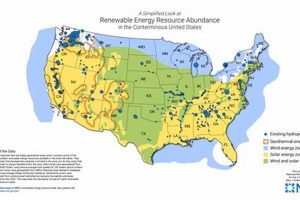
Resource availability dictates the feasibility and scale of conventional renewable energy projects. The geographical distribution and abundance of resources like water, biomass, and geothermal heat directly influence where and how these technologies can be deployed. For hydropower, the presence of rivers with sufficient flow and elevation change is essential. Biomass energy relies on the sustainable supply of organic matter, whether from forestry residues, agricultural crops, or dedicated energy crops. Geothermal power plants require access to underground reservoirs of steam or hot water. Resource assessments are therefore critical for identifying suitable locations and estimating the potential energy output of a given project. For example, regions with limited rainfall may not be ideal for hydropower, while areas lacking suitable geothermal resources may need to explore alternative renewable energy options.
The variability of renewable resources also plays a significant role. River flows can fluctuate seasonally, impacting hydropower generation. Biomass availability can depend on agricultural yields and forest management practices. Geothermal resources, while generally stable, can experience variations over time. Understanding these patterns of variability is crucial for designing reliable energy systems and integrating conventional renewable energy sources into the broader electricity grid. In regions with highly variable river flows, hydropower plants may incorporate reservoirs to store water and ensure consistent energy production. Similarly, biomass power plants may need to diversify their feedstock sources to mitigate supply chain disruptions.
Careful resource management is essential for the long-term sustainability of conventional renewable energy. Over-extraction of water for hydropower can negatively impact downstream ecosystems and water availability for other uses. Unsustainable harvesting of biomass can lead to deforestation and soil degradation. Geothermal development requires careful monitoring to prevent land subsidence and manage wastewater disposal. Balancing energy production with environmental protection is crucial for realizing the full potential of these resources. Strategies such as implementing environmental flow requirements for hydropower projects, promoting sustainable forestry practices, and adopting closed-loop systems for geothermal fluids can help minimize environmental impacts.
3. Environmental impact

Environmental impact represents a critical consideration in the development and deployment of conventional renewable energy technologies. While these resources offer a cleaner alternative to fossil fuels, they are not without environmental consequences. Understanding these impacts is essential for making informed decisions and implementing mitigation strategies. A life-cycle assessment approach, considering impacts from resource extraction to decommissioning, provides a comprehensive evaluation framework.
Hydropower, while generating clean electricity, can significantly alter river ecosystems. Dam construction can obstruct fish migration, alter water temperature and flow regimes, and inundate riparian habitats. Downstream water quality can also be affected by changes in sediment transport and nutrient levels. For example, the construction of large dams in the Amazon basin has raised concerns about habitat loss and biodiversity decline. Mitigation measures, such as fish ladders and carefully managed water releases, can help minimize these impacts but do not eliminate them entirely. The choice between run-of-river hydropower, which minimizes reservoir size, and large-scale storage hydropower involves trade-offs between energy production and environmental impact.
Biomass energy, while utilizing renewable resources, can contribute to air pollution if not managed sustainably. Burning biomass releases particulate matter, nitrogen oxides, and other pollutants that can impact air quality and human health. Sustainable forestry and agricultural practices are essential for minimizing these impacts. Sourcing biomass from sustainably managed forests, utilizing efficient combustion technologies, and implementing air pollution control measures are crucial for ensuring environmental sustainability. For instance, using agricultural residues as a biomass feedstock can reduce reliance on dedicated energy crops, minimizing pressure on land use and biodiversity.
Geothermal energy, though generally considered a clean energy source, can have localized environmental impacts. Geothermal power plants can release small amounts of greenhouse gases, including hydrogen sulfide and carbon dioxide. Wastewater disposal can also be a concern, as geothermal fluids often contain dissolved minerals and salts. Reinjection of wastewater into underground reservoirs can mitigate these impacts. Furthermore, induced seismicity, or earthquakes triggered by geothermal operations, is a potential risk, particularly in enhanced geothermal systems that involve fracturing rock formations. Careful monitoring and management of geothermal resources are essential for minimizing these risks.
Balancing the benefits of conventional renewable energy with their potential environmental impacts requires a nuanced approach. Careful site selection, project design, and implementation of mitigation strategies are crucial for ensuring environmental sustainability. Ongoing monitoring and evaluation are essential for adapting management practices and minimizing long-term environmental consequences. The pursuit of sustainable energy solutions requires a commitment to minimizing environmental trade-offs and maximizing the positive impacts of renewable energy technologies.
4. Economic viability

Economic viability plays a crucial role in the adoption and deployment of conventional renewable energy technologies. The financial feasibility of these projects hinges on a complex interplay of factors, including capital costs, operating expenses, energy market dynamics, and policy landscapes. Understanding these economic drivers is essential for assessing the competitiveness of conventional renewable energy sources compared to fossil fuels and other alternatives.
Capital costs for conventional renewable energy projects can vary significantly depending on the technology and project scale. Hydropower projects, particularly large-scale dams, often involve substantial upfront investments in infrastructure, including dam construction, turbines, and transmission lines. Biomass power plants require investments in biomass processing and conversion technologies. Geothermal projects involve drilling costs and infrastructure for harnessing underground heat resources. These upfront costs can represent a significant barrier to entry, particularly in developing countries with limited access to capital. For instance, the high initial investment required for geothermal power plants can limit their deployment in regions with nascent geothermal industries. Conversely, smaller-scale hydropower projects, such as run-of-river installations, may have lower capital costs, making them more accessible to smaller communities and private investors.
Operating expenses also influence the economic viability of conventional renewable energy. Hydropower plants typically have relatively low operating costs, primarily related to maintenance and personnel. Biomass power plants incur ongoing costs for feedstock procurement and processing. Geothermal plants require ongoing maintenance and management of geothermal fluids. These operating costs, while generally lower than those of fossil fuel-based power plants, can still impact the overall profitability of renewable energy projects. Furthermore, fluctuating fuel prices for biomass power plants can introduce economic uncertainty. Policy mechanisms, such as feed-in tariffs and renewable portfolio standards, can help mitigate these economic risks and incentivize investment in conventional renewable energy.
The economic viability of conventional renewable energy is also intertwined with energy market dynamics. The price of electricity generated from renewable sources must be competitive with electricity generated from fossil fuels and other energy sources. Government policies, such as carbon pricing and renewable energy mandates, can influence market prices and create a level playing field for renewable energy. For example, a carbon tax on fossil fuels can increase their price relative to renewable energy, making renewable energy projects more economically attractive. Conversely, subsidies for fossil fuels can distort energy markets and hinder the adoption of renewable energy technologies. Understanding these market forces and policy interventions is crucial for assessing the long-term economic sustainability of conventional renewable energy.
In conclusion, the economic viability of conventional renewable energy depends on a complex interplay of technological, market, and policy factors. While the initial capital costs of some renewable energy projects can be high, their operating costs are generally lower than those of fossil fuel-based power plants. Policy support, such as feed-in tariffs and carbon pricing, can further enhance the economic competitiveness of conventional renewable energy. Careful economic analysis and strategic policy interventions are essential for ensuring the long-term economic sustainability of these crucial technologies in the global transition to a cleaner energy future.
5. Social implications
Conventional renewable energy projects, while offering environmental benefits, carry significant social implications that require careful consideration. These implications can range from community displacement and livelihood disruption to changes in land use and access to resources. Understanding and addressing these social factors is crucial for ensuring the equitable and sustainable development of renewable energy projects.
- Community Displacement and Resettlement
Large-scale hydropower projects, in particular, can necessitate the resettlement of communities living in areas designated for reservoirs. This displacement can result in the loss of homes, livelihoods, and cultural heritage. The Three Gorges Dam in China, for example, displaced over a million people, leading to social and economic disruption. Equitable compensation, adequate resettlement planning, and community participation in decision-making processes are essential for mitigating these impacts.
- Land Use Change and Access to Resources
Renewable energy projects can alter land use patterns and affect access to natural resources. Biomass energy production, for instance, can compete with food production for land and resources. Hydropower reservoirs can inundate agricultural land and forests. Geothermal development can restrict access to traditional land uses. Careful land use planning and resource management are crucial for minimizing conflicts and ensuring equitable access to resources for all stakeholders.
- Impacts on Indigenous Communities
Renewable energy projects can disproportionately impact indigenous communities, who often have strong cultural and spiritual ties to the land and natural resources. Hydropower dams, for example, can inundate sacred sites and disrupt traditional fishing practices. Geothermal development can impact access to culturally significant hot springs. Free, prior, and informed consent of indigenous communities is essential for ensuring that their rights and interests are respected in renewable energy development.
- Public Perception and Acceptance
Public perception and acceptance of renewable energy projects can significantly influence their success. Community engagement and transparent communication are crucial for building trust and addressing concerns about potential impacts. Visual impacts, noise pollution, and perceived disruptions to local ecosystems can lead to community opposition. Open dialogue and participatory planning processes can help foster public support and ensure the smooth implementation of renewable energy projects. For example, wind farms can face local opposition due to concerns about visual impacts on landscapes, even though they offer significant environmental benefits.
Integrating social considerations into the planning and implementation of conventional renewable energy projects is essential for ensuring their long-term sustainability. Equitable benefit sharing, community participation, and respect for human rights are crucial for achieving a just and inclusive energy transition. Failure to address these social implications can lead to project delays, conflicts, and negative impacts on local communities, ultimately undermining the broader goals of sustainable development.
6. Technological maturity

Technological maturity is a defining characteristic of conventional renewable energy sources. This maturity stems from decades, and in some cases centuries, of research, development, and operational experience. It signifies a high level of reliability, efficiency, and cost-effectiveness, making these technologies attractive options for large-scale energy production. Hydropower, for example, benefits from a well-established understanding of dam engineering and turbine technology, enabling predictable energy generation. Similarly, biomass energy conversion technologies, such as direct combustion and gasification, have been refined over time, improving their efficiency and reducing emissions. Geothermal power generation, while geographically limited, leverages mature drilling and power plant technologies, providing a reliable baseload power source in suitable locations. This established technological foundation contrasts sharply with newer renewable energy technologies, such as wave energy or advanced biofuels, which are still in earlier stages of development and face greater technological uncertainties.
The technological maturity of conventional renewable energy sources has several practical implications. It facilitates easier integration into existing energy grids, as the technologies are well-understood and their performance characteristics are predictable. It also reduces the risk associated with project development, as the technologies have proven track records and well-established supply chains. This maturity can attract investment and accelerate deployment, contributing to the rapid scaling up of renewable energy capacity. Furthermore, the established nature of these technologies allows for more accurate cost estimations and lifecycle assessments, enabling informed decision-making by governments, utilities, and investors. For example, the predictable performance of hydropower plants allows them to participate in electricity markets and provide grid stability services, further enhancing their economic value. Conversely, the relative immaturity of some emerging renewable energy technologies can hinder their integration into existing energy systems and create uncertainty regarding their long-term performance and cost-effectiveness.
However, technological maturity does not imply stagnation. Continuous innovation and incremental improvements are essential for enhancing the performance and reducing the environmental impacts of conventional renewable energy technologies. For example, advancements in turbine design and water management strategies can improve the efficiency and environmental performance of hydropower plants. Research into advanced biofuels and biomass gasification technologies can further reduce emissions and expand the range of sustainable feedstocks. Exploration of enhanced geothermal systems can expand the geographical reach of geothermal energy. These ongoing advancements ensure that conventional renewable energy technologies remain competitive and continue to play a vital role in the global transition to a sustainable energy future. While emerging technologies offer exciting potential, the proven reliability and scalability of conventional renewable energy sources make them a cornerstone of current and future energy strategies.
Frequently Asked Questions about Established Renewable Energy Sources
This section addresses common inquiries regarding established renewable energy technologies, aiming to provide clear and concise information.
Question 1: How do established renewable energy sources differ from newer technologies?
Established technologies like hydropower, biomass, and geothermal represent mature technologies with a longer history of deployment, while newer technologies, such as wave and tidal power, are still under development. This difference in maturity often translates to variations in cost, reliability, and scalability.
Question 2: What are the primary environmental impacts of established renewable energy sources?
While generally considered environmentally friendly, established sources can still have impacts. Hydropower can alter river ecosystems, biomass combustion can contribute to air pollution, and geothermal development can potentially trigger seismic activity. Careful planning and mitigation are essential.
Question 3: Are established renewable energy sources cost-competitive with fossil fuels?
The cost-competitiveness of established renewables varies depending on the specific technology, resource availability, and local market conditions. Hydropower and geothermal can often compete with fossil fuels, while biomass costs can fluctuate based on feedstock prices. Government policies can influence price competitiveness.
Question 4: What role do established renewable energy sources play in grid stability?
Established sources can contribute to grid stability. Hydropower, in particular, offers grid balancing services due to its ability to quickly adjust output. Biomass and geothermal can provide baseload power, ensuring a consistent energy supply. Integration with other intermittent renewables enhances grid reliability.
Question 5: How can the social impacts of established renewable energy projects be minimized?
Minimizing social impacts requires community engagement, transparent communication, and equitable benefit-sharing mechanisms. Careful planning, impact assessments, and resettlement strategies are essential for large-scale projects like hydropower dams, which can displace communities.
Question 6: What are the future prospects for established renewable energy technologies?
Established technologies are expected to continue playing a significant role in the global energy transition. Technological advancements and integration with smart grids and energy storage systems will further enhance their efficiency and reliability. However, policy support and investment are essential for realizing their full potential.
Understanding the strengths and limitations of established renewable energy sources is crucial for informed decision-making and effective policy development. These FAQs offer a starting point for further exploration of these important technologies.
The subsequent section will delve deeper into specific case studies, illustrating the practical application of established renewable energy technologies in diverse contexts.
Conclusion
Established renewable energy technologies, encompassing hydropower, biomass, and geothermal energy, represent a critical component of the global transition to sustainable energy systems. This exploration has highlighted their technological maturity, resource availability considerations, environmental impacts, economic viability factors, social implications, and ongoing advancements. While each technology presents unique advantages and challenges, their collective contribution to reducing greenhouse gas emissions and diversifying energy portfolios is undeniable. From the long-standing utilization of hydropower to the evolving landscape of biomass and geothermal energy, these established resources offer valuable lessons and a robust foundation for future energy strategies.
The path toward a sustainable energy future necessitates a comprehensive approach, integrating established renewable energy technologies with emerging innovations and energy efficiency measures. Continued research, policy support, and community engagement are essential for maximizing the potential of these resources while mitigating their environmental and social impacts. The future of energy relies on a balanced portfolio of sustainable solutions, and established renewable energy technologies will undoubtedly remain a cornerstone of this transformative journey.