Launching a venture in the renewable energy sector involves careful consideration of various factors, including market demand, startup costs, potential for scalability, and regulatory landscape. For example, a solar panel installation business might require significant initial investment in equipment and training, but offers robust growth potential given increasing consumer adoption of solar energy. Alternatively, a biomass energy consultancy could leverage existing expertise with lower startup costs, focusing on advising businesses on sustainable energy practices.
The increasing global focus on sustainability and decreasing reliance on fossil fuels makes the renewable energy sector a promising area for new businesses. These ventures contribute to mitigating climate change, reducing air pollution, and enhancing energy security. Historically, high startup costs and technological limitations presented barriers to entry. However, advancements in technology and government incentives have created a more favorable environment for entrepreneurs seeking to capitalize on the growing demand for clean energy.
This article will further explore specific opportunities within the renewable energy sector, providing insights into market trends, potential challenges, and key success factors for aspiring entrepreneurs. Topics covered will include solar energy, wind energy, hydropower, geothermal energy, and bioenergy, providing a comprehensive overview of the most viable options for new businesses.
Tips for Launching a Successful Renewable Energy Venture
Careful planning and execution are crucial for success in the competitive renewable energy market. The following tips offer guidance for aspiring entrepreneurs.
Tip 1: Conduct Thorough Market Research: Understanding specific regional demands and opportunities is essential. Analyze energy consumption patterns, existing renewable energy infrastructure, and government incentives available in the target market.
Tip 2: Secure Adequate Funding: Renewable energy projects often require substantial initial investment. Explore various funding options, including venture capital, government grants, and loans. Develop a comprehensive business plan to attract investors.
Tip 3: Build a Strong Team: Assemble a team with expertise in renewable energy technologies, project management, finance, and marketing. Experienced professionals are crucial for navigating the complexities of the industry.
Tip 4: Focus on Innovation and Technology: Stay abreast of the latest advancements in renewable energy technologies. Adopting cutting-edge solutions can provide a competitive advantage and improve efficiency.
Tip 5: Navigate Regulations and Permits: The renewable energy sector is subject to various regulations and permitting requirements. Ensure compliance with all applicable local, regional, and national regulations.
Tip 6: Develop a Robust Marketing Strategy: Effectively communicate the value proposition of the business to target customers. Highlight the environmental and economic benefits of renewable energy solutions.
Tip 7: Prioritize Customer Service: Building strong customer relationships is essential for long-term success. Provide excellent customer support and address any concerns promptly and professionally.
By focusing on these key areas, entrepreneurs can increase their chances of establishing a thriving and impactful renewable energy business. These insights provide a foundation for developing a sustainable and profitable venture.
The renewable energy sector offers immense potential for growth and positive impact. By carefully considering these tips and adapting them to specific business contexts, entrepreneurs can contribute to a cleaner, more sustainable future.
1. Market Demand

Market demand significantly influences the viability and profitability of renewable energy ventures. Understanding current and projected demand is crucial for identifying the most promising business opportunities within the sector. Accurately assessing market demand allows entrepreneurs to target specific customer needs and tailor their offerings accordingly.
- Regional Variations:
Demand for specific renewable energy technologies varies geographically. Solar energy thrives in regions with high solar irradiance, while wind energy is more viable in areas with consistent wind resources. Geothermal energy is best suited for locations with geothermal activity. Recognizing these regional variations allows entrepreneurs to strategically target areas with strong demand for their chosen technology. For instance, a solar installation company would be more successful in Arizona than in Alaska, due to higher solar irradiance.
- Government Policies and Incentives:
Government policies, subsidies, and tax incentives play a significant role in shaping market demand for renewable energy. Regions with supportive policies often experience increased demand for specific technologies. For example, feed-in tariffs or tax credits for solar installations can stimulate market growth. Understanding the policy landscape in the target market is essential for assessing the potential demand and ensuring long-term viability.
- Consumer Preferences and Awareness:
Growing consumer awareness of environmental issues and the benefits of renewable energy is driving demand for sustainable solutions. Consumers are increasingly seeking ways to reduce their carbon footprint and embrace clean energy options. Businesses that effectively communicate the environmental and economic advantages of their renewable energy offerings are more likely to capture market share. For example, highlighting the long-term cost savings of solar panels can attract environmentally conscious consumers.
- Technological Advancements:
Technological advancements in renewable energy technologies can significantly impact market demand. Improvements in efficiency, cost reductions, and the development of new technologies can create new market opportunities and stimulate demand for innovative solutions. For example, advancements in battery storage technology can increase the appeal of solar energy by addressing intermittency issues. Staying informed about technological developments is crucial for identifying emerging market trends and capitalizing on innovative solutions.
By carefully analyzing these facets of market demand, entrepreneurs can identify promising opportunities within the renewable energy sector. Aligning business strategies with market needs increases the likelihood of success and contributes to the growth of the renewable energy industry. A thorough understanding of market demand is therefore a prerequisite for establishing a thriving and impactful renewable energy business.
2. Startup Costs

Startup costs represent a critical factor in determining the feasibility and potential success of any renewable energy venture. Careful evaluation of initial investment requirements is essential for selecting the optimal business model and securing appropriate funding. Understanding the various components of startup costs allows entrepreneurs to make informed decisions and mitigate financial risks.
- Initial Investment:
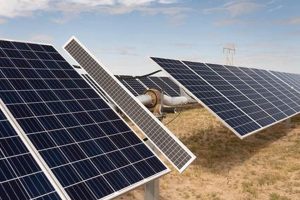
Initial investment encompasses the costs associated with acquiring essential assets, equipment, and infrastructure. For example, a solar farm requires substantial investment in solar panels, inverters, and land acquisition, while an energy consulting business might require minimal initial investment in office space and software. The scale of the initial investment significantly influences the choice of business model and the required funding strategy. Large-scale projects typically require significant upfront capital, while smaller-scale ventures can often launch with more modest resources.
- Operating Expenses:
Operating expenses include ongoing costs associated with running the business, such as salaries, marketing, rent, and utilities. Renewable energy businesses with significant physical infrastructure, like wind farms, often have higher operating expenses compared to software-based energy management platforms. Accurately projecting operating expenses is crucial for developing a realistic financial plan and ensuring long-term sustainability. Underestimating operating costs can lead to financial difficulties and jeopardize the viability of the business.
- Research and Development:
For businesses focused on innovative renewable energy technologies, research and development costs can represent a significant portion of startup expenses. Developing new technologies or improving existing ones requires investment in research personnel, laboratory equipment, and testing facilities. While R&D can lead to significant competitive advantages, it also entails substantial financial risk. Careful planning and strategic allocation of resources are essential for managing R&D costs effectively.
- Marketing and Sales:
Marketing and sales costs are essential for reaching target customers and generating revenue. These costs can include website development, advertising campaigns, and sales team salaries. In a competitive market, effective marketing is crucial for differentiating the business and attracting customers. Understanding the target market and developing a targeted marketing strategy can optimize the return on investment in marketing and sales activities.
A comprehensive understanding of startup costs is fundamental for selecting the most appropriate renewable energy business model and developing a sustainable financial plan. Balancing initial investment requirements with potential revenue streams and long-term growth prospects is critical for achieving profitability and maximizing the chances of success in the renewable energy sector. Careful financial planning and strategic resource allocation are key to navigating the financial challenges of launching a renewable energy venture.
3. Scalability Potential

Scalability potential represents a critical factor in evaluating the long-term viability and success of a renewable energy business. The ability to expand operations and increase revenue generation over time is essential for maximizing profitability and achieving significant market share. Understanding the factors that influence scalability is crucial for selecting the optimal business model and developing a sustainable growth strategy.
- Market Size and Growth:
The overall market size and projected growth rate of the chosen renewable energy sector directly impact scalability potential. A rapidly expanding market, such as the solar energy sector, offers greater opportunities for scalability compared to a more mature or niche market. Assessing market trends and future projections is essential for evaluating the long-term scalability potential of a particular renewable energy business. For instance, a business focused on electric vehicle charging infrastructure has greater scalability potential given the projected growth of the EV market.
- Technological Advancements:
Technological advancements play a significant role in influencing scalability. Businesses that leverage innovative technologies and adapt to evolving market trends are better positioned for scalable growth. For example, a company specializing in smart grid technology can scale its operations more efficiently than a traditional utility company relying on outdated infrastructure. Embracing technological advancements provides a competitive edge and facilitates scalability in the dynamic renewable energy landscape.
- Business Model and Operations:
The chosen business model and operational structure significantly impact scalability. Businesses with streamlined operations, efficient processes, and adaptable infrastructure are better equipped for rapid expansion. For instance, a software platform that optimizes energy consumption can scale its services more easily than a company that installs and maintains physical solar panels. A scalable business model enables efficient resource allocation and facilitates growth without significant increases in operational complexity.
- Financing and Investment:
Access to capital and strategic investment plays a crucial role in enabling scalability. Securing adequate funding allows businesses to invest in expansion, research and development, and marketing efforts, which are essential for achieving scalable growth. Attracting investors requires a compelling business plan and a clear demonstration of scalability potential. For example, a company with a proven track record of growth and a clear roadmap for future expansion is more likely to attract investment and achieve significant scale.
Careful consideration of these factors allows entrepreneurs to identify renewable energy businesses with high scalability potential. A scalable business model not only maximizes profitability but also contributes to a wider adoption of renewable energy solutions. By focusing on scalability, businesses can achieve significant impact and contribute to a more sustainable future. Evaluating scalability potential is therefore a crucial step in selecting the best renewable energy business to start.
4. Competitive Landscape

Analyzing the competitive landscape is crucial for identifying the most promising opportunities within the renewable energy sector. This analysis involves understanding existing market players, their strengths and weaknesses, market share distribution, and potential barriers to entry. A thorough assessment of the competitive landscape allows entrepreneurs to identify niches, differentiate their offerings, and develop effective competitive strategies. For instance, a saturated market for residential solar installations might steer entrepreneurs towards commercial-scale projects or specialized solar solutions for agricultural applications. Alternatively, a less competitive market for geothermal energy could present a unique opportunity for businesses with expertise in this area.
Understanding the competitive dynamics also informs critical business decisions, such as pricing strategies, marketing approaches, and technological innovation. In a highly competitive market, businesses might need to focus on cost leadership or differentiation through superior technology or customer service. For example, a wind turbine manufacturer entering a market dominated by established players could differentiate itself by offering more efficient turbines or specialized maintenance services. Conversely, a new entrant in a less competitive market, such as biogas production, might focus on building market share through aggressive marketing and strategic partnerships.
Navigating the competitive landscape effectively requires continuous monitoring of market trends, technological advancements, and regulatory changes. This proactive approach allows businesses to adapt to evolving market conditions, anticipate competitor actions, and capitalize on emerging opportunities. Failure to adequately assess and address the competitive landscape can lead to market share erosion, reduced profitability, and ultimately, business failure. Therefore, a thorough understanding of the competitive landscape is a prerequisite for establishing a successful and sustainable renewable energy business.
5. Regulatory Environment

The regulatory environment significantly influences the viability and success of renewable energy ventures. Navigating this complex landscape requires careful consideration of permits, licenses, incentives, and compliance requirements. Understanding these regulations is crucial for selecting the optimal business model, minimizing risks, and maximizing the potential for profitability. Favorable regulations can create significant opportunities for renewable energy businesses, while stringent or unclear regulations can present substantial barriers to entry and growth. Therefore, a thorough understanding of the regulatory context is paramount for entrepreneurs seeking to launch a successful renewable energy business.
- Permitting and Licensing:
Obtaining the necessary permits and licenses is a critical step for any renewable energy project. Requirements vary significantly depending on the technology, location, and scale of the project. For instance, constructing a wind farm requires numerous permits related to land use, environmental impact, and grid connection, while a small-scale rooftop solar installation might require simpler permits. Navigating the permitting process can be complex and time-consuming, potentially delaying project timelines and increasing costs. Thorough research and early engagement with regulatory bodies are essential for streamlining the permitting process and avoiding costly delays.
- Incentives and Subsidies:
Government incentives and subsidies play a significant role in promoting the adoption of renewable energy technologies. These incentives can include tax credits, rebates, feed-in tariffs, and grants. Understanding available incentives is crucial for maximizing the financial viability of renewable energy projects. For example, tax credits for solar installations can significantly reduce the upfront cost for consumers and businesses, stimulating market demand and creating opportunities for solar installation companies. Staying informed about changes in incentive programs is essential for adapting business strategies and maximizing financial benefits.
- Environmental Regulations:
Renewable energy projects are subject to various environmental regulations designed to minimize their impact on ecosystems and natural resources. These regulations can cover areas such as wildlife protection, water usage, and air quality. Compliance with environmental regulations is essential for obtaining permits and maintaining a positive public image. For instance, a hydropower project must comply with regulations regarding fish passage and water flow to minimize its impact on aquatic ecosystems. Conducting thorough environmental assessments and implementing mitigation measures are crucial for meeting regulatory requirements and ensuring sustainable operations.
- Grid Connection and Net Metering:
Connecting renewable energy projects to the electricity grid requires compliance with specific regulations and technical standards. Net metering policies allow renewable energy generators to sell excess electricity back to the grid, creating a revenue stream and incentivizing distributed generation. Understanding grid connection requirements and net metering policies is crucial for maximizing the financial benefits of renewable energy projects. For example, a solar homeowner with net metering can offset their electricity consumption and potentially earn credits for excess energy fed back into the grid. Navigating grid connection procedures and understanding net metering regulations are essential for ensuring seamless integration of renewable energy projects into the existing electricity infrastructure.
Successfully navigating the regulatory environment is essential for maximizing the potential of renewable energy ventures. By understanding permitting requirements, leveraging incentives, complying with environmental regulations, and understanding grid connection procedures, entrepreneurs can establish thriving and impactful renewable energy businesses. A proactive approach to regulatory compliance not only minimizes risks but also enhances the credibility and long-term sustainability of renewable energy projects, contributing to a cleaner and more secure energy future. Therefore, careful consideration of the regulatory landscape is a cornerstone of selecting the best renewable energy business to start.
6. Technological Advancements

Technological advancements are fundamental to the evolution and success of renewable energy businesses. Continuous innovation drives down costs, improves efficiency, and expands the applications of renewable energy technologies. Understanding key technological trends is essential for identifying promising business opportunities and developing competitive advantages within the renewable energy sector. The following facets highlight the crucial connection between technological advancements and identifying the best renewable energy business to start.
- Energy Storage Solutions:
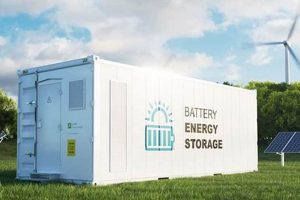
Advancements in battery storage technology are transforming the renewable energy landscape. Improved battery capacity, lifespan, and cost-effectiveness are addressing the intermittency challenges associated with solar and wind power. This creates opportunities for businesses specializing in battery storage solutions, grid-scale energy storage systems, and integrated renewable energy systems with built-in storage. For example, businesses focusing on flow batteries or solid-state batteries are well-positioned to capitalize on the growing demand for reliable energy storage.
- Smart Grid Technologies:
Smart grid technologies are enhancing the efficiency and reliability of electricity distribution. These technologies enable real-time monitoring, demand-side management, and integration of distributed renewable energy resources. Businesses developing smart grid solutions, advanced metering infrastructure, and grid management software are poised for growth in a world increasingly reliant on decentralized renewable energy generation. For instance, companies specializing in AI-powered grid optimization software can contribute to a more resilient and efficient electricity grid.
- Artificial Intelligence and Machine Learning:
Artificial intelligence and machine learning are playing an increasingly important role in optimizing renewable energy systems. AI-powered algorithms can predict energy generation, optimize energy consumption, and improve the efficiency of renewable energy assets. This creates opportunities for businesses developing AI-driven software solutions for predictive maintenance, energy forecasting, and resource optimization. For example, companies developing AI-powered predictive maintenance software for wind turbines can minimize downtime and maximize energy output.
- Advanced Materials and Manufacturing Processes:
Advancements in materials science and manufacturing processes are leading to more efficient and cost-effective renewable energy technologies. New materials, such as perovskite solar cells and advanced wind turbine blade designs, are improving energy conversion efficiency and durability. Businesses specializing in the development and manufacturing of these advanced materials and components are positioned for growth in a market demanding higher performance and lower costs. For example, companies developing lightweight and more durable wind turbine blades can contribute to the growth of the wind energy sector.
Staying abreast of these technological advancements is crucial for identifying the most promising renewable energy business opportunities. Businesses that embrace innovation and adapt to evolving technological trends are better positioned for success in a dynamic and rapidly growing market. By carefully evaluating the technological landscape, entrepreneurs can identify emerging trends, develop innovative solutions, and establish thriving businesses that contribute to a sustainable energy future. Technological innovation serves as a cornerstone of success in the renewable energy sector, driving progress and shaping the best renewable energy businesses of tomorrow.
Frequently Asked Questions
This section addresses common inquiries regarding initiating a venture within the renewable energy sector. Clear and concise responses aim to provide practical insights for aspiring entrepreneurs.
Question 1: What are the most promising renewable energy sectors for new businesses?
The most promising sectors typically align with current market demand, technological advancements, and supportive government policies. Solar, wind, and energy storage solutions often present significant opportunities due to increasing demand and decreasing technology costs. However, niche markets like geothermal or biogas can also be viable, depending on specific regional factors and expertise.
Question 2: How much capital is typically required to start a renewable energy business?
Capital requirements vary significantly depending on the chosen business model and scale of operations. Smaller-scale ventures, such as energy consulting or residential solar installation, may require less capital than large-scale projects like wind farms or solar parks. Thorough financial planning and exploration of diverse funding options are essential.
Question 3: What are the primary challenges faced by startups in the renewable energy industry?
Common challenges include securing funding, navigating complex regulations, managing competition from established players, and adapting to rapidly evolving technologies. Additionally, fluctuating energy prices and public perception can influence market dynamics and pose challenges for new entrants.
Question 4: What are the key success factors for renewable energy businesses?
Key success factors include a deep understanding of the target market, a strong business plan, access to appropriate technology and expertise, effective marketing strategies, and adaptability to changing market conditions and technological advancements. Furthermore, building strong relationships with stakeholders, including government agencies and local communities, is often crucial.
Question 5: What government incentives are available to support renewable energy businesses?
Incentives vary significantly by region and jurisdiction. Common incentives include tax credits, rebates, grants, feed-in tariffs, and renewable portfolio standards. Consulting with relevant government agencies and industry associations can provide insights into specific programs and eligibility requirements.
Question 6: How can renewable energy businesses contribute to sustainability goals?
Renewable energy businesses directly contribute to reducing greenhouse gas emissions, mitigating climate change, and promoting energy independence. They also create jobs, stimulate local economies, and improve air quality, enhancing overall environmental and societal well-being.
Careful consideration of these frequently asked questions provides a foundational understanding of the opportunities and challenges inherent in the renewable energy sector. This knowledge equips aspiring entrepreneurs to make informed decisions and navigate the complexities of establishing a sustainable and impactful renewable energy business.
For further exploration, the following section provides detailed insights into specific renewable energy business models.
Conclusion
Identifying the optimal renewable energy business requires careful evaluation of market dynamics, startup costs, scalability potential, competitive landscapes, regulatory environments, and technological advancements. Careful consideration of these factors allows for informed decisions and strategic planning. No single “best” business exists universally; rather, the optimal choice depends on specific circumstances, resources, and entrepreneurial vision. Thorough due diligence and adaptability are essential for navigating the complexities of the renewable energy sector.
The renewable energy sector presents significant opportunities for innovation, economic growth, and environmental stewardship. As the global transition towards sustainable energy accelerates, strategic investments in renewable energy businesses hold the potential to reshape the energy landscape and contribute to a more sustainable future. The path forward requires careful planning, informed decision-making, and a commitment to innovation, driven by the pursuit of a cleaner, more secure, and sustainable energy future for all.