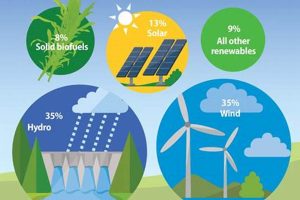
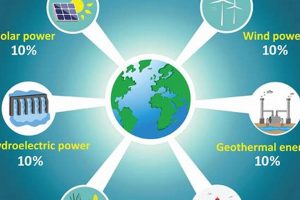
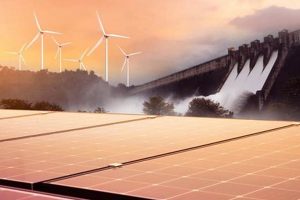
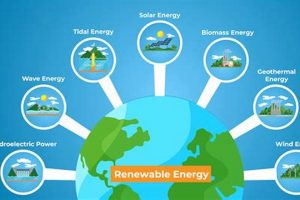
Harnessing power from naturally replenishing resources presents a sustainable alternative to traditional fossil fuels. These resources, unlike finite reserves, are continuously replenished by natural processes, offering a long-term energy solution. Sunlight, wind, water flow, geothermal heat, and biomass are examples of this environmentally conscious approach to energy production.
The adoption of sustainable power generation methods is paramount for mitigating climate change, reducing dependence on imported fuels, and fostering energy security. Historically, utilizing these sources has been limited by technological constraints and cost considerations. However, advancements in technology and growing environmental awareness have spurred significant investment and innovation in this sector, making them increasingly viable and economically competitive.
The following sections will delve into the specific technologies, applications, and future prospects of various sustainable power generation methods. We will examine the potential and limitations of each approach, analyzing their contribution to a cleaner and more sustainable energy future.
Optimizing Investments in Sustainable Energy Technologies
The subsequent guidelines are designed to inform strategic decisions regarding investment in and implementation of sustainable energy technologies. These recommendations are based on current technological advancements, market trends, and environmental considerations.
Tip 1: Diversify Energy Portfolio: Do not rely solely on a single energy generation method. Combining solar, wind, and geothermal resources can mitigate the variability inherent in each source, ensuring a more stable energy supply. For example, solar power generation can be complemented by geothermal during nighttime hours.
Tip 2: Prioritize Energy Storage Solutions: Address the intermittent nature of several energy generation methods by incorporating advanced energy storage systems. Battery technology, pumped hydro storage, and thermal energy storage can effectively store surplus energy for later use, enhancing grid stability and reliability.
Tip 3: Focus on Grid Modernization: Investment in smart grid technologies is essential to integrate distributed sustainable energy sources efficiently. Advanced metering infrastructure, real-time monitoring systems, and dynamic pricing mechanisms can optimize energy distribution and reduce transmission losses.
Tip 4: Support Research and Development: Continuous advancement in sustainable energy technology is crucial. Allocate resources to research institutions and companies developing innovative solutions, such as improved solar cell efficiency, enhanced wind turbine designs, and cost-effective energy storage materials.
Tip 5: Implement Supportive Policies: Governments and regulatory bodies play a crucial role in fostering the adoption of sustainable energy technologies. Implement policies such as feed-in tariffs, tax incentives, and carbon pricing mechanisms to create a favorable investment climate and encourage widespread adoption.
Tip 6: Conduct Thorough Site Assessments: Before implementing a sustainable energy project, perform comprehensive site assessments to evaluate resource availability, environmental impact, and grid connectivity. This ensures optimal project performance and minimizes potential risks. For example, assessing wind patterns and solar irradiance before selecting a location for a renewable energy power plant.
Tip 7: Consider Life Cycle Costs: Evaluate the total cost of ownership, including initial investment, operation and maintenance, and decommissioning, when comparing different technologies. While some options may have higher upfront costs, they may offer lower long-term expenses and environmental impact.
Adhering to these recommendations can significantly improve the efficiency and effectiveness of investment in sustainable energy technologies, leading to a more sustainable and resilient energy future. They can optimize resource management and reduce the environmental effect.
The next section of this article will further analyze specific strategies for integrating sustainable energy generation into existing infrastructure and addressing potential challenges in the implementation process.
1. Solar irradiance

Solar irradiance, defined as the power per unit area received from the Sun in the form of electromagnetic radiation, is a primary driver for several possible renewable energy sources. Its magnitude directly influences the energy generation potential of solar photovoltaic (PV) systems and solar thermal technologies. Variations in solar irradiance, caused by factors such as geographical location, time of day, and atmospheric conditions, necessitate careful consideration when planning and implementing solar energy projects. For instance, regions with high average solar irradiance, such as the southwestern United States or desert areas globally, offer significantly greater energy yields from solar installations compared to locations with lower irradiance levels.
The intensity of solar irradiance dictates the efficiency and output of both PV and thermal systems. In PV systems, higher irradiance levels generate a greater flow of electrons, increasing electricity production. Solar thermal technologies, which concentrate sunlight to heat fluids for electricity generation or direct heating applications, also benefit from increased irradiance, leading to higher temperatures and more efficient energy conversion. The practical significance of this understanding lies in the ability to accurately predict energy production potential, optimize system design, and ultimately, reduce the cost of solar energy.
In summary, solar irradiance is a fundamental input parameter for solar energy systems, influencing their performance and economic viability. Challenges related to the variability of solar irradiance, such as cloud cover and seasonal changes, can be mitigated through energy storage solutions and grid integration strategies. A comprehensive understanding of solar irradiance patterns is therefore essential for the successful deployment and utilization of solar energy as a vital component of a diversified sustainable energy portfolio. The importance of this knowledge extends to grid planning, and smart system design within all systems.
2. Wind Patterns

Wind patterns, the prevailing directions and intensities of air movement across geographical regions, are a crucial determinant in the viability and efficiency of wind energy as a source. The consistent and predictable nature of these patterns is paramount to maximizing energy capture from wind turbines.
- Geographical Influence on Wind Regimes
The Earth’s geography, including landforms like mountains, plains, and coastal areas, significantly shapes wind regimes. Mountain ranges can funnel wind, increasing its velocity, while coastal regions often experience consistent sea breezes. Understanding these regional variations allows for the strategic placement of wind farms in areas with the highest and most reliable wind resources. Failure to account for these geographic factors can result in suboptimal energy production and reduced return on investment.
- Atmospheric Pressure Gradients and Wind Formation
Differences in atmospheric pressure create the force that drives wind. High-pressure systems tend to produce sinking air and diverging winds, while low-pressure systems draw in air and create converging winds. The greater the pressure difference between two areas, the stronger the wind. Analyzing pressure gradients helps forecast wind speeds and directions, aiding in the effective management of wind energy generation. The correlation between atmospheric pressure patterns and wind energy availability necessitates advanced meteorological modeling for optimal resource utilization.
- Seasonal Variations in Wind Availability
Wind patterns often exhibit seasonal variations due to changes in temperature gradients and atmospheric circulation. Some regions experience higher wind speeds during specific times of the year, impacting the consistency of energy production from wind turbines. Taking these seasonal trends into account is essential for grid integration strategies and energy storage planning. For instance, areas with high winter wind speeds may require storage solutions to manage surplus energy during periods of lower demand.
- Wind Turbine Technology and Adaptability
The design and technology of wind turbines must be adaptable to different wind regimes. Turbines designed for low wind speed areas differ significantly from those intended for high wind speed locations. Advanced blade designs, yaw control systems, and pitch control mechanisms are used to optimize energy capture across a range of wind conditions. The successful implementation of wind energy relies on selecting turbine technology that matches the specific characteristics of the prevailing wind patterns in a given location.
In summary, the relationship between wind patterns and sustainable power generation is intricately linked, necessitating thorough analysis and strategic planning. Comprehensive understanding of geographic influences, atmospheric pressure gradients, seasonal variations, and turbine technology enhances the efficiency and reliability of this source. Proper management can optimize the process, minimize the environmental footprint, and maximize its contribution to a diversified energy future.
3. Hydropower potential

Hydropower potential represents a significant segment within the spectrum of possible renewable energy sources. It leverages the gravitational force of water to drive turbines and generate electricity, offering a well-established and, in many cases, cost-effective solution for power generation.
- Geographic and Topographical Influences
The viability of hydropower projects is heavily dependent on specific geographic and topographical features. Regions with substantial elevation differences and reliable water sources, such as mountainous areas with consistent rainfall or snowmelt, possess higher hydropower potential. The construction of dams and reservoirs is often necessary to create the head of water required for efficient power generation. However, the environmental and social impacts of such infrastructure must be carefully considered.
- Types of Hydropower Systems
Hydropower systems encompass a range of configurations, including large-scale dams with reservoirs, run-of-river projects, and pumped storage facilities. Large dams offer substantial energy storage capacity but can have significant environmental consequences, such as altering river ecosystems and displacing communities. Run-of-river projects divert a portion of a river’s flow to generate electricity, minimizing the need for large reservoirs. Pumped storage facilities pump water to a higher elevation during periods of low electricity demand and release it to generate power during peak demand, serving as a valuable grid stabilization resource.
- Environmental Considerations and Mitigation Strategies
Hydropower projects can have profound environmental impacts, including alterations to water flow, sediment transport, and aquatic habitats. Mitigation strategies, such as fish ladders to facilitate fish passage, minimum flow requirements to maintain river health, and careful reservoir management, are essential to minimize these impacts. Furthermore, the decommissioning of dams and the restoration of river ecosystems are increasingly recognized as important aspects of sustainable hydropower development.
- Economic and Social Implications
Hydropower projects can provide significant economic benefits, including electricity generation, flood control, irrigation water, and recreational opportunities. However, they can also have negative social consequences, such as the displacement of communities, the loss of cultural heritage, and the disruption of traditional livelihoods. A thorough assessment of the economic and social impacts of hydropower projects is essential to ensure equitable and sustainable development.
In conclusion, hydropower potential represents a substantial opportunity within the domain of possible renewable energy sources. Its successful implementation requires careful consideration of geographic factors, technological choices, environmental impacts, and socioeconomic consequences. A balanced approach that prioritizes environmental sustainability, social equity, and economic efficiency is crucial for harnessing the full potential of hydropower while minimizing its adverse effects. The application of these values and data will continue to optimize sustainable energy.
4. Geothermal gradients

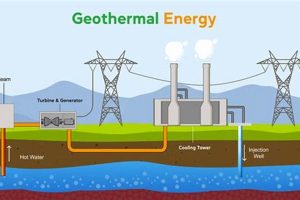
Geothermal gradients, defined as the rate of increase in temperature with respect to increasing depth in the Earths interior, are fundamental to geothermal energy, a critical form of a possible renewable energy source. The Earths internal heat, primarily generated from radioactive decay, creates these temperature differences, enabling the extraction of thermal energy for various applications. Without the existence of these thermal variations, geothermal energy utilization would be fundamentally impossible. The higher the gradient, the shallower the depth at which usable temperatures are found, reducing drilling costs and increasing the economic viability of geothermal projects. For example, in Iceland, with its high geothermal gradients due to volcanic activity, geothermal energy provides a substantial portion of the country’s electricity and heating needs. This stands in contrast to regions with lower gradients, where deep drilling is required, potentially making geothermal projects less economically attractive.
Geothermal gradients directly influence the type and efficiency of geothermal energy systems. High-temperature geothermal resources, typically found in regions with high gradients, can be used to generate electricity through traditional steam turbines. Lower-temperature resources, accessible in areas with lower gradients or at shallower depths, can be used for direct-use applications such as district heating, aquaculture, and greenhouse heating. The choice of technology is, therefore, dictated by the temperature of the geothermal resource, which is directly related to the geothermal gradient. Moreover, enhanced geothermal systems (EGS), which involve creating artificial fractures in hot, dry rocks to extract heat, rely heavily on understanding the underlying geothermal gradient to optimize fracture placement and heat extraction rates. The practical significance of this understanding lies in the ability to accurately assess the geothermal potential of a region and design appropriate extraction strategies.
In summary, geothermal gradients are the engine driving geothermal energy as a viable renewable source. They dictate the accessibility, temperature, and ultimately, the economic feasibility of harnessing Earth’s internal heat. While challenges remain in accurately mapping geothermal gradients and developing cost-effective extraction technologies, ongoing research and technological advancements continue to expand the potential of geothermal energy. Understanding and effectively utilizing these gradients are crucial for diversifying energy portfolios, reducing reliance on fossil fuels, and mitigating climate change. They are critical for optimizing resource management and minimizing the environmental consequences of all energy sources.
5. Biomass availability

Biomass availability constitutes a critical factor in evaluating the feasibility and sustainability of biomass-derived energy as a component of possible renewable energy sources. The accessibility, quantity, and type of biomass resources significantly influence the scale, economics, and environmental impact of bioenergy projects. The subsequent points delineate the key aspects of biomass availability.
- Agricultural Residues and Crop Production
Agricultural residues, such as corn stover, wheat straw, and rice husks, represent a substantial source of biomass. Their availability is directly tied to agricultural practices and crop yields. Efficient collection, storage, and transportation of these residues are crucial for their utilization in bioenergy production. Inefficient harvesting practices or competing uses for these materials, such as soil amendment or animal feed, can limit their availability for energy generation.
- Forestry Resources and Sustainable Harvesting
Forestry resources, including wood chips, logging residues, and dedicated energy crops like willow and poplar, offer another avenue for biomass production. Sustainable forestry practices are essential to ensure the long-term availability of these resources without depleting forest ecosystems. Overharvesting or unsustainable logging practices can lead to deforestation, soil erosion, and biodiversity loss, negating the environmental benefits of bioenergy. Certification schemes and responsible forest management plans are vital for maintaining the sustainability of forestry-derived biomass.
- Dedicated Energy Crops and Land Use Considerations
Dedicated energy crops, specifically cultivated for bioenergy production, can provide a reliable and consistent source of biomass. However, land use considerations are paramount to avoid competition with food production and to minimize environmental impacts. Selecting appropriate energy crops that require minimal inputs (water, fertilizer, pesticides) and that can be grown on marginal lands is crucial for sustainable biomass production. The conversion of natural habitats to energy crop plantations can lead to habitat loss, biodiversity decline, and increased greenhouse gas emissions if not carefully managed.
- Waste Streams and Resource Recovery
Organic waste streams, including municipal solid waste, sewage sludge, and food processing residues, represent a significant untapped source of biomass. Utilizing these waste materials for energy production can reduce landfill volumes, mitigate methane emissions, and recover valuable resources. Efficient waste collection and sorting systems are necessary to ensure the quality and consistency of waste-derived biomass. Furthermore, advanced conversion technologies are required to process these heterogeneous feedstocks into usable energy products.
The effective integration of biomass into the renewable energy landscape necessitates a comprehensive understanding of the factors governing its availability. Sustainable sourcing practices, efficient supply chain management, and advanced conversion technologies are essential to maximize the potential of biomass as a component of possible renewable energy sources. Comprehensive analysis of the various types of bioenergy can significantly optimize resource management and minimize the environmental consequences.
6. Tidal forces

Tidal forces, arising from the gravitational interactions between celestial bodies, primarily the Earth, Moon, and Sun, present a predictable and consistent source of energy. Exploitation of these forces can contribute to diversifying the portfolio of possible renewable energy sources and enhancing energy security.
- Tidal Range and Energy Potential
The difference in height between high and low tides, known as the tidal range, directly correlates with the energy potential of a location. Areas with large tidal ranges, such as the Bay of Fundy in Canada, are prime candidates for tidal energy extraction. The greater the tidal range, the more energy can be harnessed per tidal cycle. Understanding tidal range patterns is crucial for site selection and technology deployment in tidal energy projects.
- Tidal Stream Energy
Tidal stream energy focuses on harnessing the kinetic energy of flowing tidal currents. Similar to wind turbines, underwater turbines are deployed in areas with strong tidal currents to generate electricity. These currents are predictable and consistent, offering a reliable source of power. Examples include the Pentland Firth in Scotland, a location with exceptionally strong tidal streams. The effectiveness of tidal stream energy relies on accurate mapping of tidal current velocities and the development of robust underwater turbine technology.
- Tidal Barrages and Environmental Impact
Tidal barrages involve constructing a dam across an estuary or bay to create a reservoir. During tidal cycles, water flows through turbines in the barrage to generate electricity. While tidal barrages can generate significant amounts of power, they can also have substantial environmental impacts, including altering tidal flow patterns, affecting sediment transport, and disrupting aquatic ecosystems. Careful environmental assessments and mitigation strategies are essential for minimizing the negative consequences of tidal barrage projects.
- Emerging Technologies and Future Prospects
Innovative technologies, such as tidal kites and dynamic tidal power, are being developed to improve the efficiency and reduce the environmental impact of tidal energy extraction. Tidal kites use hydrodynamic lift to generate electricity from tidal currents, while dynamic tidal power involves constructing long dams perpendicular to the coast to create a difference in water level and generate power. These emerging technologies hold the potential to expand the range of locations suitable for tidal energy development and to enhance the competitiveness of tidal energy compared to other sources.
The consistent and predictable nature of tidal forces makes tidal energy a valuable addition to the range of possible renewable energy sources. While challenges remain in terms of technology development, environmental impact mitigation, and cost reduction, ongoing research and innovation continue to advance the prospects of tidal energy as a sustainable and reliable energy source. Proper analyses and execution may expand tidal forces’ use cases.
7. Wave energy
Wave energy, an often-overlooked segment within the portfolio of possible renewable energy sources, harnesses the mechanical power of ocean surface waves to generate electricity. Its potential lies in the vastness of the world’s oceans and the continuous motion of waves, driven by wind and other atmospheric forces. This source represents a considerable, yet largely untapped, resource for sustainable power generation.
- Wave Height and Energy Flux
Wave height, the vertical distance between a crest and a trough, directly influences energy flux, the rate at which energy is transmitted through a given area. Higher waves contain more energy, making regions with consistent and significant wave heights prime locations for wave energy converters. For example, the Atlantic coastlines of Europe and North America experience substantial wave activity, making them suitable for wave energy projects. Accurate assessment of wave height patterns is essential for estimating the energy yield of potential wave energy sites.
- Types of Wave Energy Converters (WECs)
Various technologies exist for converting wave energy into electricity. Point absorbers utilize the vertical motion of waves to drive a piston or pump. Oscillating water columns use waves to compress air, which then drives a turbine. Overtopping devices capture waves in a reservoir and release the water through turbines. Each type of WEC has its advantages and disadvantages in terms of efficiency, cost, and suitability for different wave conditions. The selection of appropriate WEC technology depends on the specific characteristics of the wave resource and the intended application.
- Environmental Considerations and Impacts
Wave energy projects can have environmental impacts, including potential effects on marine ecosystems, navigation, and coastal processes. Careful site selection, technology design, and monitoring are crucial for minimizing these impacts. Concerns include noise pollution from WECs, potential entanglement of marine life, and alterations to sediment transport patterns. Comprehensive environmental impact assessments are necessary to ensure the sustainable development of wave energy resources.
- Grid Integration and Energy Storage
Wave energy, like other intermittent sources, requires effective grid integration strategies and energy storage solutions to ensure a reliable power supply. Connecting wave energy converters to the existing electricity grid necessitates careful planning to manage fluctuations in power output. Energy storage technologies, such as batteries and pumped hydro storage, can help stabilize the electricity supply and meet peak demand. The successful integration of wave energy into the grid depends on advanced control systems and smart grid infrastructure.
The development and deployment of wave energy technologies represent a significant opportunity for diversifying possible renewable energy sources. While challenges remain in terms of technology maturity, cost competitiveness, and environmental impact mitigation, ongoing research and innovation continue to advance the prospects of wave energy as a sustainable and reliable energy source. Further exploration and implementation of resources can reduce environmental impact.
Frequently Asked Questions
The following questions address common inquiries concerning the viability, practicality, and implications of potential sustainable energy solutions.
Question 1: What constitutes a “possible renewable energy source” beyond commonly recognized options like solar and wind?
A “possible renewable energy source” extends beyond familiar technologies to encompass resources that are naturally replenished but may face technological or economic barriers to widespread adoption. Examples include advanced geothermal techniques, wave energy converters operating in diverse marine environments, and biomass derived from sustainable algae cultivation.
Question 2: How can the intermittency of some energy sources, such as solar and wind, be effectively addressed to ensure grid stability?
Intermittency challenges can be mitigated through a combination of strategies. These include deploying advanced energy storage systems (e.g., pumped hydro, batteries), implementing smart grid technologies to balance supply and demand, geographically diversifying renewable energy installations to reduce localized weather dependencies, and integrating forecasting models to anticipate fluctuations in energy production.
Question 3: What are the primary environmental concerns associated with large-scale hydroelectric projects, and how can they be mitigated?
Environmental concerns include alterations to river ecosystems, obstruction of fish migration, methane emissions from reservoirs, and potential displacement of communities. Mitigation strategies encompass designing fish ladders and bypass channels, managing reservoir water levels to reduce methane production, and implementing comprehensive environmental impact assessments prior to project commencement.
Question 4: What role does government policy play in fostering the development and adoption of sustainable energy technologies?
Government policies are instrumental in creating a favorable investment climate for this specific sustainable energy sector. Feed-in tariffs, tax incentives, carbon pricing mechanisms, research and development funding, and regulatory frameworks that streamline permitting processes can significantly accelerate the deployment of sustainable energy technologies.
Question 5: How can the economic competitiveness of sustainable energy sources be improved relative to traditional fossil fuels?
Improving economic competitiveness involves a multi-faceted approach. This includes continued technological advancements to reduce the cost of sustainable energy technologies, internalizing the external costs of fossil fuels (e.g., pollution, climate change) through carbon pricing, and implementing policies that promote economies of scale in the manufacturing and deployment of sustainable energy infrastructure.
Question 6: What are the long-term implications of transitioning to a predominantly source-based energy system for energy security and geopolitical stability?
A transition to a primarily resource-based energy system can enhance energy security by reducing dependence on imported fossil fuels and diversifying energy supply sources. This can lead to greater geopolitical stability by diminishing the influence of fossil fuel-producing nations and fostering a more decentralized and resilient energy system. But this requires collaboration and global awareness.
In summary, effectively leveraging potential green energy sources necessitates a comprehensive understanding of the technological, economic, environmental, and policy-related factors that influence their viability and deployment. These resources are crucial to a bright future.
The subsequent article sections will delve into specific case studies and examples of successful implementation of these sustainable solutions across diverse geographical locations.
Conclusion
The preceding analysis has surveyed diverse avenues for power generation, spanning from established methods like hydroelectricity to nascent technologies harnessing wave energy and advanced geothermal systems. Each “possible renewable energy source” exhibits unique potential, limitations, and environmental considerations that demand careful evaluation and strategic implementation. Successful integration hinges upon technological advancement, supportive policies, and a comprehensive understanding of local resource availability and environmental impacts. These analyses will become a foundation for the development of future policy.
The transition toward a sustainable energy future necessitates a concerted effort to explore, develop, and deploy a diversified portfolio of viable methods. The long-term viability of society depends on the commitment to continuous innovation and the diligent management of resources to secure a resilient and environmentally responsible energy future. The coming decades will be defined by the actions taken in this critical domain. We are responsible for that outcome.