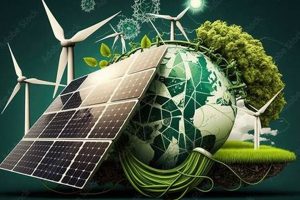
The Iberian Peninsula’s energy landscape is undergoing a significant transformation, with a growing focus on sustainable sources like solar, wind, hydro, and biomass power. For example, vast solar farms harness the abundant sunlight, while wind turbines capture the strong coastal breezes, contributing to a cleaner energy mix. This shift reflects a global trend toward decarbonization and energy independence.
This transition to cleaner energy sources offers numerous advantages, including reduced greenhouse gas emissions, decreased reliance on fossil fuel imports, and the creation of new jobs in the burgeoning green energy sector. Historically, the country has relied heavily on conventional energy sources, but increasing environmental awareness and favorable government policies have accelerated the adoption of sustainable alternatives. This commitment to a cleaner future positions the nation as a key player in the global fight against climate change and enhances its energy security.
The following sections will explore the various facets of this evolving energy sector in greater detail, examining specific technologies, government policies, economic impacts, and future prospects for sustainable power generation.
Tips for Businesses Investing in Sustainable Iberian Energy
Navigating the dynamic landscape of sustainable energy in Spain requires careful consideration of various factors. These tips provide guidance for businesses seeking to invest in or benefit from this burgeoning sector.
Tip 1: Understand Regional Variations: Solar resources are particularly strong in the south, while wind potential is higher in coastal and northern regions. Thorough resource assessment is crucial for project siting.
Tip 2: Leverage Government Incentives: Explore available subsidies, tax breaks, and other financial incentives designed to promote renewable energy projects.
Tip 3: Partner with Local Expertise: Collaborating with established Spanish companies can provide valuable insights into market dynamics, regulatory frameworks, and community engagement.
Tip 4: Consider Grid Integration: Ensure projects align with existing grid infrastructure and explore opportunities for grid modernization to maximize efficiency and reliability.
Tip 5: Prioritize Sustainability Throughout the Supply Chain: From sourcing materials to project decommissioning, incorporate sustainable practices to minimize environmental impact and enhance social responsibility.
Tip 6: Engage with Local Communities: Open communication and collaboration with local communities are essential for building trust and securing project acceptance.
Tip 7: Monitor Regulatory Changes: Stay informed about evolving energy policies and regulations to adapt strategies and ensure long-term project viability.
By considering these key factors, businesses can effectively contribute to and benefit from the growth of sustainable power generation in the region, fostering a more secure and environmentally responsible energy future.
The insights provided here offer a foundation for successful engagement with this evolving market. Further research and due diligence are recommended for specific investment decisions.
1. Solar Power

Solar power plays a pivotal role in Spain’s renewable energy landscape. The country’s abundant sunshine, particularly in the southern regions, provides an ideal environment for harnessing solar energy. This natural advantage has led to significant investments in photovoltaic (PV) and concentrated solar power (CSP) installations. Large-scale solar farms, such as the Nez de Balboa solar plant in Extremadura, contribute significantly to the national grid, demonstrating the practical viability of solar energy as a major power source. The growth of solar power reduces reliance on fossil fuels and contributes to Spain’s emissions reduction targets.
The increasing affordability of solar technology, coupled with supportive government policies, has further accelerated the adoption of solar power. Feed-in tariffs and other incentives have encouraged both large-scale projects and smaller rooftop installations. This decentralized generation model empowers individuals and businesses to become active participants in the energy transition, fostering a more resilient and distributed energy system. Moreover, the solar sector generates employment opportunities in manufacturing, installation, and maintenance, contributing to economic growth and diversification.
Despite the significant progress, challenges remain. Intermittency, the fluctuating nature of solar power generation dependent on sunlight availability, requires effective grid management strategies and energy storage solutions. Land use considerations and environmental impacts must also be carefully addressed. However, ongoing technological advancements in energy storage and grid integration are paving the way for a future where solar power becomes an even more integral component of Spain’s sustainable energy mix, contributing to a cleaner and more secure energy future.
2. Wind Energy

Wind energy constitutes a significant component of Spain’s renewable energy strategy. The country’s diverse geography, including extensive coastlines and mountainous regions, provides favorable conditions for wind power generation. Harnessing this natural resource reduces reliance on fossil fuel imports and contributes to national emissions reduction targets. The development of onshore and offshore wind farms, such as the Garoa wind farm in Burgos and the Wikinger offshore wind farm in the Baltic Sea (while not directly in Spain, it demonstrates Spanish companies’ involvement in offshore wind), showcases the growing capacity and technological advancements within the Spanish wind energy sector.
The economic impact of wind energy is substantial. The sector creates jobs in manufacturing, installation, maintenance, and research. Furthermore, investment in wind energy stimulates local economies and fosters technological innovation. For instance, Spanish companies are actively involved in the development of advanced wind turbine technology and grid integration solutions. The integration of wind power into the national grid requires careful planning and management to address the intermittency of wind resources. Advanced forecasting models and grid balancing mechanisms are essential for ensuring grid stability and reliability.
While wind energy offers significant benefits, careful consideration of potential environmental and social impacts is crucial. Proper siting of wind farms is essential to minimize impacts on wildlife, landscapes, and local communities. Ongoing research and development focus on mitigating these impacts through innovative turbine designs, noise reduction technologies, and careful site selection processes. Wind energy’s continued growth reinforces its crucial role in Spain’s transition to a sustainable energy future, contributing to a more secure and environmentally responsible energy mix.
3. Hydroelectric Generation

Hydroelectric generation represents a cornerstone of Spain’s renewable energy portfolio, leveraging the country’s topography and water resources. This established technology provides a significant contribution to the nation’s electricity supply, offering a reliable and controllable source of renewable energy. Unlike solar and wind power, hydroelectric generation is not dependent on fluctuating weather conditions, offering a stable baseload power source crucial for grid stability. The Aldeadvila Dam, located on the Duero River, stands as a prominent example of large-scale hydroelectric generation in Spain, showcasing the potential of this technology to contribute significantly to national energy needs.
The role of hydroelectric generation extends beyond electricity production. Hydroelectric reservoirs play a vital role in water management, providing water storage for irrigation, flood control, and drought mitigation. These multi-purpose projects offer significant socio-economic benefits, supporting agricultural activities and enhancing water security. However, the environmental and social impacts of large dams must be carefully considered. Altering river flows can affect aquatic ecosystems and downstream communities. Therefore, sustainable hydroelectric development necessitates careful planning, environmental impact assessments, and mitigation strategies to minimize ecological disruption. Smaller-scale “run-of-river” hydroelectric projects, which generate electricity without large reservoirs, offer a less impactful alternative in certain locations.
While hydroelectric generation faces challenges related to environmental impacts and geographic limitations, it remains a vital component of Spain’s renewable energy strategy. Balancing the benefits of clean energy generation with ecological considerations is essential for the continued sustainable development of hydropower. Ongoing research and development focus on optimizing turbine efficiency, improving fish passage systems, and implementing adaptive management strategies to minimize environmental impacts and maximize the long-term benefits of this valuable renewable energy source.
4. Biomass Utilization
Biomass utilization represents a growing component of Spain’s renewable energy mix, offering a sustainable alternative to fossil fuels by converting organic matter into usable energy. This process contributes to a circular economy, reducing waste and promoting resource efficiency. Utilizing biomass for energy generation diversifies Spain’s renewable energy portfolio and contributes to national renewable energy targets, furthering the country’s commitment to decarbonization.
- Agricultural Residues:
Spain’s significant agricultural sector generates substantial amounts of biomass, including crop residues like straw and olive pits. These residues can be utilized for energy production through processes like anaerobic digestion or direct combustion, reducing reliance on fossil fuels while also managing agricultural waste. This approach provides an additional revenue stream for farmers and contributes to rural development.
- Forestry Residues:
Sustainable forest management practices generate wood chips, sawdust, and other woody biomass that can be used as fuel for electricity generation or heating. Utilizing these residues reduces the risk of forest fires and promotes healthy forest ecosystems while providing a renewable energy source. This contributes to both environmental protection and economic development in forested regions.
- Dedicated Energy Crops:
Cultivating dedicated energy crops, such as fast-growing trees and grasses, provides a sustainable source of biomass specifically for energy production. These crops can be grown on marginal lands, minimizing competition with food crops and maximizing land use efficiency. Research and development efforts focus on optimizing crop yields and developing efficient conversion technologies.
- Biogas Production:
Anaerobic digestion of organic waste, including agricultural and municipal waste, produces biogas, a mixture of methane and carbon dioxide. Biogas can be used for electricity generation, heating, or as a transportation fuel, offering a versatile and sustainable energy source. This process reduces landfill waste, minimizes greenhouse gas emissions, and contributes to a more circular economy.
The increasing utilization of biomass resources strengthens Spain’s renewable energy sector, offering a pathway to reduce greenhouse gas emissions, enhance energy security, and stimulate rural development. Continued research and development in biomass conversion technologies, coupled with supportive policies, will further optimize the use of this valuable renewable resource, contributing to a more sustainable and resilient energy future for Spain. Furthermore, integrating biomass utilization with other renewable energy sources creates a more diversified and reliable energy system, less susceptible to fluctuations in individual resources like solar or wind.
5. Government Policies
Government policies play a crucial role in shaping the trajectory of renewable energy development in Spain. These policies influence investment decisions, technological advancements, and the overall market penetration of renewable energy sources. A stable and supportive regulatory framework is essential for attracting investment and fostering long-term growth in the sector. For example, the Spanish government’s commitment to the European Union’s renewable energy targets has led to the implementation of various policy mechanisms, including feed-in tariffs, auctions for renewable energy projects, and tax incentives for renewable energy investments. These policies have directly contributed to the significant growth of solar and wind power capacity in recent years. Furthermore, policies promoting grid modernization and energy storage solutions are crucial for integrating variable renewable energy sources into the national grid effectively.
The evolution of government policies reflects a growing awareness of the importance of renewable energy in addressing climate change, enhancing energy security, and promoting economic development. The National Integrated Energy and Climate Plan (PNIEC) outlines Spain’s long-term strategy for decarbonizing the energy sector and achieving a high penetration of renewable energy. This plan sets ambitious targets for renewable energy deployment and includes specific policy measures to support their achievement. The practical significance of these policies lies in their ability to create a favorable market environment for renewable energy technologies, incentivize innovation, and drive the transition towards a more sustainable energy system. For instance, government support for research and development in areas such as energy storage and smart grids is crucial for overcoming the technical challenges associated with integrating high levels of variable renewable energy.
Navigating the complexities of the energy market requires adaptive and forward-looking policies. Addressing challenges such as grid integration, permitting procedures, and public acceptance of renewable energy projects requires ongoing policy adjustments and stakeholder engagement. The long-term success of Spain’s renewable energy transition depends on the continued commitment to supportive government policies that foster innovation, attract investment, and ensure a just and equitable transition for all stakeholders. Creating a predictable and stable regulatory environment provides investors with the confidence needed to deploy capital in long-term renewable energy projects, contributing to a more secure and sustainable energy future for Spain.
Frequently Asked Questions about Renewable Energy in Spain
This section addresses common inquiries regarding the renewable energy sector in Spain, providing concise and informative responses.
Question 1: What is the current contribution of renewable energy to Spain’s electricity mix?
Renewable energy sources contribute a substantial and growing portion of Spain’s electricity generation, with figures varying depending on weather conditions and seasonal factors. Official sources, such as Red Elctrica de Espaa (REE), provide the most up-to-date and accurate data on the current electricity mix.
Question 2: What are the primary challenges facing the renewable energy sector in Spain?
Key challenges include grid integration of variable renewable sources like solar and wind, ensuring sufficient energy storage capacity, streamlining permitting processes for new projects, and addressing potential environmental and social impacts.
Question 3: How does the Spanish government support renewable energy development?
Government support includes financial incentives such as feed-in tariffs and auctions for renewable energy projects, regulatory frameworks promoting grid modernization and energy storage, and long-term targets for renewable energy deployment outlined in the National Integrated Energy and Climate Plan (PNIEC).
Question 4: What are the economic benefits of investing in renewable energy in Spain?
Economic benefits include job creation in manufacturing, installation, maintenance, and research, stimulating local economies, reducing reliance on fossil fuel imports, and fostering technological innovation in the renewable energy sector.
Question 5: How does renewable energy contribute to Spain’s climate change goals?
Renewable energy sources significantly reduce greenhouse gas emissions compared to fossil fuels, contributing to Spain’s commitments under the Paris Agreement and the European Union’s climate targets. The displacement of fossil fuel-based electricity generation with renewable sources plays a key role in decarbonizing the power sector.
Question 6: What is the future outlook for renewable energy in Spain?
The outlook remains positive, driven by declining costs of renewable energy technologies, supportive government policies, and growing public awareness of the importance of sustainable energy. Continued innovation in energy storage and grid integration technologies will further enhance the role of renewables in Spain’s energy future.
Understanding these key aspects of Spain’s renewable energy landscape provides a solid foundation for informed decision-making and further exploration of specific areas of interest.
For more in-depth information, consult official government resources and industry publications.
The Future of Sustainable Power
This exploration has highlighted the multifaceted nature of Spain’s evolving energy landscape. From the sun-drenched plains ideal for solar farms to the windswept coasts powering turbines, the nation’s diverse geography provides a rich tapestry of renewable energy resources. Government policies, technological innovation, and private investment converge to drive the growth of solar, wind, hydro, and biomass energy, reducing reliance on fossil fuels and contributing to a cleaner energy future. Addressing the challenges of grid integration, energy storage, and environmental considerations remains crucial for maximizing the potential of these sustainable resources.
The ongoing energy transition represents a significant opportunity for economic growth, job creation, and technological advancement. Continued investment in research, infrastructure development, and supportive policies will be essential to fully realize the potential of renewable energy in Spain, ensuring a secure, sustainable, and prosperous energy future for generations to come. The nation’s commitment to a cleaner energy future positions it as a key player in the global fight against climate change, demonstrating the transformative power of sustainable energy solutions.