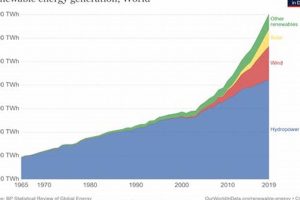
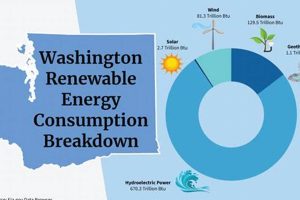
Clean power generation from sources like hydroelectricity, wind, solar, geothermal, and biomass is increasingly prominent in the region encompassing Washington, Oregon, Idaho, and parts of Montana, British Columbia, and Northern California. Hydropower, leveraging the region’s abundant rivers and mountainous terrain, has historically been a dominant source. Supplementing this established base are rapidly expanding wind and solar installations, capitalizing on coastal winds and increasing solar panel efficiency. Geothermal resources, tapped into the earth’s internal heat, and biomass energy, derived from organic matter, also contribute to the diverse energy portfolio.
This shift toward sustainable power offers numerous advantages. Reduced reliance on fossil fuels mitigates greenhouse gas emissions, contributing to cleaner air and a healthier environment. The development and maintenance of these resources create economic opportunities, fostering job growth within the region. Furthermore, diversified energy sources enhance energy independence and security, reducing vulnerability to fluctuating fuel prices and supply disruptions. While hydropower has long served as a cornerstone of regional power, the integration of newer technologies positions the area at the forefront of sustainable energy innovation.
This discussion will further explore the individual components of this diverse energy landscape, examining specific projects, technological advancements, economic impacts, and policy considerations shaping the future of sustainable power in the region.
Tips for Supporting Sustainable Power
Individuals and communities can contribute to the growth and success of clean power generation through informed choices and proactive engagement.
Tip 1: Reduce Energy Consumption: Lowering overall electricity use diminishes demand on the grid and lessens the environmental impact of power generation. This can be achieved through energy-efficient appliances, improved home insulation, and mindful consumption habits.
Tip 2: Support Renewable Energy Providers: Many utilities offer green power programs enabling customers to choose electricity generated from renewable sources. Exploring and subscribing to these programs directly supports further investment in clean energy infrastructure.
Tip 3: Advocate for Policy Changes: Engaging with local and regional governments to advocate for policies that incentivize renewable energy development, such as tax credits, streamlined permitting processes, and renewable portfolio standards, can accelerate the transition to a cleaner energy future.
Tip 4: Invest in Renewable Energy Technologies: For homeowners and businesses, investing in solar panels, geothermal heat pumps, or other renewable energy technologies can reduce reliance on traditional power sources and contribute to a cleaner energy mix.
Tip 5: Stay Informed: Keeping abreast of developments in sustainable energy technologies, policy changes, and local initiatives allows for informed decision-making and effective advocacy efforts.
Tip 6: Support Community Solar and Wind Projects: Participating in community-owned renewable energy projects provides access to clean power for those who may not have the ability to install individual systems, fostering broader community engagement in the clean energy transition.
Tip 7: Reduce, Reuse, Recycle: Embracing the principles of waste reduction minimizes the environmental impact of manufacturing and disposal, indirectly supporting a more sustainable energy system.
By adopting these practices, individuals and communities can actively participate in the transition to a more sustainable energy future, reaping the environmental and economic benefits of clean power generation.
These individual and collective actions are crucial for accelerating the transition to a clean energy economy and ensuring a sustainable future for the region.
1. Hydropower Dominance

Hydropower has historically played a dominant role in the Pacific Northwest’s energy landscape, shaping the region’s approach to renewable energy and influencing its energy infrastructure. Understanding this dominance is crucial for comprehending the current state and future trajectory of sustainable power generation in the area.
- Dam Infrastructure and Energy Generation
The Columbia River Basin, with its extensive network of dams, provides a significant portion of the region’s electricity. Grand Coulee Dam, for instance, stands as a testament to the scale of hydropower development. These dams not only generate electricity but also influence river flow, impacting ecosystems and local communities.
- Economic and Social Impacts
Hydropower has historically provided affordable electricity and supported regional economic development. However, the construction and operation of dams have also had significant environmental and social consequences, including displacement of indigenous populations, habitat alteration, and impacts on salmon migration.
- Environmental Considerations and Mitigation Efforts
Balancing the benefits of hydropower with its environmental impacts presents a complex challenge. Mitigation efforts, such as fish ladders and flow management strategies, aim to reduce the negative effects on aquatic ecosystems. Ongoing research and adaptive management practices are crucial for minimizing environmental harm.
- Integration with Other Renewables
As other renewable energy sources, like wind and solar, become more prevalent, integrating them with existing hydropower infrastructure becomes increasingly important. Hydropower’s ability to provide baseload power and regulate grid stability can complement the intermittent nature of these newer technologies.
Hydropower’s legacy in the Pacific Northwest continues to shape the region’s energy future. While it remains a crucial component of the renewable energy mix, navigating the complexities of its environmental and social impacts, alongside integrating newer renewable technologies, will be essential for achieving a truly sustainable energy future.
2. Wind Energy Potential

The Pacific Northwest possesses significant wind energy potential, particularly along its extensive coastlines and across its elevated eastern plains. Harnessing this potential is a key component of the region’s transition to a more sustainable energy future, complementing existing hydropower resources and contributing to a diversified energy portfolio.
- Coastal Wind Resources
The consistent and strong winds along the Pacific coastline, especially off the coasts of Oregon and Washington, offer prime locations for offshore and onshore wind farms. Projects like the proposed Oregon Coast Wind Farm demonstrate the region’s commitment to exploring this potential. Coastal winds offer a substantial and relatively consistent energy source, particularly during peak demand periods.
- Eastern Plains Wind Development
The Columbia River Gorge and other elevated plains in eastern Washington and Oregon experience strong and predictable winds. Existing wind farms in these areas, such as the Horse Heaven Hills Wind Farm, demonstrate the viability of large-scale wind energy generation. These locations offer vast spaces for wind turbine deployment, contributing significantly to the region’s renewable energy capacity.
- Grid Integration and Transmission Infrastructure
Effectively integrating wind energy into the regional power grid requires robust transmission infrastructure. Investments in new transmission lines and grid modernization efforts are crucial for transporting wind-generated electricity from remote areas to population centers, ensuring reliable power delivery and maximizing the benefits of wind resources.
- Environmental and Community Considerations
While wind energy offers a clean source of power, careful consideration of potential environmental and community impacts is essential. Addressing concerns related to bird and bat mortality, noise pollution, and visual impacts through responsible siting and mitigation strategies is crucial for ensuring sustainable wind energy development.
Capitalizing on the abundant wind resources across the diverse landscapes of the Pacific Northwest is essential for achieving the region’s renewable energy goals. Continued investment in wind energy infrastructure, coupled with strategic grid management and community engagement, will further solidify wind power’s role in a sustainable energy future for the region.
3. Growing Solar Capacity

Expanding solar energy infrastructure is an increasingly important component of the Pacific Northwest’s renewable energy portfolio. While historically less dominant than hydropower, solar power is experiencing significant growth, driven by declining costs, technological advancements, and supportive policies. This growth contributes to a more diversified and resilient energy system.
- Rooftop Solar Installations
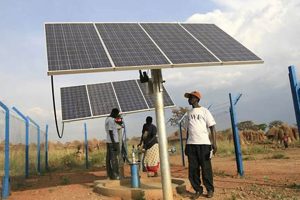
Residential and commercial rooftop solar installations are proliferating across the region, driven by incentives such as net metering programs and declining solar panel costs. These distributed generation sources reduce reliance on centralized power plants and empower individuals and businesses to generate their own clean electricity. For example, programs in Washington state offer incentives for rooftop solar, contributing to increased adoption.
- Utility-Scale Solar Farms
Large-scale solar farms are emerging in areas with ample sunlight and available land, contributing significantly to the region’s overall solar capacity. Projects like the Amazon Solar Farm in Virginia (while not in the PNW, it serves as an example of the scale achievable) demonstrate the potential for utility-scale solar to generate substantial amounts of clean electricity. These projects create jobs and contribute to local economies while reducing carbon emissions.
- Grid Integration and Energy Storage
Integrating solar power into the existing grid requires careful management to address the intermittent nature of solar energy. Energy storage solutions, such as batteries, are becoming increasingly important for storing excess solar energy generated during peak sunlight hours and releasing it during periods of lower production or higher demand. This improves grid stability and reliability, maximizing the benefits of solar power.
- Policy Support and Incentives
Government policies and incentives play a crucial role in driving solar energy growth. Renewable portfolio standards, tax credits, and streamlined permitting processes encourage investment in solar projects and accelerate the transition to a cleaner energy future. Oregon’s Renewable Portfolio Standard, for instance, mandates a certain percentage of electricity from renewable sources, contributing to the growth of solar and other renewables.
The continued expansion of solar capacity in the Pacific Northwest is essential for diversifying the region’s energy mix, reducing reliance on fossil fuels, and achieving its clean energy goals. As technology advances and costs continue to decline, solar power is poised to play an even greater role in powering the region’s future.
4. Geothermal Resources
Geothermal energy, derived from the Earth’s internal heat, represents a valuable yet underutilized component of the Pacific Northwest’s renewable energy portfolio. The region’s geologically active areas offer significant potential for harnessing this clean and consistent energy source, complementing existing hydropower, wind, and solar resources. Tapping into geothermal resources offers a baseload power source, meaning it can provide consistent electricity generation unlike intermittent sources like solar and wind, enhancing grid stability and reliability.
Several geothermal power plants already operate in the region, demonstrating the practical application of this technology. The Newberry Volcano in Oregon, for example, hosts a geothermal power plant, showcasing the potential for generating electricity from volcanic activity. Furthermore, direct-use geothermal applications, such as heating buildings and greenhouses, are increasingly popular, offering cost-effective and environmentally friendly solutions. These applications demonstrate geothermal energy’s versatility and its capacity to address various energy needs, from electricity generation to direct heating applications. Expanding geothermal energy utilization requires overcoming challenges related to exploration, development costs, and potential environmental impacts, such as induced seismicity and land use considerations. However, ongoing research and technological advancements are mitigating these risks and unlocking geothermal energy’s vast potential.
Integrating geothermal energy more effectively into the Pacific Northwest’s energy mix requires strategic planning and investment. Improving transmission infrastructure to connect geothermal resources to population centers is crucial. Further exploration and assessment of geothermal potential across the region are necessary to identify viable development sites. Continued research into enhanced geothermal systems (EGS) could expand the applicability of geothermal technology to areas not traditionally considered geothermal hotspots. Geothermal energy presents a significant opportunity for the Pacific Northwest to further diversify its renewable energy portfolio, reduce greenhouse gas emissions, and enhance energy independence. Capitalizing on this resource requires a concerted effort from policymakers, researchers, and industry stakeholders to overcome existing challenges and unlock the full potential of this valuable clean energy source.
5. Biomass Utilization

Biomass utilization plays a distinct role within the Pacific Northwest’s renewable energy landscape, offering a sustainable pathway for managing organic waste streams and generating clean energy. This process involves converting organic matter, such as agricultural residues, forest byproducts, and dedicated energy crops, into usable energy forms. The region’s abundant forestry and agricultural sectors provide a readily available biomass feedstock, creating opportunities for a closed-loop system where waste products become valuable energy resources. For example, wood waste from lumber mills, traditionally considered a disposal challenge, can be converted into bioenergy, reducing landfill burden and generating renewable electricity or heat. Similarly, agricultural residues like nut shells and orchard prunings can be gasified to produce biogas, a versatile fuel source.
The practical significance of biomass utilization extends beyond waste management. Bioenergy can provide baseload power, complementing intermittent renewable sources like wind and solar and enhancing grid stability. Combined heat and power (CHP) systems, utilizing biomass, offer increased efficiency by simultaneously generating electricity and heat for industrial processes or district heating systems. Furthermore, biomass utilization can contribute to rural economic development by creating jobs in biomass processing and transportation. However, realizing the full potential of biomass energy requires careful consideration of sustainability criteria. Sourcing biomass responsibly is crucial to avoid deforestation, habitat loss, and competition with food production. Sustainable forest management practices and the utilization of dedicated energy crops can ensure a continuous and environmentally sound biomass supply. Additionally, efficient conversion technologies are essential for minimizing emissions and maximizing energy output.
Integrating biomass utilization strategically into the Pacific Northwest’s broader renewable energy strategy offers numerous benefits. It provides a pathway for managing organic waste, diversifies energy sources, and contributes to rural economies. Addressing the challenges related to sustainable sourcing and efficient conversion technologies will be crucial for maximizing the environmental and economic benefits of biomass energy and ensuring its long-term contribution to the region’s clean energy future. Balancing biomass utilization with other renewable energy sources and considering its role within a comprehensive energy strategy will be essential for achieving a truly sustainable energy system.
6. Policy and Incentives

Policies and incentives play a crucial role in shaping the development and adoption of renewable energy technologies in the Pacific Northwest. These mechanisms influence investment decisions, market dynamics, and the overall pace of the clean energy transition. A supportive policy environment can accelerate the deployment of renewable energy projects, while a lack of clear direction or inconsistent policies can hinder progress. Understanding the interplay between policy and renewable energy development is essential for fostering a robust and sustainable energy future in the region. For example, the federal Production Tax Credit (PTC) and Investment Tax Credit (ITC) have historically provided significant financial incentives for wind and solar projects nationwide, including those in the Pacific Northwest. State-level Renewable Portfolio Standards (RPS), such as those in Oregon and Washington, mandate that utilities source a certain percentage of their electricity from renewable sources, creating a market demand for clean energy and driving further investment. Furthermore, state and local governments often offer additional incentives like tax breaks, rebates, and expedited permitting processes to encourage renewable energy development within their jurisdictions. These policies directly impact the financial viability of renewable energy projects, influencing investor confidence and the overall growth of the sector.
The practical significance of these policies lies in their ability to drive tangible outcomes. RPS policies, for instance, have demonstrably increased the deployment of renewable energy projects in states that have implemented them. Financial incentives like the PTC and ITC have reduced the cost of renewable energy technologies, making them increasingly competitive with traditional fossil fuel-based generation. Streamlined permitting processes can significantly reduce the time and cost associated with developing renewable energy projects, accelerating their deployment and contributing to faster emissions reductions. However, policy effectiveness depends on careful design and implementation. Policies must be stable and predictable to provide long-term certainty for investors. Regular evaluation and adjustments are necessary to ensure policies remain aligned with evolving technologies and market conditions. Furthermore, effective policy implementation requires coordination among various levels of government, utilities, and other stakeholders to ensure seamless integration of renewable energy resources into the existing energy system. For example, policies promoting grid modernization are essential to accommodate the increasing penetration of intermittent renewable sources like wind and solar, ensuring grid reliability and maximizing the benefits of these resources. Effective policy also considers equity and access, ensuring that the benefits of renewable energy are distributed fairly and that all communities have access to clean and affordable power.
In conclusion, well-designed policies and incentives are indispensable for driving the growth of renewable energy in the Pacific Northwest. These mechanisms influence investment decisions, market dynamics, and the overall pace of the clean energy transition. Effective policies require careful design, consistent implementation, and ongoing evaluation to ensure they remain aligned with the region’s renewable energy goals and contribute to a sustainable energy future. Addressing challenges related to policy consistency, grid modernization, and equitable access will be crucial for maximizing the benefits of renewable energy and creating a clean, reliable, and affordable energy system for all.
7. Grid Modernization Needs
The increasing reliance on renewable energy sources in the Pacific Northwest necessitates significant grid modernization efforts. Integrating intermittent resources like wind and solar power, while maintaining grid reliability and stability, presents substantial technical challenges. Modernizing the existing grid infrastructure is essential for maximizing the benefits of renewable energy and ensuring a smooth transition to a cleaner energy future. Without adequate grid modernization, the full potential of Pacific Northwest renewable energy resources cannot be realized.
- Enhanced Transmission Capacity
Expanding transmission capacity is crucial for transporting renewable energy generated in remote areas, such as wind farms on the eastern plains or coastal areas, to population centers where demand is highest. Upgrading existing transmission lines and constructing new ones can alleviate congestion and facilitate the efficient delivery of renewable energy across the region. For instance, new transmission lines connecting wind farms in eastern Washington to load centers in western Washington could significantly enhance the utilization of wind power. Increased transmission capacity also enables better integration of diverse renewable resources, balancing intermittency and ensuring reliable power supply.
- Advanced Grid Management Systems
Implementing advanced grid management systems, including smart grid technologies, is essential for optimizing grid operations and accommodating the variability of renewable energy sources. Real-time monitoring, data analytics, and automated control systems can improve grid stability, predict and prevent outages, and facilitate more efficient integration of renewable energy. For example, smart grid technologies can predict fluctuations in solar and wind power output, allowing grid operators to adjust dispatchable generation resources accordingly and maintain a balanced electricity supply. These advanced systems also enable greater consumer participation in energy management through demand response programs, further enhancing grid flexibility and efficiency.
- Energy Storage Solutions
Integrating energy storage solutions, such as batteries and pumped hydro storage, is critical for addressing the intermittent nature of renewable energy sources. Storing excess renewable energy generated during periods of high production and releasing it during periods of low production or peak demand can smooth out fluctuations and ensure a consistent and reliable power supply. For example, battery storage systems paired with solar farms can store excess solar energy generated during the day and release it during the evening peak demand hours, reducing the need for fossil fuel-based peaker plants. Pumped hydro storage can provide large-scale energy storage, utilizing excess renewable energy to pump water uphill and releasing it to generate electricity when needed.
- Distributed Generation Integration
Managing the increasing amount of distributed generation, such as rooftop solar panels, requires grid modernization to ensure seamless integration and avoid stability issues. Advanced metering infrastructure and grid management systems are necessary to monitor and control the bidirectional flow of electricity between distributed generation sources and the grid. For example, smart inverters on rooftop solar systems can communicate with the grid, enabling grid operators to manage voltage fluctuations and ensure grid stability. Integrating distributed generation effectively can enhance grid resilience, reduce transmission losses, and empower consumers to actively participate in the clean energy transition.
These grid modernization efforts are inextricably linked to the successful integration and utilization of renewable energy resources in the Pacific Northwest. Investing in transmission infrastructure, advanced grid management systems, energy storage solutions, and distributed generation integration is essential for maximizing the benefits of the region’s abundant clean energy resources. A modernized grid will enable the Pacific Northwest to achieve its clean energy goals, reduce reliance on fossil fuels, enhance grid reliability, and create a more sustainable energy future. Failure to adequately address these grid modernization needs could limit the growth of renewable energy, hinder the region’s ability to meet its clean energy targets, and compromise the reliability and stability of the electricity supply.
Frequently Asked Questions
Addressing common inquiries regarding sustainable power generation in the Pacific Northwest provides clarity and fosters informed decision-making. The following questions and answers offer insights into key aspects of this evolving energy landscape.
Question 1: What is the primary source of renewable energy in the Pacific Northwest?
Hydropower historically dominates the region’s renewable energy mix, leveraging the abundant water resources of the Columbia River Basin and other watersheds. However, wind, solar, and other renewable sources are rapidly expanding.
Question 2: How does reliance on renewable energy impact grid reliability?
Grid reliability requires careful management of intermittent renewable sources like wind and solar. Grid modernization efforts, including advanced grid management systems and energy storage solutions, are essential for maintaining stability and ensuring a consistent power supply.
Question 3: What are the environmental impacts of hydropower generation in the region?
Hydropower, while considered renewable, can impact aquatic ecosystems through dam construction, altered river flows, and fish migration disruption. Mitigation efforts, such as fish ladders and flow management strategies, aim to minimize these impacts.
Question 4: How can individuals support the growth of renewable energy in the Pacific Northwest?
Individuals can support renewable energy growth by reducing energy consumption, choosing renewable energy options from their utility providers, advocating for supportive policies, and considering investments in residential renewable energy technologies like rooftop solar.
Question 5: What are the economic benefits of transitioning to renewable energy?
Transitioning to renewable energy creates economic opportunities through job growth in renewable energy industries, reduces reliance on volatile fossil fuel markets, and can stimulate local economies through investments in renewable energy projects.
Question 6: What role does biomass energy play in the regional energy mix?
Biomass energy, derived from organic matter like wood waste and agricultural residues, can contribute to a diversified renewable energy portfolio, offering a sustainable way to manage organic waste and generate clean energy. However, responsible sourcing and efficient conversion technologies are crucial for maximizing its environmental benefits.
Understanding these key aspects of renewable energy in the Pacific Northwest empowers informed decision-making and fosters a collective effort towards a sustainable energy future. Continued exploration of these topics is encouraged for deeper comprehension.
Further exploration of specific renewable energy technologies, policy landscapes, and community initiatives will provide a more comprehensive understanding of the region’s clean energy transition.
Pacific Northwest Renewable Energy
Exploration of sustainable power generation across the Pacific Northwest reveals a diverse and evolving energy landscape. Hydropower’s historical dominance is being complemented by the rapid growth of wind and solar power, capitalizing on the region’s abundant natural resources. Geothermal and biomass offer further diversification, contributing to a more resilient and adaptable energy portfolio. Effective grid modernization and supportive policies are crucial for maximizing the benefits of these resources, ensuring seamless integration, and promoting continued growth. Addressing environmental considerations and community impacts remains essential for achieving truly sustainable energy development. The region’s commitment to innovation and technological advancement positions it as a leader in the clean energy transition.
The Pacific Northwest’s pursuit of sustainable power generation represents a significant step toward a cleaner and more secure energy future. Continued investment in renewable energy infrastructure, coupled with informed policy decisions and community engagement, will determine the region’s success in achieving its ambitious clean energy goals. The transition to a sustainable energy system requires a collective effort, fostering collaboration among policymakers, industry stakeholders, researchers, and communities to ensure a vibrant and prosperous future powered by clean energy.