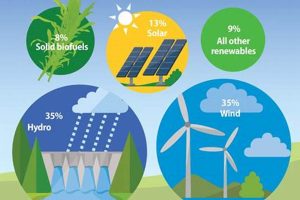
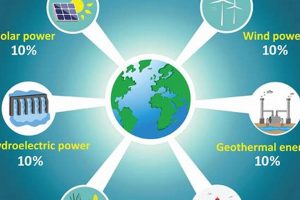
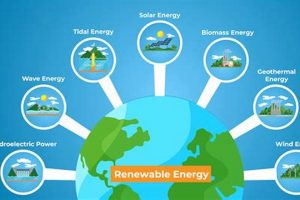
The Central American nation’s power grid benefits significantly from various naturally replenishing resources. These include hydroelectricity generated from its numerous rivers, geothermal energy harnessed from volcanic activity, solar power captured through photovoltaic systems, wind energy converted by turbines, and biomass energy derived from organic matter. A prime example of this is the extensive use of dams and reservoirs to produce electricity, particularly during the rainy season.
The reliance on these resources provides substantial advantages to the country. It reduces dependence on imported fossil fuels, mitigating price volatility and enhancing energy security. Furthermore, it decreases greenhouse gas emissions, contributing to global climate change mitigation efforts and improving air quality. Historically, the government has actively promoted these approaches through supportive policies and investments, resulting in significant progress towards a cleaner energy mix.
Subsequent sections will delve into the specific technologies employed, the economic impact of this energy strategy, the remaining challenges faced, and the future outlook for continued progress in the nation’s transition to sustainable power generation.
Leveraging Renewable Energy Resources
Implementing efficient and effective strategies related to the nation’s natural energy resources requires careful planning and execution. The following points offer guidance for maximizing the benefits and overcoming potential challenges.
Tip 1: Diversify Energy Sources: Avoid over-reliance on a single source, such as hydroelectricity, which can be affected by seasonal variations in rainfall. Integrating geothermal, solar, and wind power reduces vulnerability to climate-related disruptions.
Tip 2: Invest in Grid Modernization: Upgrading transmission infrastructure is crucial for efficiently distributing power generated from dispersed renewable sources. This includes smart grid technologies to manage fluctuations in supply and demand.
Tip 3: Promote Energy Efficiency: Implementing energy-efficient building codes and incentivizing energy conservation practices among consumers can reduce overall demand and lower the need for new generation capacity.
Tip 4: Develop Energy Storage Solutions: Integrating battery storage and pumped hydro storage helps to address the intermittency of solar and wind power, ensuring a stable and reliable energy supply.
Tip 5: Foster Public-Private Partnerships: Encouraging collaboration between government, private companies, and research institutions can accelerate innovation and investment in natural energy infrastructure.
Tip 6: Strengthen Environmental Regulations: Implementing robust environmental impact assessments and monitoring programs helps to minimize the potential negative effects of natural energy projects on ecosystems and biodiversity.
Tip 7: Support Local Communities: Engaging with local communities during the planning and development of natural energy projects is essential for ensuring social acceptance and addressing potential concerns regarding land use and environmental impacts.
Effectively utilizing naturally replenishing power generation relies on a multifaceted approach that encompasses technological innovation, infrastructure development, regulatory frameworks, and community engagement. These considerations are vital for realizing the full potential of a sustainable energy future.
The subsequent discussion will address the long-term sustainability and economic implications of the country’s commitment to environmentally conscious energy generation.
1. Hydroelectric Dominance

Hydroelectricity plays a central role within the portfolio of “costa rica renewable energy sources.” This dominance stems from the nation’s abundant rainfall and mountainous terrain, creating ideal conditions for harnessing river flows to generate electricity. The prevalence of hydroelectric power is not merely a result of geographical advantage; it is a consequence of strategic infrastructure investments and policy decisions made over several decades to prioritize and develop this resource. The ICE (Instituto Costarricense de Electricidad), the national electricity company, has been instrumental in constructing and operating numerous hydroelectric dams, solidifying this energy source’s position. Consequently, hydroelectric plants provide a significant portion of the country’s power supply, especially during the rainy season, impacting the nation’s ability to meet its electricity demands.
The impact of hydroelectric dominance extends beyond mere energy generation. It influences the stability of the electricity grid, energy pricing, and the pace of development of alternative renewable energy technologies. During periods of drought, the reduced water flow impacts the amount of electricity produced, requiring the supplementation of other energy sources. Examples include the Arenal Hydroelectric Project, a large-scale facility that supplies a significant portion of the country’s electricity, and smaller run-of-river projects scattered throughout the country, providing localized power generation. These projects, while contributing to the renewable energy mix, also raise environmental concerns, such as habitat disruption and altered river ecosystems. Balancing the benefits of hydroelectric power with these environmental considerations is a crucial challenge.
In conclusion, hydroelectric dominance is a defining characteristic of “costa rica renewable energy sources.” While its abundance provides a reliable and established source of clean electricity, ongoing challenges involve mitigating environmental impacts and diversifying the energy mix to ensure long-term resilience. Recognizing this dominance and its inherent complexities is crucial for informed decision-making regarding the future of sustainable energy policies and infrastructure development within the country.
2. Geothermal Potential

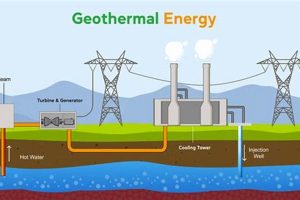
Geothermal energy represents a significant, yet underutilized, component of “costa rica renewable energy sources.” The country’s location within the Pacific Ring of Fire, characterized by intense volcanic activity, endows it with considerable geothermal reserves. This geological context provides a naturally heated underground resource which, when harnessed, can generate electricity with minimal environmental impact compared to fossil fuel alternatives. The direct connection lies in the fact that by tapping into this geothermal reservoir, Costa Rica can further diminish its reliance on hydroelectricity, mitigating the risks associated with seasonal droughts, and enhance the overall sustainability of its energy production.
The Miravalles Geothermal Field serves as a prominent example of the successful integration of geothermal resources. This facility, operated by the ICE (Instituto Costarricense de Electricidad), has been generating electricity for several decades, demonstrating the long-term viability of geothermal technology in the region. Further exploration and development of geothermal resources are imperative for diversifying the energy matrix and reducing dependence on fluctuating rainfall patterns. Investment in enhanced geothermal systems (EGS) and advanced drilling techniques could unlock previously inaccessible reserves, substantially increasing the contribution of geothermal energy to the national power supply. However, this potential is tempered by the initial investment costs associated with geothermal plant construction and the need for careful environmental management to prevent induced seismicity and groundwater contamination.
In conclusion, the realization of “geothermal potential” is crucial for reinforcing “costa rica renewable energy sources.” By strategically leveraging its geological advantages and implementing rigorous environmental safeguards, the nation can significantly enhance its energy independence, reduce its carbon footprint, and strengthen its position as a leader in sustainable energy practices. The future expansion of geothermal energy depends on sustained investment in research, development, and responsible resource management, ensuring that this valuable asset contributes effectively to a cleaner and more resilient energy future.
3. Solar Integration

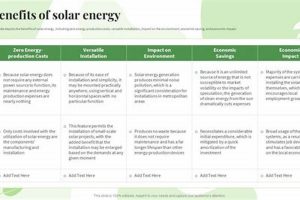
Solar integration represents a growing facet of “costa rica renewable energy sources,” driven by declining costs of photovoltaic (PV) technology and increasing awareness of its potential to diversify the energy mix. Its importance stems from its capacity to supplement hydroelectric and geothermal power, particularly during the dry season when hydroelectric generation declines. Widespread adoption of solar power reduces the nation’s reliance on a single energy source, thereby enhancing energy security and resilience. For instance, residential and commercial rooftop solar installations are becoming increasingly common, supported by government incentives and net metering programs. These smaller-scale deployments contribute significantly to overall solar capacity and promote distributed energy generation, reducing transmission losses.
Further examples of solar integration include utility-scale solar farms, which are gradually expanding to provide a larger share of the nation’s electricity. These facilities, often located in areas with high solar irradiance, feed directly into the national grid, augmenting the baseload power supply. Moreover, solar-powered water heating systems are also gaining traction in residential and commercial sectors, further reducing the demand on the electrical grid and lowering energy costs for consumers. Successful integration requires not only the deployment of solar PV systems but also the modernization of the grid infrastructure to accommodate the intermittent nature of solar power. Investment in smart grid technologies, energy storage solutions, and demand-side management programs are crucial for maximizing the benefits of solar energy.
In summary, “solar integration” plays a vital role in fortifying “costa rica renewable energy sources.” By diversifying the energy portfolio and enhancing grid resilience, solar power contributes to a more sustainable and secure energy future. Addressing challenges related to intermittency, grid integration, and initial investment costs will be essential for unlocking the full potential of solar energy and solidifying its position within the nation’s renewable energy landscape. This commitment is fundamental to reaching national targets for carbon neutrality and energy independence.
4. Wind Capacity

Wind capacity constitutes a progressively significant component of “costa rica renewable energy sources.” Its development arises from the country’s varied topography and exposure to trade winds, creating favorable conditions for wind energy generation. The integration of wind power represents a strategic move to diversify the energy matrix, reducing reliance on hydroelectricity and geothermal resources.
- Location and Wind Patterns
Certain regions, such as Guanacaste, benefit from consistent and strong wind patterns, making them ideal for wind farm development. These areas experience prevailing trade winds that provide a reliable source of kinetic energy, which is converted into electricity. Understanding these regional variations is crucial for optimal wind farm placement and maximizing energy output.
- Technological Advancements
The deployment of advanced wind turbine technology has increased the efficiency of wind energy conversion. Modern turbines are designed to capture more energy from lower wind speeds and withstand extreme weather conditions. These advancements enable wind farms to operate more effectively and contribute a larger share to the nation’s energy supply.
- Contribution to Energy Mix
Wind energy contributes a measurable percentage to the total electricity generated. Although still less than hydroelectricity, wind power is steadily increasing its share of the energy mix, particularly during the dry season when hydroelectric generation is reduced. This diversification enhances energy security and reduces vulnerability to climate variability.
- Environmental Considerations
While wind energy is a renewable resource, its development is not without environmental considerations. Wind farms can have visual impacts on the landscape, and turbines can pose a risk to bird and bat populations. Careful site selection, environmental impact assessments, and mitigation measures are essential for minimizing these effects and ensuring the sustainable development of wind energy resources.
In conclusion, the expanding “wind capacity” plays an increasingly critical role in supporting “costa rica renewable energy sources.” By leveraging its natural wind resources and implementing responsible development practices, the nation can further strengthen its commitment to a clean and sustainable energy future. The ongoing integration of wind energy is essential for reducing carbon emissions and enhancing energy independence.
5. Biomass Utilization

Biomass utilization represents a notable, though currently smaller-scale, component of “costa rica renewable energy sources.” Its relevance lies in its potential to leverage agricultural residues, forestry byproducts, and dedicated energy crops to generate electricity, heat, and biofuels, thereby diversifying the nation’s energy portfolio and contributing to waste reduction.
- Agricultural Residue Conversion
Agricultural activities generate substantial quantities of organic waste, including sugarcane bagasse, coffee husks, and banana plant remains. These residues can be converted into energy through combustion, gasification, or anaerobic digestion. For example, some sugar mills utilize bagasse to generate electricity and steam, meeting their own energy needs and supplying excess power to the grid. Expanding this practice could significantly reduce the environmental impact of agriculture while contributing to the country’s renewable energy targets.
- Forestry Byproduct Valorization
The forestry sector produces wood waste, such as logging residues and sawmill offcuts, which can be used as feedstock for biomass power plants. Sustainable forest management practices are essential to ensure that biomass harvesting does not deplete forest resources or harm biodiversity. For instance, utilizing wood waste from certified sustainable forestry operations can provide a reliable and environmentally sound source of biomass fuel. This approach supports forest conservation and contributes to the circular economy.
- Biogas Production from Anaerobic Digestion
Anaerobic digestion of organic waste, including livestock manure and municipal solid waste, produces biogas, a methane-rich fuel that can be used to generate electricity or heat. Several farms and wastewater treatment plants in Costa Rica utilize anaerobic digesters to reduce waste volumes and produce biogas for on-site energy consumption. Scaling up biogas production could contribute to waste management goals and provide a clean and reliable source of renewable energy. A specific example of that is use of anaerobic digesters could convert organic waste into valuable fertilizer while producing renewable energy.
- Energy Crop Cultivation
Dedicated energy crops, such as fast-growing trees or grasses, can be cultivated specifically for biomass production. However, careful consideration must be given to land use, water requirements, and potential impacts on biodiversity. For instance, cultivating energy crops on degraded or marginal lands could avoid competition with food production and minimize environmental impacts. Sustainable energy crop cultivation can provide a consistent and renewable source of biomass fuel.
In conclusion, biomass utilization presents opportunities to enhance “costa rica renewable energy sources” by leveraging agricultural residues, forestry byproducts, and dedicated energy crops. Scaling up biomass energy production requires careful planning, sustainable resource management, and technological innovation. By addressing these challenges, biomass can contribute to a more diversified, resilient, and environmentally sustainable energy future for the nation.
6. Policy Support

Governmental endorsement, manifested through various policies, is a critical catalyst for the development and expansion of “costa rica renewable energy sources.” This support creates an enabling environment for investment, innovation, and the widespread adoption of clean energy technologies.
- Incentive Programs
Tax credits, subsidies, and feed-in tariffs incentivize renewable energy generation. These mechanisms reduce the financial burden of initial investment and provide a guaranteed revenue stream for renewable energy producers. A specific example is the exemption of import duties on equipment needed for wind or solar projects, helping to lower project costs.
- Regulatory Frameworks
Clear and consistent regulations provide certainty for investors and developers, fostering confidence in the renewable energy market. This includes streamlining permitting processes, establishing grid interconnection standards, and defining the rights and responsibilities of renewable energy generators. An example of such framework is the standardized power purchase agreements (PPAs) that ensure fair and predictable terms for independent power producers (IPPs).
- National Energy Strategies
Long-term energy strategies establish clear targets and goals for renewable energy deployment, guiding policy decisions and infrastructure investments. These strategies outline the government’s vision for a sustainable energy future and provide a roadmap for achieving it. The country’s commitment to carbon neutrality by a specific year is an example of a strategic national energy goal.
- Research and Development Funding
Government investment in research and development accelerates innovation in renewable energy technologies, leading to cost reductions and improved performance. This funding supports research institutions, universities, and private companies in developing new and improved clean energy solutions. Funding for geothermal resource exploration and the development of advanced solar energy storage are examples of such investments.
These policies contribute significantly to the viability and growth of “costa rica renewable energy sources.” By creating a supportive regulatory environment and providing financial incentives, the government facilitates the transition to a cleaner, more sustainable energy system. This comprehensive approach is essential for achieving long-term energy security and mitigating climate change.
7. Grid Modernization
Grid modernization is paramount for fully realizing the potential of “costa rica renewable energy sources.” The existing electrical grid infrastructure, designed primarily for centralized power generation, requires significant upgrades to accommodate the variability and distributed nature of renewable energy sources.
- Smart Grid Technologies
Smart grid technologies, including advanced sensors, meters, and communication networks, enable real-time monitoring and control of the electricity grid. This allows for more efficient integration of variable renewable energy sources like solar and wind. For example, smart meters provide detailed information on energy consumption patterns, facilitating demand-side management and reducing the need for excess power generation. Deployment of Phasor Measurement Units (PMUs) offers precise monitoring of grid stability, crucial when managing fluctuations from renewable sources.
- Enhanced Transmission Infrastructure
Strengthening transmission lines and substations is essential for delivering renewable energy from remote generation sites to population centers. Upgrading transmission capacity reduces bottlenecks and ensures that renewable energy can be transported efficiently across the country. Examples include investing in High Voltage Direct Current (HVDC) transmission lines, which minimize losses over long distances, and upgrading existing substations to handle increased power flow from renewable energy sources.
- Energy Storage Solutions
Energy storage technologies, such as battery storage and pumped hydro storage, address the intermittency challenges associated with solar and wind power. Storage systems can absorb excess energy during periods of high renewable energy production and release it during periods of low generation or high demand. Lithium-ion batteries are being deployed to stabilize the grid and provide backup power, while pumped hydro facilities can store large amounts of energy for longer durations. Both help to ensure a consistent and reliable electricity supply.
- Advanced Grid Management Systems
Advanced grid management systems utilize sophisticated algorithms and software to optimize grid operations, predict energy demand, and manage the integration of renewable energy sources. These systems enable grid operators to respond quickly to changes in supply and demand, maintaining grid stability and reliability. Examples include employing forecasting tools to anticipate solar and wind energy output and using automated control systems to adjust power flows in real-time. Implementation of an Energy Management System (EMS) to monitor and control the power grid with higher precision ensures better grid stability.
The enhancements through grid modernization are fundamental to maximizing the benefits of “costa rica renewable energy sources.” These upgrades ensure efficient integration, improved reliability, and reduced energy losses, which is crucial for achieving the nation’s sustainability goals and maintaining a secure and affordable electricity supply. These facets of grid modernization are crucial for achieving energy independence.
Frequently Asked Questions
The following section addresses common inquiries concerning the nation’s reliance on naturally replenishing power generation.
Question 1: What specific factors contribute to Costa Rica’s success in utilizing renewable energy sources?
Geographical advantages, including abundant rainfall, volcanic activity, and consistent wind patterns, play a critical role. In addition, supportive government policies, strategic infrastructure investments, and a long-term commitment to environmental sustainability have fostered a favorable environment for renewable energy development.
Question 2: How reliable are Costa Rica’s renewable energy sources, particularly given the variability of weather patterns?
While reliance on hydroelectricity is affected by seasonal variations in rainfall, diversification across multiple renewable sources, including geothermal, solar, and wind, mitigates this risk. Energy storage solutions, such as battery storage and pumped hydro, further enhance grid stability and reliability. A proactive approach to grid management helps the nation’s grid stability.
Question 3: What are the main challenges facing Costa Rica in its continued transition to a fully renewable energy system?
Challenges include the need for grid modernization to accommodate intermittent renewable sources, the environmental impacts associated with hydroelectric and geothermal development, and the initial investment costs of renewable energy projects. Social acceptance of large scale renewable installations may be an issue.
Question 4: What impact does Costa Rica’s reliance on renewable energy have on its economy?
Renewable energy reduces dependence on imported fossil fuels, mitigating price volatility and enhancing energy security. It also stimulates economic growth by creating jobs in the renewable energy sector and attracting foreign investment. In addition, it promotes sustainable tourism.
Question 5: How does Costa Rica’s approach to renewable energy compare to other countries in the region and globally?
Costa Rica is recognized as a leader in renewable energy utilization, particularly in Latin America. Its high percentage of electricity generated from renewable sources distinguishes it from many other countries. However, its smaller scale and unique geographical advantages limit direct comparisons.
Question 6: What are the future prospects for renewable energy development in Costa Rica?
The outlook is promising, with continued investment in renewable energy technologies, grid modernization, and supportive policies. Further diversification of the energy mix, increased energy efficiency, and integration of energy storage solutions are expected to drive continued progress towards a fully sustainable energy system. Future development will focus on the grid stability.
In summary, Costa Rica’s renewable energy sources are a strategic asset, promoting environmental sustainability, energy security, and economic growth. Overcoming existing challenges and embracing continued innovation are crucial for realizing the nation’s vision of a fully renewable energy future.
The subsequent discussion will provide closing remarks and final thoughts concerning the nation’s energy approach.
Costa Rica Renewable Energy Sources
The exploration of “costa rica renewable energy sources” reveals a multifaceted approach characterized by geographical advantages, strategic investments, and supportive policies. Hydroelectricity, geothermal, solar, wind, and biomass each play a role in the nation’s energy mix, contributing to reduced reliance on fossil fuels and a lower carbon footprint. Grid modernization and effective policy implementation are paramount for continued success.
As the nation navigates the complexities of energy production and consumption, a steadfast commitment to innovation, environmental stewardship, and social responsibility is essential. The ongoing pursuit of diversified and sustainable energy solutions will not only strengthen energy security but also serve as a model for other nations striving to achieve a cleaner and more resilient energy future. The time for consistent action remains to preserve the nation’s standing in renewable energy transition.