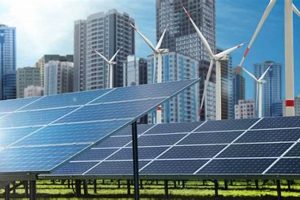
China’s energy landscape is undergoing a significant transformation with a growing emphasis on sustainable sources. The nation utilizes a diverse range of renewable technologies including hydropower, solar, wind, and biomass to generate electricity and heat. For example, large-scale solar farms are becoming increasingly common in desert regions, while offshore wind turbines harness the power of coastal winds.
This shift toward cleaner energy sources is vital for mitigating climate change, improving air quality, and enhancing energy security. Historically, China has relied heavily on coal-fired power plants, leading to significant environmental challenges. The transition to renewable energy represents a crucial step in addressing these concerns and promoting sustainable development. Furthermore, China’s investments in renewable energy technologies have spurred innovation and driven down costs globally.
Exploring China’s energy transition requires a deeper understanding of the specific technologies employed, the policy landscape driving these changes, and the challenges that remain. The following sections will delve into these aspects, providing a comprehensive analysis of China’s evolving energy sector.
Tips for Understanding China’s Renewable Energy Landscape
Gaining a comprehensive understanding of China’s approach to renewable energy requires considering various factors. The following tips provide a framework for navigating this complex landscape.
Tip 1: Consider the scale of deployment. China is the world’s largest producer and consumer of renewable energy. Analyzing the sheer magnitude of projects, from massive hydropower dams to expansive solar farms, is crucial for grasping the country’s commitment to this sector.
Tip 2: Examine the policy landscape. Government subsidies, targets, and regulations play a significant role in driving renewable energy development. Understanding these policies is essential for assessing the effectiveness of China’s approach.
Tip 3: Investigate technological advancements. China is a major player in the research and development of renewable energy technologies. Exploring innovations in areas like solar panel efficiency and battery storage provides insights into the country’s future trajectory.
Tip 4: Analyze regional variations. Renewable energy resources and deployment vary significantly across China’s diverse geography. Considering regional differences offers a more nuanced understanding of the overall picture.
Tip 5: Acknowledge the challenges. Despite significant progress, challenges remain, including grid integration, intermittency of renewable sources, and environmental impacts. Recognizing these hurdles is crucial for a balanced perspective.
Tip 6: Evaluate the global impact. China’s dominance in the renewable energy sector influences global markets, technology development, and climate change mitigation efforts. Understanding these international implications is crucial.
By considering these factors, one can gain a more complete and informed perspective on the complexities and significance of China’s renewable energy transition.
This exploration of China’s renewable energy landscape underscores the country’s pivotal role in shaping the future of global energy.
1. Capacity Growth

China’s affirmative answer to the question of renewable energy utilization is significantly defined by its substantial capacity growth. This expansion in renewable energy generation capacity is a crucial indicator of the country’s commitment to transitioning towards a more sustainable energy future. Understanding this growth requires examining its various facets.
- Investment in New Infrastructure
Massive investments in new infrastructure projects, such as wind farms, solar parks, and hydropower dams, are the cornerstone of China’s renewable energy capacity growth. For instance, the Baihetan Dam, one of the world’s largest hydropower stations, exemplifies this commitment to large-scale renewable energy projects. These investments not only increase the overall energy supply but also stimulate economic growth and technological advancement.
- Technological Advancements
Capacity growth is not solely reliant on building more facilities; it also hinges on improving the efficiency and effectiveness of existing technologies. China’s focus on research and development in areas like solar panel technology and energy storage solutions has led to increased energy output from existing infrastructure. This focus on innovation allows for greater energy production with fewer resources, contributing significantly to overall capacity growth.
- Policy Support and Incentives
Government policies, including subsidies, tax breaks, and feed-in tariffs, have played a crucial role in incentivizing the development of renewable energy projects. These policies provide financial support and regulatory certainty, attracting both domestic and foreign investment. The resulting influx of capital fuels further capacity growth and accelerates the transition away from fossil fuels.
- Grid Modernization
Integrating the increasing amounts of renewable energy into the national grid requires substantial upgrades and modernization of transmission and distribution infrastructure. Investments in smart grid technologies and expanding transmission capacity are essential for efficiently distributing renewable energy from production sites to consumers. This grid modernization is crucial for ensuring that the increased capacity translates into reliable and accessible power for the nation.
These facets of capacity growth collectively demonstrate China’s strategic approach to developing its renewable energy sector. The nation’s continued investment in infrastructure, technological advancements, supportive policies, and grid modernization underscores its commitment to a sustainable energy future. This capacity expansion is not merely about increasing energy production; it represents a fundamental shift in how China generates and consumes energy, with profound implications for both domestic development and global sustainability efforts.
2. Hydropower Dominance

China’s utilization of renewable energy is significantly shaped by its reliance on hydropower. While contributing substantially to the nation’s renewable energy portfolio, hydropower dominance presents a complex picture with both advantages and drawbacks. Understanding this dominance is crucial for a comprehensive assessment of China’s renewable energy landscape.
- Geographical Advantage
China’s extensive river systems and mountainous terrain provide a natural advantage for hydropower development. The Three Gorges Dam, the world’s largest power station in terms of installed capacity, exemplifies this geographical advantage. While providing substantial clean energy, such large-scale projects also raise concerns regarding environmental impact and displacement of communities.
- Established Infrastructure and Expertise
China possesses a long history of hydropower development, resulting in a mature industry with established infrastructure and technical expertise. This existing knowledge base facilitates the continued expansion of hydropower projects and contributes to their relatively lower cost compared to emerging renewable technologies. However, this established infrastructure may also hinder the diversification of renewable energy sources.
- Environmental and Social Impacts
Large-scale hydropower projects can have significant environmental and social consequences, including habitat alteration, water flow disruption, and displacement of populations. Balancing the benefits of clean energy generation with these potential negative impacts remains a key challenge for China’s hydropower sector. Environmental impact assessments and mitigation strategies are crucial for sustainable hydropower development.
- Role in Grid Stability
Hydropower’s ability to regulate power output provides grid stability, balancing the intermittent nature of other renewable sources like solar and wind. This stabilizing function is crucial for managing fluctuations in energy supply and demand. However, reliance on hydropower for grid stability can make the system vulnerable to droughts and other water resource variations.
China’s hydropower dominance is integral to its renewable energy strategy, offering substantial clean energy generation and grid stability. However, the environmental and social implications of large-scale hydropower projects necessitate careful planning and mitigation strategies. Evaluating the long-term sustainability of hydropower and its role within a diversified renewable energy portfolio remains essential for China’s continued transition towards a cleaner energy future.
3. Solar Farm Expansion
Solar farm expansion is integral to China’s growing reliance on renewable energy. The nation’s commitment to reducing carbon emissions and diversifying its energy sources has fueled substantial investment in solar photovoltaic (PV) technology. This expansion manifests in sprawling solar farms across diverse terrains, from deserts to mountainous regions, significantly contributing to renewable energy capacity. For instance, the Tengger Desert Solar Park, one of the world’s largest, exemplifies the scale of China’s solar ambitions. This large-scale deployment of solar farms demonstrates a clear affirmative response to the question of whether China uses renewable energy, solidifying its position as a global leader in solar energy production. The increasing capacity underscores a shift away from fossil fuel dependence and towards a cleaner energy future.
The practical significance of solar farm expansion extends beyond simply increasing renewable energy generation. It fosters technological innovation, driving down the cost of solar PV technology globally. China’s large-scale manufacturing capacity and continuous research and development efforts have contributed to making solar energy increasingly competitive with traditional energy sources. Furthermore, the construction and operation of solar farms create jobs and stimulate economic growth in rural areas. However, challenges remain, including land use conflicts, grid integration issues, and the intermittency of solar power. Addressing these challenges through strategic planning and technological advancements is crucial for maximizing the benefits of solar farm expansion.
In conclusion, solar farm expansion signifies a substantial component of China’s renewable energy strategy. It demonstrates a tangible commitment to clean energy adoption, driving technological advancement, and creating economic opportunities. While challenges persist, the ongoing expansion of solar farms plays a pivotal role in shaping China’s energy future and its contribution to global sustainability efforts. The scale of deployment underscores the crucial role solar energy plays in answering affirmatively the question of China’s engagement with renewable energy sources.
4. Wind Power Development

Wind power development is a significant component of China’s renewable energy strategy, directly addressing the question of its commitment to sustainable energy sources. The country’s vast landmass and extensive coastlines offer considerable potential for harnessing wind energy. Exploring the facets of China’s wind power development reveals its crucial role in the nation’s transition towards a cleaner energy future.
- Onshore Wind Farms
China boasts the world’s largest installed capacity of onshore wind turbines, spread across diverse terrains, from grasslands to mountainous regions. The Gansu Wind Farm, for example, exemplifies the scale of these projects. These onshore wind farms contribute significantly to China’s renewable energy generation, reducing reliance on fossil fuels and mitigating greenhouse gas emissions. The rapid growth of onshore wind capacity underscores the nation’s dedication to harnessing this renewable resource.
- Offshore Wind Potential
China’s extensive coastline presents vast potential for offshore wind power development. While still in its early stages compared to onshore wind, offshore wind farms are rapidly expanding, particularly along the eastern coast. Projects like the Jiangsu Rudong Intertidal Wind Farm demonstrate the increasing focus on harnessing offshore wind resources. This expansion is expected to play a crucial role in meeting future energy demands and further diversifying China’s renewable energy mix.
- Technological Advancements
China is a leading manufacturer of wind turbine technology, driving innovation and cost reductions globally. The development and deployment of larger, more efficient turbines contribute to increased energy capture and improved cost-competitiveness of wind power. This technological prowess further strengthens China’s position as a key player in the global wind energy market and accelerates the adoption of this clean energy source.
- Grid Integration and Transmission
Integrating the fluctuating power output of wind farms into the national grid presents ongoing challenges. Investing in grid infrastructure upgrades and smart grid technologies is crucial for managing the intermittency of wind power and ensuring reliable electricity supply. Addressing these grid integration challenges is essential for maximizing the contribution of wind energy to China’s overall energy mix.
China’s significant investments in onshore and offshore wind power, coupled with technological advancements and efforts to improve grid integration, demonstrate a clear commitment to renewable energy. Wind power development is a crucial element of China’s response to the global call for sustainable energy solutions, playing a pivotal role in reducing carbon emissions and shaping a cleaner energy future for the nation.
5. Biomass Utilization

Biomass utilization represents a multifaceted component within China’s renewable energy portfolio, offering a sustainable alternative to fossil fuels. Examining its various applications provides further insight into the nation’s affirmative response to the query, “Does China use renewable energy?” Biomass energy, derived from organic matter, contributes to China’s diverse energy mix and its pursuit of sustainable development. This exploration delves into the key facets of biomass utilization in China.
- Agricultural Residue
China, with its substantial agricultural sector, generates vast quantities of crop residues, offering a readily available biomass resource. These agricultural residues, such as rice husks, corn stalks, and wheat straw, are utilized for energy production through direct combustion, anaerobic digestion, or conversion into biofuels. This utilization not only provides a renewable energy source but also addresses waste management challenges and reduces reliance on fossil fuels in rural areas.
- Forestry Residues and Wood Waste
Sustainable forestry practices generate wood waste and residues that can be used as biomass feedstock. This includes branches, bark, sawdust, and other wood processing byproducts. These materials can be used for heat generation in industrial applications or converted into biochar, a valuable soil amendment. Utilizing forestry residues contributes to a circular economy within the forestry sector while providing a renewable energy source.
- Biogas Production from Animal Manure
Livestock farming in China generates substantial amounts of animal manure, which can be utilized for biogas production through anaerobic digestion. Biogas, primarily composed of methane, can be used for cooking, heating, and electricity generation. This process offers several benefits, including waste management, renewable energy generation, and reduced greenhouse gas emissions from manure decomposition.
- Dedicated Energy Crops
China is exploring the cultivation of dedicated energy crops, such as switchgrass and miscanthus, specifically for biomass energy production. These fast-growing crops offer a sustainable and potentially large-scale source of biomass feedstock. However, careful consideration of land use and potential competition with food crops is essential for responsible development of this sector.
China’s utilization of biomass encompasses a range of resources and technologies, contributing to its overall renewable energy capacity. By leveraging agricultural residues, forestry byproducts, animal manure, and dedicated energy crops, China diversifies its energy sources, reduces reliance on fossil fuels, and promotes sustainable development. Biomass utilization, therefore, provides a significant affirmative answer to the question of China’s engagement with renewable energy, further highlighting its commitment to a cleaner energy future.
6. Policy-driven initiatives
Government policies and initiatives play a crucial role in shaping China’s renewable energy landscape and directly address the question of its commitment to sustainable energy sources. These policy-driven initiatives provide the framework, incentives, and targets that guide the development and deployment of renewable energy technologies. Understanding these initiatives is essential for assessing the effectiveness and impact of China’s pursuit of a cleaner energy future. They demonstrate a proactive approach to transitioning away from fossil fuel dependence and towards a more sustainable energy mix.
- Renewable Portfolio Standards (RPS)
China’s RPS mandate requires electricity providers to source a certain percentage of their electricity from renewable sources. This policy instrument creates a market demand for renewable energy, driving investment in new projects and capacity expansion. The RPS targets are progressively increasing, further incentivizing the growth of the renewable energy sector and ensuring continued progress towards national sustainability goals. For example, the 2020 RPS target spurred significant growth in wind and solar installations.
- Feed-in Tariffs (FITs)
FITs provide guaranteed prices for renewable energy fed into the grid, offering price stability and encouraging investment in renewable energy projects. These tariffs provide long-term financial security for developers, making renewable energy projects more attractive to investors. The implementation of FITs has been instrumental in the early growth of China’s solar and wind industries. However, the gradual phasing out of FITs in favor of competitive auctions reflects the increasing maturity and cost-competitiveness of renewable energy technologies.
- Technology Research and Development Subsidies
Government subsidies support research and development of renewable energy technologies, fostering innovation and driving down costs. These subsidies incentivize advancements in areas such as solar panel efficiency, wind turbine technology, and energy storage solutions. This focus on technological innovation ensures that China remains at the forefront of the global renewable energy industry and contributes to the development of more efficient and cost-effective clean energy solutions. For example, government support has propelled advancements in battery storage technology, essential for integrating intermittent renewable sources into the grid.
- Grid Modernization and Expansion
Recognizing the importance of grid infrastructure for integrating renewable energy, China invests heavily in grid modernization and expansion projects. This includes upgrading transmission lines, developing smart grid technologies, and improving grid management systems. These investments are crucial for efficiently transmitting renewable energy from generation sites to consumers and ensuring grid stability. Addressing grid challenges is essential for maximizing the utilization of renewable energy and achieving a smooth transition towards a cleaner energy system. For instance, investments in ultra-high-voltage transmission lines facilitate the transport of renewable energy from remote areas to population centers.
These policy-driven initiatives collectively demonstrate China’s proactive approach to developing its renewable energy sector. They provide a clear and affirmative answer to the question of “does China use renewable energy?” By implementing a combination of market-based mechanisms, targeted subsidies, and supportive regulations, China fosters a conducive environment for renewable energy growth, reduces reliance on fossil fuels, and contributes significantly to global sustainability efforts. The ongoing evolution of these policies reflects the dynamic nature of the renewable energy sector and China’s commitment to adapting its strategies to achieve its ambitious clean energy targets.
7. Grid Integration Challenges

Grid integration challenges represent a crucial aspect of China’s renewable energy landscape, directly impacting the effectiveness and sustainability of its clean energy transition. The intermittent nature of renewable sources like solar and wind power creates inherent complexities for grid management. Fluctuations in power output, dependent on weather conditions, require sophisticated solutions to ensure grid stability and reliability. Addressing these integration challenges is essential for maximizing the benefits of renewable energy and ensuring a secure energy supply.
The sheer scale of China’s renewable energy deployment amplifies the significance of grid integration. Integrating large volumes of intermittent renewable energy requires substantial upgrades to existing grid infrastructure. This includes investments in advanced transmission lines, smart grid technologies, and energy storage solutions. For example, balancing the fluctuating output of large solar farms in the Gobi Desert with the demand in eastern coastal cities necessitates robust and flexible transmission networks. Similarly, managing the intermittency of offshore wind farms requires sophisticated forecasting and grid management systems. Failure to address these challenges can lead to grid instability, power outages, and curtailment of renewable energy generation, undermining the effectiveness of China’s clean energy investments. Furthermore, efficient grid integration is essential for minimizing the reliance on traditional coal-fired power plants for grid stability, a key factor in achieving emission reduction targets.
Successfully integrating renewable energy into the grid is crucial for realizing the full potential of China’s clean energy transition. Overcoming these challenges requires a multi-pronged approach, encompassing technological innovation, policy adjustments, and strategic planning. Advanced energy storage technologies, such as pumped hydro and battery storage, play a vital role in smoothing out fluctuations in renewable energy generation. Furthermore, developing sophisticated forecasting models and grid management systems enables more effective integration of intermittent sources. Policy mechanisms, such as dynamic pricing and demand-side management programs, can further incentivize grid flexibility and optimize the utilization of renewable energy. Addressing these grid integration challenges is not merely a technical issue; it is a strategic imperative for ensuring the long-term success and sustainability of China’s renewable energy endeavors.
Frequently Asked Questions
This section addresses common inquiries regarding China’s utilization of renewable energy sources, providing concise and informative responses.
Question 1: What proportion of China’s energy comes from renewable sources?
While China remains the world’s largest consumer of coal, renewable energy sources constitute a growing share of its energy mix, exceeding 30% and rapidly increasing. Hydropower, wind, solar, and biomass contribute significantly to this expanding sector.
Question 2: Is China a global leader in renewable energy technology?
China holds a leading position in the manufacturing and deployment of renewable energy technologies, particularly in solar photovoltaics and wind turbines. Its substantial investments in research and development further solidify its prominent role in the global renewable energy sector.
Question 3: What are the primary challenges hindering China’s transition to renewable energy?
Significant challenges include grid integration of intermittent renewable sources, regional disparities in resource availability and development, and the ongoing reliance on coal for baseload power generation. Addressing these challenges is crucial for a successful and sustainable energy transition.
Question 4: How do China’s renewable energy policies compare to those of other nations?
China’s policies, including renewable portfolio standards, feed-in tariffs, and technology subsidies, have played a significant role in driving renewable energy growth. While approaches vary globally, China’s policies are recognized for their scale and impact on the global renewable energy market.
Question 5: What is the environmental impact of China’s renewable energy development?
While renewable energy sources offer significant environmental benefits compared to fossil fuels, their development can still present environmental challenges. These include land use impacts, potential ecological disruption from large-scale hydropower projects, and the need for responsible sourcing of raw materials for renewable energy technologies.
Question 6: What is the future outlook for renewable energy in China?
China’s commitment to renewable energy suggests continued growth and technological advancement in the sector. Ambitious targets for renewable energy deployment and ongoing policy support indicate a strong trajectory for further expansion and integration of renewable sources into the nation’s energy mix.
Understanding the complexities of China’s renewable energy landscape requires considering various factors, from policy initiatives to technological advancements and environmental considerations. These FAQs offer insights into the key aspects of this evolving sector.
For a deeper understanding of specific renewable energy technologies and their role in China’s energy transition, continue to the following sections.
Does China Use Renewable Energy? A Resounding Yes.
Examination of China’s energy landscape reveals a clear and affirmative answer to the question of renewable energy utilization. From the vast expanse of solar farms across the Tengger Desert to the towering wind turbines harnessing coastal breezes, the evidence is undeniable. China’s commitment is reflected not only in its substantial investments in renewable energy infrastructure but also in its proactive policy initiatives, technological advancements, and ongoing efforts to integrate these clean energy sources into its national grid. While challenges remain, notably grid integration and balancing the intermittency of renewables, the scale of deployment and the pace of innovation underscore the significance of renewable energy in China’s energy future.
China’s experience demonstrates the transformative potential of renewable energy on a global scale. The nation’s journey serves as a compelling case study, highlighting both the opportunities and complexities inherent in transitioning towards a sustainable energy future. Continued observation and analysis of China’s progress will be crucial for informing global strategies, fostering collaboration, and accelerating the worldwide adoption of clean energy solutions. The future of energy is undeniably intertwined with the ongoing evolution of renewable energy technologies, and China’s role in this transformation remains pivotal.