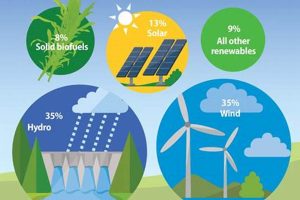
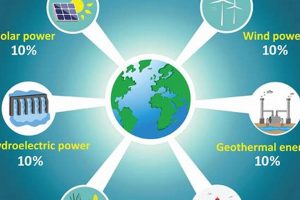
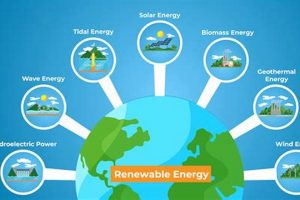
A compilation of power generation methods that naturally replenish themselves, often described as sustainable, includes various technologies and resources. Examples encompass solar power derived from sunlight, wind energy harnessed from moving air currents, hydroelectricity generated by flowing water, geothermal power tapped from the Earth’s internal heat, and biomass energy obtained from organic matter.
The significance of these sustainable methods lies in their potential to mitigate environmental impact, reduce reliance on finite fossil fuels, and enhance energy security. Historically, societies have utilized some of these methods, like water and wind power, for centuries. However, recent technological advancements have increased their efficiency and broadened their applicability, leading to greater adoption worldwide.
The following sections will delve into the specific types of these sustainable resources, examining their respective processes, advantages, disadvantages, and current applications across the globe. Each resource offers unique opportunities and challenges in the pursuit of a more sustainable energy future.
Guidance on Sustainable Power Generation Selection
The implementation of renewable energy resources requires careful consideration of multiple factors to ensure effectiveness and long-term sustainability. The following guidelines offer insights for decision-making in this sector.
Tip 1: Conduct a Thorough Resource Assessment: Before investing in a specific technology, evaluate the availability and consistency of the resource. For instance, solar irradiance levels vary by geographic location and time of year, impacting the effectiveness of photovoltaic systems. Similarly, wind patterns must be analyzed to determine the suitability of wind turbine placement.
Tip 2: Consider Environmental Impacts: While generally considered environmentally friendly, each technology has potential drawbacks. Hydroelectric dams can impact aquatic ecosystems, while large-scale solar farms may require significant land use. A comprehensive environmental impact assessment is crucial.
Tip 3: Evaluate Technological Maturity and Cost-Effectiveness: Different technologies are at varying stages of development. Established technologies like hydroelectric and wind power have proven cost-effectiveness, while emerging technologies such as enhanced geothermal systems may still face economic challenges. A cost-benefit analysis is essential.
Tip 4: Integrate Energy Storage Solutions: Many renewable energy sources, such as solar and wind, are intermittent. Integrating energy storage solutions, such as batteries or pumped hydro storage, can mitigate intermittency and ensure a reliable power supply.
Tip 5: Prioritize Grid Compatibility: The integration of renewable energy sources into the existing electricity grid requires careful planning. Grid infrastructure may need to be upgraded to accommodate the fluctuating output of these sources. Smart grid technologies can enhance grid stability and efficiency.
Tip 6: Explore Policy Incentives and Regulatory Frameworks: Government policies and regulations play a significant role in promoting the adoption of sustainable energy sources. Understanding available incentives, such as tax credits or feed-in tariffs, can significantly improve project viability.
The successful deployment of these sustainable generation resources relies on a holistic approach that encompasses resource assessment, environmental stewardship, technological evaluation, energy storage integration, grid compatibility, and policy awareness. Strategic planning is essential for maximizing the benefits of these energy sources.
The concluding section will address common misconceptions and explore future trends in the evolution of these power generation methods.
1. Solar photovoltaic conversion

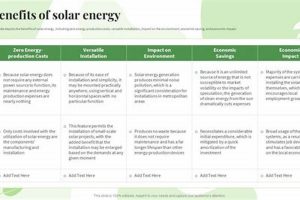
Solar photovoltaic conversion stands as a critical element within the broader context of naturally replenishing energy generation methods. This technology directly transforms solar radiation into electrical energy through the photovoltaic effect, a process that leverages semiconductor materials to generate electricity when exposed to sunlight. The inclusion of solar photovoltaic conversion within a list of sustainable energy sources is predicated on sunlights continuous availability and non-depleting nature, thereby offering a long-term energy solution with minimal resource depletion.
The practical significance of solar photovoltaic conversion is evidenced by its increasing global adoption. Large-scale solar farms, such as those in the Mojave Desert, demonstrate the technology’s capacity to contribute significantly to a region’s electricity supply. Furthermore, rooftop solar installations on residential and commercial buildings highlight its adaptability to distributed generation, reducing reliance on centralized power plants and transmission infrastructure. The cost-effectiveness of solar photovoltaic systems has improved substantially in recent years, making it an increasingly competitive alternative to fossil fuel-based power generation.
In conclusion, solar photovoltaic conversion exemplifies a viable and increasingly important method for harnessing renewable energy. Its ability to directly convert sunlight into electricity, coupled with its decreasing costs and adaptability, solidifies its position as a cornerstone within the list of renewable energy sources. While challenges such as intermittency and land use remain, ongoing technological advancements and strategic deployment strategies continue to enhance its role in a sustainable energy future.
2. Hydroelectric potential energy

Hydroelectric potential energy, derived from the gravitational force acting upon water stored at an elevated height, constitutes a significant component of a compilation of naturally replenishing energy generation methods. Its integration into a list of sustainable energy resources stems from the continuous replenishment of water through the hydrological cycle, ensuring a perpetual energy supply when managed responsibly.
- Energy Conversion Mechanism
Hydroelectric systems convert the potential energy of stored water into kinetic energy as it flows downhill, which then drives turbines connected to generators, producing electricity. Facilities such as the Three Gorges Dam exemplify this process on a massive scale. The efficiency of this conversion directly impacts the overall energy output and reinforces its role in the portfolio of naturally replenished energy sources.
- Environmental Considerations
While providing a renewable energy source, hydroelectric facilities can have substantial environmental impacts, including alteration of river ecosystems, displacement of communities, and greenhouse gas emissions from reservoir decomposition. Sustainable practices, such as fish ladders and minimum flow requirements, are essential to mitigate these impacts and ensure responsible utilization in the context of renewable energy.
- Scalability and Reliability
Hydroelectric power plants offer a scalable energy solution, ranging from small-scale micro-hydro systems to large-scale dams. Their ability to provide a consistent and dispatchable power supply, unlike some other renewable sources, enhances grid stability. This reliability is a critical advantage when considering a mix of renewable energy sources for meeting energy demands.
- Geographical Limitations
The feasibility of hydroelectric power is contingent on geographical factors, including sufficient water availability and suitable topography. Regions with abundant rainfall and mountainous terrain are best suited for hydroelectric development. Exploring alternate sustainable energy strategies in regions with insufficient geographical resources is therefore critical.
The various considerations of hydroelectric generation underscore its significant yet nuanced position within the broader list of naturally replenishing sources of energy. Effective management of environmental consequences, coupled with strategic planning of geographical requirements, is essential to maximize its contribution to global sustainability efforts.
3. Wind kinetic energy conversion

Wind kinetic energy conversion represents a pivotal technology within the array of naturally replenishing energy generation methods. This technology, which harnesses the motive force of air to generate electricity, aligns fundamentally with the concept of sustained energy production due to the continual atmospheric phenomena that drive wind patterns.
- Mechanism of Energy Capture
Wind turbines capture kinetic energy through the rotation of blades by wind. This rotation drives a generator, converting mechanical energy into electrical energy. Wind farms, clusters of multiple turbines, exemplify this process, significantly contributing to regional and national energy grids. The efficiency of energy capture is affected by blade design, turbine height, and prevailing wind speeds.
- Environmental Implications
While wind energy presents a renewable alternative, environmental considerations include avian mortality and landscape alteration. Careful site selection and mitigation strategies are crucial to minimize ecological impacts. Offshore wind farms, for instance, can reduce visual impact but pose challenges for marine ecosystems. Continuous monitoring and adaptive management strategies are necessary to balance energy generation with environmental protection.
- Scalability and Grid Integration
Wind energy systems can range from small-scale residential turbines to large utility-scale installations. Integrating wind power into existing grid infrastructure requires careful management due to the intermittent nature of wind. Grid-scale energy storage solutions and advanced forecasting models enhance the reliability of wind energy, ensuring it can contribute consistently to overall energy supply.
- Economic Viability and Incentives
The economic viability of wind energy has improved dramatically in recent years, driven by technological advancements and government incentives. Tax credits, feed-in tariffs, and renewable energy standards encourage wind energy development. These economic drivers, coupled with decreasing turbine costs, make wind energy an increasingly competitive alternative to fossil fuel-based power generation.
The multifaceted nature of wind kinetic energy conversion, from its energy capture mechanism to its environmental and economic implications, underscores its complex role within the broader landscape of naturally replenishing energy generation methods. While challenges remain in terms of intermittency and environmental impact, ongoing technological advancements and strategic planning enhance its contribution to a sustainable energy future.
4. Geothermal Earth's internal heat
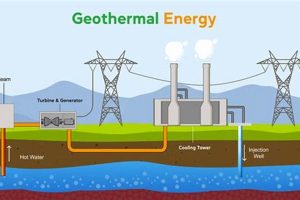
Geothermal energy, which harnesses the Earth’s internal heat, is a prominent entry within a roster of naturally replenishing energy generation methods. The enduring heat emanating from the Earth’s core provides a constant energy source, categorizing it as renewable given its practically inexhaustible nature within human timescales. The direct utilization of this resource in power generation and heating systems establishes its importance within the renewable energy sector.
Geothermal power plants, such as those in Iceland and the Geysers in California, exemplify the practical application of this renewable resource. These facilities access geothermal reservoirs, using steam or hot water to drive turbines connected to electricity generators. Geothermal heating systems, commonly found in colder climates, directly utilize geothermal energy to heat buildings and infrastructure. The stable, base-load power provided by geothermal plants contributes significantly to grid stability and offers an alternative to intermittent renewable sources, underscoring its unique value in a diversified energy mix.
In summation, geothermal energy’s dependable heat reservoir, utilization methods, and practical implementations affirm its role as an element of naturally replenishing energy methods. While limitations such as geographic constraints and upfront investment exist, ongoing technological advancements and proven contributions solidify the importance of Geothermal Earth’s internal heat in sustainable energy strategies.
5. Biomass organic matter fuels

Biomass organic matter fuels represent a critical, albeit nuanced, category within any comprehensive enumeration of naturally replenishing energy generation methods. These fuels, derived from recently living organisms or their byproducts, possess the inherent capacity to be sustainably replenished, establishing their place within the renewable energy spectrum. The connection to “list of energy sources renewable” lies in the concept of cyclical renewal, where responsible harvesting and cultivation practices ensure continued availability without depleting finite reserves. For example, sustainably managed forests can provide a continuous supply of wood for biomass power plants, contrasting with the one-time extraction of fossil fuels. Agricultural residues, such as corn stover or rice husks, can also be converted into biomass energy, turning waste products into a valuable resource. The implementation of effective carbon sequestration strategies further enhances the sustainability of biomass energy.
However, the sustainable nature of biomass relies heavily on responsible management practices. Unsustainable deforestation for biomass energy production, for instance, can lead to environmental degradation, habitat loss, and increased carbon emissions, negating its potential benefits. The efficiency of biomass energy conversion is also a key factor. Combustion processes, while widely used, often have lower efficiencies compared to other renewable energy technologies. Advanced conversion methods, such as gasification and pyrolysis, can improve energy yields and reduce emissions. The utilization of algae as a biomass feedstock also offers a promising avenue, with the potential for high yields and carbon sequestration. Understanding these nuances is essential for promoting genuinely sustainable biomass practices.
In conclusion, biomass’s role within the “list of energy sources renewable” hinges on the implementation of sustainable management and efficient conversion technologies. Responsible forestry practices, utilization of agricultural residues, and advancements in conversion processes are crucial for realizing the full potential of biomass as a renewable energy source. While challenges remain, strategic implementation can make biomass a key element in a diversified renewable energy portfolio, contributing to reduced reliance on fossil fuels and a more sustainable energy future.
Frequently Asked Questions
This section addresses common inquiries and clarifies prevalent misconceptions regarding naturally replenishing energy generation methods. These questions aim to provide a concise overview of key aspects within the sustainable energy sector.
Question 1: What constitutes a sustainable energy source within the list of renewable energy sources?
A sustainable energy source is defined as one that replenishes naturally at a rate comparable to or faster than its rate of consumption. This ensures long-term availability without depleting the resource or causing significant environmental damage.
Question 2: How does solar power compare to other entries on the list of renewable energy sources in terms of environmental impact?
Solar power generally has a lower environmental impact compared to fossil fuels. However, large-scale solar farms can require significant land use and may impact local ecosystems. Manufacturing photovoltaic panels also involves the use of certain materials with environmental considerations.
Question 3: Why is hydroelectric power included in the list of energy sources renewable, considering its potential for ecosystem disruption?
Hydroelectric power is included due to its reliance on the continuously replenishing water cycle. However, sustainable operation requires careful management to mitigate environmental impacts such as altered river flows and habitat disruption.
Question 4: What are the primary challenges associated with widespread adoption of wind energy, an entry on the list of renewable energy sources?
Key challenges include the intermittent nature of wind, visual impact on landscapes, potential harm to wildlife (particularly birds and bats), and the need for expanded transmission infrastructure to deliver power from wind-rich regions to demand centers.
Question 5: Is biomass truly a sustainable option within the list of renewable energy sources?
The sustainability of biomass depends heavily on responsible management practices. Unsustainable harvesting can lead to deforestation, soil degradation, and increased carbon emissions. Sustainable biomass practices involve utilizing waste products, replanting harvested areas, and employing efficient conversion technologies.
Question 6: What role does energy storage play in maximizing the potential of energy from the list of renewable energy sources?
Energy storage technologies, such as batteries and pumped hydro, are crucial for addressing the intermittency of many sustainable resources like solar and wind. They allow for the storage of excess energy generated during peak production periods, which can then be released when demand is high or resource availability is low.
The information provided here aims to address common concerns and promote a better understanding of naturally replenishing energy generation methods. Responsible implementation and continued technological advancements are essential for realizing the full potential of these resources.
The subsequent section will explore future trends and emerging technologies within the realm of sustainable energy.
Conclusion
This exploration of the list of energy sources renewable has illuminated the diverse methods available for generating power from naturally replenishing resources. Solar, hydroelectric, wind, geothermal, and biomass each present unique opportunities and challenges in the transition away from fossil fuels. The efficacy and long-term viability of each source depend on responsible management, technological advancements, and strategic implementation tailored to specific geographic and economic contexts. Furthermore, the integration of energy storage solutions and grid modernization efforts are crucial for ensuring the reliability and stability of sustainable energy systems.
The continued development and deployment of these power generation methods are paramount to mitigating climate change, enhancing energy security, and fostering a more sustainable future. Prioritizing research, innovation, and policy frameworks that support the widespread adoption of entries on the list of energy sources renewable is essential for realizing a global energy system that meets the needs of present and future generations.