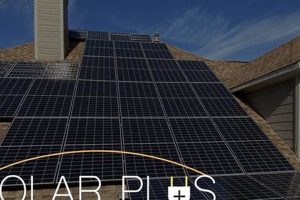
Solar energy harnesses radiation from the sun and converts it into usable forms of power, such as electricity or heat. The defining characteristic of a resource like this is its natural replenishment, occurring on a human timescale. Resources fitting this description are inexhaustible, ensuring their continued availability.
Utilizing energy of this nature offers several advantages. Diminished reliance on fossil fuels leads to reduced greenhouse gas emissions, mitigating climate change. Furthermore, these resources contribute to energy security by diversifying energy sources. Historically, societies have recognized the sun’s potential, but technological advancements have significantly enhanced its accessibility and practicality.
The following sections will delve into the mechanisms of solar energy conversion, examining different technologies and their effectiveness. Further discussion will address the environmental impact, economic considerations, and future prospects associated with widespread adoption of this sustainable energy solution.
Guidance on Utilizing Solar Power
The efficient and sustainable adoption of solar energy necessitates careful planning and execution. The following guidelines offer practical advice for individuals, businesses, and policymakers considering or implementing solar energy solutions.
Tip 1: Assess Energy Needs. Conduct a thorough energy audit to understand current consumption patterns. This data forms the basis for determining the appropriate size and type of solar energy system required.
Tip 2: Evaluate Site Suitability. Analyze solar irradiance levels, shading factors, and roof orientation. Optimal solar panel placement maximizes energy production. Professional site assessments are recommended.
Tip 3: Explore Available Incentives. Investigate government rebates, tax credits, and net metering programs. These financial incentives can significantly reduce the upfront costs of solar installations.
Tip 4: Select Appropriate Technology. Consider various solar panel technologies, such as monocrystalline, polycrystalline, or thin-film. Each type has varying efficiency, cost, and suitability depending on the specific application.
Tip 5: Ensure Proper Installation. Engage qualified and certified solar installers. Correct installation is crucial for system performance, longevity, and safety. Verify installer credentials and experience.
Tip 6: Monitor System Performance. Implement a monitoring system to track energy production and identify any performance issues. Regular monitoring allows for timely maintenance and optimization.
Tip 7: Prioritize Energy Efficiency. Combine solar energy generation with energy conservation measures. Reducing overall energy demand minimizes the size and cost of the solar system needed.
Adhering to these guidelines facilitates a more effective and sustainable transition to solar power. By understanding energy needs, optimizing site conditions, leveraging incentives, selecting the right technology, and ensuring proper installation and monitoring, stakeholders can maximize the benefits of solar energy.
The subsequent sections will provide a comprehensive analysis of the economic and environmental implications associated with the adoption of solar energy as a viable energy alternative.
1. Inexhaustible Solar Radiation

The term “inexhaustible solar radiation” forms the bedrock for classifying solar energy as a renewable resource. This characteristic distinguishes it from finite energy sources and underpins its long-term viability. The following facets explore this relationship in detail.
- Continuous Energy Flow
Solar radiation continuously emanates from the sun, delivering a consistent energy flux to Earth. This energy flow is not depleted by human consumption, unlike fossil fuels, which require millions of years to form. The sustained availability of this radiation directly supports the definition of a renewable energy source.
- Decoupling from Resource Depletion
The utilization of solar energy does not diminish the source. Extracting energy from coal or oil inherently depletes those reserves. Solar energy, however, relies on a continuous influx of radiation, rendering resource depletion irrelevant. This distinction is fundamental in understanding the sustainability of solar power.
- Long-Term Energy Supply
The sun is projected to continue emitting solar radiation for billions of years. This extended timeframe provides assurance of a long-term energy supply. This contrasts sharply with the limited reserves of fossil fuels and highlights the enduring nature of solar as a sustainable energy solution.
- Environmental Benefits
Harnessing solar radiation avoids the environmental degradation associated with fossil fuel extraction and combustion. Reduced emissions and minimal resource depletion contribute to a more sustainable energy future. This environmental advantage further strengthens the classification of solar energy as a renewable and environmentally responsible resource.
In summary, the inexhaustible nature of solar radiation directly supports the classification of solar energy as a renewable resource. Its continuous flow, decoupling from resource depletion, long-term availability, and environmental benefits collectively demonstrate its sustainability and its role in a future powered by clean, renewable energy sources.
2. Continuous Replenishment Cycle

The classification of solar energy as a renewable resource hinges significantly on its continuous replenishment cycle. This cycle refers to the ongoing emission of energy from the sun, a process that occurs on a timescale relevant to human needs and far exceeding the lifespan of fossil fuel reserves. This uninterrupted energy flow ensures a constant supply of the resource, distinguishing it from finite sources. Without a continuous replenishment cycle, a source, even if initially abundant, would eventually be depleted and therefore would not qualify as renewable.
The importance of this cycle is evident in the practical application of solar technologies. Solar panels capture sunlight and convert it into electricity. As long as the sun continues to emit radiation, these panels can generate power. This cycle is not dependent on external factors, such as geological processes or biological decay, which are integral to the formation of fossil fuels. Real-world examples, such as large-scale solar farms and residential solar installations, demonstrate the tangible benefits of this consistent energy supply, contributing to energy independence and reduced carbon emissions. The cyclical nature also allows for predictive modeling and efficient resource allocation.
The understanding of this cycle’s inherent stability offers both potential and challenges. Forecasting the long-term output of solar energy systems is more reliable due to the predictable nature of solar radiation. Challenges arise from the intermittent nature of sunlight due to weather conditions and diurnal cycles, necessitating energy storage solutions or grid integration strategies to ensure a constant power supply. Despite these challenges, the continuous replenishment cycle remains a defining characteristic that firmly establishes solar energy’s place within the realm of renewable energy resources, thereby providing a viable path to a sustainable energy future.
3. Sustainable Energy Production
Sustainable energy production is inextricably linked to the classification of solar energy as a renewable resource. It directly addresses the ability to generate power consistently over an extended duration without depleting natural resources or causing undue environmental harm. Solar energy, by harnessing sunlight, fundamentally adheres to these principles. The availability of sunlight, barring catastrophic astronomical events, is assured for billions of years. This ensures a continuous fuel supply for solar energy systems, unlike finite resources such as fossil fuels, whose extraction and combustion contribute to environmental degradation. Solar installations exemplify sustainable practices by converting light into usable electricity with minimal operational emissions, thereby reducing the carbon footprint associated with energy generation. Solar panel manufacturing, while having some environmental impact, becomes increasingly sustainable with advancements in materials science and responsible manufacturing processes.
Real-world examples further underscore the link between solar energy and sustainable energy production. Utility-scale solar farms, operating in diverse geographical locations, demonstrate the capacity to generate substantial amounts of electricity sustainably. These facilities, after initial construction, require minimal resource input and produce negligible ongoing emissions. Residential solar installations empower individuals to generate clean energy, diminishing reliance on grid-supplied power derived from non-renewable sources. These distributed generation systems, coupled with net metering policies, facilitate a transition toward decentralized, sustainable energy networks. Furthermore, solar-powered water heating and industrial process heating systems showcase the versatility of solar energy in providing thermal energy sustainably across various sectors.
In conclusion, sustainable energy production serves as a foundational aspect validating solar energy’s classification as a renewable resource. The inherent characteristics of sunlight, combined with the practical implementation of solar technologies, enable long-term energy generation with minimal environmental consequences. Understanding this relationship is vital for policymakers, industry stakeholders, and individuals seeking to promote a sustainable energy future. Continued innovation in solar technology, coupled with supportive policies, will further enhance the contribution of solar energy to a sustainable global energy economy, while addressing challenges of intermittency and storage.
4. Reduced Fossil Fuel Dependence
The extent to which solar energy contributes to diminishing reliance on fossil fuels directly reinforces its categorization as a renewable resource. Fossil fuels, being finite and environmentally detrimental, pose a stark contrast to solar energy, which offers a sustainable alternative. Reduction of dependence on these resources is a critical benefit associated with its use.
- Diversification of Energy Sources
Integration of solar power into the energy mix diversifies the portfolio, lessening the burden on fossil fuel-dominated infrastructures. This diversification shields against price volatility and supply disruptions inherent to the fossil fuel market. For example, nations investing heavily in solar alongside traditional sources have demonstrated increased energy security and resilience to geopolitical influences.
- Mitigation of Greenhouse Gas Emissions
Combustion of fossil fuels releases significant quantities of greenhouse gases, contributing to climate change. Solar energy, during operation, emits negligible greenhouse gases. Widespread adoption reduces the overall emission footprint. For instance, replacing coal-fired power plants with large-scale solar installations demonstrably lowers carbon dioxide emissions, contributing to international climate goals.
- Decentralized Energy Generation
Solar energy enables decentralized power generation, moving away from centralized fossil fuel power plants. Rooftop solar panels and community solar projects empower individuals and communities to generate their electricity, reducing transmission losses and fostering energy independence. Such initiatives diminish dependence on centralized grids reliant on fossil fuels, promoting distributed energy resilience.
- Transition to a Sustainable Energy Economy
The shift toward a solar-powered economy necessitates investments in renewable energy infrastructure, job creation in the solar industry, and technological advancements. This transition spurs innovation and economic growth while diminishing the long-term demand for fossil fuels. Countries actively pursuing solar energy initiatives are positioning themselves for long-term economic competitiveness and environmental stewardship.
The facets outlined above illustrate the intrinsic link between reduced reliance on fossil fuels and the promotion of solar energy. Its attributes offer a pathway towards a more sustainable energy future and emphasize its value as a renewable energy source.
5. Environmental Impact Mitigation

The capacity for environmental impact mitigation serves as a cornerstone in affirming solar energy’s classification as a renewable resource. Traditional energy sources, particularly fossil fuels, exact a significant toll on the environment through extraction, processing, transportation, and combustion. These activities contribute to air and water pollution, habitat destruction, and greenhouse gas emissions. Solar energy, conversely, minimizes many of these adverse effects. Solar power generation produces no direct air or water pollutants during operation, thereby reducing the incidence of respiratory illnesses and environmental degradation. The decreased reliance on fossil fuels diminishes the necessity for environmentally damaging extraction processes, such as mountaintop removal coal mining and deep-sea oil drilling. This positive impact on ecological systems is intrinsic to the resource.
Consider, for instance, the impact of a large-scale solar farm compared to a coal-fired power plant of equivalent capacity. The solar farm, once constructed, operates with minimal ongoing environmental disruption. The coal plant, in contrast, necessitates continuous coal extraction, transportation, and combustion, resulting in emissions of sulfur dioxide, nitrogen oxides, and particulate matter, all of which contribute to acid rain and respiratory problems. Moreover, the carbon dioxide emissions from the coal plant contribute significantly to climate change. The displacement of coal-fired power with solar energy leads to a quantifiable reduction in these environmental burdens. Furthermore, innovative approaches such as agrivoltaics, where solar panels are integrated into agricultural land, can enhance land use efficiency and even improve crop yields in certain environments, offering synergistic benefits.
In summary, the inherent ability to mitigate environmental impact solidifies solar energy’s position as a renewable resource. The minimal environmental consequences associated with solar power generation, compared to conventional energy sources, underscore its importance in fostering a sustainable energy future. While solar energy systems do have environmental considerations related to manufacturing and end-of-life disposal, ongoing research and responsible management practices are addressing these challenges, further enhancing its overall sustainability and solidifying its role as a key component in strategies aimed at mitigating anthropogenic climate change.
6. Long-Term Energy Security

The association between “long-term energy security” and resources classified as “is solar energy a renewable energy source” rests on the inherent predictability and sustainability of solar radiation. Energy security, in its essence, denotes the reliable and uninterrupted availability of energy resources at affordable prices. Solar power contributes to this security by providing a domestic, inexhaustible energy supply. Unlike fossil fuels, which are subject to geopolitical instability and price fluctuations due to their concentrated geographic distribution, solar energy can be harnessed in most locations globally, reducing dependence on external suppliers and mitigating the risks associated with international energy markets. The long-term predictability of solar irradiance, while subject to diurnal and seasonal variations, allows for accurate forecasting of energy production, facilitating effective grid management and investment planning. Furthermore, technological advancements in energy storage are increasingly addressing the intermittency challenges associated with solar power, further enhancing its contribution to energy security.
Consider, for example, countries heavily reliant on imported fossil fuels. These nations are vulnerable to supply disruptions caused by geopolitical events or infrastructure failures. Investing in solar energy infrastructure reduces this vulnerability, enabling the diversification of energy sources and the establishment of a more resilient energy system. Germany’s Energiewende, a transition to renewable energy, exemplifies this approach. By significantly expanding solar and wind power generation, Germany has reduced its dependence on imported fossil fuels, bolstering its energy security despite facing intermittency challenges addressed through grid modernization and energy storage solutions. Similarly, island nations, often heavily reliant on expensive imported diesel fuel, are increasingly turning to solar power to achieve energy independence and lower energy costs, demonstrating the practical application of solar energy in enhancing energy security in geographically isolated regions.
In conclusion, the connection between resources classified as solar and long-term energy security is characterized by a diminished dependence on volatile global fossil fuel markets, coupled with the predictable availability of a domestic energy source. Despite challenges related to intermittency and storage, ongoing technological advancements and strategic investments in grid infrastructure are increasingly enabling solar energy to play a vital role in ensuring long-term energy security. This strategic importance of renewable energy reinforces the necessity for supportive policies and continued innovation to fully realize its potential in creating a resilient and sustainable energy future.
7. Technological Advancement Potential

Technological advancement potential occupies a pivotal position in solidifying the classification of solar energy as a renewable resource. While the fundamental principle of converting sunlight into energy remains constant, ongoing innovations continually enhance efficiency, reduce costs, and broaden the applicability of solar technologies, reinforcing its long-term viability as a sustainable energy solution.
- Improved Solar Cell Efficiency
Research and development efforts are continuously pushing the boundaries of solar cell efficiency. Novel materials, cell designs, and manufacturing techniques are leading to higher conversion rates, meaning more electricity can be generated from the same amount of sunlight. For example, perovskite solar cells are emerging as a promising alternative to traditional silicon-based cells, offering potentially higher efficiencies at lower costs. Higher efficiency directly translates to reduced land use requirements and increased energy output from solar installations, strengthening its resource potential.
- Enhanced Energy Storage Solutions
Intermittency remains a key challenge for solar energy adoption. Technological advancements in energy storage, such as lithium-ion batteries, flow batteries, and thermal energy storage systems, are enabling the storage of excess solar energy for use during periods of low sunlight or high demand. For instance, grid-scale battery storage projects are becoming increasingly common, allowing utilities to integrate more solar power into the grid without compromising reliability. Improved storage capabilities mitigate the impact of intermittency and make solar energy a more dependable baseload power source.
- Smart Grid Integration and Management
The integration of solar energy into existing power grids requires sophisticated smart grid technologies. These technologies enable real-time monitoring, control, and optimization of energy flows, ensuring grid stability and efficient distribution of solar power. Smart grid technologies, such as advanced metering infrastructure (AMI) and distributed energy resource management systems (DERMS), facilitate the seamless integration of distributed solar generation into the grid. Improved grid integration capabilities enhance the reliability and affordability of solar energy, promoting its wider adoption.
- Reduced Manufacturing Costs
Ongoing efforts to streamline manufacturing processes, reduce material usage, and scale up production are driving down the cost of solar panels and related equipment. Economies of scale, coupled with technological innovations in manufacturing, are making solar energy increasingly competitive with fossil fuels. For instance, automated manufacturing lines and standardized panel designs are significantly reducing production costs, making solar energy more accessible to a wider range of consumers and businesses.
The facets outlined above demonstrate that ongoing innovation is crucial in realizing the full potential of solar energy. Continued advancements in efficiency, storage, grid integration, and manufacturing will drive down costs, improve reliability, and expand the applicability of solar technologies, further cementing its status as a renewable and sustainable energy source. These ongoing developments are essential for achieving a transition to a clean energy future and mitigating the impacts of climate change.
Frequently Asked Questions
This section addresses prevalent inquiries regarding the nature and sustainability of solar energy as a renewable resource, clarifying misconceptions and providing factual responses.
Question 1: What fundamentally defines solar energy as a renewable resource?
Solar energy is classified as renewable due to its reliance on solar radiation, a continuously replenishing resource emanating from the sun. This differs markedly from finite resources such as fossil fuels, which are depleted upon use.
Question 2: How does the long-term availability of solar energy compare to that of fossil fuels?
The sun is projected to emit solar radiation for billions of years, ensuring a virtually inexhaustible energy supply. This contrasts with the finite reserves of fossil fuels, which are subject to depletion and cannot be replenished on a human timescale.
Question 3: Does the intermittent nature of sunlight compromise solar energy’s renewable classification?
While solar energy is subject to variability due to weather conditions and diurnal cycles, its continuous availability over time ensures its renewable status. Energy storage solutions and grid management strategies mitigate the intermittency challenges.
Question 4: In what ways does solar energy contribute to reducing reliance on fossil fuels?
Solar power offers a viable alternative to fossil fuels, decreasing dependence on these finite and environmentally detrimental resources. It also minimizes greenhouse gas emissions, thereby mitigating climate change.
Question 5: What role does technological advancement play in enhancing solar energy’s renewable characteristics?
Ongoing technological innovations in solar cell efficiency, energy storage, and grid integration continuously improve the performance, affordability, and reliability of solar energy, further solidifying its renewable attributes.
Question 6: How does solar energy’s environmental impact compare to that of fossil fuels?
Solar energy production generates negligible emissions during operation, drastically reducing air and water pollution compared to fossil fuels. This minimization of environmental damage is a crucial aspect of its renewable classification.
Solar energy is fundamentally a renewable resource, distinguished by its continuous replenishment, long-term availability, and minimal environmental impact. Ongoing research and implementation are crucial for ensuring its widespread adoption.
The following section will provide further information on related topics.
Conclusion
The preceding analysis confirms that solar energy is a renewable energy source. The defining characteristic of solar radiation is its continuous replenishment, setting it apart from finite energy sources. Utilizing this resource reduces dependence on fossil fuels and diminishes environmental consequences. Technological innovations continue to enhance solar energy’s efficiency and accessibility.
The widespread adoption of resources classified as renewable represents a critical step towards a sustainable energy future. Sustained investment in solar technology and supportive policies are essential to maximizing its contribution to global energy security and mitigating the adverse effects of climate change.



![Why Solar is a Renewable Source of Energy [Benefits] | Renewable Energy Solutions for a Sustainable Future | Clean & Green Power](https://pplrenewableenergy.com/wp-content/uploads/2026/04/th-454-300x200.jpg "Why Solar is a Renewable Source of Energy [Benefits] Renewable Energy Solutions for a Sustainable Future | Clean & Green Power")