Transitioning an energy system reliant on fossil fuels to one powered by renewable sources requires substantial financial investment. This encompasses the costs of manufacturing, installing, and maintaining new infrastructure, such as solar panels, wind turbines, hydroelectric dams, and geothermal plants. Additionally, upgrading existing grid infrastructure to accommodate intermittent renewable sources and investing in energy storage solutions represent significant expenditures. The expenses vary considerably depending on factors like geographical location, existing infrastructure, chosen technologies, and policy landscape.
Decarbonizing the energy sector is crucial for mitigating climate change and enhancing energy security. Investing in renewable energy sources offers substantial long-term economic benefits, including reduced reliance on volatile fossil fuel prices, job creation in the renewable energy sector, and decreased healthcare costs associated with air pollution. Historically, renewable energy technologies have experienced significant cost reductions, making them increasingly competitive with conventional energy sources. Continued innovation and economies of scale promise further cost declines in the future.
This exploration delves into the multifaceted economic aspects of transitioning to renewable energy. Topics covered include detailed cost breakdowns of different renewable technologies, regional cost variations, financing mechanisms, government incentives, and the potential economic impacts of this transformative shift.
Tips for Evaluating Renewable Energy Costs
Accurately assessing the financial implications of transitioning to renewable energy requires careful consideration of various factors. The following tips offer guidance for navigating this complex landscape.
Tip 1: Conduct a Comprehensive Energy Audit: A thorough assessment of current energy consumption provides a baseline for determining the appropriate scale and type of renewable energy solutions. This analysis should encompass all sectors, including residential, commercial, industrial, and transportation.
Tip 2: Explore Regional Variability in Renewable Resources: The availability and effectiveness of different renewable energy sources vary geographically. Regions with abundant solar radiation are ideal for solar power, while those with consistent winds are better suited for wind energy. Leveraging locally abundant resources optimizes cost-effectiveness.
Tip 3: Factor in Long-Term Operational and Maintenance Costs: While initial investment costs are significant, ongoing operational and maintenance expenses should be considered. Different technologies have varying maintenance requirements and lifespans, impacting long-term cost projections.
Tip 4: Evaluate Government Incentives and Policies: Many governments offer financial incentives, such as tax credits and subsidies, to promote renewable energy adoption. Understanding available incentives is crucial for accurately estimating overall costs.
Tip 5: Consider Grid Integration and Infrastructure Upgrades: Integrating intermittent renewable energy sources into existing power grids often requires upgrades to transmission lines and distribution networks. These infrastructure costs must be factored into overall budget projections.
Tip 6: Assess Energy Storage Solutions: Intermittency of renewable sources like solar and wind necessitates energy storage solutions to ensure a reliable power supply. Evaluating the cost and effectiveness of various storage technologies, such as batteries and pumped hydro, is essential.
Tip 7: Seek Expert Consultation: Navigating the complexities of renewable energy transition requires specialized knowledge. Consulting with experienced engineers, financial analysts, and energy consultants can provide valuable insights and guidance.
By considering these factors, stakeholders can make informed decisions regarding renewable energy investments and develop realistic cost projections. This comprehensive approach promotes a successful and cost-effective transition to a sustainable energy future.
The subsequent section will explore specific case studies and real-world examples of renewable energy transitions, illustrating the practical application of these cost evaluation principles.
1. Technology Type

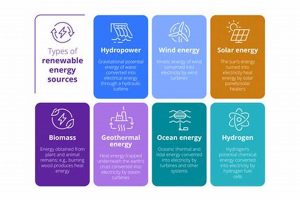
Technology type represents a pivotal factor influencing renewable energy conversion costs. Different technologies exhibit varying cost structures related to materials, manufacturing, installation, operation, and maintenance. Solar photovoltaic (PV) and onshore wind power have witnessed substantial cost reductions in recent years, often making them the most economical options for large-scale deployments. Conversely, technologies like concentrated solar power (CSP), geothermal, and wave/tidal energy typically involve higher upfront capital costs, although ongoing operational costs can be lower in some cases. For example, a utility-scale solar PV project might require lower initial investment than a geothermal plant of comparable capacity, but the geothermal plant could offer more consistent energy output due to its independence from weather conditions.
The choice of technology influences not only the initial capital outlay but also the long-term financial viability of a renewable energy project. Factors such as the technology’s lifespan, efficiency, and maintenance requirements significantly impact overall costs. Solar PV panels typically have a lifespan of 25-30 years, while wind turbines can operate for 20-25 years. Geothermal plants, on the other hand, can have significantly longer operational lifespans. These variations in lifespan and maintenance needs contribute to the overall cost profile of each technology. For instance, while offshore wind power offers high energy yields, the challenging marine environment increases installation and maintenance costs compared to onshore wind farms.
Understanding the cost dynamics of different renewable energy technologies is essential for informed decision-making. Careful consideration of technology-specific costs, coupled with an assessment of local resource availability and policy landscape, allows stakeholders to optimize project economics and maximize the long-term benefits of renewable energy investments. Choosing the appropriate technology based on specific project requirements, geographical context, and financial constraints is crucial for successful and sustainable renewable energy deployment.
2. Scale of Deployment

Scale of deployment significantly influences the cost of transitioning to renewable energy. Larger-scale projects generally benefit from economies of scale, resulting in lower per-unit costs for equipment, installation, and operation. This cost reduction stems from factors such as bulk purchasing of materials, streamlined logistics, and optimized resource allocation. For instance, a large solar farm can negotiate lower prices for solar panels due to higher purchase volumes, and the installation process becomes more efficient with specialized teams and equipment. Conversely, smaller-scale projects, like rooftop solar installations on individual homes, often incur higher per-unit costs due to limited purchasing power and individualized installation processes. A community-wide solar project, aggregating multiple rooftops, could achieve cost savings through bulk purchasing and coordinated installation, demonstrating the impact of scale.
The relationship between scale and cost extends beyond initial capital expenditures. Larger renewable energy projects often benefit from operational efficiencies, leading to lower ongoing costs. A large wind farm, for example, can employ dedicated maintenance teams and specialized equipment, optimizing maintenance schedules and reducing downtime. This centralized approach to operations and maintenance contributes to lower long-term costs compared to managing numerous smaller, dispersed wind turbines. Similarly, large-scale solar farms can implement sophisticated monitoring and control systems to optimize energy production and minimize operational expenses. These operational advantages further amplify the cost benefits associated with larger-scale renewable energy deployments.
Understanding the impact of scale on renewable energy costs is crucial for effective planning and investment. Policymakers can leverage this understanding to incentivize larger-scale projects, accelerating the transition to renewable energy while minimizing costs. Project developers can optimize project design and financing strategies to maximize economies of scale, enhancing project viability and attracting investment. Recognizing the cost advantages of scale enables stakeholders to make informed decisions, driving cost-effective and impactful renewable energy deployments that contribute to a sustainable energy future.
3. Geographic Location

Geographic location plays a crucial role in determining the cost-effectiveness of renewable energy projects. Resource availability, such as solar irradiance, wind speeds, or geothermal activity, varies significantly across regions, directly impacting energy output and project viability. Furthermore, local infrastructure, permitting processes, and labor costs influence overall project expenses.
- Resource Availability
Regions with abundant renewable resources offer significant cost advantages. Areas with high solar irradiance, for example, require smaller solar farms to generate the same amount of electricity compared to locations with less sunlight. Similarly, regions with consistent strong winds are ideal for wind energy projects, maximizing energy production and reducing per-unit costs. Conversely, areas with limited renewable resources may necessitate larger, more expensive installations or exploration of less conventional, potentially higher-cost technologies.
- Infrastructure Accessibility
Existing grid infrastructure and proximity to transmission lines significantly impact project costs. Areas with readily accessible grid connections minimize the need for expensive new transmission lines, reducing overall project expenses. Conversely, remote locations lacking adequate grid infrastructure require substantial investment in new transmission lines, increasing project costs. For example, connecting a remote wind farm to the main grid might require building hundreds of miles of new transmission lines, adding significantly to the total project cost.
- Regulatory and Permitting Landscape
Local regulations and permitting processes can influence project timelines and costs. Streamlined permitting processes in some regions facilitate faster project development, reducing administrative expenses and accelerating project completion. Conversely, complex and lengthy permitting procedures can introduce delays and increase costs. Differences in local building codes and environmental regulations can also impact project design and expenses. For instance, stringent environmental regulations might necessitate costly mitigation measures, influencing overall project economics.
- Labor Costs and Availability
Labor costs and the availability of skilled labor vary geographically, affecting project expenses. Regions with lower labor costs and a readily available skilled workforce can reduce installation and maintenance expenses. Conversely, areas with high labor costs or a shortage of skilled workers might increase project costs and complicate project execution. For example, a project located in an area with a strong union presence and high prevailing wages could face significantly higher labor costs compared to a project in a region with lower labor rates.
Considering these geographic factors is essential for accurate cost projections and successful renewable energy deployment. Evaluating resource availability, infrastructure accessibility, regulatory landscape, and labor costs allows stakeholders to optimize project location and minimize expenses. A comprehensive understanding of geographic influences enables informed decision-making, facilitating cost-effective and sustainable renewable energy transitions.
4. Existing Infrastructure

Existing energy infrastructure significantly influences the cost of transitioning to renewable sources. Evaluating current infrastructure is crucial for assessing upgrade requirements, grid integration challenges, and potential cost savings. Understanding the interplay between existing infrastructure and renewable energy integration is essential for effective planning and cost optimization.
- Grid Compatibility
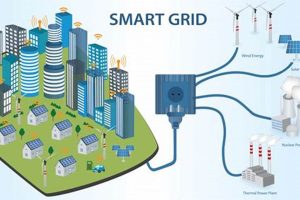
Integrating renewable energy sources, particularly intermittent sources like solar and wind, necessitates grid modernization. Existing grid infrastructure designed for centralized, predictable fossil fuel generation may require upgrades to accommodate decentralized, variable renewable energy. These upgrades can involve enhancing transmission lines, installing smart grid technologies, and improving grid management systems. For instance, integrating a large-scale solar farm into an aging grid might require upgrading transformers and substations to handle the fluctuating power flow, impacting overall project costs. Conversely, regions with modern, flexible grids may experience smoother and less costly integration of renewable resources.
- Transmission and Distribution Networks
The capacity and reach of existing transmission and distribution networks play a critical role in renewable energy integration costs. If renewable energy generation is located far from consumption centers, substantial investments in new transmission lines might be necessary. Upgrading existing lines to handle increased capacity from renewable sources can also add to project expenses. For example, connecting offshore wind farms to onshore grids requires specialized undersea cables and onshore substations, contributing significantly to project costs. Utilizing existing transmission corridors or proximity to demand centers can minimize these expenses.
- Energy Storage Capacity
Existing energy storage capacity influences the need for additional storage solutions when integrating intermittent renewable energy. Regions with existing pumped hydro storage facilities, for instance, might require less investment in battery storage compared to areas with limited storage capacity. The cost of installing new storage solutions, such as batteries or pumped hydro, adds to the overall cost of renewable energy integration. Leveraging existing storage assets or exploring alternative storage options like thermal storage can optimize costs.
- Fossil Fuel Infrastructure Repurposing
Repurposing existing fossil fuel infrastructure can offer cost-effective pathways for renewable energy integration. Decommissioned coal power plants, for example, can be retrofitted to house biomass or geothermal power generation facilities, utilizing existing grid connections and reducing infrastructure development costs. Similarly, existing natural gas pipelines can be adapted for transporting hydrogen or other renewable fuels. This repurposing approach minimizes the need for entirely new infrastructure, potentially lowering overall transition costs.
The state of existing infrastructure significantly shapes the financial landscape of renewable energy conversion. Assessing grid compatibility, transmission capacity, storage needs, and repurposing opportunities allows for accurate cost projections and informed decision-making. Strategically leveraging existing infrastructure while addressing upgrade requirements can minimize costs and accelerate the transition to a sustainable energy future. A comprehensive understanding of existing infrastructure is essential for optimizing investment strategies and ensuring a cost-effective and efficient renewable energy transition.
5. Government Policies

Government policies exert a profound influence on the cost of transitioning to renewable energy. Supportive policies can significantly reduce financial barriers, accelerating renewable energy adoption, while unfavorable policies can hinder progress. Understanding the impact of government interventions is crucial for accurate cost projections and effective policy design.
Financial Incentives: Subsidies, tax credits, and grants can directly reduce the upfront costs of renewable energy technologies, making them more competitive with conventional energy sources. Feed-in tariffs, which guarantee a fixed price for renewable energy fed into the grid, provide revenue stability and encourage investment. Renewable portfolio standards (RPS), mandating a certain percentage of electricity generation from renewable sources, create market demand and stimulate growth in the renewable energy sector. For example, the Investment Tax Credit in the United States has significantly reduced the cost of solar and wind energy projects, driving rapid growth in these sectors. Conversely, the absence of such incentives or the presence of subsidies for fossil fuels can create an uneven playing field, hindering renewable energy deployment.
Regulatory Frameworks: Streamlined permitting processes for renewable energy projects can reduce administrative costs and accelerate project timelines. Clear and consistent regulations provide certainty for investors, encouraging long-term commitments. Conversely, complex and lengthy permitting procedures can introduce delays, increase costs, and deter investment. For example, some countries have established dedicated renewable energy permitting agencies to expedite project approvals, reducing development costs and facilitating faster deployment. Building codes that incorporate renewable energy requirements can further stimulate adoption, though overly stringent or poorly designed regulations can create unnecessary burdens.
Carbon Pricing Mechanisms: Carbon taxes or cap-and-trade systems internalize the environmental costs of fossil fuels, making renewable energy sources more economically competitive. These mechanisms create financial incentives for businesses and consumers to reduce carbon emissions, driving demand for cleaner energy alternatives. For example, the European Union Emissions Trading System has established a market for carbon allowances, incentivizing businesses to reduce emissions and invest in renewable energy. The effectiveness of carbon pricing depends on the level of the price signal and the design of the policy.
Research and Development Support: Government funding for research and development of renewable energy technologies can drive innovation, improve efficiency, and reduce costs over time. Investing in early-stage technologies, such as next-generation solar cells or advanced energy storage solutions, can create breakthroughs that accelerate the transition to a sustainable energy future. Public-private partnerships can leverage the expertise and resources of both sectors, accelerating the commercialization of promising renewable energy technologies. For example, government funding for research on high-efficiency solar cells has contributed to significant cost reductions and performance improvements in recent years.
International Cooperation: International agreements and collaborations on climate change and renewable energy can facilitate knowledge sharing, technology transfer, and coordinated policy approaches. These efforts can accelerate the global transition to renewable energy, driving down costs through economies of scale and collaborative innovation. For example, the Paris Agreement establishes a framework for international cooperation on climate change mitigation, including promoting renewable energy deployment.
Government policies play a decisive role in shaping the economic landscape of renewable energy. Supportive policies can significantly reduce costs, accelerate adoption, and foster a sustainable energy future. Understanding the diverse policy mechanisms and their impact on renewable energy costs is essential for effective policy design and successful implementation. A comprehensive and coordinated policy approach is crucial for navigating the complex challenges and maximizing the benefits of the renewable energy transition.
Frequently Asked Questions
This section addresses common inquiries regarding the financial aspects of transitioning to renewable energy. Clear and concise responses aim to dispel misconceptions and provide accurate information.
Question 1: What are the primary cost components of a renewable energy project?
Primary costs include initial capital expenses (equipment, installation, land acquisition), ongoing operational and maintenance expenses, grid connection costs, and financing charges. Energy storage solutions, if required, also contribute to overall project costs.
Question 2: How do renewable energy costs compare to conventional energy costs?
Renewable energy technologies, particularly solar and wind, have experienced significant cost reductions, making them increasingly competitive with conventional energy sources. Long-term cost comparisons should consider fluctuating fuel prices, environmental externalities, and long-term operational expenses.
Question 3: How do government incentives influence renewable energy project costs?
Government incentives, such as tax credits, subsidies, and grants, can significantly reduce upfront capital costs, enhancing project viability and accelerating renewable energy adoption.
Question 4: What is the role of financing in renewable energy projects?
Various financing options, including loans, equity investments, and public-private partnerships, are available to support renewable energy projects. Favorable financing terms are crucial for project affordability and successful implementation.
Question 5: How does the lifespan of renewable energy technologies impact overall costs?
Renewable energy technologies have varying lifespans, influencing long-term cost considerations. Factors such as equipment durability, maintenance requirements, and decommissioning costs should be factored into overall cost assessments.
Question 6: What are the potential economic benefits of transitioning to renewable energy?
Economic benefits include job creation in the renewable energy sector, reduced reliance on imported fossil fuels, increased energy independence, and decreased healthcare costs associated with air pollution.
Careful consideration of these factors contributes to a comprehensive understanding of renewable energy costs. Further research and consultation with experts are encouraged for detailed project-specific assessments.
The following section provides detailed case studies illustrating the practical application of these cost considerations in real-world renewable energy projects.
Conclusion
Determining the expense of transitioning to renewable energy presents a complex calculation involving numerous variables. This exploration has highlighted key factors influencing these costs, including technology choices, deployment scale, geographic considerations, existing infrastructure, and the impact of government policies. While substantial upfront investments are required, the long-term economic and environmental benefits of renewable energy transition warrant careful consideration. Understanding the interplay of these factors is crucial for informed decision-making and successful project implementation.
The transition to renewable energy represents a significant undertaking with profound implications for global economies and the environment. Continued technological advancements, supportive policies, and increasing public awareness promise to further reduce costs and accelerate this essential transition. A comprehensive understanding of the financial landscape, coupled with strategic planning and collaborative efforts, will pave the way for a sustainable energy future powered by renewable resources.