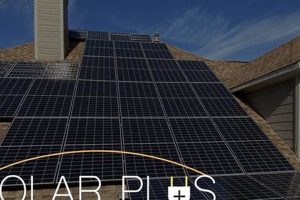
Harnessing the sun’s radiant power provides a virtually inexhaustible source of electricity and heat. This type of energy relies on constantly replenished natural processes, unlike finite fossil fuels, ensuring long-term availability. An example of this is photovoltaic technology, which converts sunlight directly into electricity using semiconductor materials.
The significance of utilizing this resource lies in its reduced environmental impact compared to traditional energy sources. Benefits include lower greenhouse gas emissions, decreased air pollution, and a lessened dependence on foreign energy markets. Historically, the practical application of solar power can be traced back to simple solar water heating systems, which have now evolved into sophisticated grid-scale power plants.
This article will explore the various technologies involved in capturing and utilizing solar energy, the economic considerations surrounding its implementation, and the ongoing research aimed at improving its efficiency and affordability. Furthermore, policy incentives and the role of solar power in achieving global sustainability goals will be examined.
Harnessing Sunlight
The effective integration of sunlight-derived power requires careful planning and execution. The following tips provide guidance for maximizing its potential benefits.
Tip 1: Assess Solar Resource Availability: Prior to investment, conduct a thorough assessment of the solar irradiance levels at the intended location. Geographic location, cloud cover patterns, and seasonal variations significantly impact energy production. Utilize tools like the National Renewable Energy Laboratory’s (NREL) PVWatts Calculator to estimate energy yield.
Tip 2: Optimize System Orientation and Tilt: The angle and direction of solar panels directly influence their ability to capture sunlight. Consult with experienced solar installers to determine the optimal tilt and azimuth angles for maximizing energy production throughout the year. Consider adjustable racking systems for seasonal adjustments.
Tip 3: Select High-Efficiency Components: Invest in high-efficiency solar panels and inverters to maximize energy conversion. Research panel performance warranties and inverter reliability ratings to ensure long-term performance and minimize maintenance costs. Consider microinverters or power optimizers for systems with shading challenges.
Tip 4: Implement Energy Storage Solutions: To address the intermittent nature of solar power, incorporate energy storage solutions such as battery systems. This enables the storage of excess energy generated during peak sunlight hours for use during periods of low sunlight or at night, enhancing system reliability and grid independence.
Tip 5: Prioritize System Monitoring and Maintenance: Regularly monitor system performance to identify potential issues early on. Schedule preventative maintenance inspections, including panel cleaning and wiring checks, to ensure optimal system operation and longevity. Utilize remote monitoring systems for real-time performance data.
Tip 6: Explore Available Incentives and Financing Options: Research and leverage available government incentives, tax credits, and rebates to reduce the initial investment cost. Explore various financing options, such as solar loans, power purchase agreements (PPAs), and leases, to make solar power more accessible and affordable.
Effective implementation requires a comprehensive understanding of resource availability, system design, component selection, and ongoing maintenance. By considering these factors, the potential of sunlight-derived power can be realized, contributing to a sustainable energy future.
The following sections will delve into the economic and environmental implications of sunlight-derived power on a larger scale.
1. Inexhaustible Source

The classification of solar energy as a renewable resource is fundamentally linked to its status as an inexhaustible source. The sun’s energy, derived from nuclear fusion, is projected to continue radiating for billions of years, thereby guaranteeing a continuous supply of energy for human use. This stands in stark contrast to finite fossil fuels, where extraction depletes available reserves. The Earth intercepts a substantial amount of solar radiation daily, far exceeding current global energy consumption. The effective utilization of even a small fraction of this incident energy can significantly reduce reliance on non-renewable resources.
The importance of this inexhaustible nature lies in its potential to provide long-term energy security. The transition to solar energy mitigates the risks associated with volatile fossil fuel markets and geopolitical instability. Furthermore, because the source is inherently limitless, energy costs are primarily associated with the infrastructure required for capture and conversion, rather than the acquisition of a diminishing resource. Consider the case of remote communities lacking access to grid electricity; solar power provides a reliable and sustainable source of electricity without dependence on fuel deliveries or centralized power plants.
Understanding solar energy’s inexhaustible nature is of practical significance for energy planning and policy development. Investment in solar infrastructure, supported by appropriate regulations and incentives, fosters energy independence and reduces greenhouse gas emissions. The scalability of solar technologies, from small-scale residential installations to large-scale solar farms, enables a flexible and adaptable approach to meeting diverse energy needs. While challenges remain in optimizing energy storage and grid integration, the inherent abundance of solar radiation positions it as a cornerstone of a sustainable energy future.
2. Clean Energy
The designation of solar power as a clean energy source stems directly from its minimal environmental impact during electricity generation. Unlike fossil fuels, sunlight-derived power does not involve the combustion of organic materials, thus precluding the release of greenhouse gases, particulate matter, and other harmful air pollutants into the atmosphere. This absence of direct emissions is a primary reason for categorizing it as a key component of environmentally responsible energy strategies. For example, transitioning from coal-fired power plants to solar installations demonstrably reduces regional air pollution levels, improving public health outcomes.
The importance of “clean energy” within the framework of solar power is multifaceted. Reduced air pollution translates to fewer respiratory illnesses and associated healthcare costs. Mitigation of greenhouse gas emissions contributes to slowing climate change, reducing the risk of extreme weather events and sea-level rise. Furthermore, the decentralized nature of solar installations enhances energy security by lessening reliance on centralized power grids and imported fuels. For instance, solar-powered water heating systems provide a sustainable alternative to electric or gas-powered systems, lowering household carbon footprints.
However, the life cycle of solar technologies involves some environmental considerations. Manufacturing solar panels requires energy and materials, and end-of-life disposal presents challenges regarding recycling and waste management. Ongoing research focuses on developing more sustainable manufacturing processes, improving panel recyclability, and minimizing the overall environmental footprint of solar energy systems. Despite these challenges, the benefits of solar energy as a clean energy source far outweigh the environmental costs associated with fossil fuel alternatives, making it a critical element in achieving sustainable energy transitions.
3. Grid Integration

The successful incorporation of solar energy into existing electrical grids, termed grid integration, represents a critical determinant of its viability as a widespread renewable energy source. The intermittent nature of solar irradiance, influenced by weather patterns and diurnal cycles, poses a significant challenge to maintaining a stable and reliable electricity supply. Grid integration encompasses the technological and operational strategies employed to address this variability and ensure that solar-generated power can seamlessly supplement or replace conventional sources. For example, advanced forecasting models predict solar power output, allowing grid operators to proactively adjust generation from other sources to compensate for fluctuations. Without effective integration mechanisms, large-scale solar deployment can destabilize grid frequency and voltage, leading to power outages.
Effective grid integration necessitates investments in grid infrastructure, including upgrades to transmission lines and distribution networks to accommodate the flow of electricity from geographically dispersed solar installations. Smart grid technologies, such as advanced metering infrastructure and real-time monitoring systems, enable enhanced grid control and responsiveness. Energy storage solutions, including battery storage systems and pumped hydro storage, provide a means to buffer the variability of solar power and deliver electricity when demand is high and sunlight is limited. The implementation of these technologies requires careful planning and coordination to ensure cost-effectiveness and compatibility with existing grid assets. For instance, California’s efforts to integrate increasing amounts of solar power have involved significant investments in grid modernization and energy storage projects.
In conclusion, grid integration is not merely an ancillary consideration but a fundamental requirement for realizing the full potential of solar power. Overcoming the challenges associated with intermittent generation and ensuring grid stability are essential for establishing solar energy as a reliable and sustainable component of the energy mix. As solar deployment continues to expand, ongoing research and development efforts focused on advanced grid integration technologies will be crucial for optimizing system performance and minimizing the impact on grid operations. The economic and environmental benefits of solar energy are directly contingent upon the successful integration of this renewable resource into the existing electrical infrastructure.
4. Photovoltaic Conversion

Photovoltaic conversion represents the direct transformation of sunlight into electricity through the photovoltaic effect, a phenomenon central to the practical application of sunlight-derived power. This process fundamentally enables the utilization of solar energy as a renewable resource, shaping its accessibility, scalability, and overall environmental impact.
- Semiconductor Materials and the Photovoltaic Effect
The core of photovoltaic conversion lies in the use of semiconductor materials, typically silicon, engineered to create an electric field. When photons from sunlight strike the semiconductor material, they excite electrons, causing them to flow through an electrical circuit, generating electricity. This effect enables the direct production of electricity without moving parts or combustion, a feature critical to the long-term operational stability of solar energy systems. Modern solar cells often employ thin-film technologies or advanced materials like perovskites to enhance efficiency and reduce manufacturing costs.
- Solar Cell Design and Module Fabrication
Individual photovoltaic cells are interconnected and encapsulated into solar modules to increase voltage and current output. Module design focuses on maximizing sunlight capture and minimizing energy losses due to reflection, shading, or temperature effects. High-quality modules are designed to withstand environmental stresses like wind, rain, and temperature fluctuations, ensuring decades of reliable performance. Bifacial solar panels capture sunlight on both sides, further increasing energy generation per unit area.
- Efficiency and Performance Factors
The efficiency of photovoltaic conversion, defined as the ratio of electrical power output to incident solar power, is a key determinant of system performance. Factors affecting efficiency include the semiconductor material, cell design, operating temperature, and the spectrum of incident sunlight. While commercially available silicon-based solar panels typically achieve efficiencies of 15-22%, ongoing research aims to develop more efficient technologies, such as multi-junction cells and concentrator photovoltaics, that can exceed 40% efficiency.
- Applications and Scalability
Photovoltaic conversion technology is highly versatile, ranging from small-scale applications like powering calculators and remote sensors to large-scale solar farms that generate electricity for entire cities. The modular nature of solar panels allows for flexible deployment, catering to diverse energy needs across residential, commercial, and industrial sectors. Furthermore, photovoltaic systems can be integrated into building materials, such as solar roof tiles and facades, enhancing architectural design while generating clean energy.
The continued advancement of photovoltaic conversion technology is essential for the widespread adoption of sunlight-derived power. Improvements in efficiency, durability, and cost-effectiveness will further enhance the competitiveness of solar energy, accelerating the transition towards a sustainable energy future. The ability to directly convert sunlight into electricity without emissions underscores the critical role of photovoltaic conversion in realizing the environmental and economic benefits associated with sunlight-derived power.
5. Thermal Applications

The link between thermal applications and solar energy fundamentally resides in the utilization of solar radiation to generate heat, a direct manifestation of its renewable nature. Solar thermal systems capture sunlight and convert it into thermal energy, employed for diverse purposes ranging from heating water and buildings to driving industrial processes. This conversion process eliminates reliance on fossil fuels for heat generation, diminishing carbon emissions and mitigating environmental impact. A direct cause-and-effect relationship exists: increased adoption of solar thermal technologies results in a reduced demand for conventional heating sources, thus decreasing overall greenhouse gas emissions. The integration of solar thermal systems significantly enhances the scope of solar’s impact as a clean energy source beyond electricity production.
Solar water heating systems exemplify a widespread thermal application. In residential settings, these systems utilize solar collectors to heat water for domestic use, significantly lowering energy bills and reducing dependence on electric or gas water heaters. Concentrated solar power (CSP) plants represent large-scale thermal applications. CSP plants employ mirrors or lenses to focus sunlight onto a receiver, which heats a working fluid (e.g., molten salt) to generate steam, driving turbines to produce electricity. These plants can also incorporate thermal energy storage, allowing for electricity generation even during periods of low sunlight or at night. Industrial processes also benefit from solar thermal applications; solar-heated air can be used for drying crops, pasteurizing milk, or powering desalination plants.
In summary, the application of solar energy for thermal purposes expands its relevance as a sustainable alternative to traditional energy sources. While challenges exist in optimizing system efficiency and storage, the capacity to harness sunlight for heat generation presents a significant pathway towards reducing reliance on fossil fuels and promoting a cleaner energy future. The continued advancement and adoption of solar thermal technologies are essential to maximize solar power’s positive contributions to environmental sustainability and energy security. This expansion complements photovoltaic generation, enhancing solar’s role in meeting diverse energy demands.
6. Energy Storage
The critical connection between energy storage and sunlight-derived power lies in the intermittent nature of solar irradiance. Solar energy production fluctuates based on weather conditions and time of day. Without effective storage mechanisms, the availability of electricity generated from sunlight is not consistently aligned with consumer demand. Energy storage systems mitigate this intermittency by storing excess electricity generated during peak sunlight hours for use during periods of low solar generation or high demand. This allows sunlight-derived power to function as a reliable and dispatchable energy source, rather than a variable one. The cause-and-effect relationship is clear: implementing storage solutions leads to increased grid stability and greater utilization of solar energy.
Various energy storage technologies exist, each with unique characteristics and applications. Battery storage systems, such as lithium-ion batteries, are becoming increasingly prevalent due to their declining costs and improving energy density. Pumped hydro storage, which involves pumping water uphill to a reservoir and releasing it through turbines to generate electricity when needed, offers large-scale storage capacity. Thermal energy storage, employed in concentrated solar power plants, stores heat in molten salt or other materials for later electricity generation. Real-world examples of the importance of storage include solar-plus-storage projects that provide backup power for critical infrastructure, ensuring continuous operation during grid outages. In California, for instance, large-scale battery storage projects are helping to balance the grid as the state transitions to a higher percentage of sunlight-derived and other renewable energy sources.
In conclusion, energy storage is not merely an adjunct to sunlight-derived power but an essential component for its effective integration into the electricity grid. Addressing the challenges of intermittency through diverse storage technologies enhances grid reliability, enables greater utilization of sunlight-derived power, and promotes a more sustainable energy future. The practical significance of understanding this relationship is underscored by the growing investment in energy storage solutions worldwide and their pivotal role in transitioning to a decarbonized energy system. Further advancements in storage technology and grid management will be crucial in maximizing the potential of sunlight-derived power and achieving long-term energy sustainability.
7. Environmental Impact

The relationship between solar power and environmental impact is multifaceted, primarily characterized by a reduction in carbon emissions and pollution compared to fossil fuel-based energy generation. The central premise is that sunlight-derived power, as a renewable resource, inherently avoids the direct combustion of organic materials. This eliminates the release of greenhouse gases, sulfur dioxide, nitrogen oxides, and particulate matter associated with coal, oil, and natural gas power plants. The implementation of solar power demonstrably reduces the adverse effects of climate change, air pollution, and acid rain. For example, regions transitioning to solar energy have experienced tangible improvements in air quality, contributing to better public health outcomes. This is a direct consequence of displacing conventional power sources.
While solar energy production mitigates many environmental issues, it is not entirely without impact. The manufacturing of photovoltaic panels and concentrated solar power components requires energy and resources. Mining activities for raw materials, such as silicon and rare earth elements, can lead to habitat disruption and water pollution if not properly managed. The disposal of solar panels at the end of their lifecycle also presents environmental challenges, particularly if recycling infrastructure is inadequate. However, ongoing research is focused on developing more sustainable manufacturing processes, improving panel recyclability, and minimizing the overall environmental footprint. The deployment of solar farms can also affect land use patterns, requiring careful consideration of site selection to minimize impacts on ecosystems and agricultural lands.
In conclusion, the net environmental impact of solar power is significantly positive when compared to fossil fuel alternatives. The reduction in greenhouse gas emissions and air pollution outweighs the environmental costs associated with manufacturing and disposal, provided that responsible practices are implemented. The continued development of sustainable manufacturing processes, effective recycling programs, and careful land-use planning will further enhance the environmental benefits of solar power. Understanding this complex relationship is essential for informed decision-making and the responsible implementation of solar energy as a key component of a sustainable energy future. The practical significance of this understanding lies in the ability to mitigate environmental damage while simultaneously transitioning to a cleaner and more reliable energy supply.
Frequently Asked Questions Regarding Sunlight-Derived Power
The following section addresses common inquiries related to the nature, viability, and implementation of sunlight-derived power. The aim is to provide clear and concise answers grounded in scientific and technical understanding.
Question 1: Is sunlight-derived power truly renewable, given the energy required to manufacture solar panels?
While the production of solar panels involves energy input, the energy payback timethe time it takes for a solar panel to generate the amount of energy used in its manufactureis typically between 1 and 4 years. Given a lifespan of 25-30 years, solar panels generate significantly more energy than is consumed in their production, solidifying their status as a renewable energy source.
Question 2: Does sunlight-derived power contribute to greenhouse gas emissions during its operation?
Unlike fossil fuel-based power generation, sunlight-derived power systems do not directly emit greenhouse gases during operation. The generation of electricity from sunlight is a clean process that avoids the combustion of organic materials, thereby minimizing the contribution to climate change.
Question 3: How does the intermittent nature of sunlight affect the reliability of power?
The variability of sunlight irradiance presents a challenge to grid stability. Energy storage technologies, such as batteries and pumped hydro, are essential for mitigating this intermittency by storing excess electricity during peak sunlight hours for use during periods of low solar generation.
Question 4: What are the primary environmental concerns associated with solar panel production and disposal?
Concerns include the extraction of raw materials used in solar panel manufacturing, the energy consumption during production, and the management of end-of-life panels. Responsible recycling programs and sustainable manufacturing practices are critical to minimizing these impacts.
Question 5: Can sunlight-derived power effectively meet global energy demands?
Sunlight-derived power has the potential to meet a significant portion of global energy demands. The amount of solar energy reaching the Earth’s surface far exceeds current energy consumption. Widespread adoption of solar technologies, coupled with grid modernization and energy storage solutions, is necessary to realize this potential.
Question 6: What are the key factors influencing the economic viability of sunlight-derived power?
Factors include the cost of solar panels, installation costs, available government incentives, electricity prices, and the cost of financing. Continued advancements in solar technology and supportive policies are essential for enhancing the economic competitiveness of sunlight-derived power.
Sunlight-derived power represents a viable and sustainable alternative to conventional energy sources. Continued research, technological innovation, and supportive policies are crucial for maximizing its potential and addressing existing challenges.
The following sections will focus on the benefits, challenges, and future outlook related to increased adoption of this key form of renewable energy.
Is Solar Renewable Energy
This exploration has established the fundamental nature of sunlight-derived power as a renewable resource. The inherent inexhaustibility of solar radiation, coupled with technological advancements in photovoltaic conversion and thermal applications, positions it as a viable alternative to finite fossil fuels. While challenges exist regarding intermittency and environmental impact during manufacturing and disposal, the overall benefits, particularly in emissions reduction and long-term energy security, are substantial.
Continued investment in research and development, coupled with supportive policy frameworks, is crucial for realizing the full potential of sunlight-derived energy. Future efforts must prioritize enhanced grid integration, improved energy storage solutions, and sustainable manufacturing practices. Only through a comprehensive and informed approach can the benefits of sunlight-derived power be maximized, contributing significantly to a sustainable global energy future and mitigating the adverse effects of climate change.


![Why Solar is a Renewable Source of Energy [Benefits] | Renewable Energy Solutions for a Sustainable Future | Clean & Green Power](https://pplrenewableenergy.com/wp-content/uploads/2026/04/th-454-300x200.jpg "Why Solar is a Renewable Source of Energy [Benefits] Renewable Energy Solutions for a Sustainable Future | Clean & Green Power")