Assessing the potential of renewable energy sources requires a balanced understanding of their positive and negative attributes. For example, while solar power offers a clean energy solution, its effectiveness is dependent on weather conditions. This balanced perspective is crucial for informed decision-making in energy policy and investment.
A comprehensive evaluation of energy options is critical for a sustainable future. The transition to cleaner energy sources addresses concerns about climate change, resource depletion, and energy security. Historically, reliance on fossil fuels has shaped global energy landscapes. Exploring alternatives like solar, wind, hydro, and geothermal power offers a path towards diversifying energy portfolios and mitigating environmental risks.
The following sections delve deeper into the specific merits and drawbacks of various renewable energy technologies, providing a detailed analysis to facilitate informed evaluations.
Practical Considerations for Renewable Energy Adoption
Careful evaluation of both the benefits and limitations of renewable energy sources is essential for successful implementation. The following tips provide guidance for navigating the complexities of renewable energy integration.
Tip 1: Conduct a Thorough Resource Assessment: The viability of specific renewable energy technologies depends on local resource availability. Solar power requires ample sunlight, while wind power necessitates consistent wind speeds. A detailed assessment of available resources is crucial for selecting appropriate technologies.
Tip 2: Consider Geographic Factors: Terrain, proximity to transmission infrastructure, and environmental sensitivity are critical factors. Steep slopes may be unsuitable for large-scale solar installations, while remote locations can pose challenges for grid connection.
Tip 3: Evaluate Economic Viability: Analyze the lifecycle costs of renewable energy systems, including installation, operation, and maintenance. Factor in potential government incentives and long-term energy cost savings.
Tip 4: Assess Environmental Impacts: While generally considered environmentally friendly, renewable energy technologies can have localized impacts. Consider land use requirements, potential wildlife disruptions, and water usage for certain technologies.
Tip 5: Plan for Intermittency: Solar and wind power are intermittent resources, meaning their output fluctuates depending on weather conditions. Strategies like energy storage solutions or grid integration with other renewable sources are essential for reliable power supply.
Tip 6: Engage Stakeholders: Successful renewable energy projects often require community support and collaboration with various stakeholders. Open communication and engagement can address concerns and facilitate project acceptance.
Tip 7: Stay Informed about Technological Advancements: The renewable energy sector is constantly evolving. Staying abreast of the latest technological developments can help optimize system performance and cost-effectiveness.
By considering these factors, decision-makers can effectively harness the potential of renewable energy while mitigating potential drawbacks. A comprehensive approach that balances both positive and negative aspects is crucial for successful and sustainable energy transitions.
The concluding section synthesizes these considerations to offer a holistic perspective on the future of renewable energy.
1. Environmental Benefits

A primary driver for renewable energy adoption stems from its significant environmental advantages. Renewable sources, unlike fossil fuels, produce little to no greenhouse gas emissions during operation. This reduction in emissions directly addresses climate change, a critical global challenge. Furthermore, renewable energy reduces reliance on finite fossil fuel reserves, promoting resource conservation and mitigating the environmental damage associated with extraction and transportation. For example, solar farms minimize land disruption compared to coal mining, while wind turbines avoid the risks of oil spills. These environmental benefits contribute significantly to the overall positive assessment of renewable energy technologies.
However, it’s crucial to acknowledge that even renewable energy sources have some environmental impacts. Manufacturing solar panels requires energy and specific materials, and their disposal at the end of their lifespan presents challenges. Hydroelectric dams can alter river ecosystems, impacting fish migration and water quality. Wind turbines can pose risks to bird and bat populations. A comprehensive analysis of environmental benefits must consider these potential drawbacks alongside the substantial positive contributions. Life cycle assessments provide a valuable tool for quantifying these impacts and informing decision-making.
Understanding the complexities of these environmental trade-offs is crucial for effectively leveraging renewable energy’s potential. While the overall environmental benefits are substantial, acknowledging and mitigating potential negative impacts are essential for truly sustainable energy solutions. Ongoing research and technological advancements continue to address these challenges, further enhancing the environmental profile of renewable energy sources and contributing to a cleaner, more sustainable future.
2. Resource Availability

Resource availability significantly influences the viability and effectiveness of renewable energy technologies. The geographic distribution of resources like sunlight, wind, and water dictates which technologies are most suitable for specific locations. Regions with abundant sunshine are ideal for solar power generation, while consistently strong winds favor wind energy installations. Hydropower relies on access to flowing water, often necessitating dam construction, which introduces its own set of environmental and social considerations. Geothermal energy requires access to geologically active areas with accessible heat sources. This inherent dependence on resource availability presents both advantages and disadvantages for renewable energy implementation.
The uneven distribution of resources creates regional disparities in renewable energy potential. Coastal regions may benefit from strong offshore winds, while inland desert areas might be ideal for large-scale solar farms. This variability necessitates careful resource assessment and strategic planning to maximize the effectiveness of renewable energy projects. For example, Germany, with limited solar resources, has invested heavily in offshore wind farms, while Spain, with abundant sunshine, has focused on solar photovoltaic installations. Understanding these regional differences is crucial for optimizing resource utilization and achieving renewable energy targets.
Resource availability also influences the intermittency of renewable energy generation. Solar power output fluctuates with cloud cover and daylight hours, while wind power depends on wind speeds. This intermittency poses challenges for grid stability and requires strategies like energy storage or grid management solutions. Addressing the intermittency challenge through technological innovation and strategic integration with other energy sources is crucial for maximizing the reliability and effectiveness of renewable energy systems. Ultimately, careful consideration of resource availability is paramount for successful and sustainable renewable energy implementation, driving informed decision-making and optimizing the transition to a cleaner energy future.
3. Intermittency Challenges
Intermittency, the fluctuating nature of renewable energy sources like solar and wind, presents a significant challenge in their widespread adoption. Solar power generation is directly dependent on sunlight availability, varying with weather conditions and time of day. Similarly, wind power output fluctuates with wind speeds, which are inherently unpredictable. This variability poses a fundamental challenge to grid stability, requiring careful management of supply and demand to ensure a reliable flow of electricity. The inability of these resources to provide consistent, on-demand power necessitates strategies to mitigate intermittency’s impact, impacting the overall assessment of renewable energy’s advantages and disadvantages. For instance, a sudden drop in wind speed can lead to a power shortfall if not addressed by backup power sources or energy storage solutions. Similarly, reliance on solar power requires mechanisms to manage the decrease in generation during nighttime hours.
Addressing intermittency challenges requires a multi-faceted approach. Energy storage technologies, like batteries and pumped hydro storage, can store excess energy generated during peak production periods and release it when generation is low. Grid management strategies, including demand-side management and smart grids, can optimize energy consumption patterns to better match intermittent supply. Diversifying renewable energy sources within a grid can also mitigate intermittency’s impact. Combining solar and wind power, which often have complementary generation patterns, can create a more stable overall energy output. Furthermore, integrating renewable energy with conventional power sources, such as natural gas or nuclear power, can provide a reliable backup during periods of low renewable generation. For example, regions with both strong solar and wind resources can implement hybrid systems to smooth out power fluctuations.
Overcoming intermittency challenges is crucial for realizing the full potential of renewable energy. While intermittency remains a significant hurdle, ongoing technological advancements in energy storage and grid management offer promising solutions. The practical significance of understanding and addressing intermittency cannot be overstated. Effective management of intermittency is essential for ensuring grid stability, reliability, and the successful integration of renewable energy sources into existing energy infrastructure. The future of renewable energy hinges on overcoming this challenge, paving the way for a sustainable and reliable energy future. Continued innovation and investment in these areas are essential to unlock the full potential of renewable energy sources and create a more resilient and sustainable energy system.
4. Infrastructure Costs

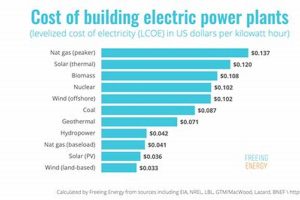
Infrastructure costs represent a significant factor in the economic viability of renewable energy projects, directly influencing the overall assessment of advantages and disadvantages. These costs encompass a range of expenses, including manufacturing, installation, grid connection, and maintenance. For example, constructing large-scale solar farms requires substantial upfront investment in land acquisition, solar panel production, and grid infrastructure upgrades. Similarly, offshore wind farms necessitate specialized vessels and infrastructure for turbine installation and maintenance in challenging marine environments. These initial capital expenditures can be significantly higher than those for conventional fossil fuel power plants, posing a potential barrier to widespread renewable energy adoption. The scale of investment required often necessitates government subsidies, tax incentives, and private sector partnerships to mitigate financial risks and encourage investment. Understanding the economic implications of infrastructure costs is essential for policymakers, investors, and project developers alike. For instance, the cost of installing transmission lines to connect remote renewable energy projects to the existing grid can add significantly to the overall project expenses.
However, while upfront infrastructure costs can be substantial, it is crucial to consider the long-term cost dynamics of renewable energy. Once operational, renewable energy sources have significantly lower operating costs compared to fossil fuel-based power plants. Solar and wind power, for example, require minimal fuel costs and have lower maintenance requirements than conventional power plants. This translates into long-term cost savings, eventually offsetting the initial capital investments. Furthermore, advancements in renewable energy technologies are continuously driving down manufacturing and installation costs, making them increasingly competitive with fossil fuels. The decreasing cost of solar photovoltaic panels over the past decade illustrates this trend. Considering both the upfront investments and long-term operational savings is crucial for accurately assessing the economic viability of renewable energy projects. Government policies that incentivize renewable energy development and promote technological innovation further enhance the long-term economic benefits. For example, feed-in tariffs can guarantee a fixed price for renewable energy generation, providing investors with long-term revenue stability and encouraging investment in new projects.
In conclusion, infrastructure costs play a pivotal role in evaluating the economic feasibility of renewable energy projects. While initial capital expenditures can be substantial, declining technology costs and long-term operational savings contribute to the increasing competitiveness of renewable energy sources. A comprehensive economic analysis that considers both upfront investments and long-term costs is essential for informed decision-making. Continued technological advancements and supportive government policies are further driving down costs and accelerating the transition to a more sustainable and affordable energy future. The ongoing transition toward renewable energy sources necessitates a holistic understanding of infrastructure costs, encompassing both their initial impact and long-term economic benefits. This understanding is crucial for shaping effective policies, mobilizing investments, and ultimately achieving a successful and sustainable energy transition.
5. Technological Advancements

Technological advancements play a crucial role in shaping the landscape of renewable energy, directly impacting both its advantages and disadvantages. Advancements in areas such as materials science, manufacturing processes, and energy storage technologies significantly influence the efficiency, cost-effectiveness, and overall viability of renewable energy sources. For example, the development of more efficient photovoltaic cells has led to a substantial decrease in the cost of solar energy, making it increasingly competitive with conventional fossil fuels. Similarly, advancements in wind turbine design, including larger rotor diameters and improved blade aerodynamics, have increased energy capture efficiency and reduced the cost of wind power generation. These technological leaps forward drive the expansion and adoption of renewable energy, mitigating some of its inherent disadvantages and amplifying its benefits. The development of advanced battery technologies, for instance, addresses the intermittency challenges associated with solar and wind power by enabling efficient energy storage and on-demand power delivery. Such innovations are essential for grid stability and reliability as renewable energy penetration increases.
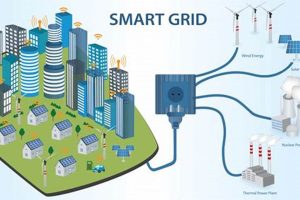
Furthermore, technological advancements influence the environmental impact of renewable energy technologies. Improvements in manufacturing processes can reduce the environmental footprint of producing solar panels and wind turbines. For example, research into alternative materials and recycling methods minimizes the reliance on rare earth minerals and reduces waste generation. Similarly, advancements in energy storage technologies are crucial for optimizing the use of renewable energy and reducing reliance on backup power from conventional sources. The development of solid-state batteries, for instance, offers potential advantages in terms of safety, energy density, and lifespan compared to traditional lithium-ion batteries. These ongoing advancements enhance the overall sustainability of renewable energy systems and contribute to their long-term environmental benefits. The emergence of smart grid technologies further optimizes the integration of renewable energy sources, improving grid management and minimizing transmission losses.
In conclusion, technological advancements are inextricably linked to the evolving advantages and disadvantages of renewable energy. Continuous innovation drives down costs, improves efficiency, and addresses key challenges such as intermittency and environmental impact. Understanding the dynamic interplay between technology and renewable energy is crucial for informed decision-making in energy policy, investment strategies, and research and development priorities. Continued investment in research and development is essential for accelerating the transition to a sustainable energy future powered by increasingly efficient and cost-effective renewable energy technologies. The future of renewable energy hinges on continued technological breakthroughs, enabling wider adoption and deeper integration into the global energy mix.
6. Geopolitical Implications
Renewable energy’s rise presents significant geopolitical implications, reshaping international relations and power dynamics. The shift away from fossil fuel dependence can alter trade relationships, impacting nations reliant on fossil fuel exports. For example, countries heavily dependent on oil revenues may face economic challenges as global demand shifts towards renewable sources. Conversely, nations with abundant renewable resources, like solar or wind, could gain strategic advantages, becoming key players in the new energy landscape. This shift can also foster international cooperation, as countries collaborate on renewable energy development and technology transfer. For instance, partnerships between developed and developing nations can facilitate the deployment of renewable energy projects in regions with high potential but limited access to technology and financing. Renewable energy investments can also strengthen regional energy security, reducing reliance on volatile global fossil fuel markets. The European Union’s efforts to diversify its energy sources and reduce dependence on Russian gas exemplify this trend. However, competition for critical minerals required for renewable energy technologies, such as lithium and rare earth elements, could create new geopolitical tensions and resource-driven conflicts. Control over these essential resources could become a strategic priority, potentially leading to new alliances and rivalries.
The transition to renewable energy can also influence international climate negotiations and commitments. Countries with ambitious renewable energy targets may exert greater influence in shaping global climate policy, while those lagging behind could face international pressure to accelerate their decarbonization efforts. The Paris Agreement, for instance, has spurred international collaboration on renewable energy deployment and technology development. Furthermore, renewable energy can become a tool for development and diplomacy, offering opportunities for economic growth and poverty reduction in developing countries. Access to clean and affordable energy can empower communities, improve health outcomes, and foster sustainable development. International initiatives like the Sustainable Energy for All initiative aim to accelerate access to sustainable energy services in developing nations, supporting economic growth and reducing inequality. However, managing the social and economic impacts of the transition, such as job displacement in fossil fuel industries, requires careful planning and policy interventions to ensure a just and equitable transition.
In summary, the geopolitical implications of renewable energy are multifaceted and far-reaching. The shift toward renewable sources presents both opportunities and challenges for international relations, economic development, and global security. Understanding these complex dynamics is crucial for navigating the evolving energy landscape and shaping a sustainable and equitable energy future. Addressing the challenges related to resource security, international cooperation, and equitable access to renewable energy technologies is essential for maximizing the benefits and mitigating the potential risks of this transformative shift. Effective international cooperation and policy frameworks are crucial for ensuring that the transition to renewable energy contributes to a more stable, prosperous, and sustainable global future.
Frequently Asked Questions about Renewable Energy
This section addresses common inquiries regarding the benefits and drawbacks of transitioning to renewable energy sources. Clear and concise responses provide factual information to clarify potential misconceptions and promote informed decision-making.
Question 1: How do renewable energy sources compare to fossil fuels in terms of cost-effectiveness?
While renewable energy technologies often require higher upfront capital costs, their operational costs are significantly lower due to the absence of fuel expenses. Long-term cost comparisons must consider both initial investments and ongoing operational savings, along with factors like government incentives and fuel price volatility.
Question 2: Can renewable energy sources reliably meet global energy demands?
The reliability of renewable energy depends on factors like resource availability, technological advancements, and grid management strategies. Intermittency challenges associated with solar and wind power can be addressed through energy storage solutions, grid integration, and diversification of renewable energy sources.
Question 3: What are the environmental impacts associated with renewable energy technologies?
While generally considered environmentally friendly, renewable energy technologies can have localized impacts. These include land use requirements for solar and wind farms, potential impacts on wildlife, and water usage for certain technologies. Life cycle assessments provide a comprehensive evaluation of these impacts.
Question 4: What role do government policies play in promoting renewable energy adoption?
Government policies, such as subsidies, tax incentives, and renewable portfolio standards, can significantly influence the rate of renewable energy adoption. Supportive policies create favorable market conditions, encourage investment, and accelerate the transition to renewable energy sources.
Question 5: How does the transition to renewable energy impact job creation and economic growth?
The renewable energy sector creates jobs in manufacturing, installation, maintenance, and research. The transition to renewable energy can stimulate economic growth, create new industries, and diversify local economies. However, careful planning is needed to manage potential job displacement in fossil fuel industries.
Question 6: What are the key challenges hindering wider adoption of renewable energy?
Key challenges include intermittency, infrastructure costs, grid integration, and public acceptance. Addressing these challenges requires technological advancements, supportive policies, and public awareness campaigns to promote the benefits of renewable energy.
Addressing these frequently asked questions provides a clearer understanding of the key considerations surrounding renewable energy adoption. A balanced perspective that considers both the advantages and disadvantages is crucial for informed decision-making and effective policy development.
The concluding section synthesizes the key findings of this discussion.
Conclusion
Careful consideration of the advantages and disadvantages of renewable energy is paramount for effective energy policy and investment decisions. This exploration has highlighted the significant environmental benefits of transitioning to renewable sources, including reduced greenhouse gas emissions and decreased reliance on finite fossil fuels. However, challenges such as intermittency, infrastructure costs, and resource availability require ongoing innovation and strategic planning. Technological advancements, supportive government policies, and increased public awareness are crucial for accelerating the adoption of renewable energy and realizing its full potential. Balancing economic considerations with environmental imperatives is essential for a successful and sustainable energy transition.
The future of energy hinges on a comprehensive understanding of the complexities surrounding renewable energy adoption. Continued investment in research, development, and deployment of renewable energy technologies is crucial for mitigating climate change, enhancing energy security, and fostering sustainable economic growth. The transition to a cleaner energy future requires a collaborative effort from governments, industry, and individuals, driven by informed decision-making and a commitment to a sustainable planet. Embracing the opportunities presented by renewable energy while proactively addressing its challenges will pave the way for a more secure, resilient, and environmentally responsible energy future.