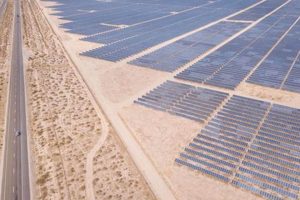
The International Energy Agency (IEA) actively researches and reports on the status and potential of photovoltaic and concentrated solar technologies. Its work encompasses data collection, analysis, and projections related to deployment, costs, and technological advancements in this energy sector. For example, the IEA publishes reports detailing the increasing capacity of solar installations worldwide and analyzing the factors driving this growth.
Focus on electricity generation from the sun is vital for decarbonizing the global energy system and achieving climate goals. This energy source offers numerous advantages, including reduced greenhouse gas emissions, decreased reliance on fossil fuels, and enhanced energy security. Historically, its deployment has been limited by cost and technological challenges, but significant progress has been made in recent years, leading to substantial cost reductions and performance improvements.
The following sections will delve into specific areas of interest related to solar energy trends, IEA reports, technological innovations, and the global expansion of solar energy use.
Guidance Derived from IEA Solar Power Analysis
The International Energy Agency’s research provides valuable insights for stakeholders in the energy sector. Applying these insights can optimize investment, policy, and technological development strategies.
Tip 1: Prioritize Investment in Grid Infrastructure: Expanding solar capacity necessitates corresponding upgrades to grid infrastructure. IEA reports consistently emphasize the need for substantial investment in transmission and distribution networks to integrate variable renewable energy sources effectively. Consider Germany’s experience, where grid bottlenecks have limited the utilization of renewable energy.
Tip 2: Support Research and Development: Sustained technological innovation is crucial for reducing costs and improving the efficiency of solar technologies. IEA data demonstrates the significant impact of R&D on past performance. Government funding and private sector investment should prioritize advanced materials, storage solutions, and smart grid technologies. The US Department of Energy’s SunShot Initiative exemplifies this approach.
Tip 3: Implement Supportive Policy Frameworks: Clear and predictable policy frameworks are essential for attracting investment and accelerating deployment. Feed-in tariffs, renewable portfolio standards, and carbon pricing mechanisms can provide stable revenue streams and incentivize adoption. Germany’s Energiewende, while facing challenges, demonstrates the potential impact of comprehensive policy support.
Tip 4: Focus on System Integration: Maximizing the value of solar energy requires attention to system integration, including energy storage, demand response, and sector coupling. IEA modeling highlights the importance of these strategies in achieving deep decarbonization. Australia’s efforts to integrate battery storage with solar installations are a case in point.
Tip 5: Promote International Collaboration: Sharing best practices and coordinating research efforts can accelerate the global transition to sustainable energy. IEA facilitates international collaboration through its Technology Collaboration Programmes and publications. Participation in these initiatives can provide access to valuable data and expertise.
Tip 6: Address Social and Environmental Impacts: Deployment of solar energy can have both positive and negative social and environmental consequences. Careful planning and stakeholder engagement are needed to minimize negative impacts and maximize benefits. For example, land use considerations and responsible sourcing of materials are critical.
Tip 7: Monitor Market Trends and Technological Advancements: The solar energy market is rapidly evolving, with new technologies and business models emerging constantly. IEA reports provide up-to-date information on these trends. Regular monitoring of these trends can inform strategic decision-making.
Adopting these guidelines, informed by the IEA’s extensive analysis, helps to maximize the benefits and minimize the risks associated with solar energy deployment, leading to a more sustainable and secure energy future.
The subsequent sections will examine the evolving landscape of solar energy and its integration into the broader energy system.
1. Data Collection

Data collection forms the bedrock of the International Energy Agencys (IEA) solar power analysis. Accurate and comprehensive data enables the IEA to provide reliable insights into market trends, technological advancements, and policy effectiveness. Without rigorous data collection, the IEAs reports would lack the empirical foundation necessary to inform sound energy policy decisions. For instance, the IEA collects data on solar photovoltaic (PV) module prices globally, revealing the dramatic cost reductions that have driven the technology’s widespread adoption. This data then allows the IEA to project future cost trajectories and assess the economic competitiveness of solar energy compared to other energy sources.
The IEA’s data collection efforts encompass various aspects of the solar energy sector, including installed capacity, generation output, investment flows, and technology performance. Standardized methodologies are employed to ensure data comparability across different countries and regions. For example, the IEA surveys member countries to gather information on solar energy deployment, tracking the growth of solar PV installations in different sectors, such as residential, commercial, and utility-scale projects. This data is crucial for understanding the regional variations in solar energy adoption and identifying the factors that influence deployment rates. It also helps to identify trends in how effectively the technologies are being used, the rate of deployment, and to provide guidance on future expectations.
In conclusion, data collection is an indispensable component of the IEA’s work on solar power. It provides the evidence base for the IEA’s analysis, informs policy recommendations, and supports the global transition to a more sustainable energy system. Challenges remain in ensuring data quality and completeness, particularly in emerging markets. However, continued investment in data collection and analysis is essential for unlocking the full potential of solar energy and achieving global climate goals.
2. Market Analysis

The International Energy Agency (IEA) undertakes extensive market analysis within its solar power research to understand the current state and future trends of the industry. This analysis is not merely descriptive; it is a crucial component that informs policy recommendations, investment decisions, and technological development strategies. The effectiveness of any IEA recommendation pertaining to solar deployment hinges on the accuracy and comprehensiveness of this market assessment. For example, the IEAs annual “World Energy Outlook” includes detailed market analysis sections dedicated to renewable energy, specifically solar, projecting deployment rates, cost reductions, and technology adoption across different regions and sectors. These projections influence government policies regarding renewable energy targets, subsidies, and grid infrastructure investments.
Market analysis conducted by the IEA encompasses several key dimensions, including supply and demand dynamics, competitive landscapes, regulatory frameworks, and financial flows. The agency assesses the impact of various factors, such as government incentives, technological breakthroughs, and macroeconomic conditions, on the growth of solar energy markets. Real-world examples demonstrate the practical significance of this analysis. For instance, the IEA’s examination of the Chinese solar PV market highlighted the role of government subsidies and manufacturing scale in driving down production costs, leading to a global reduction in solar module prices. This, in turn, accelerated solar energy adoption in other countries. Similarly, IEA reports have analyzed the impact of net metering policies in the United States, revealing their effect on residential solar deployment rates.
In conclusion, market analysis is integral to the IEA’s work on solar power. It provides critical insights into the dynamics of the industry, enabling policymakers, investors, and other stakeholders to make informed decisions. While challenges remain in accurately predicting future market trends, particularly given the rapid pace of technological innovation, the IEA’s rigorous market analysis serves as a valuable resource for navigating the complexities of the solar energy landscape and promoting a sustainable energy future. This data driven analysis serves as a beacon for proper decision making in the face of global climate challenges.
3. Policy Recommendations

The International Energy Agency (IEA)’s work on solar power culminates significantly in its policy recommendations. These recommendations, derived from thorough data analysis and market assessments, guide governments and other stakeholders in creating supportive regulatory environments for solar energy deployment. The relationship is causal: IEA research informs its recommendations, and the adoption of those recommendations directly impacts the growth and sustainability of the solar energy sector. Without well-informed policy, the potential of solar energy to contribute to global decarbonization efforts is significantly diminished. For example, the IEA has consistently advocated for feed-in tariffs and renewable portfolio standards as effective mechanisms to incentivize solar energy investment. Countries that have implemented such policies, often guided by IEA reports, have experienced substantial growth in solar capacity.
The importance of policy recommendations as a component of IEA’s solar power initiatives lies in their translation of research into actionable strategies. The IEA’s reports often highlight the barriers to solar energy adoption, such as inadequate grid infrastructure, complex permitting processes, and a lack of access to financing. Policy recommendations address these challenges by suggesting specific measures that governments can take to overcome them. For instance, the IEA has emphasized the need for streamlined permitting procedures to reduce project development timelines and costs. Several countries, inspired by IEA’s advice, have simplified their permitting processes for solar installations, leading to a reduction in administrative burdens and faster project deployment. Furthermore, IEA has been a key player in making financial investment safer. This has reduced the risk to financial institutions, giving more companies opportunity to invest.
In conclusion, the IEA’s policy recommendations are a critical element in its overall approach to solar power. They represent the practical application of its research and analysis, providing a roadmap for governments and other stakeholders to accelerate the deployment of solar energy and achieve climate goals. The effectiveness of these recommendations is evident in the success of countries that have adopted them, demonstrating the importance of evidence-based policymaking in driving the energy transition. While challenges persist in implementing these recommendations, the IEA’s ongoing efforts to refine and disseminate its policy advice contribute significantly to advancing the global solar energy agenda.
4. Technology Assessment

Technology assessment is an instrumental component of the International Energy Agency’s (IEA) work concerning solar power. The IEA’s ability to provide informed guidance on solar energy policy, investment, and deployment is predicated on thorough evaluations of existing and emerging technologies. These assessments are not isolated exercises; rather, they directly influence the IEA’s data analysis, market projections, and ultimately, its recommendations to member countries. For instance, the IEA’s assessment of perovskite solar cells, a promising next-generation technology, directly informs its long-term energy scenarios and its recommendations regarding research and development funding. If the IEA determines that perovskite technology is unlikely to achieve commercial viability within a reasonable timeframe, its policy advice will likely shift towards promoting more established technologies.
The importance of technology assessment as a component of IEA’s solar power initiatives stems from its role in identifying both opportunities and challenges. By systematically evaluating the performance, cost, and environmental impact of various solar technologies, the IEA can provide policymakers with the information they need to make informed decisions. For example, the IEA’s assessment of the impact of bifacial solar panels, which generate electricity from both sides, has highlighted their potential to increase energy yields and reduce overall costs. This assessment has prompted several countries to revise their regulations and incentive programs to accommodate this technology. Similarly, the IEA’s analysis of concentrating solar power (CSP) technologies, including their ability to provide dispatchable electricity through thermal energy storage, has informed its recommendations regarding the role of CSP in grid stabilization and energy security.
In conclusion, technology assessment forms a critical link in the chain connecting research to policy within the IEA’s solar power framework. By providing rigorous, evidence-based evaluations of solar technologies, the IEA empowers policymakers and investors to make informed decisions, accelerate the deployment of solar energy, and contribute to a more sustainable energy future. While challenges remain in accurately predicting technological breakthroughs and their impact, the IEA’s commitment to thorough and objective technology assessment ensures that its recommendations are grounded in the best available knowledge. This information is crucial for nations and businesses alike.
5. Cost Reduction
Cost reduction is an essential factor impacting the growth and widespread adoption of solar energy, playing a pivotal role in the International Energy Agency’s (IEA) analysis and projections. The IEA consistently emphasizes the inverse relationship between the cost of solar technology and its deployment rate. As costs decline, solar energy becomes more economically competitive with traditional energy sources, driving increased investment and adoption. This cause-and-effect dynamic is a central tenet of the IEA’s assessment of solar energy’s potential to contribute to global decarbonization goals. The IEA has tracked and analyzed how improvements in manufacturing processes, economies of scale, and technological advancements have driven down solar module prices, leading to unprecedented growth in solar capacity worldwide. For example, the dramatic decline in solar PV module costs over the past decade, extensively documented by the IEA, has made solar energy a viable option for many countries and regions, even without substantial government subsidies.
Understanding cost reduction as a component of IEA’s solar power initiatives is critical for anticipating future trends and guiding policy decisions. The IEA’s analysis extends beyond module costs to encompass the entire solar energy value chain, including installation, balance of system components, and financing. By identifying cost reduction opportunities in each of these areas, the IEA provides policymakers with targeted recommendations for accelerating solar energy deployment. The IEA’s reports frequently highlight the need for supportive policies that promote economies of scale, encourage technological innovation, and reduce soft costs, such as permitting and interconnection fees. Practical examples of this approach include streamlined permitting processes in several European countries, which have significantly reduced the overall cost of solar installations, and government-sponsored research programs aimed at developing more efficient and cost-effective solar technologies.
In conclusion, cost reduction is inextricably linked to the IEA’s work on solar power. It is not merely a desirable outcome but a fundamental driver of solar energy deployment and a key factor in achieving global climate goals. While significant progress has been made in reducing solar energy costs, challenges remain in sustaining this trend and ensuring that the benefits of cost reduction are shared equitably across different regions and income levels. The IEA’s ongoing monitoring of solar energy costs, coupled with its policy recommendations aimed at promoting further cost reductions, is essential for unlocking the full potential of solar energy and creating a sustainable energy future. The drive for affordable solar options worldwide will continue to play a significant role.
6. Grid Integration

Grid integration is a critical element in maximizing the benefits of solar energy, a focal point in the International Energy Agency’s (IEA) solar power analysis. The ability to seamlessly incorporate solar-generated electricity into existing power grids is paramount for realizing solar energy’s full potential as a reliable and sustainable energy source.
- Variability Management
Solar energy is inherently variable, depending on weather conditions and time of day. Effective grid integration requires strategies to manage this variability, such as forecasting, energy storage, and demand response. For example, utilities are deploying advanced forecasting models to predict solar energy output and adjust grid operations accordingly. In regions with high solar penetration, battery storage systems are increasingly used to smooth out fluctuations in solar generation and provide grid stability. The IEA studies the effectiveness of these various strategies to advise nations on optimal approaches.
- Infrastructure Upgrades
Integrating large amounts of solar energy often necessitates upgrades to grid infrastructure, including transmission lines, substations, and distribution networks. The existing grid infrastructure in many regions was not designed to handle the influx of variable renewable energy sources. Upgrading these systems can be costly but is essential for ensuring grid reliability and preventing curtailment of solar energy generation. The IEA advocates for strategic investments in grid infrastructure to facilitate the integration of solar energy and other renewable energy sources.
- Policy and Regulatory Frameworks
Supportive policy and regulatory frameworks are crucial for promoting grid integration. These frameworks should address issues such as interconnection standards, net metering policies, and grid access rules. Clear and consistent regulations can reduce uncertainty for solar energy developers and encourage investment in grid integration technologies. The IEA analyzes policy frameworks in different countries to identify best practices and provide guidance to policymakers. For example, well-designed net metering policies can incentivize homeowners and businesses to install solar panels, while ensuring that the grid is fairly compensated for the electricity they provide.
- Advanced Technologies
Advanced technologies play a key role in enabling grid integration. Smart grids, which incorporate digital technologies to monitor and control grid operations, can improve grid efficiency and reliability. Advanced metering infrastructure (AMI) provides real-time data on energy consumption, allowing utilities to better manage demand and integrate variable renewable energy sources. The IEA assesses the potential of these technologies to transform the grid and facilitate the transition to a more sustainable energy system.
These facets of grid integration are central to the IEA’s recommendations on solar power. Successfully addressing these challenges will enable the widespread adoption of solar energy and contribute to a more secure, reliable, and sustainable energy future. The IEA continues to study and promote innovative solutions to facilitate the seamless integration of solar power into grids worldwide, contributing significantly to global energy transformation.
7. Future Projections
The International Energy Agency’s (IEA) work on solar power relies heavily on future projections. These projections, grounded in current data and sophisticated modeling, inform policy recommendations and investment decisions concerning solar energy deployment. They illustrate the potential contribution of solar power to the global energy mix and its role in mitigating climate change. Without these projections, stakeholders would lack the foresight necessary to effectively plan for and invest in solar energy infrastructure. For instance, the IEA’s World Energy Outlook includes scenarios that project the growth of solar power under different policy assumptions, demonstrating the impact of government support and technological advancements on its future development. These projections directly influence governments in setting renewable energy targets and allocating resources to solar energy research and deployment programs.
The practical significance of future projections stems from their ability to guide long-term planning and investment strategies. The IEA’s projections provide a framework for assessing the economic viability of solar projects, evaluating the impact of technological innovations, and identifying potential bottlenecks in the solar energy supply chain. The IEAs analysis helps to decide where to focus investment and how to promote stable investment structures. For example, these projections assist utilities in forecasting future electricity demand and planning for the integration of solar power into their grids. Banks and financial institutions use them to evaluate the risks and returns associated with solar energy investments. Additionally, policymakers rely on them to design effective incentive programs and regulations that promote the growth of the solar energy sector. An example is IEA projection about solar prices. That is a strong indicator of whether or not solar will continue to gain in popularity.
In conclusion, future projections are an indispensable component of the IEA’s efforts to promote solar power. They provide a valuable tool for policymakers, investors, and other stakeholders, enabling them to make informed decisions, plan for the future, and accelerate the transition to a sustainable energy system. While the accuracy of future projections is subject to various uncertainties, the IEA’s rigorous methodologies and data-driven approach ensure that these projections are based on the best available evidence. Ongoing efforts to refine these projections and incorporate new information are essential for maintaining their relevance and utility in a rapidly evolving energy landscape. While forecasts may not be perfect, they are a tool that is key for making solid, data driven choices.
Frequently Asked Questions Regarding IEA Solar Power Analysis
The following questions address common inquiries concerning the International Energy Agency’s (IEA) analysis of solar power, its methodology, and its implications for the global energy transition.
Question 1: What is the scope of the IEA’s analysis of solar power?
The IEA’s analysis encompasses a wide range of topics, including solar photovoltaic (PV) and concentrating solar power (CSP) technologies. It covers market trends, technology costs, policy frameworks, grid integration challenges, and the overall contribution of solar energy to global energy supply and decarbonization efforts. The analysis is global in scope, with specific attention paid to regional variations and emerging markets.
Question 2: How does the IEA collect data for its solar power analysis?
The IEA collects data from various sources, including member countries, industry associations, research institutions, and its own internal research. It employs standardized methodologies to ensure data comparability and reliability. Data collection efforts cover installed capacity, electricity generation, investment flows, technology performance, and policy implementation.
Question 3: What are the key metrics used by the IEA to assess the competitiveness of solar power?
The IEA uses several key metrics to assess the competitiveness of solar power, including levelized cost of electricity (LCOE), capital costs, operating costs, and system performance. LCOE is a particularly important metric, as it allows for a direct comparison of the cost of electricity from solar power with that from other energy sources. The IEA also considers factors such as grid integration costs and the value of solar energy in different markets.
Question 4: What role does policy play in the IEA’s assessment of solar power?
Policy plays a central role in the IEA’s assessment of solar power. The IEA analyzes the impact of various policies, such as feed-in tariffs, renewable portfolio standards, and carbon pricing mechanisms, on the deployment of solar energy. It identifies best practices and provides recommendations for designing effective policy frameworks that support the growth of the solar energy sector.
Question 5: How does the IEA address the variability of solar power in its analysis?
The IEA recognizes the variability of solar power as a significant challenge and addresses it in several ways. Its analysis includes assessments of grid integration technologies, such as energy storage and demand response, as well as the impact of solar energy on grid stability and reliability. The IEA also considers the role of forecasting and advanced grid management techniques in mitigating the variability of solar power.
Question 6: What are the IEA’s projections for the future of solar power?
The IEA’s projections for the future of solar power vary depending on the scenario considered. In its most ambitious scenarios, solar power is projected to become the dominant source of electricity globally, driven by continued cost reductions, technological advancements, and supportive policies. The IEA emphasizes that achieving these projections will require sustained efforts to address challenges related to grid integration, financing, and policy implementation.
The IEA’s analysis provides a comprehensive and objective assessment of solar power, serving as a valuable resource for policymakers, investors, and other stakeholders involved in the global energy transition.
The subsequent section will explore emerging technologies and future trends in the realm of solar energy.
Conclusion
The preceding sections have detailed various facets of IEA solar power analysis, encompassing data collection, market dynamics, policy implications, technological advancements, cost reduction strategies, and the intricacies of grid integration. Each component contributes to a comprehensive understanding of solar energy’s current status and future potential within the global energy landscape. The International Energy Agency’s projections and recommendations serve as crucial guidance for policymakers, investors, and researchers seeking to accelerate the deployment of solar technologies and achieve sustainable energy targets.
Given the imperative for decarbonizing the energy sector, continued rigorous analysis and strategic implementation, informed by IEA solar power insights, are essential. A sustained commitment to research, development, and supportive policy frameworks remains critical to unlocking the full potential of solar energy and securing a cleaner, more sustainable energy future. The insights gained from understanding IEA solar power analysis should lead to decisive actions that facilitate the integration of solar energy into the global energy system.