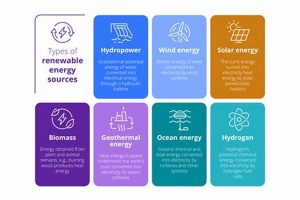
The feasibility of a global transition to power systems predominantly driven by sources like solar, wind, hydro, geothermal, and biomass is a complex question with significant implications for the future. This involves not only technological advancements in energy generation but also considerations of storage solutions, grid infrastructure upgrades, and economic viability. For instance, while solar power offers a clean energy source, its intermittency necessitates robust energy storage mechanisms or supplemental generation methods to ensure consistent power supply.
Shifting toward sustainable power sources is crucial for mitigating climate change by reducing reliance on fossil fuels and their associated greenhouse gas emissions. Moreover, diversified energy portfolios enhance energy security by reducing dependence on volatile global fuel markets. Historically, energy systems have been centralized and reliant on a few finite resources. The transition to renewables presents an opportunity to decentralize power generation, empowering communities and promoting more equitable access to energy.
The subsequent sections will delve into the technological advancements driving the growth of renewable energy, the challenges hindering widespread adoption, and the potential solutions that can facilitate a global shift towards a sustainable energy future. This exploration will cover various aspects, including grid stability, energy storage, policy frameworks, and the economic and social impacts of such a transition.
Tips for Transitioning to Renewable Energy
The global shift toward renewable energy requires careful consideration of several key factors. These tips offer guidance for navigating this complex transition.
Tip 1: Invest in Energy Storage Solutions: The intermittent nature of many renewable sources, such as solar and wind, necessitates robust energy storage solutions. Investing in technologies like batteries, pumped hydro, and thermal storage can ensure a consistent and reliable power supply, mitigating the variability inherent in these renewable sources.
Tip 2: Modernize Grid Infrastructure: Existing grid infrastructure often requires upgrades to accommodate the decentralized nature of renewable energy generation. Smart grids and improved transmission lines are crucial for efficiently distributing power from diverse renewable sources and managing fluctuations in supply.
Tip 3: Diversify Renewable Energy Sources: Relying on a mix of renewable energy sources can enhance energy security and reliability. Combining solar, wind, hydro, geothermal, and biomass can create a more balanced and resilient energy portfolio.
Tip 4: Implement Supportive Policies: Government policies play a vital role in accelerating the adoption of renewable energy. Incentives, subsidies, and carbon pricing mechanisms can create a favorable environment for investment and innovation in the renewable energy sector.
Tip 5: Foster International Collaboration: Addressing the global challenge of climate change requires international collaboration. Sharing best practices, research and development efforts, and technology transfer can accelerate the global transition to sustainable energy systems.
Tip 6: Promote Public Awareness and Education: Public understanding and support are crucial for successful energy transitions. Educational initiatives and public awareness campaigns can help foster acceptance and adoption of renewable energy technologies.
Tip 7: Encourage Private Sector Investment: Private sector involvement is essential for driving innovation and scaling up renewable energy deployment. Creating a stable and predictable regulatory environment can attract private investment and accelerate the transition.
By addressing these key areas, societies can pave the way for a more sustainable energy future. The transition to renewable energy offers significant benefits, including mitigating climate change, enhancing energy security, and fostering economic growth.
The following section will explore the potential future scenarios of a world powered by renewable energy, considering both the opportunities and challenges that lie ahead.
1. Technological Advancements
Technological advancements play a crucial role in determining the feasibility of transitioning to a global energy system reliant on renewable sources. Progress in areas such as photovoltaics, wind turbine design, energy storage solutions, and smart grid technologies directly impacts the efficiency, cost-effectiveness, and reliability of renewable energy systems. For example, advancements in materials science have led to more efficient solar panels capable of capturing a greater percentage of sunlight, while improved turbine designs enable wind energy capture in lower wind speed regimes. These advancements drive down the cost of renewable energy, making it increasingly competitive with traditional fossil fuels. Furthermore, progress in battery technology and other energy storage solutions addresses the intermittency challenges associated with solar and wind power, enhancing the reliability and stability of renewable energy-based grids. The development of smart grid technologies enables more efficient management and distribution of power from diverse renewable sources, optimizing grid stability and performance.
The practical significance of these technological advancements lies in their potential to transform the global energy landscape. Improved energy conversion efficiencies translate to greater power output from renewable sources, reducing the land area required for energy generation. Lower costs make renewable energy more accessible to developing countries and remote communities, fostering greater energy independence and reducing reliance on imported fossil fuels. Advancements in energy storage and smart grid technologies address the critical issue of intermittency, enabling reliable and consistent power delivery from renewable sources, thereby enhancing their suitability for baseload power generation. For instance, the integration of advanced battery storage systems with solar photovoltaic installations allows for continuous power supply even during periods of low sunlight, enabling greater penetration of solar energy into the grid. Similarly, the development of high-voltage direct current (HVDC) transmission lines facilitates the efficient transport of renewable energy over long distances, enabling the integration of remotely located renewable energy resources into national grids.
Continued technological advancements are essential for overcoming remaining challenges and fully realizing the potential of renewable energy. Research and development efforts focused on improving the efficiency and durability of renewable energy technologies, developing cost-effective energy storage solutions, and enhancing smart grid functionalities are crucial for accelerating the global transition to a sustainable energy future. Overcoming these challenges will require sustained investment in research, development, and deployment, as well as supportive policies that encourage innovation and market adoption of renewable energy technologies. The pace of technological progress in these areas will ultimately determine the speed and extent to which the world can rely on renewable energy sources to meet its growing energy demands.
2. Storage Capacity

Storage capacity represents a critical factor in determining the extent to which the world can rely on renewable energy sources. The intermittent nature of renewable energy generation, particularly from solar and wind power, necessitates robust and efficient energy storage solutions to ensure a continuous and reliable power supply. Without adequate storage, fluctuations in renewable energy generation can lead to grid instability and power outages, hindering the reliability and practicality of a renewable energy-based grid. The ability to store excess energy generated during periods of high renewable energy output and subsequently dispatch this stored energy during periods of low generation is essential for smoothing out variations in supply and matching energy demand.
Various energy storage technologies are being developed and deployed to address this challenge. Pumped hydro storage, compressed air energy storage, and electrochemical batteries are among the prominent storage solutions being implemented globally. Pumped hydro utilizes excess energy to pump water uphill to a reservoir, which is then released to generate electricity during periods of high demand. Battery storage systems, particularly lithium-ion batteries, offer high efficiency and rapid response times, making them suitable for grid-scale energy storage applications. For instance, large-scale battery installations are being integrated with solar and wind farms to provide grid stabilization services and enhance the dispatchability of renewable energy. The choice of storage technology depends on factors such as geographical location, cost, and the specific requirements of the grid.
Sufficient storage capacity is crucial for maximizing the utilization of renewable energy resources and enabling a smooth transition to a sustainable energy future. By storing excess renewable energy generated during periods of peak production, storage technologies ensure a consistent power supply, even when renewable sources are not actively generating. This enhances the reliability and predictability of renewable energy, facilitating greater penetration of renewable sources into the energy mix. Moreover, effective energy storage can contribute to grid stability by providing ancillary services such as frequency regulation and voltage support, ensuring the smooth operation of the power grid. The continued development and deployment of cost-effective and efficient energy storage solutions are essential for overcoming the intermittency challenges associated with renewable energy and realizing the full potential of a global energy system reliant on sustainable power sources.
3. Grid Infrastructure

Grid infrastructure plays a crucial role in the feasibility of transitioning to a global energy system reliant on renewable sources. Existing grid systems, designed primarily for centralized fossil fuel-based power generation, often face challenges accommodating the decentralized and intermittent nature of renewable energy. Modernizing and adapting grid infrastructure is essential for efficiently integrating renewable energy sources and ensuring a reliable and stable power supply. This involves addressing key aspects such as grid stability, transmission capacity, and smart grid technologies.
- Grid Stability
Maintaining grid stability becomes increasingly complex with the integration of variable renewable energy sources like solar and wind. Fluctuations in renewable energy generation can create imbalances between supply and demand, potentially leading to frequency deviations and voltage instability. Grid operators require sophisticated control systems and ancillary services to manage these fluctuations and maintain grid stability. Examples include demand-side management programs, fast-responding energy storage solutions, and advanced grid management software. These measures are crucial for ensuring the reliable operation of a grid with high penetrations of renewable energy.
- Transmission Capacity
Renewable energy resources are often located in areas geographically distant from major population centers. This necessitates upgrading and expanding transmission infrastructure to efficiently transport renewable energy from generation sites to consumers. High-voltage direct current (HVDC) transmission lines are particularly suitable for long-distance power transmission, minimizing energy losses. For instance, large-scale solar farms in deserts require extensive transmission lines to connect them to urban areas. Investments in transmission infrastructure are crucial for unlocking the potential of remotely located renewable energy resources and integrating them into national grids.
- Smart Grid Technologies
Smart grid technologies play a vital role in optimizing the integration and management of renewable energy sources. Advanced sensors, communication networks, and data analytics enable real-time monitoring and control of power flow, facilitating efficient grid management and enhancing grid stability. Smart grids can also enable demand-side management programs, allowing consumers to adjust their energy consumption based on grid conditions and pricing signals. This contributes to balancing supply and demand and reducing peak loads, further enhancing grid stability and optimizing the utilization of renewable energy resources.
- Decentralized Generation
Renewable energy often involves decentralized generation, with numerous smaller-scale renewable energy systems connected to the grid. This presents both opportunities and challenges for grid management. While decentralized generation can enhance grid resilience by diversifying generation sources and reducing reliance on single points of failure, it also requires sophisticated grid management systems to coordinate and control the influx of power from numerous distributed sources. For example, rooftop solar photovoltaic systems feed power back into the distribution grid, requiring advanced grid management tools to ensure stable and efficient grid operation.
Modernizing grid infrastructure is a prerequisite for maximizing the benefits of renewable energy and enabling a reliable and sustainable energy future. Investments in grid stability measures, transmission capacity upgrades, and smart grid technologies are essential for integrating renewable energy sources effectively and ensuring a stable and secure power supply. Addressing these grid infrastructure challenges is crucial for unlocking the full potential of renewable energy and transitioning to a world powered by sustainable resources. Failing to adequately address these infrastructure needs could hinder the widespread adoption of renewable energy and limit its contribution to global decarbonization efforts.
4. Economic Viability

Economic viability represents a crucial determinant in the global transition to renewable energy reliance. The affordability of renewable energy technologies, compared to conventional fossil fuel-based systems, plays a pivotal role in their widespread adoption. Cost competitiveness influences investment decisions, both at the utility scale and for individual consumers. Favorable economics drive market growth, stimulate innovation, and accelerate the deployment of renewable energy solutions. For instance, the declining cost of solar photovoltaic modules has spurred significant growth in solar energy installations globally, demonstrating the powerful influence of economic viability on market adoption. Conversely, regions with substantial existing fossil fuel infrastructure may face economic challenges in transitioning to renewable energy due to stranded assets and potential job displacement in the fossil fuel industry. Analyzing the lifecycle costs of renewable energy systems, including installation, operation, and maintenance, compared to conventional systems, is essential for informed decision-making.
Policy frameworks significantly influence the economic viability of renewable energy. Government incentives, such as tax credits, subsidies, and feed-in tariffs, can stimulate investment and accelerate market growth. Carbon pricing mechanisms, such as carbon taxes or cap-and-trade systems, internalize the environmental costs of fossil fuels, making renewable energy more competitive. Furthermore, regulations promoting renewable portfolio standards (RPS) mandate a certain percentage of electricity generation from renewable sources, creating stable demand and driving investment in the sector. For example, the production tax credit in the United States has played a significant role in promoting wind energy development. Conversely, policy uncertainty or a lack of supportive policies can hinder investment and slow down the transition to renewable energy. Understanding the interplay between policy frameworks and market dynamics is crucial for creating a favorable economic environment for renewable energy deployment.
The economic viability of renewable energy not only hinges on technological advancements and policy support but also on broader economic factors. Fluctuations in fossil fuel prices, interest rates, and overall economic growth can impact investment decisions in the renewable energy sector. For example, low fossil fuel prices can reduce the competitiveness of renewable energy, while high interest rates can increase the cost of financing renewable energy projects. Furthermore, economic downturns can lead to reduced investment in infrastructure projects, including renewable energy installations. Considering these macroeconomic factors is crucial for assessing the long-term economic viability of renewable energy and ensuring sustainable growth in the sector. A comprehensive understanding of the economic landscape is essential for fostering a stable and predictable investment environment that encourages the widespread adoption of renewable energy technologies.
5. Political and Social Will

Political and social will constitute crucial factors influencing the feasibility of a global transition to renewable energy reliance. While technological advancements and economic viability are essential, they are insufficient without the necessary political and societal support. Supportive policies, regulations, and public acceptance are crucial for driving the large-scale deployment of renewable energy technologies and overcoming the inherent challenges associated with such a transformative shift in energy systems. Without strong political commitment and broad public support, progress towards a renewable energy future may be slow and insufficient to address the urgent need for decarbonization.
- Policy and Regulatory Frameworks
Government policies and regulations play a pivotal role in shaping the renewable energy landscape. Supportive policies, such as feed-in tariffs, renewable portfolio standards, and tax incentives, can create a favorable investment climate and stimulate market growth. Conversely, a lack of clear policies or inconsistent regulations can create uncertainty and hinder investment in the sector. For example, countries with ambitious renewable energy targets and supportive policies often experience faster growth in renewable energy deployment. Strong policy frameworks provide a stable and predictable environment for investors, encouraging long-term commitments to renewable energy projects. Effective policy implementation and enforcement are essential for translating political will into tangible outcomes.
- Public Opinion and Acceptance
Public opinion and acceptance significantly impact the pace and scale of renewable energy adoption. Broad public support for renewable energy can create political momentum for ambitious policies and facilitate the implementation of renewable energy projects. Conversely, public resistance or NIMBYism (Not In My Backyard) can delay or even prevent the development of renewable energy infrastructure. For instance, community acceptance of wind farms can be influenced by factors such as perceived visual impacts, noise levels, and potential impacts on wildlife. Effective communication and community engagement are essential for addressing public concerns and building support for renewable energy projects. Educational campaigns and public awareness initiatives can enhance public understanding of the benefits of renewable energy and foster greater acceptance.
- International Cooperation
International cooperation is essential for addressing the global challenge of climate change and accelerating the transition to renewable energy. Collaboration on research and development, technology transfer, and policy coordination can facilitate the sharing of best practices and accelerate the deployment of renewable energy technologies globally. International agreements, such as the Paris Agreement, provide a framework for collective action and set targets for reducing greenhouse gas emissions. Collaborative efforts can also address cross-border issues, such as the integration of renewable energy into regional electricity grids. For example, cross-border electricity trading can enhance the utilization of renewable energy resources by enabling the exchange of surplus renewable energy between countries. Strong international cooperation is crucial for achieving global climate goals and fostering a sustainable energy future.
- Industry and Investment
The role of industry and investment is paramount in the transition to renewable energy. Private sector investment is crucial for driving innovation, scaling up manufacturing capacity, and deploying renewable energy technologies at the scale required to meet global energy demands. Supportive policies and a stable investment environment are essential for attracting private sector capital. For instance, clear regulations and streamlined permitting processes can reduce investment risks and facilitate the development of renewable energy projects. Government support for research and development can further stimulate innovation and drive down the cost of renewable energy technologies. Public-private partnerships can leverage the strengths of both sectors to accelerate the deployment of renewable energy solutions.
The interplay of political and social factors ultimately determines the trajectory of the global energy transition. While technological advancements and economic viability create the foundation for a renewable energy future, strong political will and broad societal support are essential for realizing this potential. A concerted effort from policymakers, industry leaders, and civil society is crucial for overcoming barriers, fostering innovation, and accelerating the transition towards a world powered by sustainable energy sources. The extent to which these factors align and reinforce each other will determine the speed and effectiveness of the global shift towards renewable energy reliance.
Frequently Asked Questions
This section addresses common inquiries regarding the feasibility and implications of transitioning to a global energy system predominantly reliant on renewable sources.
Question 1: Are renewable energy sources reliable enough to meet global energy demands?
The reliability of renewable energy sources is a key concern. While solar and wind power are inherently intermittent, advancements in energy storage technologies, grid management systems, and the diversification of renewable energy sources are addressing this challenge. Hybrid systems combining renewable sources with storage solutions can provide reliable baseload power.
Question 2: How can the intermittency of renewable energy be addressed effectively?
Intermittency is addressed through a combination of strategies. Energy storage solutions, such as batteries and pumped hydro, store excess energy for use during periods of low renewable generation. Diversifying renewable sources geographically and technologically reduces reliance on any single source. Advanced grid management systems optimize power flow and balance supply and demand.
Question 3: What are the economic implications of transitioning to renewable energy?
Transitioning to renewable energy entails both costs and benefits. While upfront investments in renewable energy infrastructure are significant, renewable energy sources offer long-term cost stability due to the absence of fuel costs. Economic benefits include job creation in the renewable energy sector, reduced healthcare costs associated with air pollution, and enhanced energy security.
Question 4: What role does policy play in facilitating the transition to renewable energy?
Policy plays a crucial role in accelerating the adoption of renewable energy. Supportive policies, such as renewable portfolio standards, feed-in tariffs, tax incentives, and carbon pricing mechanisms, create a favorable investment environment and stimulate market growth. Consistent and long-term policy frameworks are essential for providing investor certainty and driving the transition.
Question 5: What are the environmental benefits of renewable energy?
Renewable energy sources offer substantial environmental benefits. They produce little to no greenhouse gas emissions, mitigating climate change. They also reduce air and water pollution associated with fossil fuel combustion, improving public health and protecting ecosystems. The lifecycle environmental impacts of renewable energy technologies are generally lower than those of conventional energy sources.
Question 6: What are the main barriers to widespread renewable energy adoption?
Several barriers hinder widespread renewable energy adoption. These include upfront costs of renewable energy technologies, intermittency challenges, the need for grid modernization, public acceptance and perception issues, and policy and regulatory uncertainties. Addressing these barriers requires a multi-faceted approach involving technological advancements, policy support, public awareness campaigns, and private sector investment.
Transitioning to a global energy system reliant on renewable sources requires addressing these complex and interconnected challenges. Technological advancements, supportive policies, and societal acceptance are crucial for realizing the full potential of renewable energy and securing a sustainable energy future.
The following section will delve into specific case studies of successful renewable energy integration, showcasing real-world examples of effective transitions and the lessons learned from these experiences.
Conclusion
The feasibility of global reliance on renewable energy hinges on a complex interplay of technological advancements, economic considerations, political will, and societal acceptance. While the intermittent nature of some renewable sources presents challenges, ongoing innovations in energy storage, grid modernization, and diversified renewable portfolios offer viable pathways to overcome these hurdles. The economic viability of renewable energy continues to improve, driven by decreasing technology costs and supportive policy frameworks. Addressing public perception and fostering international cooperation are equally crucial for accelerating the global energy transition.
The transition to a world powered predominantly by renewable energy represents not merely a technological shift, but a fundamental transformation with profound implications for global sustainability, economic development, and geopolitical stability. Continued investment in research, development, and deployment, coupled with robust policy support and international collaboration, will determine the speed and success of this critical endeavor. The future of energy hinges on the collective choices made today, underscoring the urgency and significance of embracing a sustainable energy paradigm.