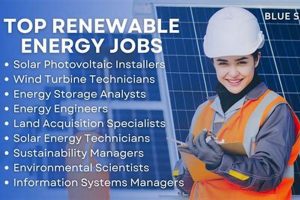
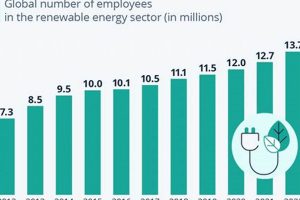
The employment potential of the renewable energy sector is a significant factor in its overall impact. For example, building wind farms requires technicians for installation and maintenance, while solar panel production necessitates manufacturing and engineering roles. The shift towards cleaner energy sources has a direct correlation with the creation of new career opportunities across diverse skill sets.
This growth in sustainable employment offers numerous benefits. It contributes to economic diversification, reduces reliance on fossil fuel industries, and fosters innovation in technology and infrastructure. Historically, technological shifts have led to employment transitions, and the renewable energy sector represents a similar, yet potentially more positive, transformation. Investing in clean energy infrastructure not only addresses climate change but also stimulates job growth and potentially improves local economies.
Exploring the workforce implications of this burgeoning sector requires delving into specific industries, analyzing regional variations, and examining future projections. This understanding is crucial for policymakers, investors, and individuals seeking to navigate the changing landscape of the energy market and its associated career opportunities.
Tips for Understanding Renewable Energy Employment
Analyzing potential employment growth in renewable energy requires a multifaceted approach. The following tips provide a framework for navigating this complex landscape.
Tip 1: Consider Regional Differences: Employment opportunities vary significantly by geographic location due to differences in resource availability (solar, wind, geothermal), policy incentives, and existing infrastructure. Research specific regions for a more accurate understanding.
Tip 2: Examine Specific Industries: The renewable energy sector encompasses diverse industries, each with unique employment needs. Focus on particular areas, such as solar installation, wind turbine manufacturing, or bioenergy production, for more granular insights.
Tip 3: Analyze the Entire Supply Chain: Job creation extends beyond direct employment in renewable energy generation. Consider the impact on supporting industries like raw material extraction, component manufacturing, transportation, and grid modernization.
Tip 4: Account for Indirect and Induced Jobs: Beyond direct employment, renewable energy investments stimulate indirect jobs in supporting industries and induced jobs through increased consumer spending within communities. These broader economic impacts should be factored into estimations.
Tip 5: Consult Reputable Data Sources: Rely on data and projections from established organizations such as government agencies, international bodies (e.g., the International Energy Agency), and academic research institutions for objective information.
Tip 6: Factor in Technological Advancements: Innovation continuously reshapes the renewable energy landscape. Stay abreast of emerging technologies and their potential impact on employment trends, both in terms of creating new roles and displacing existing ones.
Tip 7: Consider Policy and Regulatory Frameworks: Government policies, subsidies, and regulations significantly influence the growth of the renewable energy sector and, consequently, employment opportunities. Analyze the impact of current and potential policy changes.
By considering these factors, a more complete understanding of renewable energy’s employment potential can be achieved, enabling informed decision-making for individuals, businesses, and policymakers.
This analysis of employment potential provides crucial context for the broader discussion surrounding the transition to a sustainable energy future.
1. Job Quantity

A central question surrounding the transition to renewable energy sources revolves around its potential for job creation. Quantifying these employment opportunities is crucial for understanding the economic implications of this energy transformation. “Job quantity” represents the sheer number of positions generated across the various sectors within the renewable energy industry. This metric serves as a key indicator of the sector’s growth and its capacity to absorb workers from declining fossil fuel industries and contribute to overall economic development.
- Direct Employment:
Direct employment encompasses jobs directly involved in the production, installation, and maintenance of renewable energy technologies. Examples include solar panel installers, wind turbine technicians, and biofuel plant operators. Growth in these areas directly reflects increasing demand for renewable energy capacity.
- Indirect Employment:
Indirect employment arises within the supply chains supporting the renewable energy sector. This includes manufacturing jobs producing components for wind turbines, solar panels, and other technologies, as well as jobs in research and development, project management, and finance. A robust renewable energy sector necessitates a correspondingly developed supply chain.
- Induced Employment:
Induced employment stems from the increased economic activity generated by the renewable energy industry. As workers in direct and indirect jobs spend their earnings, it creates demand for goods and services within local communities, leading to further job creation in sectors like retail, hospitality, and construction. This ripple effect amplifies the overall economic benefits of renewable energy investments.
- Operations and Maintenance:
Ongoing operations and maintenance of renewable energy facilities represent a significant source of long-term employment. Ensuring the efficient and reliable functioning of wind farms, solar power plants, and other installations requires a dedicated workforce, contributing to sustained job growth over the lifespan of these projects. This long-term perspective differentiates renewable energy jobs from the more cyclical nature of some fossil fuel-related employment.
Analyzing job quantity across these different categories provides a comprehensive view of the employment potential associated with renewable energy. Understanding these nuances is critical for policymakers seeking to maximize the economic benefits of the energy transition and ensure a smooth shift for workers from traditional energy sectors to emerging renewable energy industries. Comparing job creation figures with those from other sectors allows for informed decisions regarding investment and policy priorities.
2. Job Quality

While the sheer number of jobs created by the renewable energy sector is a critical metric, the quality of those jobs is equally important for a just and equitable energy transition. Job quality encompasses factors beyond simply having a position; it considers wages, benefits, working conditions, opportunities for advancement, and overall job security. Assessing job quality is essential for understanding the true impact of renewable energy development on workers and communities. It directly impacts individual livelihoods and the long-term sustainability of the workforce supporting the clean energy economy.
- Wages and Benefits:
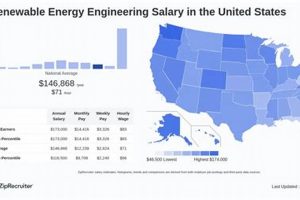
Competitive wages and comprehensive benefits packages are fundamental components of job quality. Renewable energy jobs should offer compensation comparable to or exceeding similar roles in other sectors to attract and retain skilled workers. This includes health insurance, retirement plans, and paid time off. For example, unionized electricians working on solar projects can earn family-sustaining wages with strong benefits, demonstrating the potential for high-quality jobs in the sector.
- Health and Safety:
Safe working conditions are paramount. The renewable energy industry must prioritize worker health and safety through rigorous training programs and adherence to stringent safety protocols. This includes minimizing risks associated with working at heights (wind turbine maintenance) or handling potentially hazardous materials (battery production). Strong safety records contribute to a positive work environment and reduce the risk of workplace accidents and injuries.
- Training and Advancement:
Opportunities for professional development and career advancement are essential for attracting and retaining talent within the renewable energy sector. Providing access to training programs and clear career pathways allows workers to acquire new skills and progress within the industry. For instance, training programs for solar panel installation can equip workers with valuable skills in high demand, leading to greater earning potential and job security.
- Job Security and Stability:
Long-term job security is a vital aspect of job quality. As the renewable energy industry continues to grow, it is essential that jobs created are not temporary or subject to volatile market fluctuations. Policies supporting stable, long-term renewable energy development contribute to greater job security for workers. Investing in grid modernization, for example, creates long-term employment opportunities in construction, maintenance, and engineering.
By focusing on these facets of job quality, the renewable energy transition can create not just numerous jobs, but also good jobs that support individuals, families, and communities. High-quality jobs attract skilled workers, foster a stable workforce, and contribute to a more equitable and prosperous clean energy economy. This directly addresses the initial question of “how many jobs will renewable energy create” by adding the crucial qualifier of how desirable those jobs are for the workforce.
3. Geographic Distribution

Understanding the geographic distribution of renewable energy jobs is crucial for effective policymaking and economic development strategies. Where these jobs are located influences regional economic growth, workforce development needs, and infrastructure planning. Analyzing geographic distribution provides insights into which areas benefit most from the renewable energy transition and which may require targeted interventions to ensure equitable job creation.
- Resource Availability:
The geographic distribution of renewable energy resources, such as solar irradiance, wind speeds, and geothermal activity, significantly influences where renewable energy projects are developed and, consequently, where jobs are created. For example, sunny southwestern states in the U.S. see a concentration of solar energy jobs, while coastal regions with strong winds tend to attract wind energy development and related employment opportunities. Resource availability shapes the regional specialization of renewable energy industries.
- Policy Incentives:
Government policies, including tax incentives, subsidies, and renewable portfolio standards, play a significant role in shaping the geographic distribution of renewable energy jobs. States and regions with supportive policies tend to attract greater investment in renewable energy projects, leading to increased job creation in those areas. For instance, state-level tax credits for solar installations can stimulate local job growth in the solar industry. Policy variations across regions can lead to disparities in renewable energy job creation.
- Existing Infrastructure:
The presence of existing infrastructure, such as transmission lines and grid connections, influences the feasibility and cost-effectiveness of developing renewable energy projects in specific locations. Areas with robust grid infrastructure are more attractive for renewable energy development, which can lead to a concentration of jobs in these regions. Upgrading grid infrastructure in underserved areas is crucial for expanding access to renewable energy jobs and promoting more equitable geographic distribution.
- Workforce Development:
The availability of a skilled workforce influences where renewable energy companies choose to locate their operations. Regions with established training programs and a readily available pool of qualified workers are more likely to attract investment and job creation. Targeted workforce development initiatives can help prepare workers in specific regions for jobs in the renewable energy sector, attracting further investment and fostering regional economic growth.
Examining these factors reveals a complex interplay between resource availability, policy incentives, infrastructure development, and workforce preparedness in shaping the geographic distribution of renewable energy jobs. Understanding these dynamics is essential for maximizing the economic benefits of the renewable energy transition and ensuring that job creation is distributed equitably across different regions. This detailed examination addresses the core question of “how many jobs will renewable energy create” by adding the crucial dimension of where these jobs will be located and the factors influencing this distribution.
4. Required Skillsets

The growth of the renewable energy sector and its associated job creation potential are inextricably linked to the availability of a workforce possessing the necessary skillsets. Understanding these required skillsets is crucial for both individuals seeking employment in the field and policymakers aiming to facilitate workforce development and maximize job creation. A mismatch between available skills and industry needs can limit the sector’s growth potential, directly impacting the answer to “how many jobs will renewable energy create.” Targeted training and education programs are essential to bridge this gap and ensure the industry has access to the talent required for sustained expansion.
Required skillsets span a wide range, from specialized technical expertise to broader transferable skills. For example, wind turbine technicians require specialized knowledge of mechanical and electrical systems, while solar panel installers need expertise in electrical wiring and rooftop construction. Furthermore, project managers, engineers, and data analysts play critical roles in planning, developing, and operating renewable energy projects. Their skills in project management, engineering design, and data analysis are essential for the successful execution of renewable energy initiatives. The increasing complexity of renewable energy systems also necessitates expertise in areas such as grid integration, energy storage, and smart grid technologies. As the sector evolves, so too will the required skillsets, highlighting the need for continuous learning and adaptation.
This connection between required skillsets and job creation presents both opportunities and challenges. On one hand, the growing demand for skilled workers creates opportunities for individuals to enter a rapidly expanding field with promising career prospects. On the other hand, a shortage of qualified workers can constrain the sector’s growth and limit the number of jobs ultimately created. Addressing this challenge requires proactive measures to develop the workforce through targeted training programs, educational initiatives, and apprenticeship opportunities. By aligning workforce development efforts with industry needs, policymakers and educational institutions can help unlock the full job creation potential of the renewable energy sector and ensure a smooth transition to a clean energy economy.
5. Economic Impact

The connection between economic impact and renewable energy job creation is multifaceted and crucial for understanding the broader implications of the energy transition. Job creation itself is a significant economic driver, increasing household incomes, boosting consumer spending, and generating tax revenue. However, the economic impact of renewable energy extends far beyond direct employment. The development, manufacturing, installation, and maintenance of renewable energy technologies stimulate economic activity across various sectors, creating a ripple effect throughout the economy. For example, a wind farm project not only creates jobs for turbine technicians but also generates demand for steel, concrete, and other materials, boosting manufacturing and transportation industries. This interconnectedness underscores the importance of considering both direct and indirect economic impacts when evaluating the benefits of renewable energy.
Furthermore, the transition to renewable energy can reduce reliance on volatile fossil fuel markets, leading to greater energy price stability and enhancing energy security. This stability can have significant positive impacts on businesses, shielding them from fluctuating energy costs and allowing for more predictable financial planning. Reduced reliance on imported fossil fuels can also improve national trade balances and free up resources for investment in other areas of the economy. In addition, renewable energy investments often contribute to local economic development, particularly in rural communities, by creating jobs and generating tax revenue in areas that may have experienced economic decline due to the shrinking of traditional industries. For instance, repurposing former coal mines for solar farms can revitalize local economies and provide new employment opportunities for displaced workers.
Understanding the comprehensive economic impactinclusive of job creationis essential for informed decision-making related to energy policy and investment. While job numbers provide a readily quantifiable metric, the broader economic implications, encompassing supply chain effects, energy security, and regional development, offer a more complete picture of the transformative potential of renewable energy. Recognizing these multifaceted economic benefits strengthens the case for transitioning to a cleaner energy future and provides a framework for maximizing the positive economic outcomes associated with renewable energy development. This holistic approach allows for a more accurate assessment of the true economic impact and its long-term implications for sustainable growth and development.
6. Transitional Challenges

The transition to a renewable energy-dominant economy, while presenting significant opportunities for job creation, also poses undeniable transitional challenges. These challenges directly influence the realization of the full job creation potential inherent in the renewable energy sector. A key aspect of understanding “how many jobs will renewable energy create” involves acknowledging and addressing the complexities of this workforce transition. The shift away from fossil fuel-based industries necessitates proactive strategies to mitigate potential negative impacts on workers and communities dependent on these traditional energy sources. Ignoring these transitional challenges can lead to job displacement, economic hardship, and social unrest, undermining the positive potential of the renewable energy revolution.
One primary challenge involves the displacement of workers in fossil fuel industries. Coal miners, oil rig workers, and refinery employees, for instance, may face job losses as demand for fossil fuels declines. Addressing this requires proactive retraining and reskilling initiatives to equip these workers with the skills necessary for employment in the renewable energy sector. For example, programs teaching former coal miners how to install and maintain solar panels or wind turbines can facilitate a smooth transition and prevent long-term unemployment. Furthermore, investing in affected communities through economic diversification strategies can create new industries and employment opportunities beyond the renewable energy sector, mitigating the localized impact of declining fossil fuel industries. Developing robust social safety nets, including unemployment benefits and job placement services, is crucial for supporting workers during this transition period.
Another challenge arises from the geographic distribution of renewable energy jobs. While renewable energy projects can create significant employment opportunities in specific regions, these opportunities may not align with the locations of displaced fossil fuel workers. This geographic mismatch necessitates strategies to support worker relocation or to develop complementary industries in affected regions. For example, investing in manufacturing facilities for renewable energy components in areas with declining fossil fuel industries can create local jobs and stimulate economic growth. Policy interventions, such as targeted tax incentives and infrastructure investments, can further encourage renewable energy development in these regions, creating more geographically accessible employment opportunities for transitioning workers. Successfully navigating these transitional challenges is crucial for ensuring a just and equitable energy transition that maximizes the benefits of renewable energy job creation while minimizing negative impacts on workers and communities.
Frequently Asked Questions
This section addresses common inquiries regarding employment within the renewable energy sector. Clear and concise responses aim to provide a comprehensive understanding of the job market dynamics associated with the transition to cleaner energy sources.
Question 1: How does renewable energy job growth compare to that of the fossil fuel industry?
Renewable energy sectors consistently demonstrate higher job growth rates than fossil fuel industries. For example, solar and wind energy installer jobs are among the fastest-growing occupations. This trend reflects the expanding global investment in renewable energy technologies and infrastructure.
Question 2: Are renewable energy jobs sustainable in the long term?
The long-term sustainability of renewable energy jobs is linked to continued policy support, technological advancements, and increasing global demand for clean energy. As the world transitions towards decarbonization, the renewable energy sector is projected to experience sustained growth, creating long-term employment opportunities.
Question 3: What types of jobs are available in the renewable energy sector?
The renewable energy sector offers diverse employment opportunities, ranging from technical roles like wind turbine technicians and solar panel installers to professional positions in engineering, project management, finance, and research. This breadth of roles accommodates various skillsets and educational backgrounds.
Question 4: What qualifications are typically required for renewable energy jobs?
Qualifications vary depending on the specific role. Technical positions often require specialized vocational training or associate degrees, while professional roles may necessitate bachelor’s or advanced degrees in engineering, business, or related fields. Increasingly, industry-specific certifications are also highly valued.
Question 5: How can individuals prepare for a career in renewable energy?
Individuals can prepare by pursuing relevant education and training programs, gaining practical experience through internships or apprenticeships, and staying informed about industry trends and technological advancements. Networking with professionals in the field can also provide valuable insights and career guidance.
Question 6: How will the transition to renewable energy impact existing fossil fuel workers?
Transitioning fossil fuel workers face significant challenges. Retraining and reskilling programs are crucial to equip these individuals with the skills needed for renewable energy jobs. Government initiatives and industry partnerships play a vital role in supporting this workforce transition and ensuring a just and equitable shift to a clean energy economy.
The projected growth of the renewable energy sector offers significant employment opportunities across various skill levels and geographic locations. Addressing transitional challenges and investing in workforce development are crucial for maximizing the economic and social benefits of this global energy transformation.
Further exploration of specific renewable energy technologies and regional market dynamics can provide a more granular understanding of employment prospects within this evolving sector.
Conclusion
The exploration of renewable energy’s job creation potential reveals a complex yet promising landscape. The transition to cleaner energy sources offers significant opportunities for employment growth across diverse sectors, ranging from manufacturing and installation to maintenance and operations. While quantifying precise job numbers remains challenging due to evolving technologies and policy landscapes, the overall trend indicates substantial growth potential. Furthermore, analysis reveals the importance of considering not just the quantity, but also the quality of these jobs, encompassing factors such as wages, benefits, and career advancement opportunities. Addressing transitional challenges for workers in declining fossil fuel industries is crucial for ensuring a just and equitable transition.
The shift toward renewable energy represents not merely an energy transformation, but also a fundamental economic shift. Investing in renewable energy infrastructure and workforce development can stimulate economic growth, enhance energy security, and contribute to a more sustainable future. Continued analysis and proactive policy measures are essential for maximizing the job creation potential of the renewable energy sector and ensuring a smooth and prosperous transition to a clean energy economy. The future of work in the energy sector is intrinsically linked to the successful deployment of renewable energy technologies, making this a critical area of focus for policymakers, businesses, and individuals alike.