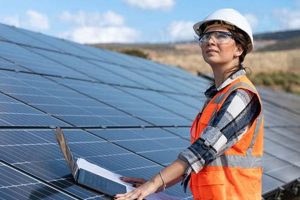
Sustaining the operational efficiency of power generation systems that harness resources like solar, wind, hydro, and biomass in the southeastern region involves specialized technical skills and strategic planning. This encompasses regular inspections, component replacements, performance monitoring, and adherence to safety regulations. For example, a solar farm requires periodic cleaning of panels, inverter checks, and vegetation management to ensure optimal energy capture.
Effective upkeep of these systems is critical for ensuring a reliable clean energy supply, maximizing the return on investment, and prolonging the lifespan of valuable equipment. Historically, the southeast has seen significant growth in renewable energy adoption, driving a parallel increase in the demand for skilled technicians and specialized maintenance services. This contributes to local job creation, reduces reliance on fossil fuels, and supports regional sustainability goals.
The following sections will explore specific maintenance requirements for various renewable energy technologies prevalent in the southeast, discuss emerging trends in the field, and highlight the economic and environmental advantages of proactive maintenance strategies.
Tips for Effective Renewable Energy System Maintenance in the Southeast
Optimizing the performance and longevity of renewable energy systems requires diligent and proactive maintenance. The following tips offer guidance for ensuring efficient and reliable operation in the southeastern region’s unique climate and operating conditions.
Tip 1: Frequent Inspections are Crucial: Regular visual inspections of components, wiring, and support structures can identify potential issues early, preventing costly repairs and downtime. This is especially important given the region’s exposure to hurricanes and severe weather.
Tip 2: Vegetation Management is Key: Overgrowth around solar panels and wind turbines can significantly reduce energy output. Implement a consistent vegetation management plan tailored to the local ecosystem.
Tip 3: Consider Climate Conditions: The southeast experiences high humidity and temperatures, which can impact system performance. Ensure maintenance schedules account for these factors and include measures to mitigate potential risks.
Tip 4: Prioritize Professional Expertise: Engaging qualified technicians with specialized knowledge of renewable energy systems is essential for complex repairs and maintenance tasks. This ensures compliance with safety regulations and manufacturer warranties.
Tip 5: Invest in Performance Monitoring: Utilize data monitoring tools to track energy output, identify performance deviations, and predict potential failures. This proactive approach allows for timely interventions and optimized system efficiency.
Tip 6: Adapt Maintenance Schedules Seasonally: Adjust maintenance frequencies based on seasonal variations in weather patterns and energy demand. This proactive approach can minimize downtime and maximize energy production throughout the year.
Tip 7: Understand Warranty and Insurance Requirements: Familiarize oneself with the specific warranty and insurance stipulations related to the installed renewable energy systems. Adhering to prescribed maintenance schedules is often crucial for maintaining warranty coverage.
Implementing these maintenance practices contributes to sustained energy production, maximized return on investment, and prolonged equipment lifespan. Effective maintenance also minimizes environmental impact and supports the region’s transition to a cleaner energy future.
By prioritizing these maintenance strategies, stakeholders can ensure the long-term viability and sustainability of renewable energy investments in the southeast.
1. Regular Inspections

Regular inspections form a cornerstone of effective renewable energy maintenance in the southeastern United States. They provide a proactive approach to identifying and mitigating potential issues before they escalate into costly repairs or system failures. This proactive stance is particularly crucial given the region’s susceptibility to extreme weather events and the critical role renewable energy plays in the region’s energy mix.
- Visual Assessments of System Components
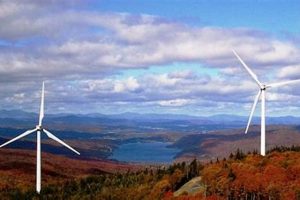
Visual inspections involve examining physical components for signs of wear and tear, damage, or malfunction. For solar arrays, this includes checking panels for cracks, debris buildup, and secure mounting. Wind turbine inspections focus on blade integrity, nacelle condition, and tower stability. These assessments can reveal early indications of potential problems, allowing for timely intervention.
- Performance Monitoring and Data Analysis
Regular performance monitoring, coupled with data analysis, provides insights into system efficiency and potential degradation. Comparing current output to historical data can reveal subtle performance declines, indicating underlying issues like inverter problems or sensor malfunctions. This data-driven approach allows for targeted maintenance interventions, optimizing system performance and minimizing downtime.
- Infrared Thermography for Early Detection
Infrared thermography uses thermal imaging cameras to detect temperature variations within system components. This technique can identify hotspots in solar panels or wind turbine gearboxes, indicating potential electrical faults or mechanical friction before they cause significant damage. Early detection through thermography allows for proactive repairs, preventing catastrophic failures and extending equipment lifespan.
- Compliance with Regulatory Standards and Manufacturer Warranties
Regular inspections play a vital role in ensuring compliance with industry regulations and maintaining manufacturer warranties. Documented inspections provide evidence of proactive maintenance, safeguarding against liability issues and ensuring continued warranty coverage. This adherence to standards underscores the importance of regular inspections in protecting investments and ensuring long-term system viability.
These interconnected facets of regular inspections contribute significantly to the overall effectiveness of renewable energy maintenance in the southeast. By proactively identifying and addressing potential issues, regular inspections minimize downtime, maximize energy production, and ensure the long-term sustainability of renewable energy investments in the region. Furthermore, they contribute to enhanced safety, regulatory compliance, and the continued growth of the renewable energy sector in the southeast.
2. Climate Considerations

Maintaining renewable energy infrastructure in the Southeast necessitates careful consideration of the region’s distinct climate characteristics. High humidity, intense solar radiation, frequent thunderstorms, and the potential for hurricane activity pose specific challenges and influence maintenance strategies. Understanding these climatic factors is crucial for ensuring the long-term reliability and efficiency of renewable energy systems.
- Humidity and Corrosion
Elevated humidity levels in the Southeast can accelerate corrosion of metal components in solar and wind installations. Regular inspections and application of protective coatings are essential to mitigate corrosion damage and extend the lifespan of critical infrastructure. Coastal areas experience further challenges due to salt spray, requiring specialized corrosion-resistant materials and more frequent maintenance.
- High Temperatures and Component Degradation
Extreme heat can impact the efficiency and lifespan of photovoltaic cells in solar panels. Elevated temperatures can also strain the lubricants and cooling systems of wind turbines, potentially leading to premature wear and tear. Implementing appropriate cooling strategies and utilizing heat-resistant materials are crucial for mitigating these risks.
- Severe Weather Events and Structural Integrity
The Southeast’s vulnerability to hurricanes, thunderstorms, and high winds requires robust structural design and regular inspections to ensure system resilience. Securing panels and turbines against wind uplift and debris impact is critical. Post-storm inspections and rapid repairs are essential for minimizing downtime and restoring functionality after severe weather events.
- Vegetation Management in a Subtropical Climate
The region’s subtropical climate promotes rapid vegetation growth, which can obstruct sunlight from reaching solar panels and interfere with wind turbine operation. Implementing effective vegetation management plans, including regular clearing and trimming around installations, is essential for maintaining optimal energy production.
Integrating these climate considerations into maintenance protocols is fundamental for ensuring the long-term viability and cost-effectiveness of renewable energy systems in the Southeast. Proactive measures, tailored to the region’s specific climatic challenges, are essential for maximizing system performance, minimizing downtime, and promoting the continued growth of the renewable energy sector.
3. Specialized Expertise

Effective maintenance of renewable energy systems in the southeastern United States necessitates specialized expertise across various disciplines. The complexity of these systems, coupled with the region’s unique environmental factors, demands skilled professionals to ensure optimal performance, safety, and longevity. This specialized knowledge base is crucial for navigating the technical intricacies of different renewable energy technologies and adapting maintenance strategies to the specific challenges posed by the southeastern climate.
- Technical Proficiency in Specific Renewable Energy Technologies
Different renewable energy technologies, such as solar photovoltaic, wind, and hydropower, require distinct skill sets for maintenance. Solar technicians need expertise in photovoltaic systems, inverters, and battery storage. Wind turbine maintenance requires specialized knowledge of mechanical and electrical systems operating at significant heights. Hydropower maintenance demands expertise in hydraulics, turbines, and dam infrastructure. Possessing technology-specific expertise ensures appropriate diagnostic and repair procedures are followed.
- Understanding of Regional Climate Impacts on System Performance
The southeastern climate, characterized by high humidity, intense solar radiation, and hurricane susceptibility, presents unique challenges for renewable energy systems. Specialized expertise is needed to understand how these environmental factors impact system performance and degradation. This knowledge informs preventative maintenance strategies, material selection, and adaptation of operational parameters to maximize system lifespan and efficiency in the face of these challenges.
- Safety Training and Compliance with Regulatory Standards
Maintaining renewable energy infrastructure involves working with high-voltage electrical systems, rotating machinery, and working at heights, demanding rigorous safety training and adherence to stringent regulatory standards. Specialized professionals possess the necessary certifications and training to ensure safe work practices and compliance with Occupational Safety and Health Administration (OSHA) guidelines and industry best practices. This focus on safety minimizes risks to personnel and ensures regulatory compliance.
- Data Analysis and Performance Optimization
Modern renewable energy systems generate vast amounts of performance data. Specialized expertise in data analysis and interpretation is essential for identifying trends, diagnosing anomalies, and optimizing system performance. This data-driven approach allows for proactive maintenance interventions, maximizing energy production and reducing downtime. Furthermore, data analysis informs predictive maintenance strategies, anticipating potential failures and optimizing maintenance schedules.
The convergence of these specialized skill sets is paramount for ensuring the reliable and sustainable operation of renewable energy systems in the southeast. By leveraging technical expertise, climate-specific knowledge, safety training, and data analysis capabilities, the region can maximize the benefits of renewable energy investments, contributing to a cleaner energy future while fostering economic growth and job creation within the specialized maintenance sector.
4. Performance Monitoring

Performance monitoring constitutes a critical aspect of renewable energy maintenance in the southeastern United States. Continuous monitoring of system parameters, such as energy output, component temperatures, and environmental conditions, provides valuable insights into operational efficiency and potential issues. This data-driven approach enables proactive maintenance interventions, optimizing energy production and minimizing downtime. For instance, monitoring the output of a solar array can reveal gradual performance degradation due to dust accumulation or partial shading, prompting timely cleaning or vegetation management. Similarly, tracking wind turbine blade pitch and rotational speed can identify early signs of mechanical wear, allowing for preventative maintenance before major failures occur.
Real-time data analysis, facilitated by sophisticated monitoring systems, allows operators to identify deviations from expected performance baselines. These deviations can indicate underlying issues, such as inverter malfunctions, sensor failures, or grid connection problems. Prompt identification of these anomalies allows for targeted maintenance, minimizing repair costs and maximizing system uptime. Furthermore, historical performance data provides valuable insights for predictive maintenance, anticipating potential failures based on usage patterns, weather conditions, and component lifecycles. This predictive capability allows operators to schedule maintenance proactively, minimizing disruptions to energy production and optimizing resource allocation.
Effective performance monitoring contributes significantly to the long-term viability and cost-effectiveness of renewable energy systems in the Southeast. By enabling proactive maintenance and data-driven decision-making, performance monitoring maximizes energy yield, extends equipment lifespan, and reduces operational expenses. Furthermore, continuous monitoring supports compliance with performance guarantees and facilitates informed asset management strategies. The insights gained from performance monitoring are essential for ensuring the continued growth and success of the renewable energy sector in the region.
5. Preventative Maintenance

Preventative maintenance forms a cornerstone of effective renewable energy maintenance in the southeastern United States. This proactive approach minimizes downtime, extends equipment lifespan, and optimizes energy production by anticipating and mitigating potential issues before they escalate into costly repairs or system failures. Given the region’s specific climate challenges, including high humidity, severe weather events, and rapid vegetation growth, a robust preventative maintenance strategy is crucial for ensuring the long-term viability and cost-effectiveness of renewable energy investments.
- Regular Cleaning and Inspections
Regular cleaning of solar panels and wind turbine blades removes dust, debris, and environmental contaminants that can impede energy capture. Inspections of system components, wiring, and support structures identify early signs of wear and tear, corrosion, or damage, enabling timely repairs and preventing major failures. For example, removing vegetation growth around solar panels ensures optimal sunlight exposure, while inspecting turbine gearboxes for lubricant leaks prevents catastrophic mechanical failures.
- Component Replacement Schedules
Adhering to manufacturer-recommended replacement schedules for components like inverters, bearings, and filters ensures optimal system performance and prevents premature failures. Proactive replacement of aging components minimizes the risk of unexpected downtime and costly emergency repairs. This is particularly important for critical components operating in the demanding environmental conditions of the Southeast.
- Weatherization and Protective Measures
Implementing weatherization measures, such as sealing electrical enclosures and applying protective coatings to metal components, safeguards renewable energy systems against the damaging effects of humidity, salt spray, and extreme temperatures. These protective measures mitigate corrosion, extend equipment lifespan, and ensure system reliability in the face of challenging weather conditions prevalent in the Southeast.
- Vegetation Management
Controlling vegetation growth around solar panels and wind turbines is crucial for maintaining optimal energy production. Regular trimming and clearing of vegetation ensures unobstructed sunlight for solar panels and prevents interference with wind turbine operation. Effective vegetation management is particularly important in the Southeast, where the subtropical climate promotes rapid plant growth.
These interconnected preventative maintenance practices contribute significantly to the sustained and efficient operation of renewable energy systems in the southeastern United States. By proactively addressing potential issues and mitigating the impact of regional climate challenges, preventative maintenance maximizes the return on investment, minimizes environmental impact, and supports the continued growth of the renewable energy sector in the region. This proactive approach is essential for ensuring the long-term reliability and sustainability of clean energy generation in the Southeast.
Frequently Asked Questions
This section addresses common inquiries regarding the maintenance of renewable energy systems in the southeastern United States. Understanding these key aspects is crucial for ensuring optimal system performance, longevity, and return on investment.
Question 1: How often should renewable energy systems undergo professional maintenance?
Maintenance frequency depends on the specific technology, manufacturer recommendations, and local environmental conditions. However, annual professional inspections are generally recommended for most systems. More frequent inspections may be necessary in areas experiencing extreme weather events or rapid vegetation growth.
Question 2: What are the most common maintenance issues encountered in the Southeast?
Common maintenance issues in the Southeast include corrosion due to high humidity, vegetation overgrowth impacting solar panel efficiency, and damage from severe weather events like hurricanes. Additionally, high temperatures can affect system performance and require specific mitigation strategies.
Question 3: How can preventative maintenance reduce operational costs?
Preventative maintenance minimizes the risk of major component failures, reducing costly repairs and system downtime. Regular inspections, cleaning, and component replacements ensure optimal performance, maximizing energy production and extending equipment lifespan.
Question 4: What are the key considerations for selecting a qualified maintenance provider?
Selecting a qualified provider requires verifying experience with specific renewable energy technologies, confirming appropriate certifications and insurance coverage, and checking references to ensure quality workmanship and reliable service.
Question 5: How can performance monitoring improve maintenance efficiency?
Performance monitoring allows for data-driven decision-making, enabling proactive identification of potential issues and optimization of maintenance schedules. Real-time data analysis facilitates targeted interventions, minimizing downtime and maximizing energy production.
Question 6: What role does vegetation management play in maintaining renewable energy systems?
Vegetation management is crucial, particularly for solar arrays, as shading from trees or other plants can significantly reduce energy output. Regular clearing and trimming around installations ensures optimal sunlight exposure and maximizes energy production.
Proactive maintenance is essential for maximizing the benefits of renewable energy investments in the Southeast. Addressing these frequently asked questions provides a foundation for understanding the importance of regular maintenance and informed decision-making regarding the care of renewable energy systems.
For further information and detailed guidance, consult with qualified renewable energy professionals and explore resources provided by industry organizations.
Renewable Energy Maintenance South East
Sustaining the performance and longevity of renewable energy infrastructure in the southeastern United States requires a comprehensive and proactive approach to maintenance. This article explored critical aspects of maintaining these systems, emphasizing the region’s unique climate challenges, the necessity of specialized expertise, and the benefits of preventative maintenance strategies. From regular inspections and component replacements to vegetation management and performance monitoring, each element plays a crucial role in maximizing energy production, minimizing downtime, and ensuring a strong return on investment.
The continued growth and success of the renewable energy sector in the southeast hinges on the effective implementation of robust maintenance programs. Investing in skilled technicians, adopting data-driven maintenance strategies, and prioritizing preventative measures will be essential for realizing the full potential of renewable energy resources and contributing to a sustainable energy future for the region. Diligent maintenance practices not only safeguard valuable infrastructure but also underpin the economic and environmental benefits of transitioning to a cleaner energy economy.