Various sources provide power without depleting finite resources. Solar panels convert sunlight into electricity through photovoltaic cells. Wind turbines capture kinetic energy from moving air and transform it into usable power. Hydroelectric dams harness the potential energy of water stored at height. Geothermal plants tap into the Earth’s internal heat to generate steam, which drives turbines. Biomass energy utilizes organic matter, such as wood or agricultural waste, as fuel. Ocean energy technologies capture energy from tides, waves, and thermal gradients.
Sustainable power production offers significant environmental and economic advantages. Reducing reliance on fossil fuels mitigates greenhouse gas emissions and combats climate change. Furthermore, developing these technologies fosters job growth and enhances energy security by diversifying supply. Historically, renewable energy sources like wind and water power have been utilized for centuries. However, advancements in technology have broadened their application and increased their efficiency, making them a viable alternative to conventional energy sources.
This exploration delves further into the specific mechanisms behind each renewable energy technology, analyzing their current status, future potential, and the challenges associated with their widespread adoption.
Tips for Supporting Renewable Energy Development
Promoting sustainable power generation requires a multifaceted approach. The following tips offer practical guidance for individuals and communities seeking to contribute to a cleaner energy future.
Tip 1: Advocate for Supportive Policies: Engage with local and national governments to promote policies that incentivize renewable energy development and deployment. This includes advocating for streamlined permitting processes, tax credits, and renewable portfolio standards.
Tip 2: Invest in Renewable Energy: Explore opportunities to invest directly in renewable energy projects, such as community solar or wind farms. This can provide financial returns while supporting clean energy growth.
Tip 3: Reduce Energy Consumption: Lowering overall energy demand reduces the need for new generation capacity, including from fossil fuel sources. Implement energy efficiency measures in homes and businesses to minimize consumption.
Tip 4: Choose Renewable Energy Options: Select electricity providers that offer renewable energy sources or consider installing rooftop solar panels. This directly supports clean energy generation.
Tip 5: Support Research and Development: Advocate for increased funding for research and development in renewable energy technologies. Technological advancements are critical to improving efficiency and reducing costs.
Tip 6: Educate and Engage: Spread awareness about the benefits of renewable energy through community outreach and educational initiatives. Informed public discourse is essential for driving positive change.
Tip 7: Consider Transportation Choices: Opt for electric vehicles or utilize public transportation, cycling, or walking whenever possible. Transportation is a significant source of greenhouse gas emissions.
Adopting these strategies can contribute significantly to the transition towards a sustainable energy future, mitigating climate change and promoting energy independence.
By understanding the mechanisms of renewable energy generation and actively participating in its advancement, a cleaner, more secure energy future can be realized.
1. Natural Resources

Renewable energy generation relies fundamentally on the availability and harnessing of specific natural resources. These resources, unlike fossil fuels, are continuously replenished through natural processes. Solar energy derives from sunlight, a virtually inexhaustible resource. Wind energy harnesses the kinetic energy of moving air, driven by atmospheric pressure differences. Hydropower depends on the water cycle, utilizing the potential energy of water stored at elevation. Geothermal energy taps into the Earth’s internal heat, a consistent source of thermal energy. Biomass energy utilizes organic matter, a renewable resource derived from plant and animal life. The availability and characteristics of these natural resources dictate the viability and potential of different renewable energy technologies in specific geographic locations.
The connection between natural resources and renewable energy generation is a direct, causal one. The abundance or scarcity of a particular resource directly impacts the potential for generating power from that source. For example, regions with high solar irradiance are ideal for solar power generation, while areas with consistent wind patterns are suited for wind farms. Understanding the distribution and characteristics of these resources is crucial for effective planning and deployment of renewable energy infrastructure. For instance, the geothermal gradient, which determines the temperature increase with depth below the Earth’s surface, influences the feasibility of geothermal power plants. Similarly, the availability of biomass feedstock, such as agricultural residues or dedicated energy crops, determines the potential for biomass energy production.
Recognizing the dependence of renewable energy generation on natural resources highlights the importance of resource assessment and sustainable management practices. While these resources are generally renewable, their availability can be influenced by environmental factors and human activities. Sustainable resource management ensures the long-term viability of renewable energy generation while minimizing negative environmental impacts. Furthermore, understanding the specific resource requirements for each renewable energy technology facilitates informed decision-making regarding site selection, technology choice, and overall system design. This knowledge is critical for maximizing the effectiveness and sustainability of renewable energy projects.
2. Conversion Technologies

Conversion technologies are the crucial link between renewable resources and usable energy. They facilitate the transformation of naturally occurring forms of energy, such as sunlight, wind, and water flow, into electricity or other usable forms of power. Understanding these technologies is fundamental to grasping how renewable energy is generated.
- Photovoltaic (PV) Cells:
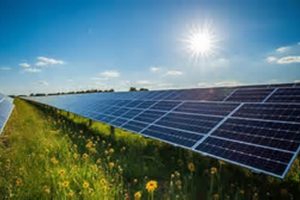
PV cells are the cornerstone of solar power generation. These semiconductor devices directly convert sunlight into electricity through the photovoltaic effect. When photons from sunlight strike the cells, they excite electrons, creating an electric current. Silicon-based PV cells are the most common type, utilized in rooftop solar panels and large-scale solar farms. The efficiency of PV cells, which is the percentage of sunlight converted into electricity, is a key factor in determining the overall performance of solar energy systems.
- Wind Turbines:
Wind turbines capture the kinetic energy of wind and convert it into electricity. The rotating blades of the turbine, driven by wind, turn a rotor connected to a generator. The generator then produces electricity. Turbine size and design vary depending on location and wind conditions. Larger turbines, often used in offshore wind farms, can generate significantly more power than smaller, land-based turbines. The efficiency of wind energy conversion depends on factors such as blade design, turbine height, and wind speed.
- Hydroelectric Turbines:
Hydropower utilizes the potential energy of water stored at height. Water released from reservoirs flows through turbines, causing them to rotate. This rotational energy drives generators, producing electricity. Different types of hydroelectric turbines, such as Francis, Kaplan, and Pelton turbines, are designed for specific water flow conditions and head heights. The efficiency of hydropower generation depends on factors such as turbine design, water flow rate, and head height.
- Geothermal Power Plants:
Geothermal power plants harness the Earth’s internal heat to generate electricity. Steam or hot water extracted from geothermal reservoirs is used to drive turbines connected to generators. Different types of geothermal power plants, such as dry steam, flash steam, and binary cycle plants, are employed depending on the temperature and characteristics of the geothermal resource. The efficiency of geothermal power generation depends on the temperature of the geothermal fluid and the specific conversion technology employed.
These conversion technologies are the fundamental mechanisms by which renewable energy resources are transformed into usable power. The continued development and refinement of these technologies are crucial for improving the efficiency, affordability, and accessibility of renewable energy, further advancing the transition towards a sustainable energy future. Further exploration of these technologies includes detailed analyses of their operating principles, performance characteristics, and environmental impacts, providing a comprehensive understanding of their role in renewable energy generation.
3. Sustainable Processes

Sustainable processes are intrinsic to renewable energy generation, distinguishing it from conventional energy sources. These processes minimize environmental impact throughout the lifecycle of energy production, from resource extraction to power generation and eventual decommissioning. Examining these processes provides a critical understanding of how renewable energy contributes to a more sustainable future.
- Closed-Loop Systems:
Many renewable energy systems operate as closed loops, minimizing waste and maximizing resource utilization. For example, in hydropower, water used to generate electricity is returned to the water cycle, allowing for continuous power generation. Similarly, geothermal power plants often reinject used geothermal fluids back into the reservoir, maintaining pressure and ensuring long-term resource sustainability. These closed-loop approaches minimize environmental disruption and resource depletion, contrasting sharply with the linear, extractive processes associated with fossil fuels.
- Minimal Environmental Impact:
Renewable energy generation significantly reduces environmental impact compared to conventional energy sources. Solar and wind power produce no direct greenhouse gas emissions during operation, mitigating climate change. While hydropower can impact aquatic ecosystems, careful planning and mitigation measures can minimize these effects. Geothermal energy, although associated with some emissions, has a significantly smaller carbon footprint than fossil fuel-based power generation. The reduced environmental impact of renewable energy is a key driver of its adoption.
- Resource Replenishment:
Renewable energy sources are naturally replenished, ensuring long-term energy security. Sunlight, wind, water flow, and geothermal heat are continuously renewed through natural processes, unlike finite fossil fuel reserves. This continuous replenishment eliminates the risk of resource depletion, a critical concern with conventional energy sources. The renewable nature of these resources underpins the long-term sustainability of renewable energy generation.
- Reduced Pollution:
Renewable energy generation significantly reduces air and water pollution compared to fossil fuel combustion. The absence of combustion in many renewable energy technologies eliminates emissions of harmful pollutants such as sulfur oxides, nitrogen oxides, and particulate matter, which contribute to respiratory problems and other health issues. The reduction in pollution associated with renewable energy contributes to cleaner air and water, improving public health and environmental quality.
These sustainable processes are fundamental to how renewable energy is generated. They ensure that energy production minimizes environmental harm and contributes to a more sustainable future. The closed-loop systems, minimal environmental impact, resource replenishment, and reduced pollution associated with renewable energy contrast sharply with the unsustainable practices associated with conventional energy sources, highlighting the crucial role of renewable energy in achieving long-term environmental and energy security.
4. Emission Reduction

Emission reduction is inextricably linked to renewable energy generation. Renewable energy sources offer a pathway to significantly curtail greenhouse gas emissions, a primary driver of climate change. This connection stems from the fundamental difference in how renewable and conventional energy sources are generated. Conventional power generation, primarily reliant on fossil fuel combustion, releases substantial amounts of carbon dioxide, methane, and other greenhouse gases into the atmosphere. Renewable energy technologies, conversely, generate electricity from resources like sunlight, wind, and water, producing little to no greenhouse gas emissions during operation. This inherent difference establishes emission reduction as a core component of how renewable energy is generated and contributes to a more sustainable energy landscape.
The cause-and-effect relationship between renewable energy generation and emission reduction is evident in various real-world scenarios. Replacing coal-fired power plants with solar or wind farms directly reduces carbon dioxide emissions, mitigating the impact on the climate. Utilizing geothermal energy for heating and cooling buildings displaces the need for fossil fuel-based systems, further lowering emissions. Electric vehicles powered by renewable electricity offer a cleaner transportation alternative, reducing reliance on gasoline and diesel. These examples demonstrate the practical significance of understanding the connection between renewable energy generation and emission reduction, highlighting the potential for tangible environmental benefits.
The importance of emission reduction as a component of renewable energy generation cannot be overstated. Transitioning to a renewable energy-based economy is crucial for achieving global climate goals and mitigating the adverse effects of climate change. While challenges remain in terms of infrastructure development, cost competitiveness, and intermittency of some renewable resources, ongoing technological advancements and supportive policies are driving the expansion of renewable energy deployment. Understanding the direct link between how renewable energy is generated and the resulting emission reductions underscores the urgency and necessity of accelerating this transition for a sustainable future. The shift towards renewable energy not only reduces greenhouse gas emissions but also contributes to cleaner air and water, enhancing overall environmental and public health.
5. Resource Replenishment

Resource replenishment is a defining characteristic of renewable energy and intrinsically linked to its generation. Unlike fossil fuels, which are finite and depletable, renewable energy sources are continuously replenished through natural processes. This continuous regeneration is fundamental to how renewable energy is generated and ensures its long-term sustainability. Solar energy relies on sunlight, a virtually inexhaustible resource constantly renewed through nuclear fusion within the sun. Wind energy harnesses the kinetic energy of moving air, driven by atmospheric pressure differences and solar heating, creating a continuous cycle of resource replenishment. Hydropower utilizes the water cycle, where water evaporates, condenses, and precipitates, providing a continuous flow of water for power generation. Geothermal energy taps into the Earth’s internal heat, a vast and constantly replenished resource. Biomass energy utilizes organic matter, which can be regrown or sustainably sourced, ensuring resource renewal. This inherent replenishment cycle distinguishes renewable energy from conventional energy sources and is crucial for its role in creating a sustainable energy future.
The cause-and-effect relationship between resource replenishment and renewable energy generation is readily apparent. The continuous replenishment of resources like sunlight, wind, and water directly enables the ongoing generation of power without depleting the resource base. This contrasts sharply with fossil fuels, where extraction and consumption irreversibly diminish the available reserves. The replenishment cycle of renewable resources ensures a consistent supply of energy, decoupling energy production from finite resource limitations. This characteristic is vital for long-term energy security and mitigating the risks associated with resource depletion, price volatility, and geopolitical instability often associated with fossil fuels. For instance, the continuous growth of forests provides a sustainable source of biomass for energy generation, while the consistent solar radiation reaching the Earth ensures a reliable source of solar power.
Resource replenishment is not merely a characteristic of renewable energy; it is a fundamental principle that underpins its viability and long-term potential. This understanding is crucial for effectively planning and implementing renewable energy strategies. Recognizing the continuous replenishment cycle enables the development of sustainable energy systems that can meet future energy demands without compromising environmental integrity or resource availability. While challenges remain in terms of harnessing and utilizing these resources efficiently and cost-effectively, the inherent replenishment cycle provides a foundation for a secure and sustainable energy future. Addressing these challenges through technological advancements, policy support, and public awareness is essential for maximizing the potential of renewable energy and realizing a truly sustainable energy system. The ongoing replenishment of resources ensures that renewable energy can play a vital role in meeting global energy needs while mitigating climate change and promoting environmental stewardship.
6. Decentralized Generation
Decentralized generation represents a significant shift in how renewable energy is generated and distributed. Unlike traditional centralized power plants that rely on fossil fuels and transmit electricity over long distances, decentralized generation involves smaller-scale renewable energy systems located closer to the point of consumption. This approach offers numerous advantages, including enhanced grid resilience, reduced transmission losses, and increased community energy independence. Exploring the facets of decentralized generation reveals its crucial role in the transition to a more sustainable and resilient energy future.
- Enhanced Grid Resilience:
Decentralized renewable energy systems enhance grid resilience by diversifying power sources and reducing dependence on large, centralized power plants. When a central power plant experiences an outage or disruption, a widespread power loss can occur. Distributed generation, however, creates a more robust grid by providing multiple, independent power sources. For example, rooftop solar panels can continue to power homes and businesses even if the main grid goes down. Microgrids, which are localized grids powered by renewable energy sources, can operate independently of the larger grid, providing essential services during emergencies. This enhanced resilience is increasingly important in the face of extreme weather events and other potential disruptions.
- Reduced Transmission Losses:
Generating electricity closer to where it is consumed significantly reduces transmission losses. Traditional power plants often transmit electricity over long distances, resulting in energy loss due to resistance in the transmission lines. Decentralized generation minimizes these losses by locating power sources closer to end-users. Rooftop solar panels, for instance, directly power the home or business where they are installed, eliminating the need for long-distance transmission. This increased efficiency translates to lower energy costs and reduced environmental impact associated with transmission infrastructure.
- Community Energy Independence:
Decentralized renewable energy empowers communities to generate their own power, reducing reliance on external energy sources. Community solar farms, for example, allow residents to share in the benefits of solar power even if they cannot install solar panels on their own rooftops. This community ownership fosters local economic development and strengthens energy independence. By generating their own power, communities can reduce their vulnerability to fluctuations in energy prices and supply disruptions, enhancing local control over energy resources.
- Integration with Smart Grid Technologies:
Decentralized generation integrates seamlessly with smart grid technologies, optimizing energy distribution and management. Smart grids utilize digital technologies to monitor and control energy flow, improving grid efficiency and reliability. Decentralized renewable energy sources, when connected to a smart grid, can be effectively managed to balance supply and demand, reducing the need for backup power plants and maximizing the utilization of renewable energy. This integration further enhances the benefits of decentralized generation, creating a more intelligent and responsive energy system.
Decentralized generation is not merely a technological advancement; it represents a fundamental shift in how renewable energy is generated and utilized. By distributing power generation closer to consumption, it enhances grid resilience, reduces losses, empowers communities, and integrates seamlessly with smart grid technologies. These facets collectively demonstrate how decentralized generation transforms renewable energy into a more accessible, reliable, and sustainable resource, driving the transition towards a cleaner, more resilient energy future. The ongoing development and deployment of decentralized renewable energy systems are essential for realizing the full potential of renewable energy and achieving a truly sustainable energy landscape.
Frequently Asked Questions about Renewable Energy Generation
This section addresses common inquiries regarding the generation of power from renewable sources. Clear and concise answers are provided to promote understanding of this increasingly important field.
Question 1: What are the primary types of renewable energy sources used for electricity generation?
The main renewable energy sources include solar, wind, hydro, geothermal, and biomass. Each harnesses a naturally replenished resourcesunlight, wind, water flow, Earth’s internal heat, and organic matter, respectivelyto generate power.
Question 2: How does solar energy generate electricity?
Photovoltaic (PV) cells, typically made of silicon, convert sunlight directly into electricity through the photovoltaic effect. When sunlight strikes these cells, electrons are released, creating an electric current.
Question 3: How efficient are current renewable energy technologies?
Efficiency varies depending on the specific technology. Solar panel efficiency ranges from 15% to 20%, while wind turbines can achieve efficiencies exceeding 45%. Hydropower is highly efficient, often exceeding 90%. Ongoing research and development continuously improve these efficiencies.
Question 4: What are the environmental impacts of renewable energy generation?
While generally considered environmentally friendly, some impacts can occur. Hydropower can alter river ecosystems, and wind turbines can pose risks to birds and bats. However, these impacts are often mitigated through careful planning and siting.
Question 5: Are renewable energy sources reliable enough to meet energy demands?
The intermittency of some renewable resources, like solar and wind, is addressed through energy storage solutions, grid management strategies, and diversification of renewable energy sources. Advancements in battery technology and grid integration are enhancing reliability.
Question 6: What is the role of government policy in promoting renewable energy?
Supportive government policies, such as tax incentives, renewable portfolio standards, and streamlined permitting processes, are crucial for accelerating the development and deployment of renewable energy technologies.
Understanding these key aspects of renewable energy generation is essential for informed decision-making and promoting the transition towards a sustainable energy future.
For further information, explore the following sections detailing specific renewable energy technologies and their applications.
Conclusion
Exploration of renewable energy generation reveals diverse technologies harnessing naturally replenishing resources. Solar energy converts sunlight into electricity via photovoltaic cells, while wind turbines capture kinetic energy from moving air. Hydropower leverages water flow, geothermal taps into Earth’s internal heat, and biomass utilizes organic matter. Each technology exhibits specific mechanisms, efficiencies, and environmental considerations. Sustainable processes, including closed-loop systems and resource replenishment, minimize environmental impact, distinguishing renewable energy from conventional counterparts. Emission reduction emerges as a critical benefit, mitigating climate change through decreased reliance on fossil fuels. Decentralized generation further enhances grid resilience and community energy independence.
Transitioning to a renewable energy-driven future necessitates continuous technological advancement, supportive policies, and widespread public understanding. The inherent sustainability and environmental benefits of renewable energy position it as a critical solution for long-term energy security and a healthier planet. Continued investment and development in these technologies are paramount for mitigating climate change and ensuring a sustainable energy future for generations to come. The explored mechanisms of renewable energy generation offer not merely technological solutions, but a pathway towards a more sustainable and equitable energy landscape.