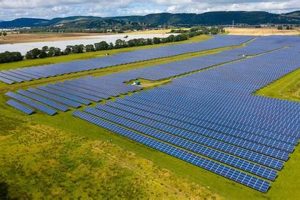
The impact of solar eclipses on photovoltaic power generation is a significant area of study within the renewable energy sector. Reduced sunlight during these astronomical events presents operational challenges and necessitates grid management strategies to mitigate power fluctuations. For example, grid operators must balance decreased solar output with other energy sources to ensure a consistent power supply.
Understanding and predicting these variations is crucial for maintaining grid stability and reliability. Research into advanced forecasting models and energy storage solutions plays a vital role in maximizing the effectiveness of solar power systems, even during periods of reduced sunlight. Historical data from past eclipse events informs current practices and allows for continuous improvement in grid management techniques. This ensures the seamless integration of solar energy into the broader energy landscape.
Further exploration will delve into the technical aspects of eclipse-related grid management, advancements in solar forecasting, and the evolving role of energy storage technologies in supporting a resilient and sustainable power infrastructure. This includes discussions of grid stabilization strategies, innovative storage methods, and the long-term implications for the future of renewable energy.
Tips for Managing Solar Energy During Eclipses
Maintaining grid stability during solar eclipses requires careful planning and implementation of effective strategies. The following tips offer guidance for power system operators and stakeholders.
Tip 1: Accurate Forecasting: Employing sophisticated solar forecasting models that account for eclipse trajectory and local weather conditions is essential for predicting the magnitude and duration of solar power reduction.
Tip 2: Diversification of Energy Sources: Utilizing a diverse mix of generation resources, such as wind, hydro, and conventional power plants, allows for compensation of reduced solar output during an eclipse.
Tip 3: Energy Storage Deployment: Integrating energy storage solutions, including battery systems and pumped hydro, enables stored energy to be dispatched during periods of reduced solar generation, bridging the gap and maintaining grid stability.
Tip 4: Demand-Side Management: Implementing demand-side management programs can encourage reduced energy consumption during predicted eclipse periods, minimizing strain on the grid.
Tip 5: Grid Infrastructure Enhancements: Investing in robust grid infrastructure, including advanced communication and control systems, facilitates efficient management of power flow variations during an eclipse.
Tip 6: International Collaboration: Sharing data and best practices across international borders contributes to a global understanding of eclipse impacts and supports the development of effective mitigation strategies.
Tip 7: Public Awareness Campaigns: Educating the public about the impact of eclipses on solar power generation promotes understanding and encourages support for grid management initiatives.
By implementing these strategies, the reliability and resilience of power systems can be enhanced, ensuring a continuous energy supply even during periods of reduced solar generation. These proactive measures contribute significantly to the seamless integration of solar energy into the broader energy mix.
The insights presented here underscore the importance of proactive planning and collaboration to maximize the benefits of solar energy while effectively managing the unique challenges posed by solar eclipses.
1. Grid Stability

Grid stability is fundamentally challenged by the intermittent nature of solar power, an effect amplified during solar eclipses. The sudden reduction in solar irradiance causes a rapid drop in photovoltaic power generation. This poses a significant risk to grid stability if not adequately addressed. Maintaining a consistent balance between electricity supply and demand is crucial; fluctuations can lead to voltage instability, frequency deviations, and potentially cascading failures throughout the power system. The California Independent System Operator’s experience managing grid stability during the 2017 solar eclipse exemplifies the practical challenges and the effectiveness of pre-emptive mitigation strategies.
The importance of grid stability as a core component of managing eclipse impacts on renewable energy cannot be overstated. Reliable grid operation is essential for maintaining continuous power delivery to critical infrastructure and consumers. Predictive modeling, incorporating precise eclipse pathways and historical irradiance data, allows grid operators to anticipate the magnitude and duration of solar power reduction. This informs strategic deployment of complementary power resources, such as pumped hydro storage or natural gas generators, to compensate for the solar deficit. Further, advancements in grid technologies, including smart inverters and distributed energy resources, contribute to enhanced grid flexibility and resilience during these events.
In conclusion, maintaining grid stability during solar eclipses is a complex undertaking requiring sophisticated forecasting, coordinated control strategies, and a diverse generation mix. Addressing this challenge is crucial for the continued growth and integration of solar energy into the power grid. Ongoing research and development in grid management techniques, coupled with international collaboration and data sharing, will further strengthen the resilience of power systems in the face of these predictable yet impactful astronomical phenomena.
2. Power Fluctuations
Solar eclipses induce significant power fluctuations in photovoltaic (PV) systems, posing substantial challenges to grid stability and reliability. Understanding the dynamics of these fluctuations is crucial for developing effective mitigation strategies and ensuring seamless power delivery during eclipse events.
- Magnitude of Fluctuations
The magnitude of power fluctuations depends on several factors, including the geographical location of the PV system, the extent of eclipse totality, and prevailing weather conditions. During a total solar eclipse, PV output can decrease by as much as 90% or more, creating a substantial power deficit. For example, the 2017 solar eclipse across the United States caused a significant drop in solar generation, requiring grid operators to deploy backup power sources to maintain stability.
- Ramp Rate
The ramp rate, or the speed at which power output changes, is a critical consideration during a solar eclipse. The rapid decrease in solar irradiance leads to a steep ramp down in PV generation, followed by a similarly steep ramp up as the eclipse progresses. These rapid changes can stress grid infrastructure and necessitate advanced control mechanisms to maintain system stability. Real-world data from past eclipses demonstrate the steepness of these ramps and the need for responsive grid management strategies.
- Predictability
The predictable nature of solar eclipses offers a distinct advantage in mitigating their impact on power systems. Astronomical calculations provide precise predictions of eclipse timing and trajectory, allowing grid operators to anticipate power fluctuations and prepare accordingly. This predictability facilitates the development and implementation of preemptive strategies, such as dispatching backup power generation or engaging demand-side management programs.
- Mitigation Strategies
Various strategies can mitigate the impact of eclipse-induced power fluctuations. These include deploying energy storage systems to buffer against the drop in solar generation, diversifying the energy mix with non-solar sources, and implementing demand-side management programs to reduce electricity consumption during eclipse periods. Grid operators can also leverage advanced forecasting tools to optimize the dispatch of available resources and ensure grid stability. The effectiveness of these strategies has been demonstrated during past eclipse events, providing valuable insights for future grid management planning.
The interplay of these factors necessitates a comprehensive approach to managing eclipse-induced power fluctuations. Understanding the magnitude and ramp rate of these fluctuations, coupled with leveraging the predictability of eclipses and implementing effective mitigation strategies, is crucial for maintaining grid stability and reliability. Further research and development in grid management technologies, along with international collaboration and data sharing, will continue to enhance the resilience of power systems in the face of solar eclipses.
3. Predictive Modeling

Predictive modeling plays a crucial role in mitigating the impact of solar eclipses on renewable energy systems. Accurate forecasts of eclipse-induced solar irradiance reductions are essential for effective grid management and ensuring uninterrupted power supply. These models leverage astronomical data, including eclipse path, totality, and timing, combined with historical weather patterns and real-time irradiance measurements, to generate precise predictions of solar power output during an eclipse. For example, the National Solar Radiation Database provides historical solar irradiance data that can be incorporated into predictive models. Similarly, organizations like the European Centre for Medium-Range Weather Forecasts offer advanced weather forecasting tools that contribute to enhanced prediction accuracy.
The practical significance of predictive modeling lies in its ability to inform grid operators about the expected magnitude and duration of solar power fluctuations. This allows them to proactively implement mitigation strategies, such as dispatching backup power generation, coordinating energy storage deployment, and engaging demand-side management programs. Case studies from previous eclipse events, such as the 2017 North American eclipse, demonstrate the efficacy of predictive modeling in minimizing grid disruptions and ensuring a stable power supply. Furthermore, advancements in machine learning and artificial intelligence are continuously improving the accuracy and sophistication of these models, enhancing their value in managing the complex interplay between solar eclipses and renewable energy integration.
In conclusion, predictive modeling serves as a critical component in managing the challenges posed by solar eclipses to renewable energy systems. The insights gained from these models enable informed decision-making, proactive grid management, and ultimately, a more resilient and reliable power grid. Continued advancements in modeling techniques, coupled with increased data availability and international collaboration, will further strengthen the ability to effectively integrate solar energy while mitigating the impacts of these predictable astronomical events.
4. Energy Storage

Energy storage technologies play a vital role in mitigating the impact of solar eclipses on power grids reliant on renewable energy sources. The intermittent nature of solar power is exacerbated during an eclipse, necessitating robust solutions to bridge the gap between reduced generation and consistent energy demand. Energy storage systems provide a buffer against these fluctuations, ensuring grid stability and reliability during periods of reduced solar irradiance.
- Battery Storage
Battery storage systems, particularly lithium-ion batteries, offer a readily deployable solution for storing excess solar energy generated outside of eclipse periods. During an eclipse, these systems can discharge stored energy to compensate for the decrease in solar generation, maintaining a consistent power supply. Examples include grid-scale battery installations, such as the Hornsdale Power Reserve in Australia, which demonstrate the viability of battery storage for managing intermittent renewable energy sources.
- Pumped Hydroelectric Storage
Pumped hydroelectric storage (PHS) utilizes excess energy to pump water uphill to a reservoir, storing potential energy. During periods of high demand or reduced generation, like during a solar eclipse, the stored water is released to generate electricity. Existing PHS facilities, such as the Bath County Pumped Storage Station in Virginia, demonstrate the large-scale energy storage potential of this technology.
- Thermal Energy Storage
Thermal energy storage systems capture and store thermal energy, typically in the form of heated or cooled materials, for later use. Molten salt thermal storage, for instance, can store solar thermal energy for electricity generation during periods of reduced sunlight, including during solar eclipses. This technology offers a promising approach for managing intermittency in concentrated solar power plants.
- Flywheel Energy Storage
Flywheel energy storage systems store kinetic energy in a rotating mass. These systems can respond rapidly to changes in grid conditions, making them suitable for managing short-duration power fluctuations, such as those experienced during a solar eclipse. While not as widely deployed as battery storage or PHS, flywheel technology offers a potential solution for addressing rapid grid fluctuations.
The integration of these energy storage technologies provides crucial support for grid stability and reliability during solar eclipses. By effectively managing the intermittency of solar power, these systems contribute to the seamless integration of renewable energy sources into the power grid. Ongoing research and development in energy storage technologies, alongside advancements in grid management strategies, will further enhance the resilience and sustainability of future power systems.
5. Backup Power Sources

Backup power sources are essential for mitigating the impact of solar eclipses on renewable energy-dependent power grids. The temporary reduction in solar generation during an eclipse necessitates alternative power sources to maintain grid stability and ensure uninterrupted electricity supply. Integrating backup power sources enhances grid resilience and bridges the gap between reduced solar output and consistent energy demand.
- Conventional Power Plants
Conventional power plants, such as natural gas, coal, or nuclear facilities, offer a reliable source of backup power during a solar eclipse. Their ability to rapidly adjust output makes them well-suited to compensate for the sudden decrease in solar generation. For example, during the 2017 solar eclipse, grid operators in the United States utilized natural gas power plants to maintain grid stability as solar output declined. However, reliance on conventional sources can offset some of the environmental benefits of renewable energy integration.
- Hydroelectric Power
Hydroelectric power plants, particularly those with reservoir storage capabilities, can provide a flexible and responsive backup power source during solar eclipses. The ability to rapidly increase or decrease water flow through turbines allows for precise control of power output, effectively compensating for fluctuations in solar generation. Existing hydroelectric facilities often play a crucial role in grid balancing during eclipse events, minimizing reliance on conventional fossil fuel sources.
- Bioenergy
Bioenergy power plants, utilizing biomass resources like wood chips or agricultural residues, can offer a sustainable backup power option during solar eclipses. These plants can provide a dispatchable source of electricity, complementing intermittent solar generation. However, the availability of sustainable biomass resources and potential environmental impacts, such as air emissions, need to be carefully considered.
- Distributed Generation
Distributed generation resources, such as small-scale wind turbines, fuel cells, or diesel generators located closer to consumers, can contribute to grid resilience during a solar eclipse. These resources can provide localized power support, reducing strain on the broader transmission network. For instance, emergency diesel generators can be deployed in critical locations to ensure uninterrupted power supply during an eclipse event. However, the environmental impact of diesel generators should be considered, and their use should be minimized whenever possible.
The strategic integration of diverse backup power sources is critical for ensuring a reliable and sustainable electricity supply during solar eclipses. Balancing the need for grid stability with environmental considerations requires careful planning and coordination among grid operators, energy providers, and policymakers. Continued development and deployment of renewable energy storage solutions, alongside advancements in grid management techniques, will further reduce reliance on conventional backup power sources and promote a cleaner, more resilient energy future.
6. Grid Resilience
Grid resilience is paramount in the context of eclipse renewable energy, referring to the power system’s ability to withstand and recover from disruptions, such as the sudden drop in solar generation during a solar eclipse. A resilient grid can maintain essential services during these events and restore full functionality quickly afterward. Examining the key facets of grid resilience clarifies its importance in maximizing the benefits of renewable energy while minimizing eclipse-related vulnerabilities.
- Adaptive Grid Management
Adaptive grid management systems leverage real-time data and predictive models to anticipate and respond to fluctuations in solar power generation caused by eclipses. These systems automatically adjust power flow, dispatch backup resources, and implement demand-side management strategies to maintain grid stability. Examples include automated generation control systems that adjust output from conventional power plants based on real-time grid conditions and smart inverters that optimize the performance of distributed solar resources.
- Diverse Energy Mix
A diverse energy mix, incorporating various generation sources beyond solar, enhances grid resilience during eclipses. Sources like wind, hydro, and geothermal power can compensate for the temporary reduction in solar output, ensuring a consistent electricity supply. For example, regions with a high penetration of wind power may experience less disruption during a solar eclipse if wind conditions are favorable. Diversification reduces reliance on any single generation source and mitigates the impact of fluctuations in solar irradiance.
- Robust Transmission Infrastructure
A robust transmission infrastructure is essential for maintaining grid stability during solar eclipses. High-capacity transmission lines and advanced grid technologies, such as flexible AC transmission systems (FACTS), facilitate the efficient transfer of power from different generation sources to meet demand. Investing in grid modernization strengthens the system’s ability to withstand and recover from disruptions caused by rapid changes in solar power output. For instance, robust interconnections between regions can enable sharing of resources during an eclipse, enhancing overall grid resilience.
- Distributed Energy Resources (DERs)
Distributed energy resources, such as rooftop solar panels, battery storage systems, and microgrids, can enhance grid resilience during eclipses. DERs provide localized power generation and storage, reducing reliance on centralized power plants and long-distance transmission lines. For example, homes equipped with solar panels and battery storage can continue to operate independently during a grid disturbance caused by an eclipse. Microgrids can island themselves from the main grid, maintaining essential services within a defined area. The increasing adoption of DERs contributes to a more decentralized and resilient power system.
These facets of grid resilience are interconnected and crucial for maximizing the benefits of eclipse renewable energy. By implementing adaptive grid management strategies, diversifying the energy mix, strengthening transmission infrastructure, and integrating distributed energy resources, power systems can effectively manage the challenges posed by solar eclipses and ensure a reliable and sustainable electricity supply. Continued investment in these areas, alongside ongoing research and development, will further enhance grid resilience and enable the seamless integration of renewable energy sources into the power grid of the future.
Frequently Asked Questions
This section addresses common inquiries regarding the effects of solar eclipses on renewable energy systems, focusing specifically on photovoltaic (PV) solar power generation.
Question 1: How significantly do solar eclipses impact PV power generation?
The impact depends on the eclipse magnitude and the geographical location of the PV system. A total solar eclipse can reduce PV output by 90% or more within the path of totality, while a partial eclipse will have a lesser effect. The ramp rate, or speed of power decrease and increase, also poses challenges for grid management.
Question 2: How predictable are eclipse-related power fluctuations?
Eclipse timings and trajectories are highly predictable due to precise astronomical calculations. This predictability allows grid operators to anticipate and prepare for the impact on solar power generation well in advance, facilitating the implementation of mitigation strategies.
Question 3: What strategies mitigate eclipse impacts on power grids?
Several strategies exist, including utilizing energy storage systems (batteries, pumped hydro), diversifying the energy mix with other renewable and conventional sources, implementing demand-side management programs, and strengthening grid infrastructure through advanced forecasting and control systems.
Question 4: Do eclipses affect other renewable energy sources besides solar PV?
While solar PV is most directly affected, eclipses can indirectly influence other renewable sources. For example, reduced solar output can alter grid stability, potentially impacting the operation of wind and hydroelectric power systems. However, these indirect effects are generally less pronounced than the direct impact on solar PV.
Question 5: What is the role of energy storage in mitigating eclipse impacts?
Energy storage plays a critical role by storing excess solar energy generated outside of eclipse periods. During an eclipse, stored energy can be discharged to compensate for the reduction in solar generation, maintaining grid stability and ensuring a continuous power supply. Different storage technologies, such as batteries and pumped hydro, offer various advantages and limitations.
Question 6: How can grid operators prepare for future eclipses?
Preparation involves utilizing accurate solar forecasting models that account for eclipse trajectory and local weather conditions, diversifying the energy mix, deploying and optimizing energy storage solutions, implementing demand-side management programs, strengthening grid infrastructure, and engaging in international collaboration to share best practices and lessons learned.
Understanding the predictable nature of solar eclipses and implementing appropriate mitigation strategies are crucial for ensuring grid stability and maximizing the benefits of renewable energy integration. Continued research, technological advancements, and collaborative efforts will further enhance the resilience of power systems in the face of these astronomical events.
The next section will explore specific case studies of past solar eclipses and their impact on renewable energy systems worldwide.
Conclusion
This exploration has highlighted the multifaceted impact of solar eclipses on renewable energy systems, particularly photovoltaic power generation. The temporary reduction in solar irradiance during these astronomical events necessitates robust grid management strategies and innovative technological solutions to maintain power system stability and reliability. Predictive modeling, diverse energy portfolios, and advanced energy storage systems emerge as critical components in mitigating eclipse-induced power fluctuations. Furthermore, robust grid infrastructure and international collaboration are essential for ensuring a seamless and resilient response to these predictable yet impactful occurrences.
The ongoing integration of renewable energy sources underscores the importance of addressing the challenges posed by solar eclipses. Continued advancements in forecasting, grid management techniques, and energy storage technologies will be crucial for maximizing the benefits of solar power while minimizing vulnerabilities. Ultimately, a proactive and comprehensive approach to eclipse preparedness is essential for building a sustainable and resilient energy future capable of navigating the dynamic interplay between celestial events and renewable energy generation.