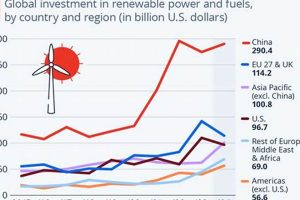
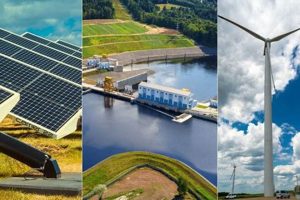
Fossil fuels, like coal and oil, release greenhouse gases, primarily carbon dioxide, when burned to generate electricity or power vehicles. These gases trap heat in the atmosphere, contributing to climate change and its associated consequences, such as rising sea levels and extreme weather events. Renewable energy sources, including solar, wind, hydro, geothermal, and biomass, offer an alternative approach to energy production, emitting significantly fewer greenhouse gases or none at all. For example, solar panels convert sunlight directly into electricity without producing emissions, while wind turbines harness wind power to generate electricity with minimal environmental impact.
The transition to renewable energy offers multiple benefits, including mitigating the effects of climate change by reducing greenhouse gas emissions. This shift also improves air quality by reducing reliance on polluting fossil fuels, leading to fewer respiratory illnesses and other health problems. Furthermore, renewable energy sources are often domestically available, reducing reliance on imported fuels and enhancing energy security. Historically, energy production has been dominated by fossil fuels, but increasing awareness of climate change and advancements in renewable energy technologies have driven a global shift towards cleaner energy solutions.
This discussion will further explore the specific mechanisms by which various renewable energy sources mitigate climate change, examine the economic and social implications of this energy transition, and analyze the challenges and opportunities in achieving a widespread adoption of renewable energy globally.
Tips for Supporting Renewable Energy Adoption
Transitioning towards renewable energy sources is crucial for mitigating climate change. Individuals and communities can contribute to this transition through various actions.
Tip 1: Invest in home renewable energy systems. Installing solar panels on rooftops or investing in small-scale wind turbines can significantly reduce a household’s reliance on grid electricity generated from fossil fuels.
Tip 2: Support policies that promote renewable energy. Advocate for policies that incentivize the development and adoption of renewable energy technologies, such as tax credits, rebates, and renewable portfolio standards.
Tip 3: Choose energy-efficient appliances and electronics. Energy-efficient appliances consume less electricity, reducing the overall demand from power plants that may rely on fossil fuels.
Tip 4: Reduce energy consumption. Practicing energy conservation habits, such as turning off lights when leaving a room and unplugging electronics when not in use, minimizes the demand for electricity generation.
Tip 5: Support businesses committed to renewable energy. Choosing to patronize companies that utilize renewable energy sources or invest in sustainable practices encourages broader market adoption.
Tip 6: Educate others about the benefits of renewable energy. Raising awareness within communities and social networks about the importance of renewable energy can inspire collective action and support for sustainable practices.
Tip 7: Invest in renewable energy companies or funds. Supporting companies specializing in renewable energy technologies or investing in renewable energy funds can drive innovation and market growth in the sector.
By adopting these practices, individuals and communities contribute to the growth of the renewable energy sector, facilitating the transition towards a more sustainable energy future and mitigating the impacts of climate change.
These individual actions, combined with larger-scale policy changes and technological advancements, are essential for a comprehensive approach to combating climate change and ensuring a sustainable energy future.
1. Reduced Emissions

Reduced emissions represent a central component of how renewable energy mitigates global warming. The combustion of fossil fuels for energy production releases significant quantities of greenhouse gases, primarily carbon dioxide, into the atmosphere. These gases trap heat, contributing to the greenhouse effect and driving climate change. Renewable energy sources offer a pathway to decarbonize energy production, thus reducing these harmful emissions.
- Decreased Reliance on Fossil Fuels
Renewable energy sources, such as solar and wind power, displace the need for fossil fuels in electricity generation. As renewable energy capacity increases within an energy grid, the reliance on fossil fuel-powered plants diminishes, leading to a direct reduction in greenhouse gas emissions. For example, replacing a coal-fired power plant with a solar farm eliminates the carbon emissions associated with coal combustion.
- Life-Cycle Emissions Considerations
While renewable energy technologies typically produce minimal operational emissions, it’s important to consider the emissions associated with their manufacturing and installation. Life-cycle assessments evaluate the total environmental impact of a technology, from resource extraction to disposal. While the manufacturing of solar panels, for instance, involves some emissions, their operational emissions-free electricity generation significantly offsets this initial impact over their lifespan.
- Mitigation of Air Pollutants
Beyond greenhouse gases, fossil fuel combustion releases other air pollutants, such as sulfur dioxide and nitrogen oxides, which contribute to respiratory problems and other health issues. Renewable energy sources produce minimal or no air pollution, improving air quality and public health. This reduction in air pollutants offers co-benefits beyond climate change mitigation, enhancing the overall environmental and societal advantages of renewable energy adoption.
- Contribution to Decarbonization Goals
The transition to renewable energy is essential for achieving global decarbonization goals and limiting global warming to safe levels. International agreements, such as the Paris Agreement, aim to reduce greenhouse gas emissions significantly. Renewable energy plays a crucial role in achieving these targets by providing a sustainable and low-carbon alternative to fossil fuels across various sectors, including electricity generation, transportation, and heating.
The reduction in emissions achieved through the adoption of renewable energy directly addresses the core issue of global warming. By displacing fossil fuels and minimizing the release of greenhouse gases and other pollutants, renewable energy technologies provide a pathway towards a cleaner, more sustainable energy future and contribute significantly to mitigating the impacts of climate change.
2. Sustainable Resource Use

Sustainable resource use forms a cornerstone of renewable energy’s contribution to mitigating global warming. Unlike fossil fuels, which are finite and depletable, renewable energy sources rely on naturally replenished resources, ensuring long-term energy security without contributing to resource depletion. This inherent sustainability is crucial for decoupling energy production from environmental degradation and fostering a more environmentally responsible energy future.
- Resource Replenishment
Renewable energy sources, such as solar, wind, and hydro, draw power from resources that are continuously replenished by natural processes. Sunlight, wind, and water cycles provide a consistent flow of energy, unlike fossil fuels, which are extracted from finite reserves. This continuous replenishment ensures a sustainable energy supply, reducing dependence on depleting resources and minimizing the environmental impact associated with resource extraction.
- Reduced Environmental Impact of Extraction
Fossil fuel extraction often involves environmentally damaging practices, such as mining and drilling, which can lead to habitat destruction, water contamination, and land degradation. Renewable energy sources significantly reduce these environmental impacts. While the manufacturing of renewable energy technologies requires resource extraction, the overall impact is considerably lower than the continuous extraction required for fossil fuels. For example, a solar farm, once installed, generates electricity without further resource extraction, unlike a coal-fired power plant, which requires ongoing coal mining.
- Preservation of Ecosystems
Sustainable resource use through renewable energy helps preserve ecosystems by minimizing the disruption caused by resource extraction. Maintaining intact ecosystems is critical for biodiversity conservation, carbon sequestration, and overall environmental health. By reducing the need for extensive mining and drilling operations, renewable energy contributes to protecting natural habitats and the vital services they provide.
- Long-Term Energy Security
Renewable energy sources offer a pathway to long-term energy security by decoupling energy production from finite resources. Reliance on fossil fuels creates vulnerability to price volatility and geopolitical instability. Renewable energy, based on readily available resources like sunlight and wind, enhances energy independence and resilience, ensuring a stable and secure energy supply for future generations.
The sustainable resource use inherent in renewable energy technologies is a critical component of their contribution to mitigating global warming. By relying on naturally replenished resources, minimizing environmental damage from extraction, and promoting long-term energy security, renewable energy offers a sustainable pathway for meeting global energy needs while protecting the environment.
3. Clean Energy Generation

Clean energy generation, synonymous with renewable energy production, plays a pivotal role in mitigating global warming. Unlike conventional energy sources that rely on the combustion of fossil fuels, clean energy generation utilizes naturally replenished resources like sunlight, wind, water, and geothermal heat. This fundamental difference in energy sources has profound implications for greenhouse gas emissions and, consequently, global warming. The combustion of fossil fuels releases significant quantities of carbon dioxide, a primary greenhouse gas, into the atmosphere. This contributes to the greenhouse effect, trapping heat and driving global warming. Clean energy generation, in contrast, produces minimal to no greenhouse gas emissions during operation. For example, solar photovoltaic panels convert sunlight directly into electricity without releasing greenhouse gases. Similarly, wind turbines harness wind energy to generate electricity without combustion-related emissions. This inherent characteristic of clean energy generation is paramount in reducing the human contribution to global warming.
The transition from fossil fuel-based energy to clean energy sources represents a critical step in decarbonizing the energy sector. The Intergovernmental Panel on Climate Change (IPCC) has emphasized the urgency of transitioning to a low-carbon energy system to limit global warming to 1.5C above pre-industrial levels. Clean energy generation offers a viable pathway to achieve this target. The practical significance of this transition is evident in the decreasing costs of renewable energy technologies, making them increasingly competitive with fossil fuels. Furthermore, the distributed nature of many renewable energy resources, such as rooftop solar, enhances energy security and resilience by reducing reliance on centralized power plants vulnerable to disruptions. Investments in clean energy infrastructure create jobs and stimulate economic growth, while simultaneously addressing the climate crisis.
Clean energy generation stands as a critical component in mitigating global warming. Its capacity to significantly reduce greenhouse gas emissions, coupled with its inherent sustainability and increasing economic viability, positions it as a cornerstone of global climate action. Continued advancements in renewable energy technologies, coupled with supportive policies and widespread adoption, are essential for achieving a rapid and transformative shift towards a clean energy future, effectively addressing the urgent challenge of global warming.
4. Combats Climate Change

Combating climate change is inextricably linked to the adoption of renewable energy sources. The burning of fossil fuels for energy production is a primary driver of greenhouse gas emissions, the leading cause of anthropogenic climate change. These emissions trap heat in the atmosphere, resulting in a warming planet and a cascade of associated effects, including rising sea levels, extreme weather events, and disruptions to ecosystems. Renewable energy offers a critical solution by providing a pathway to decarbonize the energy sector. Utilizing resources like solar, wind, hydro, and geothermal energy significantly reduces reliance on fossil fuels, thus mitigating the release of greenhouse gases that contribute to climate change.
The causal relationship between fossil fuel use and climate change is well-established through scientific consensus. The Intergovernmental Panel on Climate Change (IPCC) has concluded that human influence is unequivocally warming the atmosphere, ocean, and land. Transitioning to renewable energy is a key strategy for mitigating this warming effect. For example, replacing coal-fired power plants with solar or wind farms directly reduces carbon dioxide emissions, a major greenhouse gas. Furthermore, electrifying transportation systems and powering them with renewable energy further decarbonizes another significant emissions source. Practical examples of successful renewable energy integration demonstrate its efficacy in combating climate change. Denmark, for instance, has achieved a high percentage of its electricity generation from wind power, significantly reducing its carbon footprint. Similarly, countries investing heavily in solar energy, such as China and India, are making substantial contributions to global emissions reductions.
Understanding the critical role of renewable energy in combating climate change is paramount for informed decision-making at individual, corporate, and governmental levels. While challenges remain in terms of infrastructure development, storage solutions, and grid integration, the benefits of transitioning to renewable energy are undeniable. Addressing these challenges through continued technological advancements, supportive policies, and public awareness is essential for accelerating the adoption of renewable energy and effectively mitigating the far-reaching impacts of climate change. The shift towards a renewable energy future is not merely an environmental imperative but a critical step towards ensuring a sustainable and resilient future for all.
5. Energy Independence

Energy independence, often intertwined with energy security, signifies a nation’s capacity to meet its energy demands reliably without excessive reliance on imported fuels. This concept holds significant relevance in the context of mitigating global warming, as dependence on fossil fuel imports often creates vulnerabilities to price volatility, geopolitical instability, and supply disruptions. Renewable energy sources, being domestically available in most regions, offer a pathway to enhance energy independence while simultaneously reducing greenhouse gas emissions, a primary driver of climate change.
- Reduced Reliance on Geopolitical Actors
Reliance on imported fossil fuels can create dependencies on geopolitical actors, potentially exposing nations to political pressures and supply disruptions. Renewable energy sources, being geographically distributed and often domestically accessible, reduce this vulnerability. A nation generating its electricity from solar or wind power, for instance, is less susceptible to external influences compared to one heavily reliant on imported oil or natural gas. This enhanced energy independence strengthens national security and provides greater control over energy policy.
- Economic Stability and Growth
Investing in renewable energy infrastructure stimulates domestic economic growth and creates jobs within the renewable energy sector. Furthermore, reduced reliance on imported fuels stabilizes energy prices, shielding economies from the fluctuations of the global fossil fuel market. This stability fosters predictable energy costs for businesses and consumers, supporting economic planning and long-term investments. For example, developing a domestic solar panel manufacturing industry creates jobs and reduces reliance on imported panels.
- Decentralized Energy Systems
Renewable energy often facilitates the development of decentralized energy systems, reducing reliance on large, centralized power plants. Distributed generation, such as rooftop solar panels, empowers individuals and communities to generate their own electricity, enhancing energy resilience and reducing vulnerabilities to grid disruptions. This decentralized approach strengthens local energy security and reduces transmission losses associated with long-distance power distribution.
- Environmental and Climate Benefits
The shift towards renewable energy not only enhances energy independence but also significantly contributes to environmental protection and climate change mitigation. Reducing reliance on fossil fuels directly lowers greenhouse gas emissions, a primary driver of global warming. This dual benefit of energy independence and environmental sustainability reinforces the strategic importance of transitioning to a renewable energy future.
The pursuit of energy independence through renewable energy offers a multifaceted approach to addressing both energy security and climate change. By reducing reliance on imported fossil fuels, nations can enhance their energy autonomy, stimulate economic growth, and significantly contribute to global efforts in mitigating the impacts of global warming. This interconnectedness underscores the importance of prioritizing renewable energy as a key component of a sustainable and secure energy future.
6. Improved Air Quality
Improved air quality represents a significant co-benefit of transitioning to renewable energy, directly linked to the reduction of global warming. Combustion of fossil fuels, a primary source of energy generation, releases harmful air pollutants, including particulate matter, nitrogen oxides, and sulfur dioxide. These pollutants contribute to respiratory illnesses, cardiovascular diseases, and other health problems, impacting human well-being and imposing substantial costs on healthcare systems. Renewable energy sources, such as solar, wind, and hydro, produce minimal or no air pollution during operation. This inherent characteristic of renewable energy technologies contributes significantly to improved air quality, particularly in urban areas and regions heavily reliant on fossil fuel-based power plants. The causal link between fossil fuel combustion and degraded air quality is well-established, supported by extensive scientific research and epidemiological studies. Shifting towards renewable energy demonstrably reduces concentrations of harmful air pollutants, leading to tangible public health improvements.
Real-world examples illustrate the tangible improvements in air quality resulting from renewable energy adoption. Cities that have invested heavily in renewable energy infrastructure often experience measurable decreases in air pollution levels, corresponding with reduced hospital admissions for respiratory illnesses. Studies comparing air quality in regions with varying levels of renewable energy penetration further corroborate this positive correlation. Moreover, the shift to electric vehicles powered by renewable energy sources significantly reduces tailpipe emissions, further contributing to cleaner urban air. The economic benefits of improved air quality are substantial, encompassing reduced healthcare costs, increased worker productivity, and enhanced quality of life. These benefits underscore the practical significance of transitioning to renewable energy as a strategy for both mitigating global warming and improving public health.
In conclusion, the connection between renewable energy and improved air quality is a critical component of understanding the broader benefits of transitioning to a sustainable energy system. Reduced air pollution, resulting from decreased reliance on fossil fuels, leads to tangible improvements in public health and significant economic advantages. While challenges remain in achieving widespread renewable energy adoption, the synergistic benefits of mitigating global warming and improving air quality provide a compelling argument for accelerating this transition. Addressing these challenges through policy support, technological advancements, and public awareness is crucial for realizing a healthier and more sustainable future.
Frequently Asked Questions
This section addresses common inquiries regarding the role of renewable energy in mitigating global warming, providing concise and informative responses based on established scientific understanding and current technological advancements.
Question 1: How significantly can renewable energy reduce greenhouse gas emissions?
The extent of greenhouse gas reduction achievable through renewable energy depends on the scale and speed of its adoption. Complete replacement of fossil fuels with renewable energy sources could eliminate a substantial portion of global greenhouse gas emissions related to energy production. Incremental shifts towards renewable energy correlate directly with proportional reductions in these emissions.
Question 2: Are renewable energy sources truly “clean” considering the environmental impacts of their manufacturing and disposal?
While the manufacturing and disposal of renewable energy technologies have some environmental impacts, these are generally significantly lower than the ongoing emissions and environmental damage associated with fossil fuel extraction, processing, and combustion. Lifecycle assessments demonstrate that the overall environmental footprint of renewable energy is substantially smaller than that of fossil fuels.
Question 3: Can renewable energy sources reliably meet global energy demands?
With appropriate investments in infrastructure, grid management, and energy storage technologies, renewable energy sources possess the capacity to meet global energy demands. Technological advancements continue to improve the efficiency and reliability of renewable energy systems, further enhancing their potential to provide a sustainable and secure energy supply.
Question 4: Is renewable energy too expensive to be a viable solution to global warming?
The costs of renewable energy technologies, particularly solar and wind power, have decreased dramatically in recent years, making them increasingly cost-competitive with fossil fuels. Furthermore, factoring in the external costs of fossil fuels, such as air pollution and climate change impacts, often reveals that renewable energy offers a more economically advantageous solution in the long term.
Question 5: What role does energy storage play in the transition to a renewable energy future?
Energy storage technologies are crucial for addressing the intermittency of some renewable energy sources, such as solar and wind power. Batteries, pumped hydro storage, and other technologies enable the storage of excess energy generated during peak production periods for use during periods of lower generation, ensuring a reliable and consistent energy supply.
Question 6: How can individuals contribute to the transition to renewable energy?
Individuals can contribute through various actions, including installing rooftop solar panels, choosing energy-efficient appliances, supporting policies that promote renewable energy, and investing in renewable energy companies or funds. Collective individual actions, combined with policy changes and technological advancements, are essential for accelerating the transition to a sustainable energy future.
Addressing these common inquiries highlights the significant role of renewable energy in mitigating global warming and transitioning towards a sustainable energy future. Continued research, technological innovation, and policy support are essential for realizing the full potential of renewable energy in addressing the global climate challenge.
The subsequent sections will delve further into specific renewable energy technologies and their applications in various sectors.
Conclusion
Renewable energy’s capacity to mitigate global warming stems from its inherent ability to displace fossil fuels, thereby reducing greenhouse gas emissions. This discussion explored the multifaceted benefits of transitioning to renewable energy sources, including reduced emissions from clean energy generation, sustainable resource utilization, enhanced energy independence, and improved air quality. The analysis highlighted the critical role of technological advancements, supportive policies, and public awareness in accelerating this transition. Furthermore, the examination of frequently asked questions clarified common misconceptions and underscored the practical feasibility of renewable energy adoption.
The imperative to address global warming necessitates a transformative shift in energy production and consumption patterns. Renewable energy offers a viable and essential pathway towards a sustainable future. Continued investment in research, development, and deployment of renewable energy technologies is not merely an environmental imperative but a crucial investment in global well-being and economic prosperity. The urgency of climate action demands a concerted effort from governments, industries, and individuals to embrace renewable energy as a cornerstone of a sustainable and resilient future.