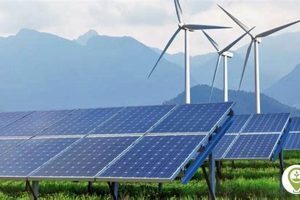
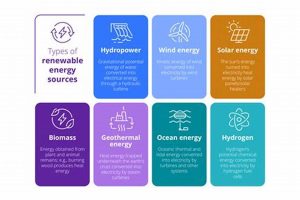
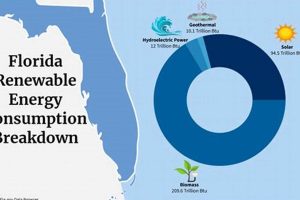
Various sources harness natural processes to produce electrical power. Solar panels, for instance, convert sunlight directly into electricity using photovoltaic cells. Wind turbines capture the kinetic energy of wind and transform it into electricity through the rotation of generator-coupled blades. Hydroelectric dams use the potential energy of water stored at height, channeling its flow through turbines to generate electricity. Geothermal power plants tap into the Earth’s internal heat to produce steam, which then drives turbines. Biomass energy utilizes organic matter, either by burning it directly or converting it into biofuels, to generate electricity through conventional thermal power plants.
The utilization of these natural resources offers significant advantages, contributing to a cleaner environment by reducing reliance on fossil fuels and mitigating greenhouse gas emissions. This shift towards cleaner energy sources is crucial for combating climate change and ensuring a sustainable future. Historically, reliance on renewable sources like wind and water power predates the widespread adoption of fossil fuels. However, advancements in technology have enabled more efficient and widespread utilization of these resources, making them a key component of modern energy strategies.
This article will explore the various forms of renewable energy generation in greater detail, examining the specific mechanisms, technologies, and potential of each. Furthermore, the article will discuss the challenges and opportunities associated with integrating these technologies into existing energy grids, as well as their role in achieving global sustainability goals.
Tips for Utilizing Renewable Energy
Optimizing the benefits of renewable energy requires careful consideration of various factors, from initial site assessment to ongoing maintenance. The following tips provide guidance for individuals and communities interested in transitioning to or expanding their use of renewable energy sources.
Tip 1: Conduct a Thorough Site Assessment: Evaluate the local environment to determine the most suitable renewable energy source. Wind resources vary geographically, while solar potential depends on sunlight exposure. Water availability and geothermal activity are crucial for hydro and geothermal projects, respectively.
Tip 2: Understand Local Regulations and Incentives: Policies and incentives regarding renewable energy installations vary. Research local building codes, permits, and available financial incentives such as tax credits or rebates.
Tip 3: Consider Energy Storage Solutions: Renewable energy sources are often intermittent. Integrating energy storage, such as batteries, allows for consistent power supply even when the primary source is unavailable.
Tip 4: Prioritize Energy Efficiency: Reducing overall energy consumption minimizes the demand placed on renewable energy systems. Implement energy-efficient practices and technologies throughout homes and businesses.
Tip 5: Engage with Qualified Professionals: Consult experienced engineers, contractors, and installers specializing in renewable energy systems. Their expertise ensures proper system design, installation, and maintenance.
Tip 6: Explore Community Solar or Wind Projects: If individual installations are impractical, consider participating in community-shared projects. These initiatives allow individuals to benefit from renewable energy without requiring on-site installations.
Tip 7: Monitor System Performance and Conduct Regular Maintenance: Ensure optimal performance and longevity by regularly monitoring system output and scheduling necessary maintenance tasks.
By implementing these tips, individuals and communities can effectively transition to cleaner energy sources, reduce environmental impact, and contribute to a more sustainable future. The advantages of renewable energy extend beyond individual benefits, influencing broader energy independence and grid stability.
This concludes the practical guidance section. The following section will delve deeper into the future of renewable energy and its potential to reshape the global energy landscape.
1. Natural Processes

Natural processes are fundamental to renewable energy generation. The sun’s radiation, wind patterns, water cycles, and geothermal heat are the driving forces behind various renewable energy technologies. Understanding these natural processes is crucial for harnessing their energy potential effectively. For instance, solar energy relies on the photovoltaic effect, where sunlight excites electrons in certain materials, generating an electric current. Wind energy captures the kinetic energy of moving air masses using turbines, converting it into rotational energy that drives generators. Hydropower utilizes the gravitational potential energy of water stored at height, channeling its flow through turbines to generate electricity. Geothermal power plants extract heat from the Earth’s interior to produce steam, which drives turbines connected to generators. The availability and intensity of these natural processes dictate the feasibility and efficiency of renewable energy projects.
The variability of natural processes presents both challenges and opportunities. Solar energy generation fluctuates with cloud cover and time of day, while wind power output depends on wind speed and consistency. Hydropower generation can be affected by seasonal variations in rainfall and water availability. Geothermal resources, although relatively stable, are geographically limited. Addressing these intermittencies requires innovative solutions, such as energy storage technologies and grid management strategies. Precisely predicting and adapting to these natural fluctuations is essential for optimizing renewable energy systems and integrating them seamlessly into existing power grids. This understanding facilitates the development of more reliable and efficient renewable energy infrastructure.
Effectively harnessing natural processes for renewable energy generation offers a sustainable pathway towards reducing reliance on fossil fuels and mitigating climate change. By understanding the underlying principles governing these processes and developing technologies to capture their energy potential, societies can transition towards a cleaner and more secure energy future. Continued research and innovation in areas like energy storage, grid integration, and resource forecasting will be vital for maximizing the benefits of renewable energy and ensuring its long-term viability.
2. Energy Conversion

Energy conversion is the crux of renewable energy generation, transforming naturally occurring energy forms into usable electricity. Understanding these conversion processes is essential for comprehending how renewable energy sources contribute to a sustainable power supply. This section explores the key facets of energy conversion within the context of renewable energy technologies.
- Photovoltaic Effect
The photovoltaic effect underpins solar energy generation. Specialized materials within solar panels absorb photons from sunlight, exciting electrons and creating an electric current. This direct conversion of light into electricity requires no moving parts and produces no emissions during operation. Photovoltaic systems range from small-scale rooftop installations to large solar farms, contributing significantly to the global renewable energy capacity.
- Mechanical Energy Conversion
Wind and hydropower rely on the conversion of mechanical energy into electricity. Wind turbines capture the kinetic energy of wind, using rotating blades to drive a generator. Similarly, hydroelectric dams harness the potential energy of water stored at height, channeling its flow through turbines to generate electricity. These mechanical processes demonstrate the effective utilization of natural forces for power generation.
- Thermal Energy Conversion
Geothermal and biomass energy utilize thermal energy conversion. Geothermal power plants extract heat from the Earth’s interior to create steam, which then drives turbines connected to generators. Biomass energy involves burning organic matter or converting it into biofuels to generate heat, subsequently used for electricity production through conventional thermal power plants. While involving heat as an intermediary, these methods offer sustainable alternatives to fossil fuel-based thermal generation.
- Electrochemical Conversion
Fuel cells represent another form of energy conversion relevant to renewable energy storage and utilization. Fuel cells electrochemically convert the chemical energy stored in hydrogen or other fuels directly into electricity, offering high efficiency and low emissions. While fuel cell technology is still developing, it holds promise for a cleaner and more flexible energy future, particularly in conjunction with renewable energy sources like solar and wind.
These diverse energy conversion methods demonstrate the ingenuity and adaptability of renewable energy technologies. By harnessing natural processes and employing innovative conversion techniques, renewable energy sources provide a sustainable and environmentally friendly pathway for meeting global energy demands. Further advancements in energy conversion technologies promise to enhance efficiency, reduce costs, and expand the role of renewable energy in the global energy mix.
3. Technological Advancements
Technological advancements play a crucial role in enhancing the efficiency, affordability, and accessibility of renewable energy generation. Continuous innovation drives improvements in existing technologies and fosters the development of novel approaches for harnessing renewable resources. This progress is essential for expanding the contribution of renewable energy to the global energy mix and mitigating climate change.
- Improved Photovoltaic Efficiency
Advancements in photovoltaic cell technology have significantly increased the efficiency of solar panels, allowing them to convert a larger percentage of sunlight into electricity. This includes developments in materials science, such as the use of perovskite solar cells, and innovative cell architectures like multi-junction solar cells. These improvements lead to higher power output from smaller areas, reducing land use requirements and enhancing the economic viability of solar energy.
- Advanced Wind Turbine Design
Wind turbine technology has seen substantial progress, featuring larger rotor diameters, taller towers, and improved blade designs. These advancements enable turbines to capture more wind energy, particularly at higher altitudes and in areas with lower wind speeds. Furthermore, advancements in control systems and grid integration technologies optimize turbine performance and enhance their compatibility with existing power grids.
- Enhanced Geothermal Systems
Innovations in geothermal energy extraction and utilization are expanding the accessibility of this resource. Enhanced geothermal systems (EGS) enable access to geothermal heat in areas not traditionally considered suitable for geothermal power plants. Advanced drilling techniques and reservoir management strategies improve the efficiency and sustainability of geothermal energy production.
- Smart Grid Integration
The integration of renewable energy sources into existing power grids poses significant challenges due to the intermittent nature of resources like solar and wind. Smart grid technologies, including advanced sensors, communication networks, and control systems, address these challenges by optimizing grid stability, balancing supply and demand, and enabling more efficient integration of renewable energy. These advancements are crucial for realizing the full potential of renewable energy and transitioning towards a more decentralized and resilient power system.
These technological advancements are continuously reshaping the landscape of renewable energy generation. Increased efficiency, reduced costs, and improved grid integration capabilities are driving the wider adoption of renewable energy sources, contributing significantly to global efforts towards a sustainable energy future. Continued research and development in these areas are essential for overcoming remaining challenges and realizing the full potential of renewable energy in mitigating climate change and ensuring a secure and sustainable energy supply for future generations.
4. Sustainable Generation
Sustainable generation is intrinsically linked to the methods employed in renewable energy electricity production. It represents the capacity to generate electricity indefinitely without depleting resources or causing significant environmental harm. Understanding the connection between sustainable generation and renewable energy technologies is crucial for developing a responsible and enduring energy future.
- Resource Replenishment
Renewable energy sources, unlike fossil fuels, are naturally replenished over relatively short periods. Solar energy relies on the continuous radiation from the sun, wind energy harnesses the power of atmospheric circulation, and hydropower utilizes the water cycle. This natural replenishment ensures a consistent energy supply without the risk of resource depletion, a key aspect of sustainable generation.
- Environmental Impact Reduction
Renewable energy generation significantly reduces environmental impact compared to conventional fossil fuel-based power plants. Emissions of greenhouse gases, a primary driver of climate change, are drastically lower or non-existent with renewable energy sources. This reduced environmental footprint is a critical component of sustainable generation, contributing to a healthier planet and mitigating the effects of climate change.
- Long-Term Energy Security
Sustainable generation contributes to long-term energy security by diversifying energy sources and reducing reliance on finite fossil fuels. By utilizing locally available renewable resources, communities and nations can enhance energy independence and reduce vulnerability to volatile global fuel markets. This decentralized and diversified approach enhances resilience and ensures a more secure energy future.
- Economic Benefits
Sustainable generation through renewable energy can stimulate economic growth and create jobs. The development, manufacturing, installation, and maintenance of renewable energy technologies require a skilled workforce, leading to new employment opportunities. Furthermore, investments in renewable energy infrastructure can revitalize local economies and contribute to sustainable development.
The facets of sustainable generation are integral to the core principles of renewable energy generation. By harnessing naturally replenished resources and minimizing environmental impact, renewable energy technologies offer a pathway towards a more sustainable and equitable energy future. Continued advancements in these technologies and supportive policies will be crucial for accelerating the transition towards a global energy system that is both environmentally responsible and economically viable, ensuring long-term energy security and a healthier planet for future generations.
5. Emissions Reduction

Emissions reduction is a critical driver behind the transition to renewable energy sources. The burning of fossil fuels for electricity generation releases significant amounts of greenhouse gases, contributing to climate change. Renewable energy technologies offer a pathway to decarbonize the power sector and mitigate these harmful emissions. This section explores the multifaceted relationship between emissions reduction and how renewable energy generates electricity.
- Reduced Greenhouse Gas Emissions
Renewable energy sources produce little to no greenhouse gas emissions during operation. Unlike fossil fuel power plants, which release carbon dioxide, methane, and nitrous oxide, renewable energy technologies like solar and wind power generate electricity without direct emissions. This fundamental difference significantly reduces their contribution to climate change and improves air quality.
- Lifecycle Emissions Considerations
While renewable energy technologies offer near-zero emissions during operation, it’s crucial to consider lifecycle emissions, which encompass the emissions associated with manufacturing, installation, maintenance, and decommissioning. While these emissions are typically lower than those associated with fossil fuels, accounting for them provides a more comprehensive understanding of the overall environmental impact.
- Air Quality Improvements
In addition to reducing greenhouse gas emissions, renewable energy technologies also improve air quality by eliminating the release of pollutants such as sulfur dioxide, nitrogen oxides, and particulate matter. These pollutants contribute to respiratory problems and other health issues, making the transition to renewable energy beneficial for public health.
- Decarbonizing the Power Sector
Replacing fossil fuel-based power plants with renewable energy sources is essential for decarbonizing the power sector, a major contributor to global greenhouse gas emissions. As renewable energy technologies become more efficient and cost-effective, they play an increasingly crucial role in achieving emissions reduction targets and mitigating the effects of climate change.
The connection between emissions reduction and how renewable energy generates electricity is fundamental to the global effort to combat climate change. By transitioning to renewable energy sources, societies can significantly reduce greenhouse gas emissions, improve air quality, and create a more sustainable energy future. Continued advancements in renewable energy technologies and supportive policies will be essential for accelerating this transition and ensuring a cleaner and healthier planet for future generations.
Frequently Asked Questions about Renewable Energy Generation
This section addresses common inquiries regarding the generation of electricity from renewable sources, providing concise and informative responses.
Question 1: What are the primary types of renewable energy used for electricity generation?
The most prevalent renewable energy sources for electricity generation include solar, wind, hydro, geothermal, and biomass. Each harnesses a different natural process, from sunlight to the Earth’s internal heat.
Question 2: How does solar energy generate electricity?
Solar panels utilize photovoltaic cells to convert sunlight directly into electricity. These cells consist of semiconducting materials that release electrons when exposed to sunlight, creating an electrical current.
Question 3: How do wind turbines generate electricity?
Wind turbines capture the kinetic energy of wind using rotating blades. This rotation drives a generator, converting the mechanical energy into electrical energy.
Question 4: How is hydropower used to generate electricity?
Hydroelectric power plants use the potential energy of water stored at height. Water flows through turbines, converting the potential energy into kinetic energy that drives a generator, producing electricity.
Question 5: How does geothermal energy produce electricity?
Geothermal power plants tap into the Earth’s internal heat. Steam or hot water from geothermal reservoirs drives turbines connected to generators, producing electricity.
Question 6: How is biomass used for electricity generation?
Biomass power plants burn organic matter, such as wood or agricultural residues, to generate heat. This heat creates steam that drives a turbine, generating electricity. Alternatively, biomass can be converted into biofuels, which can be used in conventional power plants.
Understanding the diverse mechanisms behind renewable energy generation is crucial for informed decision-making and broader adoption of these sustainable energy sources. These responses clarify the fundamental processes that transform natural resources into usable electrical power.
The following section will further explore the future prospects of renewable energy technologies and their potential to reshape the global energy landscape.
Conclusion
This exploration of renewable energy generation has illuminated the diverse mechanisms by which natural resources are transformed into usable electrical power. From the photovoltaic effect in solar panels to the rotation of wind turbines and the flow of water through hydroelectric dams, each technology harnesses a unique natural process. The examination of energy conversion processes, technological advancements, the inherent sustainability of these resources, and their crucial role in emissions reduction underscores the significance of renewable energy in the global energy landscape. The potential of these technologies to mitigate climate change, enhance energy security, and foster economic growth has been clearly demonstrated.
The transition to a sustainable energy future hinges on the continued advancement and adoption of renewable energy technologies. Further research, innovation, and supportive policies are essential for overcoming remaining challenges and unlocking the full potential of renewable energy. The imperative to address climate change and ensure a secure and sustainable energy supply for future generations necessitates a collective commitment to embracing and expanding the role of renewable energy in the global energy mix. The future of energy lies in harnessing the power of nature, responsibly and sustainably, for the benefit of all.