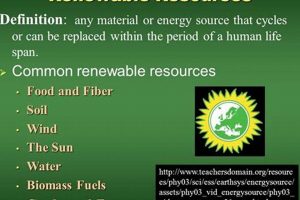
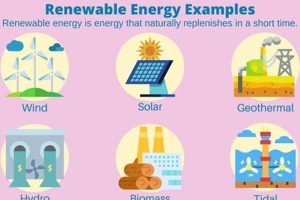
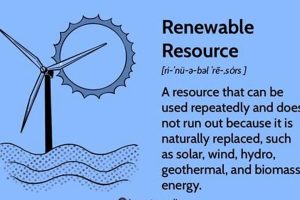
Harnessing power from naturally replenishing sources constitutes a vital strategy for meeting global energy demands while minimizing environmental impact. This encompasses a range of technologies and methodologies that convert solar, wind, geothermal, hydro, and biomass energy into usable forms, such as electricity, heat, and fuels. For instance, photovoltaic cells directly convert sunlight into electricity, while wind turbines transform kinetic energy from wind into mechanical energy, subsequently converted to electricity.
The implementation of these sustainable energy systems offers significant advantages, including reduced greenhouse gas emissions, decreased reliance on finite fossil fuels, and enhanced energy security. Historically, traditional energy sources have dominated the landscape. However, increasing awareness of climate change and resource depletion has driven substantial investment and innovation in renewable energy technologies, leading to more efficient and cost-effective solutions.
The following sections will explore various renewable energy technologies in detail, examining their operational principles, applications, and the challenges associated with their widespread adoption. This will cover energy storage, grid integration, and the economic considerations of transitioning to a cleaner energy future.
Strategies for Renewable Energy Utilization
Maximizing the benefits of renewable energy requires a comprehensive and strategic approach, encompassing technological advancements, infrastructure development, and policy implementation. The following tips outline key considerations for effective utilization.
Tip 1: Prioritize Energy Efficiency: Reducing energy consumption is paramount before implementing renewable energy systems. Conduct energy audits to identify areas for improvement in buildings, transportation, and industrial processes. Implement energy-efficient technologies and practices to minimize overall energy demand.
Tip 2: Diversify Renewable Energy Portfolio: Reliance on a single renewable energy source can pose challenges due to intermittency and resource availability. A diversified portfolio incorporating solar, wind, hydro, and geothermal resources enhances grid stability and reduces vulnerability to fluctuations in any single energy source.
Tip 3: Invest in Energy Storage Solutions: Energy storage technologies, such as batteries and pumped hydro storage, are critical for addressing the intermittency of renewable energy sources. These technologies allow for storing excess energy generated during periods of high production and releasing it when demand exceeds supply, ensuring a reliable energy supply.
Tip 4: Modernize Grid Infrastructure: A robust and modernized grid is essential for integrating distributed renewable energy sources. Smart grid technologies, including advanced metering infrastructure and real-time monitoring systems, enable efficient energy management and facilitate the bidirectional flow of electricity.
Tip 5: Implement Supportive Policies and Incentives: Government policies and incentives play a crucial role in promoting the adoption of renewable energy. Feed-in tariffs, tax credits, and renewable energy standards provide financial incentives for developers and consumers, accelerating the transition to a clean energy economy.
Tip 6: Promote Community Engagement and Education: Public awareness and support are vital for the successful implementation of renewable energy projects. Engaging with local communities, providing educational resources, and addressing concerns fosters acceptance and facilitates project development.
Tip 7: Foster Innovation and Technological Advancement: Continuous investment in research and development is essential for improving the efficiency, cost-effectiveness, and reliability of renewable energy technologies. Supporting innovation in areas such as advanced materials, energy storage, and grid integration drives progress toward a sustainable energy future.
Effective implementation of these strategies will lead to a more sustainable and resilient energy system, reducing environmental impact and enhancing energy security. By focusing on efficiency, diversification, storage, grid modernization, supportive policies, community engagement, and innovation, a successful transition to a renewable energy future can be achieved.
The subsequent sections will delve into the challenges and opportunities associated with scaling up renewable energy production and integrating it into existing energy infrastructure.
1. Electricity generation

Electricity generation is a primary application of renewable energy resources. The conversion of solar, wind, hydro, geothermal, and biomass energy into electrical power represents a significant departure from traditional reliance on fossil fuels. This transition offers several benefits, including reduced greenhouse gas emissions and decreased dependence on finite energy sources. For example, large-scale solar farms use photovoltaic panels to convert sunlight directly into electricity, feeding power into the grid and supplying homes and businesses. Similarly, wind farms harness the kinetic energy of wind to drive turbines that generate electricity. The scale of these projects demonstrates the practical viability of using renewable resources for substantial electricity production.
Beyond large-scale projects, decentralized electricity generation through renewable sources is also gaining traction. Residential solar panels, small wind turbines, and micro-hydro systems enable individuals and communities to generate their own electricity, enhancing energy independence and reducing transmission losses. The integration of these distributed energy resources into the grid requires advanced grid management techniques and smart grid technologies to ensure stability and reliability. Energy storage systems, such as batteries, play a crucial role in managing the intermittent nature of some renewable energy sources, allowing for the storage of excess electricity generated during periods of high production and its release when demand is high.
Ultimately, electricity generation from renewable resources is a cornerstone of a sustainable energy future. While challenges remain, including intermittency and grid integration, ongoing technological advancements and supportive policies are paving the way for increased reliance on renewable energy sources. The continued development and deployment of renewable electricity generation technologies are essential for mitigating climate change and ensuring a secure and sustainable energy supply for future generations.
2. Thermal applications

The utilization of renewable energy resources extends beyond electricity generation to encompass diverse thermal applications, addressing heating, cooling, and industrial process heat needs. These applications leverage the thermal energy inherent in renewable sources to displace conventional fossil fuel-based systems, contributing to reduced carbon emissions and enhanced energy efficiency.
- Solar Thermal Heating
Solar thermal systems capture sunlight to heat water or air for residential and commercial applications. Flat-plate collectors or evacuated tube collectors absorb solar radiation, transferring heat to a fluid that circulates through a building’s heating system or domestic hot water supply. These systems can significantly reduce reliance on conventional water heaters and furnaces.
- Geothermal Heating and Cooling
Geothermal energy harnesses the earth’s stable subsurface temperatures for heating and cooling. Geothermal heat pumps circulate a fluid through underground pipes, extracting heat from the earth in winter and dissipating heat in summer. This provides a consistent and efficient means of temperature regulation for buildings, reducing energy consumption compared to conventional HVAC systems.
- Biomass Heating
Biomass, such as wood pellets or agricultural residues, can be burned directly or converted into biofuels for heating applications. Biomass boilers and furnaces provide heat for residential, commercial, and industrial facilities. Utilizing sustainably sourced biomass can offer a carbon-neutral heating alternative, particularly when displacing fossil fuel combustion.
- Concentrated Solar Power (CSP) for Industrial Heat
Concentrated solar power plants utilize mirrors or lenses to focus sunlight onto a receiver, generating high-temperature heat that can be used for industrial processes. This heat can power steam turbines for electricity generation or provide direct process heat for manufacturing, chemical production, and other industrial applications. CSP technology offers a pathway to decarbonize industrial sectors that heavily rely on fossil fuels for thermal energy.
The integration of renewable thermal energy systems requires careful consideration of factors such as resource availability, system design, and energy storage. However, the potential for reducing greenhouse gas emissions and improving energy efficiency makes thermal applications a crucial component of a comprehensive renewable energy strategy. Further advancements in thermal energy storage and system integration will enhance the viability and widespread adoption of these technologies.
3. Transportation fuels

The production and utilization of transportation fuels derived from renewable energy resources represent a critical element in decarbonizing the transportation sector, a significant contributor to global greenhouse gas emissions. These fuels offer a viable alternative to conventional petroleum-based gasoline, diesel, and jet fuel, reducing reliance on fossil fuels and mitigating the environmental impact of transportation. The connection resides in harnessing sustainable sources, thus transforming transportation.
Biofuels, such as ethanol and biodiesel, are prominent examples. Ethanol is typically produced from the fermentation of sugars derived from crops like corn or sugarcane, while biodiesel is derived from vegetable oils, animal fats, or recycled greases. These fuels can be used directly in existing combustion engines or blended with conventional fuels. Advanced biofuels, derived from non-food sources such as algae or cellulosic biomass, hold promise for greater sustainability and reduced competition with food production. Hydrogen, produced through electrolysis powered by renewable electricity or through biomass gasification, represents another promising renewable transportation fuel. When used in fuel cell vehicles, hydrogen produces only water vapor as a byproduct.
The transition to renewable transportation fuels is crucial for achieving significant reductions in greenhouse gas emissions and improving air quality. However, challenges remain, including the need for sustainable feedstock production, efficient conversion technologies, and infrastructure development for fuel distribution and storage. Addressing these challenges through continued research, technological innovation, and supportive policies will be essential for realizing the full potential of renewable transportation fuels and creating a more sustainable transportation system.
4. Grid Integration

Effective integration of renewable energy resources into existing electricity grids is paramount for maximizing their utility and impact. Grid integration refers to the process of connecting renewable energy generating facilities to the electricity grid, ensuring that the power they produce can be reliably transmitted and distributed to consumers. Without robust grid integration strategies, the potential of renewable energy sources such as solar and wind power remains limited, as their intermittent nature can create challenges for grid stability. For example, Germany has invested significantly in grid modernization to accommodate its growing renewable energy sector, demonstrating the practical cause-and-effect relationship: increased renewable energy deployment necessitates advanced grid infrastructure.
The importance of grid integration stems from its role in balancing supply and demand. Renewable energy sources, particularly solar and wind, are subject to fluctuations depending on weather conditions. A well-integrated grid incorporates technologies such as smart grids, advanced metering infrastructure, and energy storage systems to manage these fluctuations. Smart grids enable real-time monitoring and control of electricity flow, while energy storage solutions, such as batteries and pumped hydro, can store excess renewable energy for later use. California, for instance, mandates energy storage procurements to support the integration of its ambitious renewable energy targets. This approach ensures that the power grid can maintain stability and reliability even with a high penetration of variable renewable energy sources.
In conclusion, grid integration is not merely an ancillary aspect of renewable energy deployment but a fundamental prerequisite for its successful implementation. It enables the efficient and reliable transmission of renewable electricity, supports grid stability, and unlocks the full potential of clean energy sources. Addressing the technical and economic challenges associated with grid integration is essential for achieving a sustainable energy future and mitigating the impacts of climate change.
5. Energy storage

The effective utilization of renewable energy resources is inextricably linked to the availability and deployment of energy storage technologies. Renewable energy sources such as solar and wind are inherently intermittent, generating power only when sunlight or wind is present. This temporal mismatch between energy supply and demand necessitates energy storage solutions to ensure a reliable and continuous power supply. Energy storage bridges the gap, allowing excess renewable energy generated during periods of high production to be stored and released when demand exceeds supply or when renewable resources are unavailable. Without energy storage, the widespread adoption of intermittent renewable energy sources would be significantly constrained, limiting their ability to contribute meaningfully to the energy mix.
Various energy storage technologies exist, each with distinct characteristics and applications. Battery storage systems, including lithium-ion batteries, are increasingly deployed for grid-scale applications, providing fast-response capabilities and improving grid stability. Pumped hydro storage, which involves pumping water uphill to a reservoir and releasing it to generate electricity when needed, offers large-scale, long-duration storage capacity. Thermal energy storage, utilizing materials that store heat or cold, can be integrated with solar thermal systems or district heating networks. For example, South Australia’s Hornsdale Power Reserve, a large-scale battery storage system, has demonstrated the capability to rapidly respond to grid disturbances and stabilize the electricity supply, enabling the greater integration of wind and solar energy.
In summary, energy storage is a critical enabler of increased renewable energy utilization. It addresses the intermittency challenges inherent in many renewable sources, enhances grid stability, and ensures a reliable energy supply. Continued advancements in energy storage technologies, coupled with supportive policies and market mechanisms, are essential for accelerating the transition to a sustainable energy future powered by renewable resources.
6. Building heating/cooling

The integration of renewable energy resources into building heating and cooling systems represents a substantial avenue for reducing energy consumption and greenhouse gas emissions. Conventional heating and cooling systems rely heavily on fossil fuels or electricity generated from fossil fuels, contributing significantly to the carbon footprint of buildings. Implementing renewable energy technologies for building heating and cooling mitigates this impact. Solar thermal systems, for instance, harness solar radiation to heat water or air, directly displacing the need for fossil fuel-based heating. Geothermal heat pumps leverage the earth’s stable underground temperature to provide both heating and cooling, offering a highly efficient alternative to conventional HVAC systems. The cause-and-effect relationship is clear: renewable energy integration directly reduces fossil fuel dependence in building climate control.
The importance of incorporating building heating and cooling into a broader strategy for utilizing renewable energy resources cannot be overstated. Buildings account for a significant portion of global energy consumption, making them a prime target for efficiency improvements and renewable energy deployment. Passive solar design, incorporating building orientation, shading, and thermal mass, can minimize the need for active heating and cooling systems. Active renewable energy systems, such as solar air heaters or biomass boilers, can further reduce reliance on conventional energy sources. For example, many LEED-certified buildings incorporate geothermal or solar thermal systems to achieve higher energy efficiency ratings and reduce their environmental impact.
In conclusion, the adoption of renewable energy resources for building heating and cooling is essential for achieving sustainable building practices and mitigating climate change. By integrating technologies such as solar thermal, geothermal heat pumps, and biomass heating, buildings can significantly reduce their carbon footprint and contribute to a cleaner energy future. Overcoming barriers such as initial costs and technological challenges is crucial for widespread adoption, reinforcing the link between effective utilization of renewable resources and the long-term sustainability of the built environment.
7. Industrial processes

Industrial processes, characterized by their substantial energy demands, present a critical arena for deploying renewable energy resources. Traditional industrial operations rely heavily on fossil fuels for process heating, electricity, and the production of raw materials. The integration of renewable energy technologies into these processes offers a pathway to significantly reduce carbon emissions, improve energy efficiency, and enhance the sustainability of industrial activities. For instance, concentrated solar power (CSP) can provide high-temperature process heat for industries such as chemical manufacturing and food processing, directly displacing fossil fuel combustion.
The significance of industrial processes as a component of broader renewable energy utilization stems from their large-scale energy consumption and their potential for decarbonization. Implementing renewable energy solutions in industrial settings not only reduces greenhouse gas emissions but also promotes energy security and economic competitiveness. For example, the steel industry is exploring the use of hydrogen produced from renewable sources as a reducing agent in steelmaking, replacing carbon-intensive coke. Similarly, the cement industry is investigating the use of biomass and waste heat recovery to reduce its reliance on fossil fuels. These practical applications demonstrate the feasibility and benefits of integrating renewable energy into energy-intensive industrial processes.
In conclusion, the application of renewable energy resources to industrial processes represents a vital strategy for achieving a sustainable and low-carbon economy. While challenges such as technological integration, capital costs, and infrastructure development remain, the potential for reducing emissions and improving energy efficiency makes this a critical area for investment and innovation. By actively pursuing the integration of renewable energy into industrial operations, significant strides can be made towards a more sustainable and resilient industrial sector.
Frequently Asked Questions
The following section addresses common inquiries regarding the practical application and benefits of renewable energy resources.
Question 1: What are the primary methods for converting solar energy into usable forms?
Solar energy is primarily converted into usable forms through two main technologies: photovoltaic (PV) cells and solar thermal systems. PV cells directly convert sunlight into electricity through the photovoltaic effect. Solar thermal systems capture sunlight to heat water or air, which can be used for space heating, water heating, or electricity generation via steam turbines.
Question 2: How is wind energy harnessed and converted into electricity?
Wind energy is harnessed using wind turbines, which consist of blades that rotate when exposed to wind. The rotating blades turn a generator, converting the kinetic energy of the wind into electrical energy. Wind farms, comprising multiple wind turbines, are often located in areas with consistent and strong wind resources.
Question 3: What role does geothermal energy play in meeting energy demands?
Geothermal energy utilizes the Earth’s internal heat for various applications. Geothermal power plants extract steam or hot water from underground reservoirs to drive turbines that generate electricity. Geothermal heat pumps can also be used for heating and cooling buildings by circulating fluid through underground pipes, leveraging the Earth’s stable subsurface temperatures.
Question 4: How can biomass be utilized as a renewable energy resource?
Biomass, organic matter from plants and animals, can be utilized as a renewable energy resource through various methods. It can be burned directly for heating or electricity generation, converted into biofuels such as ethanol and biodiesel, or gasified to produce biogas, which can then be used as a fuel. Sustainable biomass sourcing practices are essential to ensure its environmental benefits.
Question 5: What are the main challenges associated with integrating renewable energy sources into existing power grids?
Integrating renewable energy sources into existing power grids presents several challenges, primarily due to the intermittent nature of some sources like solar and wind. Grid stability and reliability must be maintained by managing fluctuations in energy supply. Energy storage solutions, smart grid technologies, and enhanced grid infrastructure are crucial for addressing these challenges.
Question 6: What government policies and incentives promote the adoption of renewable energy technologies?
Various government policies and incentives promote the adoption of renewable energy technologies. These include feed-in tariffs, which guarantee a fixed price for electricity generated from renewable sources; tax credits, which reduce the cost of renewable energy investments; and renewable energy standards, which mandate a certain percentage of electricity to be generated from renewable sources. These policies aim to create a favorable economic environment for renewable energy deployment.
Renewable energy resource utilization represents a critical strategy for achieving a sustainable energy future, requiring ongoing innovation, strategic planning, and supportive policies.
The subsequent section will explore emerging trends and future directions in the field of renewable energy.
Conclusion
The preceding discussion has explored how we use renewable energy resources across diverse sectors, encompassing electricity generation, thermal applications, transportation fuels, and integration into existing infrastructure. A comprehensive understanding of these applications, along with associated challenges and technological solutions, is essential for effective implementation. From grid modernization and energy storage to policy frameworks and technological advancements, these combined efforts are critical for maximizing the potential of sustainable energy.
The effective deployment of these resources represents a fundamental shift toward a more sustainable energy future. Continued research, development, and strategic implementation are essential to realizing the full environmental and economic benefits. This transition is not merely an option, but a necessity for long-term global sustainability.
![Guide to What Energy Resources Are Renewable [+Future] | Renewable Energy Solutions for a Sustainable Future | Clean & Green Power](https://pplrenewableenergy.com/wp-content/uploads/2026/03/th-516-300x200.jpg "Guide to What Energy Resources Are Renewable [+Future] Renewable Energy Solutions for a Sustainable Future | Clean & Green Power")