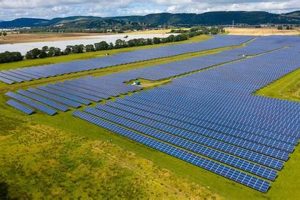
Clean power generation using the state’s natural resources, such as solar, wind, and biomass, forms the core of sustainable power production in the Sunshine State. For example, photovoltaic systems convert sunlight directly into electricity, while wind turbines harness the power of coastal breezes. These technologies offer alternatives to conventional fossil fuels.
Sustainable power sources offer numerous advantages, including a reduction in greenhouse gas emissions, diversification of the energy portfolio, and stimulation of economic growth through job creation and investment in new technologies. Historically, the state’s reliance on traditional energy sources has posed environmental challenges. The shift towards cleaner options addresses these concerns and paves the way for a more resilient and sustainable future.
This exploration delves into the specific types of sustainable power employed in Florida, examines the current policies and incentives promoting their adoption, and analyzes the future potential of these resources to meet the state’s growing energy demands.
Tips for Supporting Sustainable Power in Florida
Individuals and businesses can contribute to a cleaner energy future in Florida through informed choices and proactive measures. The following tips provide practical guidance for supporting and benefiting from sustainable power initiatives.
Tip 1: Explore Residential Solar Installations: Evaluate the feasibility of rooftop solar panels. Net metering programs can offset energy costs by feeding excess power back into the grid.
Tip 2: Support Community Solar Projects: Participate in community solar initiatives, even without installing panels, to access clean energy and potential cost savings.
Tip 3: Advocate for Pro-Renewable Policies: Engage with local and state representatives to support legislation and policies that encourage sustainable power development and adoption.
Tip 4: Invest in Energy-Efficient Appliances: Reduce overall energy consumption by opting for Energy Star certified appliances, minimizing the reliance on any power source.
Tip 5: Consider Electric Vehicles: Transitioning to electric vehicles powered by sustainable sources further reduces carbon emissions and dependence on fossil fuels.
Tip 6: Educate and Engage Your Community: Share information about the benefits of sustainable power with neighbors, colleagues, and community groups to raise awareness and foster broader support.
Tip 7: Research Available Incentives: Explore available rebates, tax credits, and other financial incentives offered by government agencies and utility companies for adopting clean energy solutions.
By embracing these suggestions, residents and businesses can contribute to a more sustainable future, reducing environmental impact and fostering a cleaner energy landscape in Florida.
These collective efforts will contribute significantly to Florida’s transition to a more sustainable energy future. The following section will conclude this exploration with a look at the long-term vision for sustainable power in the state.
1. Solar Power

Solar power represents a significant component of Florida’s renewable energy portfolio. The state’s ample sunshine offers considerable potential for harnessing solar energy to generate electricity, reducing reliance on traditional fossil fuels and mitigating environmental impact. This section explores key facets of solar power within the context of Florida’s energy landscape.
- Photovoltaic (PV) Systems
PV systems, commonly known as solar panels, directly convert sunlight into electricity. Residential rooftop installations, large-scale solar farms, and commercial building integrations contribute to Florida’s growing solar capacity. For example, the DeSoto Next Generation Solar Energy Center, one of the largest solar farms in the state, demonstrates the scalability of PV technology. These installations diversify energy sources and create opportunities for economic development within the renewable energy sector.
- Net Metering Policies
Net metering plays a crucial role in incentivizing solar adoption. These policies allow solar panel owners to sell excess electricity generated back to the grid, offsetting their energy costs. This bidirectional flow of energy enhances grid stability and promotes greater utilization of renewable resources. Florida’s net metering policies have contributed significantly to the growth of residential and commercial solar installations.
- Technological Advancements
Ongoing advancements in solar technology, such as improved panel efficiency and energy storage solutions, continue to enhance the viability and affordability of solar power. Innovations like battery storage systems allow for greater utilization of solar energy, even during periods of low sunlight. These developments contribute to the long-term sustainability and reliability of solar power as a key energy source in Florida.
- Economic and Environmental Impacts
Solar power offers substantial economic and environmental benefits. The growth of the solar industry creates jobs in manufacturing, installation, and maintenance. Reduced reliance on fossil fuels diminishes greenhouse gas emissions and improves air quality, contributing to a healthier environment. These combined benefits strengthen Florida’s commitment to a sustainable energy future.
The continued expansion of solar power, facilitated by supportive policies and technological advancements, solidifies its crucial role in Florida’s transition to a cleaner and more sustainable energy future. Solar energy’s integration with other renewable resources and the existing grid infrastructure offers a promising pathway towards greater energy independence and environmental stewardship.
2. Wind Energy

Wind energy contributes a growing portion to Florida’s renewable energy portfolio. While not as dominant as solar power due to the state’s lower average wind speeds, specific coastal regions and offshore areas offer viable locations for wind farms. Harnessing this resource diversifies the state’s energy mix, reducing reliance on conventional energy sources and promoting a cleaner environment. The connection between wind energy and Florida’s broader renewable energy goals hinges on several factors, including technological advancements, geographic considerations, and economic viability. For instance, the Crystal River Energy Complex, featuring wind turbines alongside other generating units, illustrates the integration of wind power into existing energy infrastructure.
The practical significance of wind energy’s role in Florida’s renewable energy landscape becomes apparent when considering its environmental and economic benefits. Wind farms, like those planned or operating in the panhandle region, generate clean electricity without producing greenhouse gas emissions, mitigating the impact on air quality and contributing to climate change goals. Furthermore, the wind energy sector creates employment opportunities in manufacturing, installation, maintenance, and research, stimulating economic growth and supporting local communities. However, challenges remain, including public acceptance of wind turbine aesthetics and the potential impact on wildlife, which necessitate careful planning and mitigation strategies.
In conclusion, wind energy offers a valuable complement to solar and other renewable resources in Florida’s pursuit of a sustainable energy future. While the state’s wind resources may not match those of other regions, strategic development in suitable locations provides significant environmental and economic advantages. Addressing the associated challenges through research, technological innovation, and community engagement will be crucial for maximizing the contribution of wind energy to Florida’s renewable energy portfolio and achieving long-term sustainability goals.
3. Biomass Utilization

Biomass utilization represents a distinct component within Florida’s renewable energy landscape, offering a pathway to convert organic matter into usable energy. This process involves harnessing the energy stored in plant and animal materials, including agricultural residues, wood waste, and dedicated energy crops. The connection between biomass utilization and Florida’s broader renewable energy goals lies in its potential to diversify energy sources, reduce reliance on fossil fuels, and contribute to a more circular economy. For example, sugarcane bagasse, a byproduct of sugar production, serves as a significant biomass resource in Florida, powering sugar mills and potentially feeding into the broader energy grid. This illustrates the practical application of biomass conversion and its potential to integrate with existing industries. Examining the specific types of biomass resources available in Florida, the technologies employed for their conversion, and the environmental and economic implications provides a deeper understanding of this sector’s role.
Several factors influence the efficacy and sustainability of biomass utilization in Florida. The availability and sustainable sourcing of biomass feedstocks are crucial to ensure long-term viability and prevent unintended environmental consequences. Technologies employed for biomass conversion, such as combustion, gasification, and anaerobic digestion, each possess distinct advantages and disadvantages regarding efficiency, emissions, and cost-effectiveness. Furthermore, the environmental impacts of biomass utilization, including greenhouse gas emissions and potential land use changes, warrant careful assessment and mitigation strategies. For instance, utilizing invasive plant species as biomass feedstock presents an opportunity for both renewable energy generation and ecological restoration. Understanding these interconnected factors is essential for maximizing the benefits and minimizing the potential drawbacks of biomass utilization within Florida’s renewable energy portfolio.
In summary, biomass utilization offers a valuable pathway for diversifying Florida’s renewable energy mix. By strategically utilizing available biomass resources and employing appropriate conversion technologies, the state can reduce its carbon footprint and promote a more sustainable energy future. Addressing the associated challenges through research, technological innovation, and policy support will be essential for maximizing the contribution of biomass utilization to Florida’s overall renewable energy goals and ensuring its long-term environmental and economic viability. Integrating biomass utilization with other renewable energy sources, such as solar and wind, further enhances the resilience and sustainability of Florida’s energy landscape.
4. Hydropower Potential

Hydropower, while not a dominant source like solar energy in Florida, contributes to the state’s renewable energy portfolio. The connection between hydropower potential and Florida renewable energy lies primarily in its capacity to provide a stable, albeit limited, source of clean electricity generation. Due to Florida’s relatively flat topography, large-scale hydroelectric projects are not feasible. However, existing infrastructure, such as canals and water management systems, offers opportunities for smaller-scale hydropower installations. These installations, while individually modest, can collectively contribute to a more diversified and resilient energy grid. For example, the Jim Woodruff Lock and Dam, located on the Apalachicola River, demonstrates the integration of hydropower generation with existing water management infrastructure. Understanding this connection requires examining the geographic limitations, the existing infrastructure’s potential, and the environmental considerations associated with hydropower in Florida.
The practical significance of hydropower’s role in Florida renewable energy becomes apparent when considering its unique advantages and challenges. Hydropower offers a reliable and predictable energy source compared to intermittent renewables like solar and wind, enhancing grid stability. Furthermore, hydropower facilities can provide ancillary services, such as frequency regulation and voltage support, essential for maintaining a robust and dependable power system. However, the environmental impact of hydropower installations, including potential alterations to water flow and aquatic ecosystems, requires careful assessment and mitigation strategies. For instance, fish passage and water quality monitoring are crucial aspects of responsible hydropower development. Balancing the benefits of clean energy generation with potential environmental impacts is essential for maximizing the positive contribution of hydropower to Florida’s overall renewable energy goals.
In conclusion, hydropower offers a supplementary component within Florida’s renewable energy mix. While geographical constraints limit its large-scale development, strategic integration with existing water management systems can provide a valuable source of clean and reliable electricity. Addressing the associated environmental considerations through responsible planning and implementation is essential. The future of hydropower in Florida likely lies in optimizing existing infrastructure and exploring innovative small-scale hydropower technologies that minimize environmental impact while contributing to a more diversified and sustainable energy landscape. This approach complements the broader push for renewable energy in Florida by adding another layer of reliability and resilience to the state’s energy grid.
5. Policy and Incentives
Government policies and financial incentives play a crucial role in shaping the development and adoption of renewable energy technologies in Florida. These mechanisms influence market dynamics, investment decisions, and consumer behavior, directly impacting the growth trajectory of the renewable energy sector. Effective policies can create a supportive environment that accelerates the transition towards a cleaner and more sustainable energy future. For example, Florida’s Renewable Portfolio Standard (RPS), while voluntary, sets targets for renewable energy generation, encouraging utilities to invest in clean energy sources. Additionally, net metering policies, which allow consumers to sell excess solar energy back to the grid, create a financial incentive for residential and commercial solar installations. Understanding this connection requires examining the specific policies and incentives in place, their impact on market growth, and their overall effectiveness in promoting renewable energy adoption.
The practical significance of policy and incentives becomes apparent when analyzing their influence on specific renewable energy technologies. Tax credits, rebates, and grants can significantly reduce the upfront costs of installing solar panels or other renewable energy systems, making them more accessible to consumers and businesses. Feed-in tariffs, which guarantee a fixed price for renewable energy generation, provide long-term revenue stability for project developers, attracting investment and stimulating market growth. Furthermore, policies that streamline permitting processes and address interconnection challenges can remove barriers to renewable energy deployment, facilitating a more rapid transition. However, policy instability or a lack of long-term commitment can create uncertainty in the market, hindering investment and slowing down the growth of the renewable energy sector. Florida’s experience with net metering policies, where debates and potential revisions have created some uncertainty for consumers, illustrates the importance of consistent and predictable policy frameworks.
In summary, well-designed policies and incentives are essential drivers of renewable energy development in Florida. By creating a supportive regulatory environment and providing financial incentives, policymakers can accelerate the adoption of clean energy technologies, stimulate economic growth within the renewable energy sector, and contribute to a more sustainable energy future. Addressing challenges related to policy consistency, regulatory efficiency, and equitable access to incentives will be crucial for maximizing the impact of these mechanisms and achieving long-term renewable energy goals. Integrating policy and incentive strategies with broader initiatives, such as grid modernization and energy efficiency programs, further enhances the effectiveness of Florida’s transition to a cleaner and more resilient energy system.
6. Grid Integration

Effective grid integration is essential for maximizing the benefits of renewable energy sources within Florida’s energy landscape. The intermittent nature of solar and wind power necessitates a robust and adaptable grid infrastructure capable of managing fluctuating power inputs and ensuring a reliable electricity supply. Grid integration encompasses a range of technical and operational strategies designed to accommodate the unique characteristics of renewable energy generation. For example, advanced forecasting systems predict solar and wind power output, enabling grid operators to anticipate fluctuations and adjust conventional power generation accordingly. Furthermore, energy storage solutions, such as batteries and pumped hydro, can store excess renewable energy during periods of high production and release it during periods of low production, smoothing out variability and enhancing grid stability. Florida’s increasing reliance on solar power necessitates robust grid integration strategies to maintain reliability as solar penetration increases.
The practical significance of grid integration becomes evident when considering its impact on the reliability and affordability of electricity. A well-integrated grid minimizes the risk of blackouts and other disruptions caused by fluctuations in renewable energy generation. Smart grid technologies, such as advanced metering infrastructure and demand-side management programs, further enhance grid flexibility and efficiency by enabling real-time monitoring and control of energy consumption. These technologies allow for dynamic pricing mechanisms that incentivize consumers to shift their energy usage to times of high renewable energy production, reducing peak demand and optimizing grid operations. Furthermore, grid modernization efforts, such as upgrading transmission lines and substations, are crucial for accommodating the increasing influx of renewable energy from geographically dispersed sources. Florida’s ongoing investments in grid modernization initiatives demonstrate a commitment to enhancing grid resilience and facilitating greater integration of renewable energy.
In summary, seamless grid integration is a critical enabler of a sustainable energy future in Florida. By investing in advanced grid technologies, energy storage solutions, and robust transmission infrastructure, the state can maximize the benefits of its abundant renewable resources while ensuring a reliable and affordable electricity supply. Addressing challenges related to intermittency, grid stability, and cybersecurity will be crucial for realizing the full potential of renewable energy and achieving a resilient and decarbonized energy system. Effective grid integration, coupled with supportive policies and continued technological advancements, will pave the way for a cleaner, more sustainable, and more secure energy future for Florida.
Frequently Asked Questions about Renewable Energy in Florida
This section addresses common inquiries regarding the development, implementation, and impact of renewable energy sources within Florida.
Question 1: What are the primary renewable energy sources utilized in Florida?
Solar energy is the most prevalent renewable energy source in Florida, followed by wind energy, biomass, and hydropower. The state’s abundant sunshine makes it particularly well-suited for solar power generation.
Question 2: How do net metering policies benefit consumers who install solar panels?
Net metering allows consumers to sell excess solar energy generated by their panels back to the grid, offsetting their electricity bills and potentially earning credits.
Question 3: What are the key challenges hindering the wider adoption of renewable energy in Florida?
Challenges include grid integration complexities associated with intermittent renewable sources, upfront costs of renewable energy installations, and the need for supportive policies and regulatory frameworks.
Question 4: What is the role of energy storage in enhancing the reliability of renewable energy?
Energy storage technologies, such as batteries, store excess renewable energy generated during peak periods and release it during periods of low production, smoothing out intermittency and ensuring a consistent power supply. This enhances grid stability and reliability.
Question 5: How does renewable energy development contribute to Florida’s economy?
Renewable energy creates jobs in manufacturing, installation, maintenance, and research. It also attracts investment, stimulates economic growth, and reduces reliance on imported fossil fuels.
Question 6: What steps can individuals take to support renewable energy in Florida?
Individuals can explore residential solar installations, participate in community solar projects, advocate for pro-renewable policies, invest in energy-efficient appliances, and educate others about the benefits of renewable energy.
Understanding these key aspects of renewable energy in Florida empowers informed decision-making and promotes broader participation in the transition to a sustainable energy future.
This concludes the frequently asked questions section. The following section will explore future projections and potential advancements in renewable energy technologies within Florida.
Florida Renewable Energy
This exploration has examined the multifaceted landscape of sustainable power generation in Florida, encompassing its potential, challenges, and crucial role in the state’s energy future. From the abundant solar resources to the emerging potential of wind and biomass, the analysis has highlighted the diverse range of technologies contributing to a cleaner energy mix. The critical importance of supportive policies, robust grid infrastructure, and ongoing technological advancements has been underscored. Furthermore, the examination of economic benefits, environmental advantages, and the role of individual and collective action provides a comprehensive understanding of the transformative potential of sustainable power.
The transition to a sustainable energy future requires continued commitment, innovation, and collaboration. Strategic investments in research and development, coupled with informed policy decisions, will unlock further advancements in renewable energy technologies and their integration into the existing energy infrastructure. Embracing sustainable power is not merely an environmental imperative but also a pathway to economic prosperity, energy independence, and a healthier future for generations to come. The future of energy in Florida hinges on the continued pursuit of sustainable solutions, paving the way for a brighter and more resilient tomorrow.