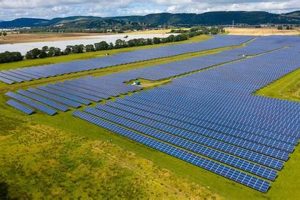
Competitive bidding processes for contracts to develop and operate renewable energy projects are becoming increasingly common. These processes typically involve governments or designated agencies offering contracts to private sector entities for a set period. For example, a government might offer a 20-year contract for the production of solar energy in a specific region. Developers submit bids outlining the price at which they can deliver the energy, and the lowest bid often wins.
These competitive procurement mechanisms drive down costs, promote efficiency, and ensure transparency in awarding contracts for clean energy development. Historically, feed-in tariffs, where developers were guaranteed a fixed price for their renewable energy, were prevalent. However, auctions have gained favor as they offer a more market-driven approach, leading to more competitive pricing and potentially lower costs for consumers. This approach also encourages innovation and ensures that public funds are used effectively.
The subsequent sections will delve further into specific aspects of these competitive processes, exploring various auction designs, their practical implementation, and their impact on the renewable energy sector.
Tips for Successful Renewable Energy Auctions
Well-designed and implemented competitive bidding processes are crucial for maximizing the benefits of renewable energy deployment. The following tips offer guidance for governments and developers participating in these processes.
Tip 1: Clear and Consistent Regulatory Framework: A stable and predictable regulatory environment is essential. This includes clear rules regarding project permitting, grid connection, and contract enforcement.
Tip 2: Technology-Specific Auctions: Tailoring auctions to specific technologies (e.g., solar, wind, geothermal) can lead to more effective outcomes. This allows for consideration of technology-specific costs and characteristics.
Tip 3: Robust Auction Design: Auction design elements like bid evaluation criteria, auction format (e.g., sealed bid, reverse auction), and timelines significantly influence results. Careful consideration of these elements is crucial.
Tip 4: Transparency and Public Consultation: Open and transparent processes build public trust and encourage greater participation. Public consultations can help identify and address potential challenges.
Tip 5: Long-Term Contracts: Offering sufficiently long contract durations provides developers with the certainty required to secure financing and make long-term investments.
Tip 6: Consideration of Grid Integration: Auction design should consider grid capacity and the integration challenges of intermittent renewable energy sources.
Tip 7: Community Engagement: Engaging local communities affected by renewable energy projects can help ensure social acceptance and minimize potential conflicts.
By incorporating these considerations, governments can create successful competitive procurement processes that drive cost reductions, stimulate innovation, and facilitate the transition to a cleaner energy future.
These tips provide a starting point for navigating the complexities of renewable energy auctions. Further research and adaptation to specific context are crucial for optimizing auction outcomes and realizing the full potential of renewable energy resources.
1. Competitive Bidding

Competitive bidding forms the core of successful renewable energy auctions. It is the mechanism through which project developers compete for contracts, ultimately driving down costs and promoting efficiency. Understanding the nuances of competitive bidding is crucial for both governments designing these auctions and developers participating in them.
- Price Discovery
Competitive bidding allows for efficient price discovery, revealing the true market value of renewable energy generation. Developers submit bids reflecting their estimated costs and desired profit margins, and the auction process reveals the lowest price at which the required energy capacity can be delivered. This transparent price discovery benefits consumers and ensures efficient allocation of resources.
- Risk Allocation
The competitive bidding process also clarifies risk allocation between the government (or procuring agency) and the project developer. Contracts awarded through auctions typically specify performance guarantees and penalties for non-compliance. This incentivizes developers to manage risks effectively and deliver projects on time and within budget. For example, a developer might face penalties for failing to meet agreed-upon energy output targets.
- Innovation Incentive
While price is often a primary factor in bid evaluation, competitive bidding can also incentivize innovation. Auction design can incorporate criteria that reward innovative technologies or approaches, such as higher efficiency or improved grid integration. This encourages developers to push the boundaries of renewable energy technology and develop more cost-effective and sustainable solutions.
- Market Transparency and Fairness
The structured nature of competitive bidding promotes transparency and fairness. Clear rules and evaluation criteria ensure that all participants have an equal opportunity to compete. This fosters trust in the process and encourages broader participation from both domestic and international developers, further enhancing competition.
These facets of competitive bidding collectively contribute to the effectiveness of renewable energy auctions. By leveraging the power of market competition, governments can procure renewable energy at the lowest possible cost, while simultaneously stimulating innovation and ensuring a fair and transparent market.
2. Cost Reduction

Cost reduction represents a primary driver and a key outcome of competitive procurement processes for renewable energy. Lowering the cost of renewable energy is essential for its widespread adoption and displacement of fossil fuels. Competitive bidding inherent in these processes plays a crucial role in achieving this cost reduction.
- Competition Among Developers
The competitive landscape fostered by auctions compels developers to submit the most competitive bids possible. This downward pressure on prices benefits consumers and ensures that renewable energy is procured at the lowest possible cost. For example, multiple developers vying for a solar project contract will each strive to offer the lowest price per kilowatt-hour, leading to significant cost savings compared to negotiated contracts or feed-in tariffs.
- Economies of Scale
Auctions often involve large-scale renewable energy projects. The larger scale of these projects allows developers to leverage economies of scale in procurement, construction, and operation, further contributing to cost reductions. Larger projects can negotiate better prices for equipment and benefit from lower financing costs due to reduced risk.
- Technological Advancements
The competitive environment also encourages developers to continuously innovate and adopt more efficient technologies. This drive for technological advancement contributes to lower costs over time. As technology improves, the cost of generating renewable energy decreases, making it increasingly competitive with conventional energy sources.
- Efficient Resource Allocation
Auctions ensure that renewable energy projects are allocated to the most efficient developers. By awarding contracts to those who can deliver energy at the lowest cost, auctions ensure efficient allocation of resources and maximize the return on public investment. This efficiency gains contribute to overall cost reduction in the renewable energy sector.
These factors combine to create a powerful mechanism for cost reduction in the renewable energy sector. Competitive procurement processes are instrumental in driving down costs, making renewable energy increasingly affordable and accessible, and accelerating the transition to a sustainable energy future. This, in turn, fosters greater energy independence and reduces reliance on volatile fossil fuel markets.
3. Transparency

Transparency is a critical element of effective competitive procurement processes for renewable energy. Open and accessible information about auction rules, evaluation criteria, and bidding outcomes fosters trust among stakeholders, including developers, investors, and the public. This trust is essential for attracting investment, ensuring fair competition, and maximizing the effectiveness of these processes.
Transparency manifests in several ways within renewable energy auctions. Published auction guidelines and pre-qualification requirements ensure all potential bidders have equal access to information. Clear and publicly available evaluation criteria allow bidders to understand how proposals will be assessed, promoting fair competition. Disclosure of bid results, including winning bids and contract terms, allows for public scrutiny and accountability. For instance, publicly disclosing the Levelised Cost of Electricity (LCOE) achieved through an auction allows for comparison across different projects and technologies, fostering greater understanding of market trends and cost competitiveness. Lack of transparency, conversely, can lead to suspicions of favoritism or corruption, discouraging participation and undermining the integrity of the process. Cases of opaque bidding processes in some regions have resulted in legal challenges and project delays, highlighting the practical significance of transparency.
In conclusion, transparency serves as a cornerstone of successful renewable energy auctions. It promotes fair competition, attracts investment, builds public trust, and ultimately contributes to the efficient and sustainable development of the renewable energy sector. Maintaining transparency requires ongoing effort and vigilance, but the benefits in terms of market integrity and public confidence are substantial. This underscores the crucial link between transparency and achieving the long-term goals of the renewable energy transition.
4. Project Development

Project development forms the crucial link between the promise of renewable energy auctions and the actual delivery of clean energy projects. Auctions provide the framework for selecting developers and establishing project parameters, but successful project development translates these agreements into tangible power generation assets. This process encompasses a complex interplay of technical, financial, regulatory, and environmental considerations.
- Site Assessment and Feasibility Studies
Before participating in an auction, developers conduct thorough site assessments to evaluate the suitability of potential project locations. This includes analyzing wind resources, solar irradiance, or other relevant factors, and conducting environmental impact assessments. Feasibility studies assess the technical and economic viability of the project, considering factors like grid connection, land availability, and permitting requirements. For example, a developer evaluating a site for a wind farm will analyze wind speed data over several years to estimate energy production potential. These studies are essential for informed bidding decisions and influence project design choices.
- Permitting and Approvals
Navigating the regulatory landscape is a critical aspect of project development. Obtaining necessary permits and approvals from local, regional, and national authorities can be a complex and time-consuming process. Developers must comply with environmental regulations, land use restrictions, and grid connection requirements. Delays in permitting can significantly impact project timelines and costs. For instance, securing permits for offshore wind farms often involves extensive environmental studies to assess potential impacts on marine ecosystems and bird migration patterns.
- Financing and Investment
Securing financing is essential for project development. Winning an auction provides a degree of certainty, making projects more attractive to investors. Developers typically seek financing from banks, investment funds, or other sources. The terms of the auction, such as contract duration and guaranteed power purchase agreements, influence the availability and cost of financing. For example, a long-term power purchase agreement secured through the auction can provide the revenue certainty required for project financing.
- Construction and Commissioning
The construction phase involves site preparation, installation of equipment, and grid connection. Effective project management is crucial for ensuring timely and cost-effective construction. Once construction is complete, the project undergoes commissioning tests to ensure it meets performance specifications before it begins commercial operation. For large-scale solar projects, this involves testing individual panels and the entire system to ensure they meet performance guarantees outlined in the auction contract.
Successful project development culminates in the delivery of operational renewable energy projects, fulfilling the objectives of the auction process. Each stage, from initial site assessment to final commissioning, plays a vital role in the overall success of the project and the broader transition to a sustainable energy future. Delays or failures at any stage can jeopardize the project and undermine the effectiveness of the auction mechanism. This emphasizes the need for robust project management, clear regulatory frameworks, and effective collaboration between developers, governments, and stakeholders throughout the entire project development lifecycle.
5. Long-Term Contracts

Long-term contracts are a cornerstone of renewable energy auctions, providing the foundation upon which project financing and development decisions are made. These contracts, often spanning decades, offer revenue certainty to project developers, mitigating the inherent risks associated with large-scale infrastructure investments and facilitating access to capital. The duration and structure of these contracts significantly influence the viability and success of renewable energy projects procured through auctions.
- Bankability and Investment Security
Long-term contracts enhance the bankability of renewable energy projects. The guaranteed revenue stream over an extended period provides assurance to lenders and investors, reducing the perceived risk of the investment. This increased certainty lowers the cost of capital, making projects more financially viable. For example, a 20-year power purchase agreement (PPA) secured through an auction provides a stable revenue stream that can be used to secure debt financing for the project. Without such long-term agreements, financing renewable energy projects would be significantly more challenging and expensive.
- Risk Mitigation for Developers
Long-term contracts offer developers a degree of protection against market volatility, particularly fluctuations in energy prices. This price certainty allows developers to accurately forecast revenue and manage project risks more effectively. For instance, a fixed-price PPA shields developers from the risk of declining electricity prices, ensuring a predictable return on investment. This risk mitigation is particularly important for capital-intensive projects with long payback periods, such as large-scale solar or wind farms.
- Government Policy Stability
The presence of long-term contracts signals government commitment to renewable energy development, creating a stable and predictable policy environment. This stability attracts further investment and encourages long-term planning within the renewable energy sector. Clear and consistent government policies, reinforced by long-term contracts, are essential for building investor confidence and fostering sustainable growth in the industry. Conversely, frequent policy changes or retroactive adjustments to contract terms can undermine investor trust and hinder project development.
- Enabling Technology Adoption
Long-term contracts can facilitate the adoption of newer, less established renewable energy technologies. By providing revenue certainty, these contracts reduce the risk associated with deploying innovative technologies, encouraging developers to explore and implement cutting-edge solutions. This support for emerging technologies is crucial for driving innovation and accelerating the transition to a more diversified and sustainable energy mix. For example, long-term contracts can help de-risk investments in offshore wind or concentrated solar power, enabling these technologies to reach commercial maturity more quickly.
In the context of renewable energy auctions, long-term contracts act as the linchpin connecting the auction process with successful project implementation. They provide the financial and regulatory certainty necessary to attract investment, mitigate risks, and ensure the long-term viability of renewable energy projects. The careful design and implementation of these contracts are therefore crucial for maximizing the effectiveness of auctions and achieving the broader goals of the renewable energy transition. The balance between providing sufficient security for developers and protecting consumer interests through competitive pricing remains a key consideration in structuring these long-term agreements.
6. Technology Neutrality

Technology neutrality, within the context of renewable energy auctions, refers to a procurement approach where the auction design does not favor any specific renewable energy technology over others. Instead, all eligible technologies compete on a level playing field, theoretically allowing the most cost-effective and efficient technology to prevail. While seemingly straightforward, technology neutrality introduces complexities that require careful consideration in auction design and implementation.
- Level Playing Field and Fair Competition
The primary aim of technology neutrality is to create a level playing field where different renewable energy technologies, such as solar photovoltaic, onshore wind, offshore wind, biomass, and geothermal, can compete fairly based on their merits. This approach prevents biases towards established technologies and encourages innovation by providing opportunities for emerging technologies to demonstrate their competitiveness. However, achieving a truly level playing field can be challenging due to inherent differences in technology maturity, cost structures, and performance characteristics.
- Challenges in Comparing Dissimilar Technologies
Comparing dissimilar technologies poses a significant challenge in technology-neutral auctions. Different technologies have varying capacity factors, land requirements, grid integration challenges, and environmental impacts. Developing a robust and objective evaluation framework that accounts for these differences is crucial for ensuring a fair comparison. For instance, directly comparing the levelized cost of electricity (LCOE) of solar PV and offshore wind without considering their differing capacity factors and operational profiles can lead to misleading conclusions about their relative cost-effectiveness.
- Potential for Market Distortion and Unintended Consequences
While intended to foster competition, technology neutrality can inadvertently distort market outcomes. Established technologies with lower upfront costs, such as onshore wind and solar PV, often have an advantage over emerging technologies with higher initial investment requirements but potentially greater long-term benefits, like offshore wind or geothermal. This can create a “winner takes all” scenario where dominant technologies crowd out innovation and hinder the diversification of the renewable energy mix.
- Auction Design Considerations for Balancing Neutrality and Policy Objectives
Balancing technology neutrality with specific policy objectives requires careful auction design. Governments may have strategic goals beyond simple cost reduction, such as promoting specific technologies, supporting domestic industries, or diversifying the energy mix. Auction design elements, such as technology-specific quotas or differentiated bidding criteria, can be employed to address these objectives while maintaining a degree of technology neutrality. For instance, setting aside a portion of the auction capacity specifically for offshore wind projects can encourage its development even if it is not yet as cost-competitive as onshore wind or solar PV.
Technology neutrality in renewable energy auctions presents a complex trade-off between promoting competition, fostering innovation, and achieving specific policy objectives. While a completely neutral approach may seem ideal in theory, practical considerations often necessitate adjustments to auction design to address market imperfections, support emerging technologies, and ensure a balanced and sustainable development of the renewable energy sector. Careful consideration of these factors is essential for designing effective auctions that deliver both cost-competitive renewable energy and a diversified technology portfolio.
Frequently Asked Questions about Renewable Energy Auctions
This section addresses common inquiries regarding competitive procurement processes for renewable energy. Understanding these aspects is crucial for both policymakers and industry participants.
Question 1: How do these auctions contribute to lower electricity prices?
Competitive bidding compels developers to offer the lowest possible prices for renewable energy generation, directly translating into lower electricity costs for consumers. The auction process ensures that the most efficient producers are awarded contracts, driving down overall market prices.
Question 2: What role does government play in these auctions?
Governments typically act as the auctioning authority, defining the rules, setting targets, and awarding contracts. They establish the regulatory framework and ensure a transparent and competitive bidding process. Government oversight is essential for maintaining market integrity and achieving policy objectives.
Question 3: Do these auctions favor certain renewable energy technologies?
Ideally, auctions should be technology-neutral, allowing all eligible renewable energy technologies to compete fairly. However, some auctions may incorporate specific criteria or quotas to address policy objectives, such as promoting emerging technologies or supporting domestic industries. The degree of technology neutrality varies depending on the specific auction design.
Question 4: How do these competitive processes ensure project quality?
Auction design typically includes technical and performance requirements that bidders must meet. Contracts often specify performance guarantees and penalties for non-compliance, incentivizing developers to deliver high-quality projects that meet agreed-upon standards. Furthermore, independent audits and monitoring processes can help ensure quality throughout the project lifecycle.
Question 5: How are these auctions beneficial for investors?
The long-term contracts awarded through auctions provide revenue certainty, making renewable energy projects more attractive to investors. This stability reduces investment risk and lowers the cost of capital, facilitating project financing and development. Furthermore, the transparent and competitive nature of auctions builds investor confidence in the market.
Question 6: What are the long-term implications of these auctions for the energy sector?
Competitive procurement processes are driving significant cost reductions in renewable energy, accelerating its deployment, and contributing to the global transition to a more sustainable energy system. These auctions are instrumental in reshaping the energy landscape, increasing energy independence, and reducing reliance on fossil fuels.
Understanding these key aspects of renewable energy auctions provides valuable insights into their role in shaping the future of the energy sector. These competitive mechanisms are instrumental in driving down costs, promoting innovation, and ensuring a sustainable energy transition.
The following section will delve deeper into case studies of successful renewable energy auction implementations worldwide.
Auctions
Competitive procurement processes for renewable energy deployment have emerged as a powerful mechanism for accelerating the global transition to a sustainable energy future. This exploration has highlighted the critical role of auctions in driving down costs, fostering innovation, and ensuring transparency in the development of renewable energy projects. From the intricacies of competitive bidding and the importance of long-term contracts to the complexities of technology neutrality and the challenges of project development, the multifaceted nature of these processes has been examined. The significance of robust auction design, clear regulatory frameworks, and effective stakeholder engagement has been underscored as crucial factors for successful implementation.
The continued refinement and strategic implementation of renewable energy auctions hold immense potential for shaping a future powered by clean, affordable, and reliable energy sources. As governments and industry stakeholders navigate the evolving energy landscape, the lessons learned from past experiences and the ongoing pursuit of best practices will be instrumental in unlocking the full potential of competitive procurement to deliver a sustainable energy future for all. The transition to a cleaner energy future necessitates not only technological advancements but also innovative market mechanisms, and competitive procurement processes stand as a crucial tool in this transformative journey.