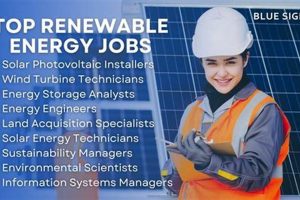
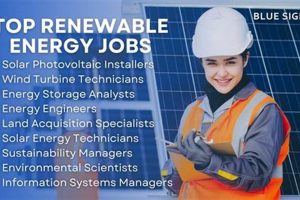
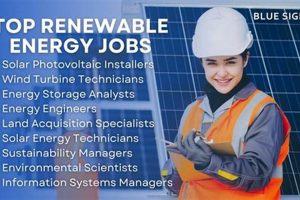
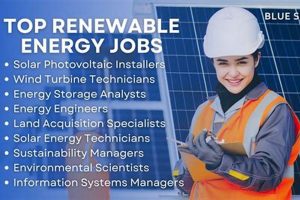
Positions within the sustainable energy sector encompass a wide range of skills and specializations, from scientists and engineers developing new technologies to technicians installing and maintaining equipment. Examples include solar panel installers, wind turbine technicians, and biofuel processing plant operators. This sector also includes roles in manufacturing, project management, sales, and policy development.
Employment in sustainable power generation offers significant economic and societal advantages. These positions contribute to reduced reliance on finite fossil fuels, mitigating climate change and improving air quality. Growth in this area stimulates economic development, creating opportunities in both rural and urban communities. Historically, the sector has experienced substantial expansion, driven by technological advancements, declining costs, and growing public awareness of environmental concerns. This trend is projected to continue, making it a promising field for future employment.
The following sections will explore specific career paths within the renewable energy sector, discuss necessary skills and training, and analyze future trends and growth potential in more detail.
Tips for Pursuing a Career in the Renewable Energy Sector
Navigating the dynamic landscape of sustainable energy employment requires strategic planning and a clear understanding of the industry. These tips offer guidance for individuals seeking opportunities within this growing field.
Tip 1: Research Specific Sectors: The renewable energy industry encompasses diverse areas, including solar, wind, hydropower, geothermal, and bioenergy. Thorough research into each sector’s unique characteristics, growth potential, and required skill sets is essential for informed career decisions.
Tip 2: Develop Relevant Skills: Acquiring technical skills through specialized training programs and certifications can significantly enhance career prospects. Focus on areas such as engineering, installation, maintenance, and data analysis, depending on the chosen career path.
Tip 3: Network Strategically: Attending industry conferences, joining professional organizations, and connecting with individuals already working in the field can provide valuable insights and potential job leads.
Tip 4: Gain Practical Experience: Internships, apprenticeships, and volunteer work offer practical experience and demonstrate commitment to potential employers. These opportunities also allow individuals to apply theoretical knowledge in real-world settings.
Tip 5: Stay Updated on Industry Trends: The renewable energy sector is constantly evolving. Staying informed about technological advancements, policy changes, and market trends is crucial for remaining competitive and adapting to new opportunities.
Tip 6: Consider Further Education: Advanced degrees or specialized certifications in areas like renewable energy engineering, sustainable business management, or environmental policy can provide a competitive edge and open doors to higher-level positions.
Tip 7: Highlight Transferable Skills: Even without direct experience in the renewable energy sector, transferable skills such as project management, data analysis, and communication can be valuable assets. Emphasize these skills when applying for positions.
By implementing these strategies, individuals can effectively position themselves for success within the dynamic and expanding field of sustainable energy.
The final section of this article will offer concluding thoughts and reiterate the long-term significance of pursuing employment within the renewable energy sector.
1. Sustainable Career Paths
Sustainable career paths represent a critical component of the broader landscape of renewable energy employment. These careers offer more than just job security; they provide opportunities to contribute directly to environmental sustainability and the global transition to cleaner energy sources. This connection is fundamental, as the growth and development of the renewable energy sector directly fuel the demand for professionals in various related fields. For example, the increasing adoption of solar energy creates a need for solar panel installers, engineers, and maintenance technicians. Similarly, the expansion of wind energy projects generates demand for wind turbine technicians, meteorologists, and project managers. These interconnected roles form a robust ecosystem of sustainable career paths, driven by the ongoing expansion of the renewable energy sector.
The significance of sustainable career paths within renewable energy extends beyond individual job creation. These careers contribute to a larger societal shift towards environmental consciousness and responsible resource management. By working in these fields, individuals actively participate in mitigating climate change, reducing reliance on fossil fuels, and fostering a more sustainable future. Moreover, these career paths often foster innovation and technological advancement, driving further growth and development within the renewable energy sector. The practical significance of understanding this connection is clear: choosing a sustainable career path within renewable energy offers both personal and societal benefits, aligning individual career goals with broader environmental and economic objectives.
In summary, sustainable career paths are intrinsically linked to the growth and development of the renewable energy sector. These careers offer significant opportunities for professional growth, contribute to a more sustainable future, and drive innovation. Recognizing the crucial role these career paths play in the global transition to clean energy is essential for individuals, policymakers, and organizations alike. Addressing the challenges of workforce development and ensuring adequate training and education in these fields will be crucial for realizing the full potential of the renewable energy sector and creating a truly sustainable future.
2. Technological Innovation
Technological innovation plays a crucial role in the expansion and evolution of renewable energy employment. Advancements in areas such as solar photovoltaic technology, wind turbine design, and energy storage systems directly impact the types of jobs available, required skill sets, and overall industry growth. For instance, the development of more efficient and cost-effective solar panels has fueled the demand for solar panel installers and technicians. Similarly, improvements in wind turbine technology have created specialized roles in areas like remote diagnostics and predictive maintenance. This connection is not merely coincidental; technological innovation acts as a catalyst for job creation within the renewable energy sector.
The relationship between technological advancements and employment opportunities in this sector is multifaceted. As new technologies emerge, new roles are created to design, manufacture, install, and maintain these systems. Furthermore, innovation often leads to increased efficiency and cost reductions, making renewable energy more competitive with traditional energy sources. This, in turn, drives market growth and stimulates further job creation across the entire supply chain. For example, the development of advanced battery storage technologies has not only created jobs in battery manufacturing and system integration but has also facilitated greater grid integration of renewable energy, leading to increased demand for power systems engineers and grid operators. The practical significance of understanding this connection is evident: technological innovation serves as a primary driver of both the growth and diversification of renewable energy employment.
In summary, technological innovation is intrinsically linked to the dynamism and expansion of the renewable energy job market. Continuous advancements in this field create new career opportunities, necessitate evolving skill sets, and contribute to the overall growth and competitiveness of the renewable energy sector. Recognizing the vital role of innovation in shaping the future of energy employment is crucial for individuals seeking careers in this field, educational institutions developing relevant training programs, and policymakers designing strategies to support the ongoing growth of the renewable energy industry. Addressing the challenges and opportunities presented by rapid technological change will be essential for maximizing the positive impact of renewable energy on both the environment and the economy.
3. Environmental Protection

Environmental protection forms a cornerstone of the renewable energy sector, serving as a primary driver for its growth and development. The connection between environmental protection and renewable energy employment is not merely coincidental; it is fundamental. The pursuit of cleaner energy sources and sustainable practices directly fuels the demand for professionals in various related fields.
- Reduced Greenhouse Gas Emissions
Renewable energy sources, unlike fossil fuels, produce little to no greenhouse gas emissions during operation. This significantly reduces the environmental impact of energy generation, mitigating climate change and its associated effects. The growth of renewable energy industries consequently generates jobs focused on minimizing emissions, such as engineers designing more efficient wind turbines or technicians installing solar panel systems. These roles directly contribute to environmental protection by reducing reliance on polluting fossil fuels.
- Improved Air and Water Quality
Transitioning to renewable energy sources like solar and wind power improves air and water quality compared to conventional fossil fuel-based power plants. This, in turn, leads to positive public health outcomes and reduces environmental damage associated with air and water pollution. Jobs in renewable energy, therefore, contribute to environmental protection by promoting technologies that minimize pollution and improve environmental health. Examples include environmental analysts assessing the impact of renewable energy projects and technicians maintaining pollution control equipment at bioenergy facilities. Their work is crucial for ensuring the environmental benefits of renewable energy are realized.
- Conservation of Natural Resources
Renewable energy relies on naturally replenishing resources like sunlight, wind, and water, reducing the need to extract and consume finite resources like fossil fuels. This contributes to resource conservation and reduces the environmental impact associated with resource extraction and processing. Jobs focused on resource conservation within the renewable energy sector, such as hydrologists managing water resources for hydropower plants or specialists optimizing land use for solar and wind farms, play a vital role in balancing energy production with environmental protection.
- Ecosystem Protection and Biodiversity
Renewable energy projects, when implemented responsibly, can contribute to ecosystem protection and biodiversity conservation. For example, properly sited wind farms can coexist with wildlife corridors, and solar farms can provide habitat for pollinators. Jobs focused on minimizing the environmental impact of renewable energy projects, such as environmental consultants conducting ecological assessments and biologists monitoring wildlife populations, demonstrate the commitment of the industry to balancing energy production with ecological preservation.
These facets of environmental protection are intrinsically linked to the growth and diversification of renewable energy jobs. The ongoing transition to a cleaner energy future creates increasing demand for professionals with expertise in areas like emissions reduction, pollution control, resource management, and ecosystem conservation. This underscores the vital role of the renewable energy sector not only in providing sustainable energy solutions but also in safeguarding the environment and creating a more sustainable future.
4. Economic Growth

Economic growth and renewable energy employment are intrinsically linked, creating a mutually reinforcing cycle of development. Investment in renewable energy technologies and infrastructure stimulates economic activity, generating employment opportunities across a wide range of sectors. This, in turn, contributes to increased economic output and further investment in sustainable technologies. Understanding the multifaceted relationship between renewable energy and economic growth is crucial for policymakers, businesses, and individuals seeking careers in this dynamic field.
- Job Creation Across Multiple Sectors
The renewable energy industry creates jobs not only in direct manufacturing, installation, and maintenance roles but also in supporting industries such as finance, engineering, transportation, and logistics. For example, the manufacturing of solar panels creates demand for raw materials, specialized equipment, and skilled labor. The installation of wind turbines requires transportation and logistics support. This ripple effect stimulates economic activity across various sectors, contributing to overall economic growth.
- Investment and Innovation
The renewable energy sector attracts significant investment, driving innovation and technological advancements. Investment in research and development leads to more efficient and cost-effective technologies, further stimulating market growth and attracting additional investment. This cycle of investment and innovation creates new businesses, expands existing ones, and generates high-skilled jobs in areas such as research, engineering, and design.
- Rural Economic Development
Renewable energy projects, particularly wind and solar farms, are often located in rural areas, providing economic opportunities in communities that may have limited traditional industries. These projects generate local jobs, increase tax revenues, and stimulate economic diversification, contributing to rural economic revitalization.
- Reduced Energy Costs and Increased Energy Independence
Renewable energy sources, once installed, have relatively low operating costs compared to fossil fuel-based power plants. This can lead to reduced energy prices for consumers and businesses, freeing up capital for other investments and stimulating economic activity. Furthermore, increased reliance on domestic renewable energy sources reduces dependence on volatile global fossil fuel markets, enhancing energy security and contributing to long-term economic stability.
The interconnectedness of these facets underscores the significant role renewable energy plays in driving economic growth. By creating jobs, stimulating investment, fostering innovation, and enhancing energy security, the renewable energy sector contributes to a more sustainable and prosperous economic future. Recognizing these connections is crucial for developing effective policies that support the continued growth of the renewable energy industry and maximizing its economic benefits.
5. Global Energy Transition

The global energy transition, a shift from fossil fuels to renewable energy sources, is fundamentally reshaping the employment landscape. This transition is not merely a technological shift; it represents a profound economic and societal transformation with significant implications for workforce development, job creation, and the future of work. Understanding the interconnectedness of the global energy transition and renewable energy employment is crucial for individuals, businesses, and policymakers navigating this dynamic landscape.
- Decarbonizing the Energy Sector
Reducing reliance on fossil fuels and transitioning to renewable energy sources like solar, wind, and hydropower are central to global decarbonization efforts. This shift necessitates a workforce capable of developing, installing, and maintaining these new technologies. For example, as countries commit to ambitious emissions reduction targets, the demand for solar panel installers, wind turbine technicians, and energy storage specialists increases significantly. This decarbonization drive creates new job opportunities and necessitates retraining and upskilling programs for workers transitioning from traditional energy sectors.
- Investment in Renewable Energy Infrastructure
The global energy transition requires substantial investment in renewable energy infrastructure, including the development of new power generation facilities, transmission lines, and energy storage solutions. These investments create jobs in construction, engineering, project management, and manufacturing. For instance, the construction of large-scale solar farms generates employment opportunities for civil engineers, electricians, and construction workers. Similarly, the development of offshore wind projects requires specialized skills in marine engineering and subsea cable installation. These infrastructure investments drive economic growth and create long-term employment opportunities within the renewable energy sector.
- Policy and Regulatory Frameworks
Government policies and regulations play a crucial role in accelerating the global energy transition and shaping the renewable energy job market. Policies such as carbon pricing, renewable energy mandates, and tax incentives influence investment decisions and create market demand for renewable energy technologies. This, in turn, drives job creation in areas such as policy analysis, regulatory compliance, and project development. For example, the implementation of a carbon tax can create demand for energy efficiency consultants and emissions trading specialists. Similarly, renewable portfolio standards stimulate job growth in renewable energy project development and finance.
- International Collaboration and Technology Transfer
The global energy transition requires international collaboration and knowledge sharing to accelerate the deployment of renewable energy technologies worldwide. This collaboration creates opportunities for technology transfer, joint research and development projects, and the exchange of best practices. For instance, partnerships between developed and developing countries can facilitate the transfer of renewable energy technologies and expertise, creating jobs in training, education, and technical support. This international collaboration fosters innovation, accelerates the global energy transition, and creates diverse employment opportunities across borders.
These interconnected facets of the global energy transition highlight its profound impact on the renewable energy job market. The shift to a cleaner energy future is not only creating new and diverse employment opportunities but also driving innovation, stimulating economic growth, and fostering international collaboration. Recognizing the dynamic relationship between the global energy transition and renewable energy jobs is crucial for individuals seeking careers in this growing field, businesses adapting to the changing energy landscape, and policymakers designing strategies to support a sustainable and equitable energy future. As the global energy transition continues to gain momentum, understanding these connections will be essential for maximizing its economic and environmental benefits.
6. Skilled Workforce Demand
The rapid growth of the renewable energy sector presents a significant challenge: meeting the escalating demand for a skilled workforce. This demand encompasses a wide range of occupations, from highly specialized engineers and technicians to skilled tradespeople and construction workers. Understanding the specific skills required, the current workforce gaps, and the strategies for developing a robust talent pipeline are crucial for the continued expansion and success of the renewable energy industry. The following facets explore the key components of this complex issue.
- Specialized Technical Skills
Renewable energy technologies require specialized technical skills in areas such as solar panel installation, wind turbine maintenance, and energy storage system integration. The increasing complexity of these technologies necessitates advanced training and certification programs to ensure a competent workforce. For example, the maintenance of offshore wind turbines requires specialized skills in rope access techniques, hydraulic systems, and electrical engineering. The shortage of qualified technicians in these areas can hinder the deployment and efficient operation of offshore wind projects, underscoring the importance of targeted training programs to address these specific skill gaps.
- Engineering and Design Expertise
The development and implementation of renewable energy projects require highly skilled engineers and designers with expertise in areas such as power systems engineering, civil engineering, and environmental engineering. The design and optimization of solar farms, for example, require specialized knowledge in solar resource assessment, site selection, and grid integration. Similarly, the development of hydropower projects necessitates expertise in hydraulic engineering, dam construction, and environmental impact assessment. The availability of qualified engineers and designers is crucial for the successful planning, execution, and operation of renewable energy projects.
- Construction and Installation Workforce
The construction and installation of renewable energy projects create significant demand for skilled tradespeople, including electricians, welders, and construction workers. The large-scale deployment of solar and wind farms requires a substantial workforce capable of installing and assembling complex equipment. For instance, the construction of a solar farm requires skilled electricians to connect panels and inverters, while the installation of wind turbines necessitates expertise in heavy lifting and precision assembly. Meeting this demand for skilled construction and installation workers is essential for timely project completion and cost-effective deployment of renewable energy technologies.
- Operations and Maintenance Personnel
Ensuring the long-term performance and reliability of renewable energy systems requires a skilled operations and maintenance workforce. Technicians and engineers are needed to monitor system performance, conduct preventative maintenance, and troubleshoot issues. For example, wind turbine technicians perform regular inspections, lubricate moving parts, and replace worn components to ensure optimal turbine performance. Similarly, solar power plant operators monitor system output, diagnose faults, and coordinate repairs. The availability of qualified operations and maintenance personnel is crucial for maximizing the lifespan and efficiency of renewable energy installations.
These facets highlight the diverse skill sets required within the renewable energy sector and the importance of investing in workforce development initiatives. Addressing the skills gap through targeted training programs, apprenticeships, and educational partnerships is crucial for meeting the growing demand for qualified professionals. Failure to do so could constrain the growth of the renewable energy industry and hinder the transition to a sustainable energy future. Effective workforce development strategies are essential for ensuring that the renewable energy sector has the skilled labor necessary to support its continued expansion and contribute to a cleaner, more sustainable energy system.
Frequently Asked Questions about Renewable Energy Careers
This section addresses common inquiries regarding career opportunities within the renewable energy sector. The objective is to provide clear and concise information to facilitate informed career decisions.
Question 1: What are the typical educational requirements for employment within this field?
Educational requirements vary depending on the specific role. Entry-level positions, such as solar panel installers, may require vocational training or an associate’s degree, while engineering and research positions typically necessitate a bachelor’s or advanced degree in a relevant field. Specialized certifications can enhance career prospects across various roles.
Question 2: How is the job market outlook for renewable energy careers?
The job market outlook for the renewable energy sector is generally positive, with significant growth projected in the coming years. Demand for professionals with expertise in areas like solar, wind, and energy storage is expected to increase substantially as the global energy transition accelerates.
Question 3: What are the potential salary expectations in this industry?
Salary expectations vary based on factors such as job title, experience level, location, and company size. However, many positions within the renewable energy sector offer competitive salaries, reflecting the increasing demand for skilled professionals in this growing field.
Question 4: Are there opportunities for career advancement within renewable energy?
Opportunities for career advancement within the renewable energy sector are abundant. As the industry expands and technologies evolve, new specialized roles and leadership positions emerge, creating pathways for professional growth and development.
Question 5: What are some of the challenges associated with working in this sector?
While the renewable energy sector offers promising career opportunities, challenges exist. The industry is subject to policy and regulatory changes, and some roles may involve working in remote locations or demanding outdoor conditions. Adaptability and a commitment to continuous learning are essential for navigating these challenges.
Question 6: How can one gain practical experience in renewable energy?
Gaining practical experience is crucial for enhancing career prospects within the renewable energy sector. Internships, apprenticeships, volunteer work with related organizations, and participation in research projects offer valuable opportunities to develop practical skills and demonstrate commitment to potential employers.
Careful consideration of these frequently asked questions can assist individuals in making informed decisions regarding career pursuits within the dynamic and evolving renewable energy industry. Thorough research and strategic planning are essential for navigating the diverse opportunities and challenges within this field.
The concluding section will summarize key takeaways and offer a final perspective on the significance of renewable energy careers.
Conclusion
Exploration of employment opportunities within the renewable energy sector reveals a dynamic and rapidly evolving landscape. Significant growth potential, driven by technological advancements, declining costs, and increasing global awareness of climate change, positions this sector as a key driver of future economic development and environmental sustainability. The diverse range of roles, spanning research and development, manufacturing, installation, maintenance, and policy, underscores the breadth of opportunities available. The demand for skilled professionals across these areas necessitates ongoing investment in education, training, and workforce development initiatives.
The transition to a sustainable energy future presents both challenges and opportunities. Navigating this transition effectively requires a concerted effort from governments, industry stakeholders, and individuals. Strategic investment in renewable energy infrastructure, coupled with supportive policies and regulations, is essential for fostering continued growth and innovation within the sector. Individuals seeking careers in this field must prioritize continuous learning and skill development to remain competitive in a rapidly changing job market. The future of energy relies on a skilled and adaptable workforce capable of driving innovation and implementing solutions for a cleaner, more sustainable world. The significance of renewable energy employment extends beyond individual career prospects; it represents a crucial investment in a sustainable future for all.