Clean power sources like solar, wind, and biomass play a growing role in the First State’s energy landscape. Harnessing these resources offers a pathway to reduced reliance on fossil fuels and a cleaner environment. For example, solar panel installations on rooftops and in fields capture sunlight and convert it into electricity, feeding into the state’s power grid.
Promoting sustainable power generation offers several key advantages, including decreased air pollution, economic growth through job creation in the green energy sector, and enhanced energy independence. Historically, the state has relied heavily on traditional energy sources, but recent policy initiatives and technological advancements have facilitated a shift toward cleaner alternatives. This transition contributes to both state and national goals for combating climate change and promoting a more sustainable future.
The following sections delve further into the specifics of clean energy initiatives in the state, covering policy frameworks, current projects, and future development plans. Topics explored include incentives for adoption, grid modernization efforts, and the impact of these initiatives on the local economy and environment.
Tips for Supporting Clean Energy Initiatives in Delaware
Individuals and businesses can contribute to the growth of sustainable power in Delaware through informed choices and active participation. The following tips provide practical guidance on supporting this important transition.
Tip 1: Explore Residential Solar Installations: Homeowners can significantly reduce their carbon footprint by installing solar panels. Net metering programs allow excess generated electricity to be fed back into the grid, potentially offsetting energy costs.
Tip 2: Support Community Solar Projects: Participating in community solar projects offers access to solar power for those who may not have suitable rooftops or the resources for individual installations.
Tip 3: Advocate for Policy Changes: Supporting policies that incentivize clean energy development and streamline permitting processes can accelerate the transition to a sustainable energy future.
Tip 4: Reduce Energy Consumption: Simple measures like improving home insulation, using energy-efficient appliances, and adopting mindful energy consumption habits can decrease overall energy demand.
Tip 5: Invest in Energy-Efficient Technologies: Choosing Energy Star certified products and incorporating smart home technology can optimize energy use and reduce reliance on traditional power sources.
Tip 6: Support Businesses Committed to Sustainability: Patronizing businesses that prioritize clean energy practices and offer sustainable products helps drive market demand for environmentally responsible options.
Tip 7: Stay Informed about Local Initiatives: Keeping abreast of local clean energy projects, incentives, and policy developments allows for informed decision-making and community engagement.
By embracing these strategies, residents and businesses can contribute to a cleaner, more sustainable energy landscape in Delaware. These collective efforts will not only reduce environmental impact but also foster economic growth and energy independence.
The concluding section summarizes the key takeaways and emphasizes the collective responsibility in shaping a sustainable energy future for Delaware.
1. Solar Power

Solar power represents a significant component of Delaware’s renewable energy portfolio, offering a clean and sustainable alternative to traditional fossil fuels. Its growing prominence stems from declining installation costs, increasing efficiency, and supportive state policies. Examining the key facets of solar power within the Delaware context provides valuable insights into its potential and impact.
- Residential Solar Installations
Rooftop solar installations on homes empower residents to generate their own electricity, reducing their reliance on the grid and lowering their carbon footprint. Net metering programs allow excess energy to be fed back into the grid, often providing credits on utility bills. The increasing affordability and accessibility of residential solar contribute significantly to Delaware’s renewable energy goals.
- Utility-Scale Solar Farms
Large-scale solar farms, typically located on open land, generate substantial amounts of clean electricity for the state’s power grid. These projects create jobs in the renewable energy sector and stimulate economic growth while reducing dependence on fossil fuel-based power plants. The continued development of utility-scale solar projects is critical for achieving larger-scale renewable energy targets.
- Community Solar Programs
Community solar projects allow residents who may not have suitable rooftops or sufficient resources for individual installations to participate in solar energy generation. Subscribers benefit from shared access to a solar array, receiving credits on their utility bills based on their share of the generated electricity. These programs expand access to solar energy and promote broader community engagement in the transition to renewable sources.
- Policy and Incentive Programs
State-level policies and incentive programs, such as tax credits and rebates, play a crucial role in promoting solar energy adoption. These initiatives reduce the upfront costs of solar installations, making them more financially attractive to homeowners and businesses. Supportive policies are essential for driving continued growth in the solar sector and achieving Delaware’s renewable energy objectives.
The continued growth of solar power in Delaware demonstrates its increasing importance within the state’s energy landscape. Through a combination of technological advancements, supportive policies, and increasing public awareness, solar energy continues to contribute significantly to a cleaner and more sustainable future for Delaware. The ongoing development and integration of solar power are integral to the state’s pursuit of a diversified and resilient energy portfolio.
2. Wind Energy

Wind energy presents a significant opportunity for Delaware to diversify its renewable energy portfolio and reduce reliance on traditional fossil fuels. While the state’s land-based wind resources are limited, the focus has shifted towards exploring the potential of offshore wind energy generation. Harnessing the consistent and powerful winds off the Delaware coast offers a promising pathway to achieving ambitious clean energy goals.
- Offshore Wind Farms
Offshore wind farms, situated in the Atlantic Ocean off Delaware’s coast, harness powerful and consistent winds to generate substantial amounts of clean electricity. These large-scale projects require significant infrastructure investment and careful environmental impact assessments. The development of offshore wind farms is poised to become a major contributor to Delaware’s renewable energy future, providing a significant source of clean power and creating economic opportunities.
- Economic Development Potential
The development of offshore wind farms presents significant economic opportunities for Delaware, including job creation in manufacturing, construction, operations, and maintenance. Supporting industries also benefit from increased demand for specialized services and equipment. The economic impact of offshore wind can stimulate coastal communities and contribute to a more diversified and resilient state economy.
- Environmental Impact and Mitigation
Assessing and mitigating the potential environmental impacts of offshore wind farms is crucial for ensuring sustainable development. Studies examine potential effects on marine ecosystems, bird migration patterns, and other environmental factors. Implementing appropriate mitigation strategies, such as careful site selection and noise reduction technologies, is essential for minimizing any adverse impacts and maximizing the environmental benefits of offshore wind.
- Grid Integration and Infrastructure
Integrating offshore wind energy into the existing power grid requires significant infrastructure upgrades, including transmission lines and substations. Modernizing the grid to accommodate the intermittent nature of wind power is crucial for ensuring reliability and efficiency. Strategic investments in grid infrastructure are essential for maximizing the benefits of offshore wind and supporting the broader transition to a renewable energy-powered grid.
The development of offshore wind energy represents a pivotal step in Delaware’s pursuit of a cleaner and more sustainable energy future. By capitalizing on the abundant wind resources off its coast, the state can significantly reduce its reliance on fossil fuels, stimulate economic growth, and create a more resilient energy system. The continued advancement and integration of offshore wind power are key to achieving ambitious renewable energy targets and securing a cleaner environment for future generations.
3. Biomass Utilization

Biomass utilization plays a distinct, albeit smaller, role in Delaware’s renewable energy landscape. This process involves converting organic matter, such as agricultural residues, wood waste, and dedicated energy crops, into usable energy forms. While not as prominent as solar or wind power, biomass offers a valuable opportunity to diversify the state’s energy portfolio and reduce reliance on fossil fuels. The connection between biomass utilization and Delaware’s broader renewable energy goals lies in its potential to contribute to a more resilient and sustainable energy system.
One example of biomass utilization in Delaware is the use of poultry litter, a readily available agricultural byproduct, as a fuel source for generating electricity. This practice not only provides a renewable energy source but also addresses waste management challenges within the poultry industry, a significant agricultural sector in the state. Furthermore, research and development efforts explore the potential of using other forms of biomass, such as switchgrass and other dedicated energy crops, for sustainable biofuel production. These initiatives aim to create additional revenue streams for farmers and reduce reliance on imported fossil fuels for transportation.
Understanding the practical significance of biomass utilization requires considering its potential benefits and limitations. While biomass offers a renewable energy source and can contribute to waste reduction, it’s essential to ensure sustainable sourcing and address potential environmental impacts, such as air emissions from combustion. Careful management and technological advancements are crucial for maximizing the benefits of biomass while minimizing any negative consequences. Integrating biomass utilization strategically within the broader renewable energy portfolio contributes to a more diversified and sustainable energy future for Delaware. This multifaceted approach ensures a balanced and environmentally responsible pathway toward energy independence and a reduced carbon footprint.
4. Policy Incentives
Policy incentives form a cornerstone of Delaware’s renewable energy landscape, directly influencing the adoption and growth of clean energy technologies. These incentives, often implemented through legislation and regulatory frameworks, create a favorable environment for investments in renewable energy projects. The causal relationship between policy incentives and the expansion of renewable energy sources is evident in the state’s progress toward its clean energy goals. Without supportive policies, the financial viability and overall attractiveness of renewable energy projects would diminish significantly. Understanding this crucial connection is paramount for assessing the effectiveness of current policies and shaping future strategies.
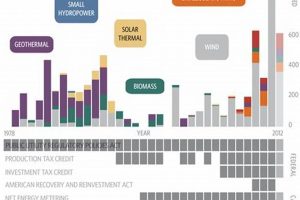
The Renewable Portfolio Standard (RPS), a key policy instrument, mandates that a certain percentage of Delaware’s electricity must come from renewable sources by a specified target year. This requirement creates a market demand for renewable energy, driving investment in projects such as solar and wind farms. Furthermore, financial incentives like tax credits, rebates, and grants directly reduce the upfront costs of installing renewable energy systems for homeowners and businesses. For instance, the Federal Investment Tax Credit offers a significant tax credit for investments in solar energy, further incentivizing its adoption. Real-life examples of successful projects spurred by these policies abound, illustrating the practical impact of well-designed incentives on accelerating the transition to a cleaner energy system.
The practical significance of understanding the interplay between policy incentives and renewable energy development is substantial. Effective policies drive market growth, technological innovation, and job creation within the clean energy sector. Moreover, they contribute to achieving crucial environmental objectives, such as reducing greenhouse gas emissions and improving air quality. However, challenges remain, including the need for consistent and long-term policy support to ensure investor confidence and sustained growth. A thorough understanding of these dynamics allows for informed policy adjustments and the development of innovative mechanisms to further accelerate Delaware’s transition to a sustainable energy future.
5. Grid Modernization

Grid modernization is essential for successfully integrating renewable energy sources like solar and wind power into Delaware’s energy infrastructure. The inherent intermittency of these resourcessolar power fluctuates with sunlight, and wind power varies with wind speedrequires a smarter, more flexible grid to maintain reliability and prevent disruptions. This modernization involves upgrading existing infrastructure and incorporating advanced technologies to manage the variable nature of renewable energy effectively. Without these upgrades, the influx of renewable energy could destabilize the grid, leading to power outages and hindering the state’s clean energy transition. Thus, grid modernization is not merely a supplementary component but a fundamental requirement for maximizing the benefits of Delaware’s renewable energy initiatives.
Modernizing the grid involves several key strategies. Smart grid technologies, such as advanced metering infrastructure (AMI) and distribution automation, provide real-time data on energy consumption and grid conditions, allowing for more efficient energy management and quicker responses to fluctuations. Energy storage solutions, like batteries and pumped hydro, store excess renewable energy generated during peak production periods and release it during times of low generation or high demand, smoothing out the variability and ensuring a consistent power supply. Improved transmission lines and substations enhance the grid’s capacity to carry larger amounts of renewable energy from generation sources to consumers, particularly important for integrating large-scale offshore wind projects. Real-world examples, such as the integration of battery storage systems alongside solar farms in Delaware, demonstrate the practical application and benefits of these modernization efforts.
The practical significance of understanding the grid modernization-renewable energy nexus is crucial for Delaware’s energy future. A modernized grid ensures that the increasing amounts of renewable energy generated can be reliably integrated and delivered to consumers, maximizing the environmental and economic benefits of these clean power sources. Failure to invest in grid modernization would hinder the growth of renewable energy, potentially jeopardizing the state’s clean energy targets and leaving it reliant on traditional fossil fuels. However, grid modernization projects require substantial financial investment and careful planning. Addressing challenges such as regulatory hurdles, cybersecurity concerns, and ensuring equitable access to grid benefits are crucial for realizing the full potential of a modernized, renewable energy-powered grid in Delaware. This interconnectedness underscores the importance of a holistic approach to energy planning, where grid modernization and renewable energy development are treated as integral, mutually reinforcing components of a sustainable energy strategy.
6. Economic Impact

Renewable energy development in Delaware carries significant economic implications, extending beyond environmental benefits. The transition to cleaner energy sources stimulates economic activity, creates job opportunities, and fosters a more resilient and diversified state economy. Understanding the economic ramifications of this transition is crucial for informed policy-making and maximizing the positive impacts on Delaware’s financial well-being.
- Job Creation
Renewable energy projects, such as solar and wind farm construction and operation, generate numerous jobs across various skill levels. Manufacturing, installation, maintenance, and research activities within the renewable energy sector contribute to employment growth and offer new career pathways for Delaware residents. For example, the development of offshore wind farms is expected to create a substantial number of jobs in coastal communities, boosting local economies.
- Investment and Business Growth
The renewable energy sector attracts significant investments, driving economic expansion and fostering business growth. Companies specializing in renewable energy technologies, manufacturing, and services establish operations in Delaware, contributing to the state’s economic output. For instance, the growth of the solar industry has led to the establishment of numerous solar panel installation companies and related businesses.
- Reduced Energy Costs
Increased reliance on renewable energy sources can lead to lower and more stable energy costs for consumers and businesses. Renewable energy, once installed, has minimal fuel costs compared to traditional fossil fuel-based power generation. This price stability protects consumers from volatile fossil fuel markets and enhances the competitiveness of Delaware businesses.
- Enhanced Energy Independence
Developing local renewable energy resources reduces Delaware’s dependence on imported fossil fuels, enhancing energy independence and security. This reduced reliance on external energy sources strengthens the state’s energy resilience and mitigates the economic risks associated with fluctuating fuel prices and supply disruptions.
The economic impact of renewable energy in Delaware demonstrates its potential to create a more sustainable and prosperous future. By fostering job growth, attracting investment, reducing energy costs, and enhancing energy independence, the transition to a cleaner energy system strengthens Delaware’s economy and positions the state as a leader in the growing renewable energy sector. The continued development and integration of renewable energy sources are essential for maximizing these economic benefits and ensuring long-term economic prosperity.
7. Environmental Benefits

A primary driver of Delaware’s pursuit of renewable energy sources is the substantial environmental benefits derived from reducing reliance on fossil fuels. This shift toward cleaner energy options directly addresses critical environmental challenges, including air pollution, greenhouse gas emissions, and climate change. The causal link between renewable energy adoption and improved environmental quality is well-established, with cleaner air and a healthier environment as direct outcomes. Within the context of Delaware, the environmental benefits serve as a cornerstone of the state’s renewable energy strategy, underscoring the interconnectedness between energy policy and environmental stewardship.
Replacing fossil fuel-based power generation with renewable sources, such as solar and wind, significantly reduces air pollutants like sulfur dioxide, nitrogen oxides, and particulate matter. These pollutants contribute to respiratory illnesses and other health problems, impacting vulnerable populations disproportionately. Furthermore, transitioning to renewable energy drastically reduces greenhouse gas emissions, mitigating climate change’s effects, including sea-level rise, which poses a direct threat to Delaware’s coastal communities. Specific examples, such as the decreased reliance on coal-fired power plants due to increased solar and wind capacity, illustrate the tangible environmental improvements resulting from Delaware’s renewable energy initiatives. Reduced emissions and improved air quality translate to a healthier environment and a higher quality of life for residents.
The practical significance of understanding this connection between environmental benefits and renewable energy is paramount for informed decision-making and effective policy implementation. Quantifiable improvements in air quality and reductions in greenhouse gas emissions demonstrate the positive impact of transitioning to a cleaner energy system. However, challenges remain, including ensuring the responsible siting of renewable energy projects to minimize impacts on wildlife and natural habitats. Balancing environmental protection with renewable energy development is crucial for maximizing the overall benefits. This understanding informs strategic planning and policy development, ensuring that Delaware’s renewable energy transition contributes to a healthier environment and a more sustainable future for all.
Frequently Asked Questions about Renewable Energy in Delaware
This section addresses common inquiries regarding the development and utilization of renewable energy sources within Delaware.
Question 1: What are the primary renewable energy sources being utilized in Delaware?
The state primarily focuses on solar, wind (particularly offshore), and biomass resources. Solar installations, both residential and utility-scale, are becoming increasingly prevalent. Offshore wind projects hold significant promise due to the strong and consistent winds off Delaware’s coast. Biomass utilization, while smaller in scale, contributes to energy diversification.
Question 2: How does Delaware incentivize the adoption of renewable energy?
Several policy mechanisms encourage renewable energy adoption, including the Renewable Portfolio Standard (RPS), which mandates a certain percentage of electricity from renewable sources. Financial incentives, such as tax credits, rebates, and grants, reduce upfront costs for individuals and businesses investing in renewable energy systems.
Question 3: What is the role of offshore wind in Delaware’s energy future?
Offshore wind projects are poised to play a major role in Delaware’s energy transition. The consistent winds off the coast provide a substantial renewable energy resource. These projects are expected to generate significant amounts of clean electricity, create jobs, and stimulate economic growth in coastal communities.
Question 4: How is Delaware modernizing its grid to accommodate renewable energy?
Grid modernization efforts include implementing smart grid technologies, such as advanced metering infrastructure and distribution automation, for improved energy management. Energy storage solutions, like batteries, are being integrated to address the intermittency of renewable sources. Transmission and distribution infrastructure upgrades are also underway to enhance the grid’s capacity to handle increased renewable energy generation.
Question 5: What are the economic benefits of renewable energy development in Delaware?
Renewable energy development creates jobs in manufacturing, installation, maintenance, and research, stimulating economic growth. Investment in the renewable energy sector attracts businesses and fosters innovation. Increased reliance on renewable sources can also lead to more stable and potentially lower energy costs, benefiting consumers and businesses. Additionally, renewable energy enhances energy independence by reducing reliance on imported fossil fuels.
Question 6: What are the key environmental benefits of transitioning to renewable energy in Delaware?
Transitioning to renewable energy reduces air pollution, leading to improved public health outcomes. Lowering greenhouse gas emissions contributes to mitigating the effects of climate change, particularly crucial for Delaware’s vulnerable coastal areas. Renewable energy development also reduces dependence on fossil fuel extraction and its associated environmental impacts.
Understanding these key aspects of renewable energy in Delaware is crucial for informed public discourse and effective policy-making. The continued development and integration of renewable energy sources are essential for building a sustainable energy future for the state.
The following section explores specific case studies of successful renewable energy projects in Delaware, showcasing the practical application of these initiatives.
Delaware Renewable Energy
This exploration of sustainable energy initiatives in Delaware has highlighted the state’s multifaceted approach, encompassing solar, wind, biomass, and policy frameworks driving their adoption. Grid modernization efforts and the associated economic and environmental benefits underscore the significance of this transition. From declining costs of solar installations to the potential of offshore wind farms, the state’s commitment to clean energy offers a pathway toward a more resilient and sustainable energy future.
The continued pursuit of these initiatives is crucial not only for environmental stewardship but also for economic prosperity and energy independence. The transition represents a significant investment in Delaware’s future, ensuring a cleaner, healthier, and more economically vibrant state for generations to come. Sustained commitment and collaborative efforts across all sectors will be essential to fully realize the transformative potential of clean energy in Delaware.