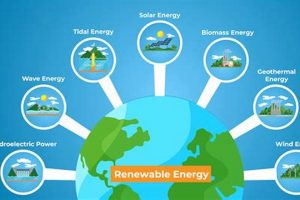
The release of byproducts resulting from the utilization of power generation methods that rely on naturally replenishing resources represents a critical area of investigation. Although often perceived as inherently clean, these systems, including solar, wind, hydro, and geothermal, are not entirely devoid of environmental impact. For example, the manufacturing of solar panels involves processes that can generate greenhouse gasses, and hydroelectric dams can alter river ecosystems and release methane from decomposing organic matter in reservoirs.
Understanding the scope and nature of these releases is crucial for accurately assessing the overall sustainability of different energy pathways. A comprehensive evaluation considers not only the direct operational releases but also the embedded releases associated with material extraction, manufacturing, transportation, and decommissioning. Analyzing the life cycle allows for informed decision-making regarding energy policy and technological development, furthering the transition to a truly sustainable energy economy. Furthermore, mitigating these impacts is essential for realizing the full environmental benefits that these resources offer.
The following sections will delve deeper into specific types of releases associated with various power generation technologies, examining their magnitude, potential environmental consequences, and available mitigation strategies. This will include a discussion of lifecycle assessments, emerging technologies designed to minimize the environmental footprint, and policy frameworks that promote responsible resource utilization.
Mitigating Releases from Renewable Energy Infrastructure
The following strategies outline actionable steps to minimize the environmental burden associated with generating power from sustainable sources. Implementing these measures can enhance the overall environmental profile of renewable energy systems and promote responsible energy development.
Tip 1: Conduct Comprehensive Lifecycle Assessments: Evaluate all stages, from raw material extraction to decommissioning, to identify release hotspots and inform design improvements. For example, a lifecycle assessment of a wind turbine might reveal that the manufacturing phase is the most release-intensive, prompting the use of more sustainable materials or manufacturing processes.
Tip 2: Invest in Research and Development for Advanced Materials: Focus on developing lower-impact materials for renewable energy components. The photovoltaic industry, for instance, could prioritize thin-film solar cells that require fewer rare earth elements and employ less energy-intensive manufacturing processes.
Tip 3: Optimize Supply Chains for Reduced Transportation Burdens: Minimize distances and improve transportation efficiency to lower greenhouse gas releases from transportation. Sourcing components from local suppliers or utilizing more fuel-efficient transport methods can significantly reduce the carbon footprint.
Tip 4: Implement Robust Recycling and End-of-Life Management Programs: Ensure responsible recycling and disposal of renewable energy equipment at the end of its operational life. Dedicated recycling facilities for solar panels and wind turbine blades are crucial to prevent environmental contamination and recover valuable materials.
Tip 5: Minimize Land Use Impacts and Habitat Disturbance: Carefully site renewable energy projects to minimize their impact on natural habitats and ecosystems. Conduct thorough environmental impact assessments before construction and implement mitigation measures to protect biodiversity.
Tip 6: Promote Sustainable Hydropower Practices: Implement strategies to minimize methane releases from reservoirs and mitigate the impact of dams on river ecosystems. This includes managing reservoir water levels, aerating the water, and providing fish passage facilities.
Tip 7: Support Policy Frameworks That Incentivize Release Reduction: Advocate for regulations and incentives that encourage renewable energy developers to adopt best practices for minimizing the environmental impact. Carbon pricing, tax credits for sustainable materials, and stricter environmental standards can drive innovation and responsible development.
Implementing these tips contributes to a more sustainable energy future by minimizing the negative environmental aspects associated with renewable technologies. Prioritizing these strategies throughout the energy sector is key to realizing the full promise of clean and sustainable energy systems.
By adopting a proactive and comprehensive approach to managing these releases, the advantages of renewable energy can be fully realized, contributing to a cleaner and more sustainable future.
1. Lifecycle Assessment

Lifecycle Assessment (LCA) serves as a critical methodological framework for quantifying the full spectrum of discharges linked to renewable energy technologies. Its application transcends the direct operational phase, encompassing all stages from raw material acquisition and manufacturing to transportation, installation, operation, and eventual decommissioning. This holistic perspective reveals potential release hotspots often overlooked in conventional analyses that focus solely on operational metrics. For instance, while wind turbines generate electricity with minimal direct atmospheric releases, the production of steel for their towers and the mining of rare earth elements for generators can contribute significantly to the overall emission profile. Similarly, solar panel manufacturing involves energy-intensive processes and the use of specialized materials that can result in considerable release outputs.
The importance of LCA lies in its ability to provide a comprehensive and comparative analysis of various energy technologies. It enables policymakers and stakeholders to make informed decisions based on a complete understanding of the environmental consequences associated with different energy pathways. For example, comparing the lifecycle releases of different solar panel technologies (e.g., crystalline silicon vs. thin-film) can highlight the relative advantages and disadvantages of each, guiding investment decisions toward more sustainable options. Furthermore, LCA can inform the development of mitigation strategies targeted at reducing the environmental impact of specific stages in the lifecycle, such as optimizing manufacturing processes, using recycled materials, or improving transportation efficiency.
In conclusion, Lifecycle Assessment is an indispensable tool for evaluating and minimizing the release burden associated with renewable energy sources. By providing a comprehensive account of environmental impacts across the entire value chain, LCA enables the identification of opportunities for improvement, supports informed decision-making, and contributes to the development of truly sustainable energy systems. The continued refinement and application of LCA methodologies are essential for ensuring that the transition to renewable energy results in genuine environmental benefits and avoids unintended consequences.
2. Material Production

The manufacturing phase inherent in producing components for renewable energy infrastructure is a substantial contributor to overall atmospheric releases. Processes involved in creating solar panels, wind turbines, and hydroelectric systems necessitate energy-intensive operations and the utilization of diverse materials, each with associated release implications. Therefore, a thorough assessment of material production is crucial for a comprehensive understanding of the environmental footprint of these energy sources.
- Extraction and Processing of Raw Materials
The mining and refining of raw materials, such as silicon for solar panels, rare earth elements for wind turbine magnets, and metals for structural components, are associated with significant releases. These activities often involve energy-intensive processes, release of greenhouse gasses, and the production of hazardous waste. For example, the extraction of neodymium, a key component in high-strength magnets, can result in soil and water contamination.
- Manufacturing Processes
The conversion of raw materials into functional components requires energy-intensive manufacturing processes that contribute directly to atmospheric discharges. Solar panel production, for instance, involves high-temperature silicon purification and semiconductor fabrication processes. Similarly, the manufacturing of wind turbine blades from composite materials necessitates the use of polymers and resins, which can generate volatile organic compounds (VOCs).
- Energy Consumption in Manufacturing
The energy consumed during the manufacturing phase of renewable energy components is often derived from fossil fuels, resulting in indirect releases. The carbon footprint of a solar panel or wind turbine is significantly influenced by the energy source used in its production. Shifting towards renewable energy sources for manufacturing can substantially reduce the overall release impact.
- Waste Generation and Management
The manufacturing of renewable energy components generates various types of waste, including process chemicals, scrap materials, and defective products. Improper waste management can lead to environmental contamination and further releases. Implementing effective recycling and waste treatment strategies is essential to minimize the environmental impact of material production.
The cumulative impact of these material production processes underscores the importance of considering the entire lifecycle of renewable energy technologies when assessing their environmental performance. While the operational phase of renewable energy systems often results in minimal direct releases, the upstream activities associated with material production can significantly influence their overall sustainability. Optimizing material selection, improving manufacturing efficiency, and adopting responsible waste management practices are crucial steps towards reducing the release burden associated with renewable energy sources.
3. Transportation Impacts

The transportation of components and materials associated with renewable energy projects introduces a significant variable into the overall release profile. The distances involved, modes of transport employed, and infrastructure requirements all contribute to the magnitude of these impacts, necessitating careful consideration within a comprehensive assessment.
- Component Manufacturing Location and Transportation Distance
The geographic distribution of manufacturing facilities for renewable energy components relative to project sites has a direct bearing on transportation-related releases. Longer distances necessitate more fuel consumption and subsequently increase greenhouse gas discharges. For instance, if wind turbine blades are manufactured overseas, the intercontinental shipping significantly elevates the overall environmental impact compared to local sourcing.
- Dominant Modes of Transportation
The primary transportation modes used, whether by sea, rail, or road, possess vastly different release intensities. Maritime shipping, while often the most cost-effective option for long distances, still contributes to sulfur oxide and particulate matter pollution. Rail transport typically exhibits lower release rates per ton-mile than trucking, making it a more environmentally favorable option when feasible. Road transport, particularly using heavy-duty vehicles, generates substantial nitrogen oxides and particulate matter.
- Infrastructure Requirements and Construction
The construction of new or upgraded transportation infrastructure to accommodate oversized renewable energy components, such as wind turbine blades or large transformer units, can itself generate considerable releases. Building new roadways or expanding port facilities involves land clearing, construction equipment operation, and material transportation, all contributing to the overall carbon footprint.
- Fuel Efficiency and Vehicle Technology
The fuel efficiency of transportation vehicles and the adoption of cleaner vehicle technologies play a crucial role in mitigating transportation-related releases. Utilizing newer, more fuel-efficient trucks or employing alternative fuels like biodiesel or compressed natural gas can reduce greenhouse gas discharges. Furthermore, the transition to electric heavy-duty vehicles represents a promising pathway for further minimizing these impacts.
The aggregate effect of these factors underscores the necessity of optimizing transportation logistics and adopting sustainable transport practices within the renewable energy sector. Strategic sourcing of components, prioritizing rail transport where available, minimizing infrastructure development, and promoting the use of cleaner vehicle technologies are all essential steps in reducing the overall release burden associated with renewable energy deployments.
4. Operational Discharges
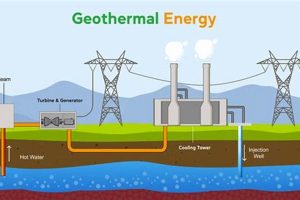
The direct releases occurring during the electricity generation phase of renewable energy systems constitute a critical subset of overall release considerations. Although renewable energy sources are often characterized by their low-release operational profiles compared to fossil fuel-based systems, a thorough assessment necessitates quantifying and mitigating any discharges arising directly from the energy conversion process. Understanding these operational releases is paramount for accurately portraying the true environmental performance of these energy technologies and identifying opportunities for improvement. For example, while solar photovoltaic systems generally exhibit minimal operational releases, hydroelectric dams can release methane, a potent greenhouse gas, from decomposing organic matter in reservoirs. Similarly, geothermal energy plants can emit hydrogen sulfide and other gases depending on the specific geological conditions of the site.
The characterization of operational releases encompasses identifying the specific pollutants emitted, quantifying their emission rates, and evaluating their potential environmental impacts. This requires employing monitoring technologies, developing emission inventories, and conducting dispersion modeling to assess air and water quality impacts. Strategies for mitigating these releases vary depending on the specific technology and the pollutants involved. Methane release from hydroelectric reservoirs can be reduced through techniques like reservoir aeration and vegetation management. Discharges from geothermal plants can be controlled through emission abatement technologies, such as scrubbers and carbon capture systems. The implementation of effective monitoring and mitigation strategies is essential for minimizing the environmental footprint of renewable energy operations and ensuring that these systems deliver on their promise of clean energy.
In summary, operational releases, though often smaller in magnitude than lifecycle releases, are a crucial component of the overall environmental impact assessment of renewable energy sources. Proper identification, quantification, and mitigation of these discharges are essential for achieving truly sustainable energy systems. Continued research and technological development are needed to minimize operational releases from all renewable energy technologies, thereby enhancing their environmental performance and contribution to a cleaner energy future.
5. Decommissioning Phase

The decommissioning phase of renewable energy installations presents a critical juncture in evaluating the totality of release burdens associated with these technologies. This phase, often overlooked, involves dismantling, removal, and disposal or recycling of components at the end of their operational lifespan. Improper decommissioning practices can negate the environmental benefits accrued during the operational phase, potentially resulting in significant releases of hazardous materials and greenhouse gasses. The connection is evident in the physical dismantling and materials processing; wind turbine blades, composed of composite materials, may release microplastics during inefficient disposal, and solar panels may leach heavy metals if not properly recycled.
The importance of responsible decommissioning lies in its potential to minimize environmental harm and recover valuable resources. For instance, the decommissioning of a large-scale wind farm requires careful planning to ensure the safe removal of turbine components. Blades, towers, and nacelles must be disassembled and transported for either recycling or disposal. Recycling processes, while preferable, can themselves generate releases if not properly controlled. Similarly, solar panel decommissioning involves the handling of potentially hazardous materials such as lead, cadmium, and selenium. Effective recycling programs aim to recover these materials for reuse, minimizing the need for new resource extraction and reducing the risk of environmental contamination. A successful decommissioning process not only prevents harmful releases but also fosters a circular economy by recovering valuable materials.
In conclusion, the decommissioning phase represents an essential consideration in evaluating the environmental impact of renewable energy. Failing to address decommissioning adequately can lead to significant and avoidable environmental consequences. Implementing robust decommissioning plans, promoting responsible recycling practices, and investing in advanced recycling technologies are crucial steps in ensuring that renewable energy systems truly deliver on their promise of clean and sustainable energy. The challenges lie in developing cost-effective and environmentally sound decommissioning solutions that can be scaled up to meet the growing demand for renewable energy technologies. Overcoming these challenges will be vital for realizing the full environmental benefits of a renewable energy future.
6. Mitigation Strategies
Mitigation strategies represent a critical element in minimizing the environmental impacts associated with renewable energy sources. While these technologies offer significant advantages over fossil fuels, their lifecycle inevitably generates some level of atmospheric discharges. Consequently, the development and implementation of effective mitigation measures are essential for ensuring that renewable energy systems truly deliver on their promise of environmental sustainability.
- Lifecycle Emission Reduction Techniques
Lifecycle emission reduction encompasses measures aimed at minimizing discharges throughout the entire lifespan of renewable energy systems, from raw material extraction to decommissioning. Examples include utilizing recycled materials in manufacturing processes, optimizing transportation logistics to reduce fuel consumption, and implementing efficient recycling and waste management practices at the end of a system’s operational life. The impact of lifecycle strategies is that comprehensive, targeting emissions at every stage yields the most substantial reduction in overall environmental footprint.
- Technological Advancements in Energy Conversion
Technological advancements focus on improving the efficiency and environmental performance of energy conversion processes. This can involve developing more efficient solar cells, wind turbine designs, or hydroelectric power generation systems. It also includes deploying innovative technologies such as carbon capture and storage at geothermal plants to reduce greenhouse gas discharges. These advancements lead to that increased efficiency results in less resource consumption and reduced atmospheric discharges per unit of energy generated.
- Policy and Regulatory Frameworks
Policy and regulatory frameworks play a crucial role in promoting the adoption of mitigation strategies and setting environmental standards for renewable energy projects. Examples include carbon pricing mechanisms, tax incentives for clean energy technologies, and regulations that mandate the use of best available control technologies for emission reduction. These frameworks support and enforce the implementation of mitigation strategies by creating economic incentives and legal requirements for developers and operators.
- Strategic Project Siting and Environmental Impact Assessments
Strategic project siting and comprehensive environmental impact assessments are vital for minimizing the ecological footprint of renewable energy projects. This involves carefully selecting locations for solar farms, wind farms, and hydroelectric dams to avoid sensitive habitats, minimize land use impacts, and reduce the risk of habitat fragmentation. Thorough environmental impact assessments identify potential environmental risks and inform the implementation of mitigation measures to protect biodiversity and ecosystem services. These assessments will ensure that new projects are strategically placed to minimize environmental disturbance.
The effective implementation of these mitigation strategies is essential for minimizing the environmental burdens associated with renewable energy sources and realizing their full potential for a cleaner energy future. By adopting a comprehensive and integrated approach to discharge reduction, the renewable energy sector can ensure that its growth contributes to a truly sustainable energy system.
Frequently Asked Questions
This section addresses common inquiries concerning the release profiles associated with renewable energy technologies, clarifying misconceptions and providing objective information.
Question 1: Are renewable energy sources entirely free of atmospheric releases?
No. While renewable energy technologies generally exhibit significantly lower release profiles than fossil fuel-based systems during operation, they are not entirely devoid of atmospheric impact. Releases can occur during manufacturing, transportation, installation, and decommissioning. Some technologies, like hydroelectric dams, may also have direct operational releases.
Question 2: Which stage in the lifecycle of a renewable energy system typically contributes the most to the overall release profile?
The manufacturing phase often contributes substantially to the overall release profile. The extraction of raw materials, the energy-intensive manufacturing processes, and the transportation of components can result in significant atmospheric outputs.
Question 3: How do releases from hydroelectric power compare to those from other renewable energy sources?
Hydroelectric power can have unique release challenges. Reservoirs can release methane, a potent greenhouse gas, from decomposing organic matter. The volume of methane released varies depending on factors such as reservoir size, climate, and vegetation. Properly managed hydropower facilities can help reduce atmospheric output.
Question 4: What steps can be taken to minimize releases associated with the manufacturing of renewable energy components?
Strategies for minimizing manufacturing releases include using recycled materials, optimizing energy efficiency in manufacturing processes, sourcing materials locally to reduce transportation distances, and implementing robust waste management practices.
Question 5: How do transportation emissions impact the overall environmental footprint of renewable energy?
Transportation emissions contribute to the cumulative environmental effect of renewable energy projects. Choosing transportation-efficient locations can reduce the release burden, and choosing the best transportation method, like by rail or other eco-friendly transports, is ideal to achieve sustainable goals.
Question 6: What is the role of decommissioning in managing releases from renewable energy installations?
Proper decommissioning is crucial for minimizing releases at the end of a renewable energy system’s life. Careful dismantling, responsible recycling of materials, and appropriate disposal of waste components can prevent the release of hazardous substances and reduce the need for virgin resource extraction.
This FAQ has clarified common points of confusion. The sustainable growth of renewable energy hinges on the continuous assessment and mitigation of associated discharges.
The next section will delve into the economics of emission control technologies.
Emissions from Renewable Energy Sources
This examination has elucidated that while renewable energy sources offer substantial advantages over fossil fuels in terms of direct operational atmospheric discharges, they are not entirely free of environmental impact. A comprehensive understanding necessitates consideration of the entire lifecycle, encompassing raw material extraction, manufacturing, transportation, operation, and decommissioning. Each stage presents opportunities for atmospheric discharges, requiring careful evaluation and targeted mitigation strategies.
The continued expansion of renewable energy infrastructure is paramount for addressing climate change; however, this expansion must be pursued with a commitment to minimizing environmental burdens across the entire value chain. Investing in research and development for lower-impact materials, optimizing manufacturing processes, implementing robust recycling programs, and adopting comprehensive lifecycle assessments are essential steps towards achieving a truly sustainable energy future. Furthermore, stringent regulatory frameworks and proactive environmental stewardship are critical for ensuring that the promise of clean energy is fully realized and that the unintended consequences of renewable energy development are effectively addressed.