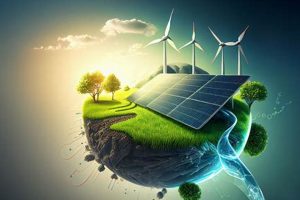
Cutting-edge approaches to harnessing power from natural resources like sunlight, wind, and geothermal heat offer diverse methods for electricity generation, heating, and transportation. For example, advancements in photovoltaic technology are leading to more efficient solar panels, while floating offshore wind farms maximize energy capture from stronger and more consistent winds. Geothermal power plants can provide a stable baseload power supply, tapping into the Earth’s internal heat. These and other technologies represent significant departures from traditional fossil fuel-based systems.
The development and implementation of these advanced technologies are critical for mitigating climate change, reducing reliance on finite resources, and enhancing energy security. Historically, energy production has been dominated by fossil fuels, contributing to greenhouse gas emissions and geopolitical instability. The shift towards sustainable alternatives offers a path towards a more environmentally and economically sound future. These technologies stimulate economic growth by creating new industries and jobs, fostering innovation, and reducing the health and environmental costs associated with conventional energy sources.
This discussion will further explore specific examples of advanced sustainable energy technologies, their current status, challenges in their widespread adoption, and the potential they hold for reshaping the global energy landscape. It will also examine the policy frameworks and investment strategies necessary to accelerate their development and integration into existing infrastructure.
Tips for Advancing Sustainable Energy Adoption
Accelerating the transition to a future powered by sustainable resources requires a multifaceted approach. The following recommendations offer guidance for individuals, communities, and organizations seeking to contribute to this critical endeavor.
Tip 1: Invest in Energy Efficiency: Reducing energy consumption through improved building insulation, energy-efficient appliances, and optimized industrial processes minimizes the overall demand, making the transition to sustainable sources more manageable.
Tip 2: Support Research and Development: Continued investment in research and development is essential for driving innovation and improving the cost-effectiveness and efficiency of next-generation sustainable energy technologies. This includes exploring emerging areas such as advanced energy storage and smart grid technologies.
Tip 3: Advocate for Policy Changes: Supportive policies, including carbon pricing, renewable energy mandates, and tax incentives, can create a favorable environment for investment and deployment of sustainable energy solutions. Public advocacy plays a crucial role in shaping these policies.
Tip 4: Embrace Community-Based Initiatives: Community solar and wind projects empower local communities to participate directly in the clean energy transition, fostering ownership and generating economic benefits.
Tip 5: Educate and Raise Awareness: Promoting education and awareness about the benefits of sustainable energy technologies can encourage wider adoption and create a broader base of support for necessary changes.
Tip 6: Foster International Collaboration: Addressing the global challenge of climate change requires international cooperation in research, technology development, and policy implementation. Sharing best practices and coordinating efforts can accelerate progress worldwide.
Tip 7: Diversify Energy Portfolios: Utilizing a mix of sustainable energy resources, such as solar, wind, geothermal, and hydropower, enhances energy security and resilience, mitigating the intermittency of individual sources.
By implementing these strategies, communities and nations can lay the groundwork for a future powered by clean, reliable, and sustainable energy sources. This transition offers significant benefits, including reduced greenhouse gas emissions, increased energy independence, and a more sustainable economic future.
These tips provide a starting point for engaging with the complex challenges and opportunities presented by the transition to a sustainable energy future. The following conclusion will summarize key takeaways and offer a perspective on the path forward.
1. Advanced Energy Storage

Advanced energy storage is integral to innovative renewable energy solutions, addressing the inherent intermittency of sources like solar and wind power. Renewable energy generation fluctuates depending on weather conditions, creating a mismatch between supply and demand. Effective storage technologies bridge this gap, enabling a consistent and reliable energy supply even when the sun isn’t shining or the wind isn’t blowing. This reliability is crucial for integrating renewable energy into the grid on a larger scale and reducing reliance on traditional fossil fuel-based power plants. For instance, pumped hydro storage, where water is pumped uphill during periods of excess renewable energy generation and released downhill to generate electricity when demand is high, demonstrates a mature form of this technology. Battery storage systems, particularly lithium-ion batteries, are rapidly evolving and becoming increasingly cost-competitive, offering grid-scale solutions and enabling the integration of distributed renewable energy resources.
Further advancements in energy storage technology are essential for maximizing the potential of renewable energy sources. Emerging technologies like flow batteries, compressed air energy storage, and thermal energy storage offer unique advantages for different applications. Flow batteries, for example, are well-suited for large-scale energy storage due to their scalability and long lifespan. Compressed air energy storage can provide grid-level storage by compressing air during periods of excess energy generation and releasing it to drive turbines during peak demand. Thermal energy storage can efficiently store energy generated from solar thermal power plants or industrial waste heat, allowing for dispatchable clean energy on demand. These innovations are driving down the cost of energy storage and improving the efficiency and reliability of renewable energy integration.
The continued development and deployment of advanced energy storage solutions are critical for achieving a sustainable energy future. Overcoming challenges related to cost, efficiency, and lifespan of these technologies is crucial. As research and development progresses, energy storage will play an increasingly important role in transforming the energy landscape, enabling a greater penetration of renewable energy sources and contributing to a more stable, resilient, and sustainable power grid. This transition will not only reduce reliance on fossil fuels and mitigate climate change but also foster economic growth through the creation of new industries and jobs within the energy sector.
2. Smart Grid Integration

Smart grid integration forms a cornerstone of innovative renewable energy solutions. The intermittent nature of renewable sources like solar and wind power necessitates intelligent management of energy flow. Smart grids, equipped with advanced sensors, communication networks, and control systems, enable real-time monitoring and dynamic adjustments to electricity distribution, optimizing the integration of these fluctuating energy sources. This two-way communication between energy providers and consumers allows for demand-side management, reducing peak loads and improving overall grid stability. For example, smart meters can provide consumers with real-time pricing information, encouraging energy conservation during peak demand periods. Similarly, grid-scale energy storage systems can be intelligently managed to store excess renewable energy during off-peak hours and release it during periods of high demand. This integration is crucial for maximizing the utilization of renewable energy while maintaining grid reliability and security.
The practical significance of smart grid integration extends beyond balancing supply and demand. Enhanced grid resilience, improved energy efficiency, and reduced transmission losses are additional benefits. Smart grids can automatically detect and isolate faults, minimizing outages and improving power quality. Advanced metering infrastructure (AMI) provides detailed data on energy consumption patterns, enabling utilities to optimize grid operations and reduce waste. Furthermore, smart grids facilitate the integration of distributed energy resources (DERs), such as rooftop solar panels and home battery systems, empowering consumers to become active participants in the energy market. Real-world examples include projects like the GridSTAR program in the United States, which demonstrates the benefits of smart grid technologies in improving grid resilience and integrating renewable energy resources. Such initiatives showcase the transformative potential of smart grids in modernizing energy infrastructure and supporting a transition to a more sustainable energy future.
In conclusion, smart grid integration is indispensable for harnessing the full potential of innovative renewable energy solutions. By enabling intelligent management of energy flow, optimizing grid operations, and empowering consumers, smart grids pave the way for a more sustainable, resilient, and efficient energy system. Overcoming challenges related to cybersecurity, data privacy, and interoperability remains crucial for widespread adoption and successful integration of smart grid technologies. The continued development and implementation of smart grids will play a key role in shaping the future of energy, facilitating the transition to a cleaner, more reliable, and decentralized energy landscape.
3. Next-Generation Solar

Next-generation solar technologies represent a crucial component of innovative renewable energy solutions, pushing the boundaries of efficiency, cost-effectiveness, and versatility. These advancements address limitations of traditional silicon-based solar panels, paving the way for wider adoption and greater impact on the global energy landscape. Perovskite solar cells, for example, offer higher theoretical efficiencies and lower manufacturing costs compared to conventional silicon. Their flexibility and lightweight nature open up new possibilities for building-integrated photovoltaics (BIPV), seamlessly incorporating solar energy generation into building materials like windows and facades. Similarly, advancements in thin-film solar technologies, such as cadmium telluride (CdTe) and copper indium gallium selenide (CIGS), offer improved performance in low-light conditions and higher temperature tolerance, expanding the geographical reach of solar energy deployment. Real-world examples include pilot projects utilizing perovskite-silicon tandem solar cells, demonstrating significantly increased energy conversion efficiency compared to traditional silicon-based panels. These next-generation technologies drive down the cost of solar energy, making it increasingly competitive with conventional energy sources.
The practical significance of next-generation solar technologies extends beyond enhanced efficiency and affordability. Their adaptability unlocks new applications in areas like flexible electronics, portable power generation, and solar-powered vehicles. Flexible solar panels can be integrated into wearable devices, backpacks, and even tents, providing portable power for various applications. The development of transparent and semi-transparent solar cells enables integration into windows and other building materials, turning entire building facades into energy-generating surfaces. These advancements not only enhance the aesthetic appeal of solar installations but also maximize the use of available space for energy generation. Furthermore, improvements in solar cell durability and lifespan contribute to the long-term viability and economic benefits of solar energy investments. The integration of these technologies into smart grids enables efficient energy management and distribution, further optimizing the utilization of solar power.
In conclusion, next-generation solar technologies represent a critical step toward a sustainable energy future. Overcoming challenges related to material stability, manufacturing scalability, and recycling processes remains essential for widespread adoption. Continued research and development in areas like quantum dot solar cells and organic photovoltaics hold the promise of even higher efficiencies and further cost reductions. As these technologies mature and become commercially viable, they will play an increasingly important role in decarbonizing the energy sector, reducing reliance on fossil fuels, and mitigating the impacts of climate change. The transition to next-generation solar power represents not merely an incremental improvement but a fundamental shift toward a cleaner, more efficient, and sustainable energy paradigm.
4. Offshore Wind Power

Offshore wind power represents a significant advancement within innovative renewable energy solutions. Exploiting the stronger and more consistent winds available over open water, offshore wind farms offer substantially higher capacity factors compared to their onshore counterparts. This increased energy generation potential is crucial for meeting growing energy demands and reducing reliance on fossil fuels. Furthermore, the placement of turbines offshore minimizes visual and noise impacts often associated with land-based wind farms. Technological innovations such as floating offshore wind platforms extend the reach of wind energy into deeper waters, unlocking vast untapped resources. The Hywind Tampen project in Norway, the world’s first floating wind farm powering offshore oil and gas platforms, exemplifies this innovative approach. Such projects demonstrate the transformative potential of offshore wind power in decarbonizing energy-intensive industries and driving the transition toward a more sustainable energy future.
The practical implications of harnessing offshore wind energy are far-reaching. Large-scale offshore wind farms can contribute significantly to national renewable energy targets, reducing greenhouse gas emissions and mitigating the effects of climate change. Coastal regions, often heavily reliant on fossil fuel-based power plants, can benefit from the proximity of offshore wind resources, creating new economic opportunities in manufacturing, installation, maintenance, and grid infrastructure development. The integration of offshore wind power into smart grids enhances grid stability and facilitates efficient energy distribution. Moreover, advancements in turbine technology, including larger rotor diameters and improved blade designs, continuously increase energy capture efficiency and reduce the levelized cost of energy (LCOE) from offshore wind. These innovations contribute to the economic viability and long-term sustainability of offshore wind power as a key component of the global energy transition.
In conclusion, offshore wind power stands as a pivotal component of innovative renewable energy solutions. Addressing challenges related to cost-effective installation, grid integration, and environmental impact remains crucial for maximizing the potential of this abundant resource. Further research and development in areas such as advanced foundation designs, improved cable technologies, and enhanced environmental monitoring are essential for optimizing the sustainability and efficiency of offshore wind farms. As technology continues to advance and costs decline, offshore wind power will play an increasingly vital role in meeting global energy demands, reducing reliance on fossil fuels, and achieving a cleaner, more sustainable energy future.
5. Enhanced Geothermal Systems (EGS)

Enhanced Geothermal Systems (EGS) represent a significant advancement within innovative renewable energy solutions, offering the potential to tap into vast, underutilized geothermal resources. Unlike conventional geothermal systems, which rely on naturally occurring hydrothermal resources, EGS can access heat from dry, hot rocks deep within the Earth’s crust, significantly expanding the geographical reach of geothermal energy. This technology involves creating artificial reservoirs by injecting water into fractured hot rock formations, where it absorbs heat and is then extracted to generate electricity or provide direct heating. EGS holds the promise of providing a reliable, baseload power source, independent of weather conditions and with minimal environmental impact, addressing key challenges associated with intermittent renewable energy sources.
- Resource Accessibility:
EGS expands geothermal energy’s potential beyond areas with readily available hydrothermal resources. By accessing the Earth’s vast heat reserves in dry, hot rock formations, EGS can unlock geothermal energy production in a wider range of locations, reducing geographical constraints associated with conventional geothermal systems. This enhanced accessibility offers a significant advantage in diversifying renewable energy portfolios and increasing energy independence.
- Baseload Power Generation:
Unlike intermittent renewable sources like solar and wind, EGS can provide a continuous, baseload power supply. The consistent availability of geothermal heat enables power generation 24/7, regardless of weather conditions. This reliability is crucial for grid stability and reduces the need for backup power sources, making EGS a valuable complement to other renewable energy technologies. The consistent output of EGS can also support energy-intensive industries and provide a stable foundation for a sustainable energy grid.
- Technological Advancements:
EGS relies on continuous technological advancements in drilling, reservoir creation, and heat extraction. Advanced drilling techniques are essential for reaching the depths required to access hot rock formations, while innovative reservoir stimulation methods, such as hydraulic fracturing, create pathways for water circulation and heat exchange. Furthermore, research and development efforts focus on optimizing heat extraction processes and improving the overall efficiency and cost-effectiveness of EGS technologies. These innovations drive the ongoing development and deployment of EGS, contributing to the growth of the geothermal energy sector.
- Environmental Considerations:
While EGS offers significant environmental advantages over fossil fuels, careful consideration of potential environmental impacts is necessary. Induced seismicity, or small earthquakes triggered by fluid injection, is a potential concern that requires thorough monitoring and mitigation strategies. Furthermore, the management of produced water and potential impacts on groundwater resources requires careful planning and execution. Addressing these environmental considerations is crucial for ensuring the sustainable and responsible development of EGS technologies. Ongoing research and development efforts focus on minimizing potential risks and maximizing the environmental benefits of EGS, paving the way for its wider adoption as a clean and sustainable energy source.
EGS, as a key component of innovative renewable energy solutions, holds substantial promise for diversifying energy portfolios and reducing reliance on fossil fuels. Continued advancements in drilling technologies, reservoir engineering, and environmental monitoring are crucial for unlocking the full potential of EGS and enabling its widespread deployment. By addressing the challenges associated with induced seismicity, water management, and cost-effectiveness, EGS can contribute significantly to a cleaner, more sustainable, and reliable energy future. The integration of EGS with other renewable energy technologies and smart grid infrastructure can further optimize the utilization of geothermal resources and maximize their impact on the global energy landscape.
6. Sustainable Bioenergy

Sustainable bioenergy plays a crucial role within innovative renewable energy solutions, offering a versatile and potentially carbon-neutral alternative to fossil fuels. Utilizing organic matter from various sources, including agricultural residues, forestry byproducts, and dedicated energy crops, bioenergy offers pathways for producing heat, electricity, and biofuels. However, ensuring sustainability throughout the bioenergy lifecycle is paramount, addressing potential environmental and social impacts. Careful consideration of feedstock sourcing, land use change, greenhouse gas emissions, and biodiversity impacts is essential for maximizing the benefits and minimizing the drawbacks of bioenergy production. This discussion will explore key facets of sustainable bioenergy, highlighting its contributions to a cleaner and more secure energy future.
- Feedstock Diversity and Sustainability:
Diversifying feedstocks for bioenergy production is essential for minimizing environmental impact and maximizing resource efficiency. Utilizing agricultural residues, such as corn stover and wheat straw, reduces reliance on dedicated energy crops and minimizes competition with food production. Forestry byproducts, including wood chips and sawdust, offer another sustainable feedstock option. Furthermore, exploring advanced feedstocks like algae and dedicated energy crops grown on marginal lands can further enhance the sustainability of bioenergy production. Real-world examples include using switchgrass as a dedicated energy crop and converting municipal solid waste into biogas, demonstrating the versatility and potential of diverse feedstocks. These strategies minimize land use change, reduce greenhouse gas emissions, and promote sustainable resource management.
- Conversion Technologies and Efficiency:
Efficient conversion technologies are crucial for maximizing the energy output from bioenergy feedstocks. Anaerobic digestion converts organic matter into biogas, a renewable fuel source for electricity generation and heating. Pyrolysis and gasification processes transform biomass into biochar, syngas, and bio-oil, which can be used as fuels or chemical feedstocks. Furthermore, advancements in biofuel production technologies, such as cellulosic ethanol and biodiesel from algae, offer promising pathways for decarbonizing the transportation sector. Optimizing these conversion processes for maximum energy efficiency and minimizing waste generation is crucial for the economic viability and environmental sustainability of bioenergy production. Continuous innovation in conversion technologies plays a vital role in enhancing the efficiency and cost-effectiveness of bioenergy solutions.
- Lifecycle Greenhouse Gas Emissions:
A comprehensive lifecycle assessment of greenhouse gas emissions is essential for evaluating the true environmental impact of bioenergy. While bioenergy can be carbon-neutral in theory, factors such as land use change, fertilizer use, and transportation emissions can contribute to overall greenhouse gas emissions. Sustainable feedstock sourcing, efficient conversion technologies, and minimizing transportation distances are crucial for reducing the carbon footprint of bioenergy. Real-world examples include comparing the lifecycle emissions of different biofuels, such as corn ethanol versus cellulosic ethanol, to identify more sustainable options. Rigorous monitoring and evaluation of greenhouse gas emissions throughout the bioenergy lifecycle are crucial for ensuring its environmental benefits.
- Socioeconomic Impacts and Land Use Considerations:
The socioeconomic impacts of bioenergy production, particularly on land use and rural communities, require careful consideration. Competition for land between food crops and energy crops can lead to food price increases and displacement of communities. Sustainable land management practices, such as utilizing marginal lands for energy crops and promoting crop diversification, can mitigate these risks. Furthermore, creating economic opportunities in rural areas through bioenergy production can contribute to rural development and job creation. Examples include community-based bioenergy projects that empower local communities and provide economic benefits. Balancing economic development with environmental protection and social equity is crucial for the sustainable deployment of bioenergy solutions.
In conclusion, sustainable bioenergy offers a valuable pathway toward achieving a cleaner and more secure energy future. By carefully considering feedstock sustainability, optimizing conversion technologies, minimizing greenhouse gas emissions, and addressing socioeconomic impacts, bioenergy can play a significant role within innovative renewable energy solutions. Integrating bioenergy with other renewable energy technologies and smart grid infrastructure can further enhance its effectiveness and contribution to a diversified and sustainable energy portfolio. Continued research, development, and responsible policy frameworks are essential for realizing the full potential of sustainable bioenergy and its crucial role in the global transition to a more sustainable energy landscape.
Frequently Asked Questions
The following questions and answers address common inquiries regarding advanced sustainable energy technologies, offering clarity on their potential and addressing prevalent misconceptions.
Question 1: How do advanced sustainable energy technologies compare to traditional fossil fuels in terms of cost-effectiveness?
While the initial investment for some sustainable energy technologies can be higher, the long-term operational costs are often significantly lower due to the absence of fuel costs and reduced maintenance requirements. Furthermore, declining technology costs and supportive government policies are making sustainable energy increasingly cost-competitive with fossil fuels.
Question 2: What is the role of energy storage in enabling greater reliance on intermittent renewable sources like solar and wind power?
Energy storage technologies, such as batteries and pumped hydro, address the intermittent nature of solar and wind power by storing excess energy generated during peak production periods and releasing it during periods of low production or high demand. This ensures a consistent and reliable power supply, even when the sun isn’t shining or the wind isn’t blowing.
Question 3: What are the key challenges hindering the widespread adoption of innovative renewable energy solutions?
Challenges include grid integration complexities, initial infrastructure investment costs, public perception and acceptance, policy and regulatory frameworks, and the intermittent nature of certain renewable sources. Overcoming these challenges requires a multifaceted approach involving technological advancements, policy support, and public education.
Question 4: How can individuals and communities contribute to the transition towards greater reliance on sustainable energy?
Individuals can contribute by adopting energy-efficient practices, investing in rooftop solar or community solar projects, supporting policies that promote sustainable energy development, and educating themselves and others about the benefits of these technologies. Collective community action can amplify these individual efforts and drive significant change.
Question 5: What are the potential economic benefits of transitioning to a sustainable energy future?
The transition offers numerous economic benefits, including job creation in the renewable energy sector, reduced reliance on imported fossil fuels, increased energy independence, and the development of new industries and technologies. Furthermore, it mitigates the economic costs associated with climate change and pollution from fossil fuels.
Question 6: How do governments and policymakers play a role in accelerating the adoption of innovative renewable energy technologies?
Governments play a crucial role through policies such as renewable portfolio standards, tax incentives, carbon pricing mechanisms, research and development funding, and streamlined permitting processes. Supportive policies create a favorable environment for investment in and adoption of sustainable energy technologies.
Understanding these fundamental aspects of sustainable energy technologies is essential for informed decision-making and effective participation in the global transition toward a cleaner and more sustainable energy future. These FAQs offer a starting point for deeper exploration and engagement with the ongoing evolution of the energy landscape.
The concluding section will summarize the key takeaways and offer a perspective on the future of innovative renewable energy solutions.
Conclusion
Exploration of innovative renewable energy solutions reveals a dynamic landscape of technological advancements poised to reshape the global energy sector. From next-generation solar technologies pushing efficiency boundaries to offshore wind farms harnessing the power of the open ocean, these solutions offer viable pathways toward decarbonizing energy production and mitigating climate change. Advanced energy storage technologies address the intermittency challenges associated with renewable sources, while smart grid integration optimizes energy distribution and consumption. Enhanced geothermal systems tap into the Earth’s vast thermal resources, and sustainable bioenergy offers versatile alternatives to fossil fuels. The convergence of these innovations signifies a paradigm shift towards a cleaner, more resilient, and sustainable energy future.
The transition towards widespread adoption of innovative renewable energy solutions requires concerted global efforts. Addressing technological, economic, and policy challenges remains crucial for realizing the full potential of these transformative technologies. Continued investment in research and development, supportive policy frameworks, and public awareness are essential for accelerating the transition and ensuring a future powered by clean, reliable, and sustainable energy sources. The imperative for action is clear; the future of energy hinges on embracing and fostering these innovative solutions for a more sustainable planet.