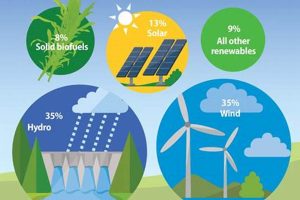
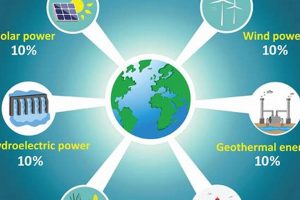
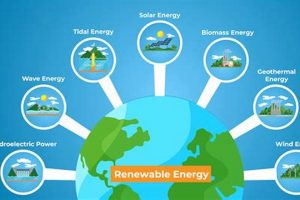
Various naturally replenishing energy resources are available, derived from processes that are constantly renewed. These encompass sources like solar radiation, wind currents, geothermal heat from the earth, flowing water, and biomass from organic matter. For example, photovoltaic systems directly convert sunlight into electricity, while wind turbines harness kinetic energy to generate power.
The utilization of these sustainable methods offers significant environmental advantages, reducing reliance on fossil fuels and mitigating greenhouse gas emissions. This transition to cleaner power production is vital for addressing climate change and ensuring a more sustainable energy future. Historically, societies have used water and wind power for centuries, but modern technologies have dramatically increased their efficiency and scope.
This article will explore the specific technologies, applications, and current state of development related to each of these sustainable energy options. Analysis will consider their potential for widespread implementation, along with their associated challenges and economic factors.
Strategies for Optimizing Sustainable Energy Adoption
The following recommendations aim to facilitate a more effective integration and utilization of naturally replenishing power options, contributing to a more resilient and environmentally conscious energy infrastructure.
Tip 1: Diversify Energy Portfolio. Relying on a single sustainable option can create vulnerability due to resource availability fluctuations. Combining solar, wind, and geothermal resources, where feasible, enhances grid stability and reduces dependence on intermittent sources.
Tip 2: Invest in Energy Storage Solutions. Overproduction from solar or wind during peak generation periods can be stored using battery systems, pumped hydro, or other technologies. This stored energy can then be dispatched during periods of high demand or low production.
Tip 3: Promote Distributed Generation. Encourage the installation of small-scale, localized power generation facilities, such as rooftop solar panels or micro-wind turbines, which reduce transmission losses and enhance energy independence.
Tip 4: Enhance Grid Modernization. Smart grids equipped with advanced sensors, communication networks, and control systems enable real-time monitoring, optimized energy distribution, and efficient integration of variable sustainable resources.
Tip 5: Implement Supportive Policy Frameworks. Governments should establish clear and consistent regulations, incentives, and tax credits to encourage investment in sustainable energy technologies and remove barriers to their deployment.
Tip 6: Prioritize Research and Development. Continuous innovation is crucial for improving the efficiency, affordability, and reliability of different naturally replenishing power resources. Funding for research in areas such as advanced materials, grid integration technologies, and energy storage is essential.
Tip 7: Foster Public Awareness and Education. Educating the public about the benefits of renewable solutions and promoting energy conservation practices can drive demand and accelerate the transition to a sustainable energy economy.
By implementing these strategies, stakeholders can leverage the inherent advantages of various sustainable options, fostering a cleaner, more reliable, and resilient energy future.
The subsequent sections will delve into the practical applications and future trends shaping the landscape of sustainable energy.
1. Solar Power's Abundance
Solar power represents a significant component within the spectrum of naturally replenishing energy options, largely due to the sheer volume of solar radiation reaching the Earth’s surface. This abundance positions solar as a crucial element in diversifying energy portfolios and reducing reliance on finite fossil fuels.
- Global Irradiance Levels
The Earth receives substantial solar irradiance, exceeding current global energy consumption by several orders of magnitude. This readily available energy resource can be harnessed through photovoltaic (PV) systems and concentrated solar power (CSP) technologies, making solar power accessible in various geographic locations, albeit with varying efficiencies based on regional climate patterns.
- Technological Advancements in Solar Capture
Ongoing developments in PV technology, including increased cell efficiency, reduced manufacturing costs, and improved energy storage solutions, are enhancing the practicality and economic viability of solar energy. Thin-film solar cells, for example, offer flexibility and lower material usage, while perovskite solar cells promise higher efficiencies at potentially lower costs.
- Scalability and Versatility of Solar Applications
Solar power can be deployed at various scales, from individual residential rooftops to large-scale solar farms covering vast land areas. This versatility allows for decentralized power generation, reducing transmission losses and increasing energy independence at the community or individual level. Applications range from heating water to powering entire cities.
- Environmental Benefits and Sustainability
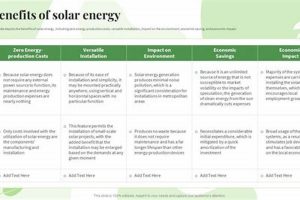
Harnessing solar energy significantly reduces greenhouse gas emissions compared to fossil fuel-based power generation. Moreover, solar power systems operate with minimal environmental impact during their operational lifespan, contributing to a more sustainable energy future. The life cycle assessment of solar panels, including manufacturing and end-of-life recycling, is a critical consideration for ensuring true sustainability.
The abundance of solar energy, coupled with ongoing technological advancements and diverse applications, solidifies its role as a primary contributor to the transition towards a naturally replenishing energy economy. While challenges such as intermittency and land use concerns remain, the potential of solar power to meet a significant portion of global energy demand is undeniable.
2. Wind Energy's Scalability

The scalability of wind energy is a critical attribute in the context of various naturally replenishing energy options. This scalabilitythe capacity to adjust production levels in response to varied demanddirectly influences wind energy’s contribution to meeting energy needs ranging from small, localized consumption to large-scale grid supply. The ability to deploy wind energy infrastructure at diverse scales is paramount for integrating it effectively alongside other variable renewable resources such as solar. Examples include small wind turbines powering individual homes or farms and expansive offshore wind farms providing electricity to entire regions. This adaptability makes wind energy a versatile component in a diversified energy portfolio.
Further, wind energy’s scalability impacts grid management and stability. As wind energy penetration increases, sophisticated forecasting and grid management techniques become essential to accommodate fluctuations in wind availability. The development of advanced grid technologies, such as smart grids and energy storage solutions, is vital for mitigating the challenges associated with variable generation. Wind farms can be strategically located to complement other renewable resources, optimizing overall grid efficiency. For example, regions with consistent wind resources can provide a stable baseload power supply, while solar resources can address peak daytime demand.
In conclusion, the scalability of wind energy is a defining characteristic that facilitates its integration into diverse energy systems. Addressing challenges related to intermittency and grid integration is crucial to unlock the full potential of wind energy within the broader framework of naturally replenishing energy sources. The continued advancement of wind turbine technology and grid infrastructure will further enhance its scalability and contribution to a sustainable energy future.
3. Hydropower's Maturity

Hydropower, as a naturally replenishing energy option, distinguishes itself from other sustainable alternatives through its historical longevity and technological refinement. Its established presence in the energy sector provides a foundation of knowledge and infrastructure upon which other, newer renewable technologies can build. This maturity informs its integration within diverse energy portfolios and its role in grid stabilization.
- Established Infrastructure and Technology
Hydropower facilities have a long operational history, leading to well-established engineering practices and infrastructure. Dams and turbines have undergone decades of refinement, resulting in high efficiency and reliability compared to some newer sustainable energy technologies. This maturity translates into lower operational risks and predictable energy output. Examples include large-scale hydroelectric dams on major rivers worldwide, such as the Three Gorges Dam in China or the Itaipu Dam on the Paran River, which have provided consistent power for decades.
- Contribution to Grid Stability
Hydropower plants can provide ancillary services such as frequency regulation and black start capabilities, which are crucial for maintaining grid stability, especially with the increasing integration of variable renewable energy sources like solar and wind. The ability to quickly adjust power output to meet fluctuating demand makes hydropower a valuable asset in balancing the grid and ensuring reliable electricity supply. Pumped storage hydropower further enhances this capability by storing excess energy during periods of low demand and releasing it during peak periods.
- Environmental Considerations and Mitigation Strategies
While hydropower offers numerous benefits, its maturity also highlights the environmental challenges associated with large-scale dam construction, including habitat disruption, altered river flows, and methane emissions from reservoirs. However, advancements in environmental mitigation strategies, such as fish passages and optimized reservoir management, aim to minimize these impacts and promote ecological sustainability. These strategies are crucial for balancing energy production with environmental protection.
- Economic Viability and Long-Term Investments
Hydropower projects often represent significant upfront investments but offer long-term economic benefits due to their low operating costs and long lifespan. The established financial models and regulatory frameworks surrounding hydropower projects facilitate investment and financing, making it an attractive option for long-term energy planning. Moreover, the economic benefits extend beyond electricity generation, including flood control, irrigation, and navigation.
The maturity of hydropower provides a unique perspective on the challenges and opportunities associated with naturally replenishing energy options. While newer technologies are evolving rapidly, the lessons learned from hydropower’s long history offer valuable insights into sustainable energy development and grid management. The integration of hydropower with other renewable sources is essential for achieving a diversified and resilient energy future. This integration includes careful consideration of environmental impacts and the implementation of sustainable operational practices.
4. Geothermal's Consistency
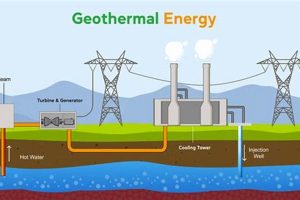
Geothermal energy distinguishes itself among naturally replenishing energy options due to its consistent and reliable availability, irrespective of weather conditions or time of day. This inherent characteristic offers a distinct advantage in diversifying energy portfolios and ensuring stable baseload power, setting it apart from intermittent sources such as solar and wind.
- Continuous Energy Production
Geothermal plants harness heat from the Earth’s interior, a resource that remains largely constant. Unlike solar or wind, geothermal energy is not subject to daily or seasonal fluctuations. This continuity ensures a steady supply of electricity, improving grid stability and reducing the need for extensive energy storage solutions. For example, geothermal power plants in Iceland provide a near-constant supply of electricity and heat to the country’s grid, demonstrating the reliability of this energy source.
- Baseload Power Capability
Geothermal energy’s consistency makes it an ideal source for baseload power, meeting the continuous minimum level of electricity demand. This capability is crucial for maintaining a stable grid and reducing dependence on fossil fuel-powered plants that are traditionally used for baseload generation. Geothermal plants in regions like California and Nevada contribute significantly to baseload power, helping to meet electricity demand reliably.
- Minimal Land Footprint
Compared to other naturally replenishing energy options, geothermal plants often require a relatively small land footprint, especially for Enhanced Geothermal Systems (EGS) that access deep underground heat sources. This reduces environmental impact and land use conflicts. The efficiency of geothermal energy production, measured in energy output per unit area, is generally higher than that of solar or wind farms, particularly in areas with high geothermal gradients.
- Reduced Greenhouse Gas Emissions
While geothermal plants can release some greenhouse gases, particularly carbon dioxide and hydrogen sulfide, the emissions are significantly lower than those from fossil fuel-based power plants. Geothermal energy contributes to mitigating climate change by providing a cleaner alternative for electricity generation. Closed-loop geothermal systems and advanced emission control technologies further minimize environmental impact, making geothermal a sustainable energy option.
In summary, geothermal’s consistency provides a valuable complement to other naturally replenishing energy sources. Its ability to deliver continuous and reliable baseload power enhances grid stability, reduces reliance on fossil fuels, and contributes to a more sustainable energy future. While the initial investment can be substantial, the long-term benefits of geothermal energy, particularly in terms of reliability and environmental impact, make it an essential component of a diversified energy portfolio.
5. Biomass Energy's Versatility

Biomass energy, derived from organic matter, distinguishes itself within the category of various naturally replenishing energy options through its versatility in fuel sources and conversion technologies. This characteristic significantly enhances the potential for energy diversification and localized energy production. The ability to utilize diverse organic feedstocks, including agricultural residues, forestry byproducts, and municipal solid waste, provides flexibility in resource utilization and reduces dependence on single fuel sources. This contrasts with the resource-specific nature of geothermal or hydropower, making biomass energy a valuable component of a diversified renewable energy portfolio.
The conversion technologies for biomass are equally varied, ranging from direct combustion for heat and electricity generation to more advanced processes such as gasification, pyrolysis, and anaerobic digestion. These processes can produce a range of energy carriers, including electricity, heat, biofuels, and biogas. For example, ethanol production from corn grain provides a biofuel for transportation, while biogas generated from anaerobic digestion of organic waste can be used for electricity generation or upgraded to renewable natural gas. The adaptability of biomass energy to different conversion technologies allows for tailored solutions based on local resource availability and energy needs. The practical significance of this versatility lies in its capacity to contribute to both centralized and decentralized energy systems, supporting energy security and reducing carbon emissions in various sectors, including electricity, transportation, and heating.
The understanding of biomass energy’s versatility is crucial for optimizing its contribution to the broader sustainable energy landscape. Challenges remain in ensuring sustainable feedstock production, minimizing environmental impacts, and improving the economic competitiveness of biomass conversion technologies. However, the potential of biomass energy to address multiple energy needs, reduce waste, and support rural economies makes it an essential component of different renewable energy sources. Its multifaceted nature necessitates a comprehensive approach that considers resource management, technological innovation, and policy support to maximize its benefits and minimize its drawbacks.
6. Tidal Energy's Predictability

Tidal energy, among the array of naturally replenishing energy options, is uniquely characterized by the high degree of predictability in its energy generation potential. This predictability arises from the astronomical forces governing tidal cycles, which are well-understood and accurately forecastable years in advance. This contrasts sharply with the intermittent nature of solar and wind resources, positioning tidal energy as a valuable asset for grid management and stability.
- Precise Forecasting of Energy Availability
Tidal cycles, driven by the gravitational interactions between the Earth, Moon, and Sun, follow deterministic patterns. These patterns allow for highly accurate predictions of tidal heights and current velocities, enabling precise forecasting of energy output from tidal power plants. This predictability facilitates optimized scheduling of energy dispatch and integration with other renewable sources, minimizing the need for costly energy storage solutions. For example, tidal barrages and tidal stream generators can have their operations precisely planned, ensuring a reliable contribution to the grid at specific times.
- Enhanced Grid Stability and Reliability
The predictable nature of tidal energy allows grid operators to anticipate and manage its contribution to the overall energy supply. This reduces the challenges associated with integrating variable renewable sources like solar and wind, which are subject to weather-dependent fluctuations. Tidal energy can serve as a stable baseload or peaking power source, enhancing the reliability and resilience of the electricity grid. Tidal power plants can be strategically incorporated into grid management strategies, providing a predictable and consistent energy supply alongside other renewable and conventional sources.
- Optimized Energy Portfolio Planning
The predictability of tidal energy facilitates long-term energy planning and investment decisions. Energy planners can accurately assess the potential contribution of tidal resources to meet future energy demand, enabling informed decisions regarding infrastructure development and resource allocation. This predictability reduces the risks associated with investing in tidal energy projects and promotes their integration into broader energy strategies. Coastal regions with significant tidal resources can incorporate tidal energy into their long-term energy plans, promoting energy independence and reducing reliance on fossil fuels.
- Reduced Reliance on Backup Generation
Due to its predictable nature, tidal energy minimizes the need for backup generation from conventional power plants. This reduces greenhouse gas emissions and enhances the environmental benefits of renewable energy adoption. The predictable energy supply from tidal resources allows for a more efficient utilization of the overall energy infrastructure. Coastal communities can rely on tidal energy to meet a significant portion of their energy needs, reducing their carbon footprint and promoting sustainable development.
The unique characteristic of predictability significantly enhances tidal energy’s value within the framework of naturally replenishing energy options. Its ability to provide a reliable and forecastable energy supply contributes to grid stability, facilitates energy planning, and reduces reliance on backup generation. While tidal energy faces challenges related to site-specific resource availability and environmental impacts, its predictability underscores its potential as a vital component of a diversified and sustainable energy future.
7. Wave Energy's Untapped Potential
Wave energy represents a significant, yet largely unrealized, component within the spectrum of different naturally replenishing energy options. Its global resource base is substantial, exceeding current electricity demand, yet technological and economic barriers have hindered widespread deployment. This exploration considers facets of this untapped potential, contextualizing wave energy’s role alongside other renewable resources.
- Vast Global Resource Availability
The total global wave energy resource is estimated to be on par with worldwide electricity consumption. However, only a fraction of this resource is technically and economically recoverable with current technologies. Coastlines facing prevailing winds possess the highest energy densities, offering significant opportunities for wave energy conversion. Harnessing even a small percentage of this resource could substantially diversify global energy supplies and reduce reliance on fossil fuels.
- Technological Diversity in Wave Energy Conversion
Numerous wave energy converter (WEC) designs are under development, each suited to specific wave climates and operational environments. Oscillating Water Columns (OWCs), Point Absorbers, and Overtopping Devices represent distinct approaches to capturing wave energy and converting it into electricity. This technological diversity is both a strength and a challenge. It allows for tailored solutions but also necessitates further research and development to identify the most efficient and cost-effective designs.
- Environmental Considerations and Coexistence
Wave energy projects have the potential to impact marine ecosystems, including altering wave patterns, affecting sediment transport, and creating noise pollution. Careful site selection, environmental monitoring, and mitigation strategies are essential for minimizing these impacts. Coexistence with other marine activities, such as fishing and shipping, is also crucial. Successful wave energy projects must prioritize environmental sustainability alongside energy production.
- Economic Challenges and Grid Integration
The high capital costs associated with wave energy technology, combined with the variability of wave resources, pose significant economic challenges. Grid integration requires advanced forecasting and control systems to manage the intermittent nature of wave energy generation. Government subsidies, tax incentives, and feed-in tariffs can help to overcome these economic barriers and promote investment in wave energy projects.
In conclusion, wave energys untapped potential represents a critical frontier in the development of different naturally replenishing energy sources. Realizing this potential requires continued innovation, strategic investment, and a commitment to environmental stewardship. The successful integration of wave energy into the global energy mix has the potential to transform coastal regions, providing clean, sustainable electricity while diversifying the global energy supply.
Frequently Asked Questions Regarding Various Naturally Replenishing Energy Options
This section addresses common inquiries and clarifies potential misconceptions surrounding sustainable power sources.
Question 1: What constitutes a sustainable energy source?
A sustainable energy source is one that is naturally replenished at a rate equal to or greater than its rate of consumption. These sources derive from continuous or repetitive environmental processes, such as sunlight, wind, water flow, and geothermal heat.
Question 2: Are sustainable energy options truly environmentally benign?
While significantly cleaner than fossil fuels, sustainable energy options may have environmental impacts. Hydropower can disrupt river ecosystems, wind farms can pose risks to avian wildlife, and biomass combustion can release greenhouse gases. Life cycle assessments are essential to fully evaluate the environmental footprint.
Question 3: Can sustainable energy sources provide a reliable baseload power supply?
Certain sustainable sources, such as geothermal and hydropower, can provide consistent baseload power. However, intermittent sources like solar and wind require energy storage solutions and smart grid technologies to ensure a reliable electricity supply.
Question 4: What are the primary economic barriers to adopting sustainable energy?
High upfront capital costs, fluctuating fuel prices (for biomass), and the need for grid infrastructure upgrades can pose significant economic barriers. Government subsidies, tax incentives, and carbon pricing mechanisms can help to overcome these challenges.
Question 5: How does energy storage enhance the viability of sustainable sources?
Energy storage technologies, such as batteries, pumped hydro, and compressed air, mitigate the intermittency of solar and wind energy. By storing excess energy during peak production and releasing it during periods of high demand, energy storage improves grid stability and reliability.
Question 6: What role do government policies play in promoting sustainable energy adoption?
Government policies, including renewable energy mandates, feed-in tariffs, carbon taxes, and research and development funding, are crucial for accelerating the transition to a sustainable energy economy. These policies incentivize investment, promote innovation, and create a level playing field for sustainable sources.
Sustainable power sources are essential for mitigating climate change and ensuring a sustainable energy future. Understanding their characteristics, benefits, and challenges is crucial for informed decision-making.
The following section will explore case studies of successful sustainable energy implementations worldwide.
Conclusion
This exploration has detailed the characteristics of different renewable energy sources, ranging from the established maturity of hydropower to the untapped potential of wave energy. The inherent advantages and limitations of each option have been analyzed, emphasizing the crucial role of diversification in achieving a resilient and sustainable energy portfolio. Scalability, predictability, and consistency emerge as key determinants in evaluating the viability of various sources for widespread deployment.
The imperative for transitioning toward these sources remains clear. Further research, technological innovation, and strategic policy frameworks are essential to overcome existing barriers and accelerate the adoption of naturally replenishing energy resources. A comprehensive and sustained commitment to these objectives will be vital to secure a future characterized by both environmental stewardship and energy security.