Disadvantages associated with renewable energy sources represent a crucial aspect of the energy transition. These challenges vary depending on the specific technology and can include factors like intermittency, land use requirements, environmental impact, and initial costs.
Understanding the drawbacks of renewable energy is essential for developing effective strategies to mitigate them. This knowledge allows for informed decision-making regarding energy policy, investment, and infrastructure development. A balanced perspective, acknowledging both the advantages and disadvantages, enables realistic goal-setting and promotes the sustainable integration of renewable energy into existing energy systems. Historically, awareness of these limitations has driven innovation and spurred technological advancements to address these challenges.
The following sections will delve deeper into specific limitations associated with different renewable energy technologies, including solar, wind, hydro, geothermal, and biomass, offering a comprehensive analysis of each.
Mitigating Drawbacks of Renewable Energy
Addressing the challenges associated with renewable energy sources is crucial for their successful integration into the energy landscape. The following tips provide strategies for minimizing potential downsides and maximizing the benefits of these technologies.
Tip 1: Addressing Intermittency: Integrating energy storage solutions, such as batteries or pumped hydro, can help compensate for the fluctuating nature of solar and wind power. Diversifying renewable energy sources and implementing smart grids can further enhance grid stability.
Tip 2: Optimizing Land Use: Utilizing existing infrastructure, such as rooftops for solar panels or brownfield sites for wind farms, can minimize land use conflicts. Careful site selection and environmental impact assessments are essential.
Tip 3: Minimizing Environmental Impact: Implementing rigorous environmental regulations and monitoring protocols can mitigate potential ecological impacts. Life-cycle assessments of renewable energy technologies can inform sustainable manufacturing and disposal practices.
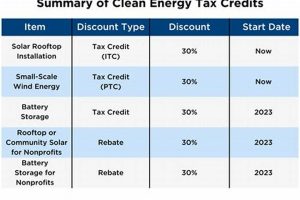
Tip 4: Managing Costs: Government incentives, such as tax credits and subsidies, can help reduce the initial investment costs associated with renewable energy projects. Exploring innovative financing models and fostering competition within the industry can further drive down costs.
Tip 5: Enhancing Grid Integration: Modernizing grid infrastructure and investing in smart grid technologies can improve the efficiency and reliability of integrating renewable energy sources into the existing power grid.
Tip 6: Promoting Community Engagement: Engaging local communities in the planning and development of renewable energy projects can address concerns, build support, and ensure equitable distribution of benefits.
By addressing these challenges proactively, the transition to a sustainable energy future can be accelerated, maximizing the benefits of renewable energy while minimizing potential downsides.
These mitigation strategies are vital for ensuring a smooth transition to a renewable energy-powered world. The following section will conclude with a comprehensive outlook on the future of renewable energy and its role in shaping a sustainable energy landscape.
1. Intermittency

Intermittency, the fluctuating nature of renewable energy generation, presents a significant challenge to its widespread adoption. Solar and wind power, for instance, depend on weather conditions, leading to unpredictable energy output. This inherent variability necessitates strategies to mitigate its impact on grid stability and reliability.
- Predictability Challenges:
Accurately forecasting energy generation from intermittent sources is crucial for grid management. Variations in weather patterns, such as cloud cover or wind speed changes, can significantly impact energy output, making precise predictions complex. This poses challenges for balancing supply and demand, potentially leading to power shortages or oversupply.
- Grid Stability Issues:
Fluctuations in renewable energy generation can destabilize the electricity grid. Maintaining a consistent frequency and voltage is essential for reliable grid operation. Intermittency requires grid operators to implement sophisticated balancing mechanisms to compensate for rapid changes in energy input, adding complexity and cost to grid management.
- Storage Requirements:
The intermittent nature of renewable energy sources necessitates energy storage solutions. Batteries, pumped hydro, and other storage technologies can help bridge the gap between energy generation and demand. However, these technologies add to the overall cost and complexity of renewable energy systems, requiring significant investment and infrastructure development.
- Backup Power Dependence:
Intermittency often necessitates reliance on backup power sources, typically conventional fossil fuel-based power plants. When renewable energy generation is low, these backup systems are activated to ensure a continuous power supply. This dependence on fossil fuels can undermine the environmental benefits of renewable energy and increase overall emissions.
Addressing intermittency is essential for maximizing the potential of renewable energy. Developing advanced forecasting models, investing in energy storage solutions, and implementing smart grid technologies can help mitigate the challenges posed by fluctuating renewable energy generation and pave the way for a more stable and sustainable energy future. Without effective solutions to address intermittency, the reliability and cost-effectiveness of renewable energy systems remain key considerations in the transition to a cleaner energy landscape.
2. Environmental Impact
While renewable energy sources offer a cleaner alternative to fossil fuels, they are not without environmental impacts. Understanding these impacts is crucial for responsible development and deployment of renewable energy technologies. A comprehensive assessment requires considering the entire life cycle, from resource extraction and manufacturing to operation and decommissioning.
- Habitat Disruption:
Large-scale renewable energy projects, such as wind farms and hydroelectric dams, can disrupt natural habitats. Wind turbines can pose a threat to birds and bats, while dams can alter river ecosystems and impact fish migration patterns. Careful site selection and mitigation strategies are crucial for minimizing these impacts.
- Manufacturing Impacts:
The manufacturing processes for renewable energy technologies require raw materials and energy, generating emissions and waste. For example, the production of solar panels involves the use of potentially harmful chemicals. Promoting sustainable manufacturing practices and recycling programs can help reduce these environmental footprints.
- Land Use Change:
Renewable energy projects, particularly solar and wind farms, often require significant land areas. Converting land for energy production can lead to habitat loss, fragmentation, and changes in land use patterns. Optimizing land use through co-location with existing infrastructure or utilizing brownfield sites can help mitigate these impacts.
- Water Usage:
Certain renewable energy technologies, such as concentrated solar power and bioenergy, require substantial amounts of water for operation. In water-scarce regions, this can exacerbate water stress and compete with other water needs. Implementing water-efficient technologies and carefully considering water availability are crucial for sustainable development.
Minimizing the environmental impact of renewable energy development is essential for achieving true sustainability. Life-cycle assessments, rigorous environmental regulations, and ongoing monitoring are critical for ensuring responsible deployment and maximizing the environmental benefits of these crucial technologies. Ignoring these environmental considerations can undermine the long-term sustainability of renewable energy solutions.
3. Land Use

Land use requirements represent a significant consideration when evaluating the viability and sustainability of renewable energy projects. The scale of land transformation associated with certain renewable energy technologies can present challenges related to habitat loss, ecosystem disruption, and competition with other land uses. Careful planning and strategic deployment are essential for minimizing these impacts and ensuring responsible land management.
- Footprint of Renewable Energy Installations:
Renewable energy facilities, particularly solar and wind farms, often require substantial land areas. Solar farms necessitate vast tracts of land to accommodate solar panel arrays, while wind farms require spacing between turbines to maximize energy capture. The sheer scale of these installations can lead to significant land use changes, potentially impacting agricultural land, natural habitats, and scenic landscapes.
- Habitat Loss and Fragmentation:
Converting land for renewable energy development can result in habitat loss and fragmentation, affecting wildlife populations and ecosystem integrity. Large-scale projects can disrupt migration corridors, isolate populations, and reduce biodiversity. Minimizing habitat disruption through careful site selection and implementing mitigation measures, such as habitat restoration or the creation of wildlife corridors, is crucial for responsible development.
- Competition with Other Land Uses:
The increasing demand for land for renewable energy can create competition with other essential land uses, such as agriculture, forestry, and urban development. Balancing the need for clean energy with the demands of food production, resource management, and human settlements requires careful planning and consideration of land use priorities. Integrating renewable energy projects into existing infrastructure, such as rooftops or brownfield sites, can help minimize land use conflicts.
- Visual and Aesthetic Impacts:
Large-scale renewable energy installations can alter visual landscapes, raising concerns about aesthetic impacts. Wind turbines, for example, can be visually prominent, potentially affecting scenic views and property values. Community engagement and careful consideration of visual impacts during the planning process are essential for minimizing potential conflicts and ensuring public acceptance of renewable energy projects.
Addressing land use challenges is crucial for the sustainable development of renewable energy. Strategic land use planning, minimizing project footprints, and prioritizing co-location with existing infrastructure can help mitigate these impacts. Balancing the benefits of clean energy with the need to protect ecosystems and preserve valuable land resources requires a comprehensive and integrated approach to land management.
4. Storage Capabilities

Limited energy storage capacity presents a significant challenge to the widespread adoption of renewable energy sources, particularly those with intermittent generation profiles like solar and wind power. Effective energy storage is crucial for bridging the gap between energy supply and demand, ensuring grid stability, and maximizing the utilization of renewable resources. The lack of robust and cost-effective storage solutions remains a key constraint on the reliability and dispatchability of renewable energy systems.
- Technological Limitations:
Current energy storage technologies face limitations in terms of scalability, cost, and efficiency. While battery technology has advanced significantly, challenges remain in scaling production to meet the demands of grid-level storage. Other storage technologies, such as pumped hydro and compressed air energy storage, face geographical constraints and require significant infrastructure investment.
- Cost of Storage Solutions:
The cost of energy storage systems remains a significant barrier to widespread implementation. Batteries, despite declining costs, still represent a substantial investment. Large-scale storage projects require significant capital expenditure, impacting the overall cost-competitiveness of renewable energy systems.
- Duration of Storage:
Different storage technologies offer varying durations of energy storage. While some batteries are suitable for short-term storage, meeting daily fluctuations in demand, longer-term storage solutions are needed to address seasonal variations in renewable energy generation. The limited duration of many current storage technologies poses challenges for ensuring reliable power supply over extended periods.
- Integration with Existing Grid Infrastructure:
Integrating energy storage systems seamlessly into existing grid infrastructure requires careful planning and investment. Grid management systems must be adapted to accommodate the dynamic nature of energy storage, ensuring efficient charging and discharging cycles and maximizing grid stability. Upgrading grid infrastructure to accommodate large-scale storage deployment adds to the overall cost and complexity of renewable energy integration.
Overcoming the limitations of energy storage is essential for unlocking the full potential of renewable energy. Advances in storage technologies, declining costs, and innovative integration strategies are crucial for enhancing the reliability, dispatchability, and overall viability of renewable energy systems. Without significant progress in energy storage, intermittency will continue to pose a major constraint on the transition to a renewable energy-powered future.
5. Initial Costs

High upfront costs represent a significant barrier to widespread renewable energy adoption. While long-term operational costs are generally lower than those of conventional fossil fuel-based power plants, the initial investment required for renewable energy projects can be substantial. This includes costs associated with equipment purchase and installation, grid connection, and land acquisition. For example, the cost of installing solar panels on a residential rooftop can be significant, even with government incentives. Similarly, large-scale wind farms require substantial investment in turbines, infrastructure, and grid integration. This financial hurdle can deter individuals, businesses, and governments from transitioning to renewable energy sources, particularly in budget-constrained environments.
The capital-intensive nature of renewable energy projects poses challenges for financing. Securing loans and attracting investment can be difficult, particularly for large-scale projects. This can slow down deployment and limit the pace of the renewable energy transition. For instance, developing countries may face challenges accessing the necessary capital to invest in large-scale renewable energy infrastructure, hindering their ability to leverage the benefits of clean energy. Furthermore, the cost of financing can impact the overall cost-effectiveness of renewable energy projects, influencing investment decisions and potentially delaying widespread adoption.
Addressing the challenge of high initial costs is crucial for accelerating the transition to renewable energy. Government incentives, such as tax credits, rebates, and feed-in tariffs, can help reduce the financial burden and encourage investment. Innovative financing mechanisms, such as green bonds and crowdfunding, can also play a role in mobilizing capital for renewable energy projects. Furthermore, declining technology costs, driven by innovation and economies of scale, are gradually reducing the initial investment required, making renewable energy increasingly competitive with conventional energy sources. Overcoming this financial hurdle is essential for realizing the full potential of renewable energy and achieving a sustainable energy future.
6. Transmission Infrastructure
Transmission infrastructure plays a crucial role in the limitations associated with renewable energy integration. Renewable energy resources are often located in remote areas, far from population centers where electricity demand is highest. This geographical disparity necessitates substantial investments in transmission lines to transport the generated power to consumers. The cost of constructing and maintaining these extensive transmission networks can significantly impact the overall cost-competitiveness of renewable energy projects. For example, offshore wind farms require dedicated undersea cables to transmit electricity to the mainland grid, adding significant expense to project development. Similarly, large-scale solar farms located in deserts may require hundreds of miles of new transmission lines to connect to urban centers, impacting project feasibility and potentially delaying deployment.
Furthermore, the capacity of existing transmission infrastructure can pose a bottleneck for renewable energy integration. Many grids were designed for centralized power generation from conventional power plants, not for the distributed nature of renewable energy sources. Upgrading existing grid infrastructure to accommodate the influx of renewable energy can be costly and time-consuming. Insufficient transmission capacity can lead to curtailment, where renewable energy generation is reduced or even shut down due to an inability to transmit the power to the grid. This not only wastes valuable clean energy but also undermines the economic viability of renewable energy projects. For instance, during periods of high wind generation, some wind farms may be forced to curtail output if the transmission lines are congested, limiting the benefits of renewable energy and potentially impacting grid stability.
Addressing the challenges related to transmission infrastructure is crucial for realizing the full potential of renewable energy. Investing in grid modernization, expanding transmission capacity, and developing smart grid technologies can facilitate the efficient and reliable integration of renewable resources. Strategic planning and coordination between energy developers, grid operators, and policymakers are essential for optimizing transmission infrastructure development and minimizing costs. Without adequate investment in transmission infrastructure, the geographical limitations and integration challenges associated with renewable energy will continue to hinder its widespread adoption and impede the transition to a sustainable energy future.
Frequently Asked Questions about Renewable Energy Drawbacks
This section addresses common concerns and misconceptions regarding the disadvantages of renewable energy technologies.
Question 1: Do renewable energy sources truly contribute to a reduction in greenhouse gas emissions, given their manufacturing and lifecycle impacts?
While renewable energy technologies have some environmental impacts associated with their manufacturing and lifecycle, these are generally significantly lower than the emissions associated with fossil fuels. Lifecycle assessments consistently demonstrate that renewable energy sources offer substantial reductions in greenhouse gas emissions over their lifespan.
Question 2: How does the intermittency of renewable energy affect grid reliability, and what solutions are available to address this challenge?
Intermittency can impact grid reliability by causing fluctuations in power supply. Solutions include energy storage (batteries, pumped hydro), grid management strategies (demand-side management, smart grids), and diversification of renewable energy sources.
Question 3: What is the actual land use impact of renewable energy projects, and how does it compare to land use for fossil fuel extraction and power generation?
Land use requirements vary depending on the renewable energy technology. While wind and solar farms require significant land areas, they often have less impact than fossil fuel extraction, which can involve mining, drilling, and pipeline infrastructure. Rooftop solar installations minimize land use impact further.
Question 4: How do the costs of renewable energy compare to traditional fossil fuels, considering both initial investment and long-term operational costs?
Renewable energy technologies typically have higher upfront costs but lower operational costs compared to fossil fuels. Declining technology costs and government incentives are making renewable energy increasingly cost-competitive over the long term.
Question 5: What environmental impacts are associated with renewable energy technologies beyond greenhouse gas emissions?
Potential environmental impacts include habitat disruption (wind turbines, hydroelectric dams), manufacturing impacts (solar panel production), and water usage (concentrated solar power, bioenergy). Careful planning and mitigation strategies are essential to minimize these effects.
Question 6: How can the challenges associated with transmission infrastructure for renewable energy be addressed effectively?
Solutions include investing in grid modernization, expanding transmission capacity, developing smart grid technologies, and strategically planning transmission infrastructure development to accommodate the distributed nature of renewable energy sources.
Understanding the disadvantages of renewable energy is crucial for making informed decisions and developing effective strategies for a sustainable energy future. Addressing these challenges proactively can pave the way for a cleaner, more resilient, and reliable energy system.
The following section will explore the future of renewable energy and its potential to address global energy demands while mitigating climate change.
Conclusion
Exploration of renewable energy limitations reveals crucial considerations for sustainable implementation. Intermittency, environmental impact, land use, storage capacity, initial costs, and transmission infrastructure represent key challenges. While these factors pose obstacles, they also drive innovation and inform strategic planning. Understanding these limitations is not a deterrent, but rather a catalyst for developing comprehensive solutions.
Transitioning to a renewable energy-powered future requires acknowledging and proactively addressing these challenges. Continued technological advancements, strategic policy implementation, and public awareness are essential for maximizing the benefits of renewable energy while mitigating potential drawbacks. The future of energy depends on a balanced approach that recognizes both the promise and the complexities of renewable resources. Only through careful consideration of these factors can a truly sustainable and resilient energy system be achieved.