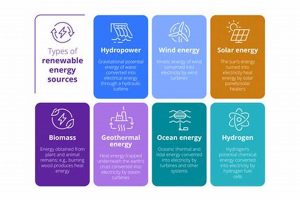
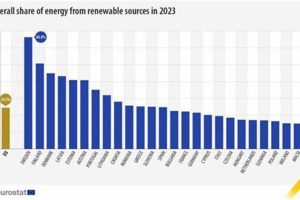
National strategies and regulations designed to promote and support the development and utilization of sustainable energy sources like solar, wind, hydro, and geothermal power represent a crucial aspect of modern governance. These measures can include financial incentives such as tax credits and subsidies, as well as regulatory mandates like renewable portfolio standards, which require electricity providers to source a certain percentage of their power from renewables. For instance, feed-in tariffs guarantee renewable energy producers a fixed price for the electricity they generate, creating a stable market for their output.
Such frameworks are essential for addressing climate change by reducing greenhouse gas emissions associated with fossil fuel-based energy production. Moreover, these initiatives contribute to energy independence and security by diversifying energy sources, reducing reliance on volatile global fossil fuel markets. Historically, national energy policies have often prioritized conventional energy sources. However, growing awareness of environmental concerns and the increasing affordability of renewable technologies have led to a global shift towards supporting sustainable energy alternatives.
This foundation provides context for exploring the diverse range of specific policy instruments, their effectiveness, associated challenges, and the future trajectory of sustainable energy transitions across the globe.
Tips for Effective Renewable Energy Policies
Effective frameworks for promoting renewable energy require careful consideration of various factors. The following tips offer guidance for developing successful strategies:
Tip 1: Establish Clear Targets and Timelines: Specificity is crucial. Quantifiable goals, such as a percentage of electricity from renewable sources by a certain date, provide direction and allow for progress measurement. For example, a target of 30% renewable energy by 2030 provides a clear benchmark.
Tip 2: Implement Stable and Consistent Policies: Long-term policy stability is essential for investor confidence. Frequent changes to regulations create uncertainty and hinder investment in renewable energy projects.
Tip 3: Diversify Renewable Energy Sources: Relying on a single source creates vulnerabilities. Supporting a mix of technologies, such as wind, solar, and geothermal, ensures a more resilient and adaptable energy system.
Tip 4: Streamline Permitting and Approval Processes: Complex and lengthy approval procedures can delay project development. Efficient and transparent processes are essential for timely deployment of renewable energy infrastructure.
Tip 5: Invest in Research and Development: Continuous innovation is key to driving down costs and improving the efficiency of renewable energy technologies. Public funding for research and development plays a critical role in advancing the sector.
Tip 6: Promote Public Awareness and Education: Public support is essential for the success of renewable energy initiatives. Educational campaigns can increase understanding of the benefits of sustainable energy and foster public acceptance.
Tip 7: Foster International Collaboration: Sharing best practices and collaborating on research and development can accelerate the global transition to renewable energy. International cooperation can also help address shared challenges.
By incorporating these considerations, policymakers can create robust and effective strategies that accelerate the transition to a sustainable energy future. These tips contribute to a more resilient, secure, and environmentally sound energy landscape.
Understanding these key elements allows for a more comprehensive analysis of specific national policies and their role in shaping the future of energy.
1. Incentives

Incentives play a crucial role in government policies designed to promote renewable energy adoption. These mechanisms aim to stimulate market growth and technological advancements by reducing financial barriers and increasing the attractiveness of renewable energy investments. Several types of incentives are commonly employed:
- Financial Incentives: These include grants, tax credits, rebates, and subsidies that directly reduce the cost of renewable energy technologies for consumers and businesses. For example, investment tax credits can offset the initial cost of installing solar panels, making them more financially viable. Feed-in tariffs guarantee a fixed price for renewable energy fed into the grid, providing revenue stability for producers.
- Market-Based Incentives: Renewable portfolio standards (RPS) require electricity suppliers to source a specific percentage of their electricity from renewable sources. This creates demand for renewable energy, driving market growth. Emissions trading schemes (ETS), also known as cap-and-trade systems, establish a market for emissions allowances, incentivizing companies to reduce their carbon footprint by investing in renewable energy.
- Fiscal Incentives: These can include accelerated depreciation allowances for renewable energy equipment, allowing businesses to deduct a larger portion of the asset’s cost in the early years of its life, thereby reducing tax liability and encouraging investment.
The effectiveness of these incentives depends on several factors, including their design, the specific renewable energy technology being promoted, and the broader market context. For instance, incentives for solar energy may be more effective in regions with high solar irradiance. The stability and predictability of incentive programs are also critical for attracting long-term investments. Uncertain or frequently changing policies can deter investors and hinder market development.
In summary, well-designed incentive programs are essential components of effective renewable energy policies. They provide the necessary impetus for market growth, technological innovation, and ultimately, the transition to a sustainable energy future. However, careful consideration must be given to the design and implementation of these incentives to ensure their efficacy and avoid unintended consequences. Policymakers must strike a balance between providing sufficient support to drive renewable energy adoption and minimizing market distortions.
2. Regulations

Regulations form a cornerstone of government policy on renewable energy, providing the framework within which the sector operates and evolves. These legal and administrative rules influence everything from project development and grid integration to emissions standards and safety protocols. Regulations are essential for ensuring the sustainable and responsible growth of renewable energy, addressing potential environmental and social impacts, and creating a level playing field for different energy sources. A key example is the establishment of Renewable Portfolio Standards (RPS), which mandate a certain percentage of electricity generation from renewable sources for utilities. These regulations create a direct market demand for renewable energy, driving investment and deployment.
Building codes represent another important regulatory tool. Requiring new constructions to incorporate solar panels or meet specific energy efficiency standards can significantly increase the adoption of renewable energy technologies. Furthermore, regulations play a critical role in streamlining permitting processes for renewable energy projects. Simplifying approvals and reducing bureaucratic hurdles can accelerate project development and reduce costs. Conversely, overly complex or unclear regulations can stifle innovation and hinder investment. Streamlined permitting processes in countries like Germany have facilitated rapid growth in the solar and wind energy sectors. In contrast, cumbersome regulations can hinder project implementation and slow down deployment, limiting the overall effectiveness of renewable energy policies.
Effective regulation is crucial for balancing the promotion of renewable energy with other policy objectives, such as grid stability and consumer protection. Addressing potential challenges associated with the integration of intermittent renewable sources, like solar and wind power, requires carefully designed grid management regulations. These regulations ensure the reliability of electricity supply while maximizing the contribution of renewable energy. Successfully navigating the complexities of energy transitions requires a robust and adaptable regulatory framework capable of responding to evolving technologies and market conditions. Ultimately, well-crafted regulations are instrumental in achieving a sustainable, secure, and affordable energy future.
3. Targets

Targets are integral to effective government policy on renewable energy, providing quantifiable objectives and a roadmap for achieving desired outcomes. These targets serve as benchmarks against which progress can be measured and provide a clear signal to investors and industry stakeholders. The specificity and ambition of these targets play a crucial role in driving investment, innovation, and deployment of renewable energy technologies. Without clearly defined targets, policies lack direction and the necessary impetus for transformative change.
- Renewable Portfolio Standards (RPS):
RPS regulations mandate a specific percentage of electricity generation from renewable sources within a defined timeframe. These targets, often set at state or national levels, create a direct demand for renewable energy and provide certainty for investors. For example, California’s RPS requires 60% renewable electricity by 2030. Such targets drive market growth, stimulate competition, and accelerate the transition to a cleaner energy mix.
- Emissions Reduction Targets:
These targets focus on reducing greenhouse gas emissions from the energy sector, often aligned with international agreements like the Paris Agreement. These targets, typically expressed as a percentage reduction from a baseline year, necessitate a shift away from fossil fuels towards renewable energy sources. The European Union’s target of reducing emissions by at least 55% by 2030 compared to 1990 levels exemplifies this approach, driving policy and investment towards decarbonizing the energy system.
- Energy Independence Targets:
These targets aim to reduce reliance on imported fossil fuels by increasing domestic renewable energy production. Enhancing energy security and reducing vulnerability to volatile global energy markets are key drivers for these targets. For instance, a country aiming to reduce its oil imports by 20% through domestic renewable energy development would be pursuing an energy independence target. This approach promotes local job creation, strengthens domestic energy industries, and enhances national energy security.
- Technology-Specific Targets:
Governments may establish targets for specific renewable energy technologies, such as solar photovoltaic capacity or offshore wind deployment. These targeted approaches support the development of particular technologies, fostering innovation and creating specialized industries. For example, a target of deploying 100 gigawatts of solar capacity by a specific date encourages investment and development in the solar industry. This focus can accelerate cost reductions, improve technology performance, and create economies of scale.
The effective implementation of these targets relies on complementary policies, such as financial incentives, streamlined permitting processes, and grid modernization efforts. Regular monitoring and evaluation of progress towards these targets are essential for ensuring accountability and adapting policies as needed. By setting ambitious yet achievable targets, governments can create a clear pathway for the transition to a sustainable energy future, driving innovation, investment, and ultimately, a cleaner, more secure energy system.
4. Innovation

Technological advancement is essential for the widespread adoption and success of renewable energy. Government policies play a crucial role in fostering innovation by creating supportive environments that encourage research, development, and deployment of new technologies. This support can take various forms, from direct funding of research initiatives to market-based mechanisms that incentivize private sector investment in innovation.
- Research and Development Funding:
Direct government funding for research and development is critical for advancing renewable energy technologies. This funding supports early-stage research, pilot projects, and the development of next-generation technologies. Examples include funding for university research programs focused on improving solar cell efficiency or developing advanced battery storage solutions. Such investments can lead to breakthroughs that significantly reduce the cost and improve the performance of renewable energy systems.
- Technology Transfer and Commercialization:
Bridging the gap between laboratory research and commercial deployment is crucial for translating technological advancements into real-world applications. Government policies can facilitate this process by supporting technology transfer initiatives, incubators, and start-up companies focused on renewable energy innovation. For instance, government-funded programs can help researchers commercialize their inventions by providing access to business development resources and connecting them with potential investors. This support accelerates the market entry of new technologies and fosters the growth of the renewable energy industry.
- Demonstration Projects and Pilot Programs:
Demonstrating the feasibility and effectiveness of new technologies at scale is crucial for building investor confidence and accelerating market adoption. Government support for demonstration projects and pilot programs allows for real-world testing and validation of emerging technologies. Examples include government-funded pilot programs for grid-scale energy storage or large-scale deployments of offshore wind turbines. These projects provide valuable data and operational experience, reducing risks and paving the way for wider adoption.
- Incentivizing Private Sector Investment:
Government policies can create market conditions that encourage private sector investment in renewable energy innovation. Tax credits, grants, and other financial incentives can reduce the cost of developing and deploying new technologies, making them more attractive to investors. Furthermore, policies like carbon pricing mechanisms create a financial incentive for companies to invest in low-carbon technologies, further stimulating innovation in the renewable energy sector. Such policies leverage private sector capital and expertise, accelerating the pace of technological development and deployment.
By fostering a robust innovation ecosystem, governments can accelerate the development and deployment of cost-competitive and efficient renewable energy technologies. These policies, ranging from direct funding of research to market-based incentives, are crucial for achieving a sustainable energy future. Ultimately, investing in innovation today lays the groundwork for a cleaner, more secure, and prosperous energy landscape tomorrow. Continued support for research, development, and deployment of cutting-edge technologies remains essential for achieving ambitious climate goals and transitioning towards a global economy powered by sustainable energy.
5. Infrastructure

Adequate infrastructure is essential for the successful integration and utilization of renewable energy sources. Government policy plays a crucial role in developing and modernizing this infrastructure, creating the necessary framework for a reliable and efficient renewable energy sector. This includes transmission lines to transport electricity from renewable energy generation sites, often located in remote areas, to population centers. For example, expanding grid capacity to accommodate the increasing influx of renewable energy is crucial for maximizing its utilization. Upgrading existing grid infrastructure to handle the intermittent nature of solar and wind power, through technologies like smart grids, is also essential. Furthermore, energy storage infrastructure, including pumped hydro storage and battery storage facilities, plays a critical role in balancing supply and demand, ensuring grid stability as renewable energy penetration increases. Examples include government initiatives to support the development of large-scale battery storage projects, crucial for integrating intermittent renewable sources into the grid.
Policy mechanisms such as targeted investments, public-private partnerships, and regulatory frameworks can facilitate infrastructure development. For instance, government funding can support the construction of new transmission lines dedicated to renewable energy projects. Public-private partnerships can leverage private sector expertise and capital to accelerate infrastructure development. Regulatory reforms can streamline permitting processes for transmission line projects, reducing development timelines and costs. The lack of adequate transmission infrastructure can create bottlenecks, limiting the amount of renewable energy that can be integrated into the grid. This can lead to curtailment of renewable energy generation, where renewable energy sources are forced to reduce output due to grid constraints, resulting in wasted potential and reduced economic benefits. Conversely, strategic investments in transmission infrastructure can unlock the full potential of renewable energy resources, enabling their efficient integration and maximizing their contribution to a sustainable energy system.
Infrastructure development represents a critical aspect of effective renewable energy policy. Addressing infrastructure needs through strategic investments and regulatory reforms is crucial for realizing the full potential of renewable energy sources. A robust and adaptable infrastructure system is essential for ensuring the reliable, efficient, and cost-effective integration of renewable energy into the electricity grid, paving the way for a sustainable energy future. Without adequate infrastructure, the growth of renewable energy will be constrained, limiting its contribution to climate change mitigation and energy security objectives. Therefore, policymakers must prioritize infrastructure development as a key component of their renewable energy strategies.
6. International Cooperation

International cooperation plays a vital role in accelerating the global transition to renewable energy. Collaborative efforts between nations facilitate knowledge sharing, technology transfer, and the development of harmonized standards, enabling more effective and efficient renewable energy policies. This collaborative approach is essential for addressing the global nature of climate change and ensuring a sustainable energy future for all.
- Technology Transfer and Development:
International cooperation facilitates the transfer of renewable energy technologies from developed to developing countries. This exchange accelerates the adoption of clean energy solutions in regions with high energy demand and contributes to global emissions reductions. For example, partnerships between European countries and developing nations in Africa have supported the deployment of solar photovoltaic technologies, enabling access to clean electricity in remote communities. Such collaborations contribute to sustainable development and capacity building in recipient countries.
- Harmonization of Standards and Regulations:
International cooperation promotes the development of common standards and regulations for renewable energy technologies. Harmonized standards simplify trade, reduce technical barriers, and facilitate cross-border investments in renewable energy projects. The International Electrotechnical Commission (IEC), for example, develops international standards for renewable energy technologies, ensuring interoperability and facilitating global trade. These efforts streamline market access and promote greater efficiency in the renewable energy sector.
- Joint Research and Development:
Collaborative research and development initiatives leverage the expertise and resources of multiple countries to accelerate innovation in renewable energy technologies. International research partnerships can focus on developing next-generation technologies, improving the efficiency of existing technologies, or addressing specific challenges related to renewable energy integration. The International Energy Agency’s (IEA) collaborative research programs on renewable energy technologies exemplify this approach, fostering innovation and knowledge sharing among member countries.
- Climate Finance and Investment:
International cooperation is essential for mobilizing climate finance to support renewable energy projects in developing countries. Developed countries have committed to providing financial assistance to developing nations to help them transition to low-carbon economies. The Green Climate Fund (GCF), for instance, provides financial support for renewable energy projects in developing countries, helping them achieve their climate goals. This international collaboration is crucial for ensuring a just and equitable energy transition.
These facets of international cooperation demonstrate its crucial role in advancing renewable energy deployment globally. By fostering collaboration, sharing best practices, and pooling resources, nations can accelerate the transition to a sustainable energy future, address climate change effectively, and create a more secure and prosperous energy landscape for all. Enhanced international cooperation is not merely beneficial but essential for navigating the complexities of the global energy transition and achieving a sustainable energy future for all.
Frequently Asked Questions about Renewable Energy Policies
This section addresses common inquiries regarding governmental approaches to renewable energy, aiming to provide clear and concise information.
Question 1: How do renewable portfolio standards (RPS) influence electricity markets?
RPS regulations require electricity providers to source a specified percentage of their power from renewable sources. This creates demand for renewable energy, driving investment in new projects and influencing market prices. RPS mechanisms can lead to increased competition among energy providers and accelerate the deployment of renewable energy technologies.
Question 2: What role do feed-in tariffs play in supporting renewable energy development?
Feed-in tariffs guarantee renewable energy producers a fixed price for the electricity they feed into the grid over a set period. This price stability encourages investment in renewable energy projects by reducing financial risks and providing a predictable revenue stream for developers.
Question 3: How can governments address the intermittency of renewable energy sources like solar and wind power?
Intermittency can be addressed through a combination of strategies, including grid modernization, energy storage technologies (such as batteries and pumped hydro), demand-side management, and diversification of renewable energy sources. Smart grids, for instance, can optimize electricity flow and integrate intermittent sources more effectively.
Question 4: What are the economic impacts of transitioning to renewable energy?
The transition typically creates new jobs in manufacturing, installation, maintenance, and research within the renewable energy sector. It can also reduce reliance on imported fossil fuels, improving energy security and potentially lowering energy costs in the long term. However, the transition may also lead to job displacement in fossil fuel industries, requiring workforce retraining and adaptation strategies.
Question 5: How do carbon pricing mechanisms contribute to renewable energy adoption?
Carbon pricing, through carbon taxes or emissions trading schemes, internalizes the cost of greenhouse gas emissions. This creates a financial incentive for businesses to reduce their carbon footprint by transitioning to lower-emission energy sources, including renewables. The increased cost of fossil fuels makes renewable energy more competitive, encouraging investment and deployment.
Question 6: What are the key barriers to wider adoption of renewable energy, and how can policy address them?
Barriers include high upfront costs, grid integration challenges, public acceptance, and policy uncertainty. Governments can address these through financial incentives, grid modernization initiatives, public awareness campaigns, and consistent, long-term policy frameworks that provide investor certainty and encourage innovation.
Understanding the complexities of governmental approaches to renewable energy is crucial for informed decision-making and effective policy implementation. Addressing these common inquiries provides a foundation for further exploration of specific policy mechanisms and their impact on the energy landscape.
The following sections will delve deeper into specific policy instruments and case studies, offering a more granular understanding of the diverse approaches employed globally.
Conclusion
Government policy plays a pivotal role in shaping the trajectory of renewable energy development and deployment. From financial incentives and market-based mechanisms to regulatory frameworks and international collaborations, strategic policy interventions are essential for driving the transition towards sustainable energy systems. This exploration has highlighted the multifaceted nature of these policies, emphasizing the importance of clear targets, consistent regulations, technological innovation, robust infrastructure development, and global cooperation. Effective policy frameworks must address key challenges such as grid integration, intermittency, and public acceptance while fostering a stable and predictable investment environment.
The transition to a sustainable energy future requires ongoing commitment, innovation, and collaboration. Strategic government policies provide the necessary framework for accelerating this transition, mitigating climate change, enhancing energy security, and fostering economic growth. The future of energy hinges on the effective implementation of well-designed policies that unlock the full potential of renewable resources and pave the way for a cleaner, more sustainable world.