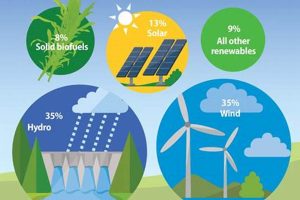
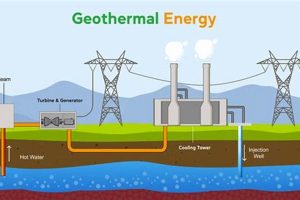
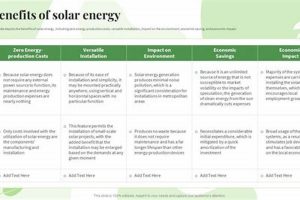
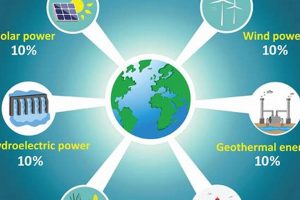
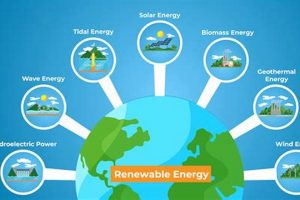
Harnessing power from naturally replenishing resources offers numerous positive outcomes. These methods of energy generation utilize resources such as sunlight, wind, water, and geothermal heat. A key example is solar photovoltaic (PV) systems, which convert sunlight directly into electricity.
The shift towards these energy alternatives yields significant benefits, encompassing environmental protection, economic growth, and enhanced energy security. Historically, reliance on fossil fuels has contributed to pollution and climate change, motivating the search for cleaner alternatives. Embracing these alternatives can reduce greenhouse gas emissions, improve air quality, and decrease dependence on finite and geopolitically sensitive resources.
The ensuing discussion will explore the specific environmental, economic, and social benefits associated with widespread adoption, examining how they contribute to a more sustainable and resilient future. We will delve into aspects like reduced pollution, job creation, and improved public health outcomes stemming from their increased utilization.
Implementing Renewable Energy Strategies
Effective implementation necessitates strategic planning and consistent execution. The following guidelines can aid in optimizing the integration of such energy solutions for individuals, businesses, and communities.
Tip 1: Conduct a Comprehensive Energy Audit: Before investing in renewable energy technologies, a thorough energy audit is essential. This process identifies areas of energy waste and inefficiencies, allowing for targeted improvements that reduce overall energy demand. For example, upgrading insulation or replacing outdated appliances can significantly decrease energy consumption before installing solar panels.
Tip 2: Assess Resource Availability: The feasibility of different renewable energy sources varies based on geographic location and resource availability. Evaluate the solar irradiance levels, wind speeds, or geothermal potential specific to your region. This assessment will inform the selection of the most appropriate and cost-effective technology.
Tip 3: Explore Government Incentives and Rebates: Numerous government programs offer financial incentives, tax credits, and rebates to encourage the adoption of renewable energy systems. Research available programs at the federal, state, and local levels to reduce the initial investment costs.
Tip 4: Prioritize Energy Storage Solutions: Intermittency is a characteristic of some sources like solar and wind power. Integrating energy storage solutions, such as battery systems, can mitigate this issue by storing excess energy generated during peak production periods for use when generation is low.
Tip 5: Ensure Proper Installation and Maintenance: The long-term performance and reliability of renewable energy systems depend on proper installation and regular maintenance. Engage qualified professionals for installation and adhere to recommended maintenance schedules to maximize system efficiency and lifespan.
Tip 6: Consider Community Solar Programs: For individuals unable to install their own systems, community solar programs offer an alternative. These programs allow multiple participants to share the benefits of a single, larger solar array, providing access to renewable energy without individual installation or maintenance responsibilities.
Tip 7: Advocate for Supportive Policies: Support policies that promote the growth and deployment of such energy. This can include advocating for net metering policies, renewable portfolio standards, and carbon pricing mechanisms that incentivize clean energy adoption.
Adopting these strategies can facilitate a smooth and beneficial transition toward a more sustainable and resilient energy future, driving environmental stewardship and economic prosperity.
The subsequent section will summarize the key benefits and future outlook for these energy alternatives.
1. Environmental Preservation

Environmental preservation is intrinsically linked to the implementation and advantages of renewable energy sources. Traditional energy generation methods, particularly those relying on fossil fuels, contribute significantly to environmental degradation through air and water pollution, greenhouse gas emissions, and habitat destruction. These effects can be mitigated or avoided through the adoption of alternative energy forms such as solar, wind, hydroelectric, and geothermal power. The cause-and-effect relationship is clear: fossil fuel use causes environmental harm, while renewable energy use reduces or eliminates this harm. For example, the shift from coal-fired power plants to wind farms directly decreases the release of particulate matter and sulfur dioxide into the atmosphere, leading to improved air quality and reduced respiratory illnesses in affected communities.
The importance of environmental preservation as a component of the advantages for renewable sources is substantial. It extends beyond merely reducing pollution; it encompasses the conservation of biodiversity, the protection of ecosystems, and the mitigation of climate change. These outcomes have far-reaching implications for human health, food security, and economic stability. Consider the deforestation associated with fossil fuel extraction. Renewable alternatives can allow ecosystems to restore themselves as well as providing alternatives to polluting energy.
Understanding the connection between environmental preservation and renewable energy yields practical significance in policy making, investment decisions, and technological innovation. By recognizing the environmental benefits of these sources, governments can implement policies that incentivize their adoption, such as tax credits, carbon pricing, and renewable energy mandates. Furthermore, investors can allocate capital towards projects that align with environmental sustainability goals, fostering a green economy. Finally, this understanding encourages the development of more efficient and environmentally benign renewable energy technologies, maximizing their positive impact and minimizing any potential negative consequences.
2. Energy Security
Energy security, in the context of advantages for renewable sources, refers to a nation’s or region’s ability to consistently access sufficient, affordable, and reliable energy supplies. This concept is increasingly intertwined with the adoption of diverse energy generation methods beyond traditional fossil fuels, as reliance on limited resources often leads to geopolitical vulnerabilities and economic instability. Diversifying the energy portfolio through renewable resources provides a buffer against market fluctuations and supply disruptions.
- Reduced Dependence on Fossil Fuels
Renewable energy sources, such as solar, wind, and geothermal, are domestically available in many regions, diminishing the need to import fossil fuels from potentially unstable or politically sensitive countries. This reduction in reliance strengthens national energy independence and shields economies from the volatility of global energy markets. For instance, countries heavily investing in solar energy can decrease their demand for imported oil and gas, thereby improving their trade balance and national security.
- Decentralized Energy Generation
Renewable energy systems often facilitate decentralized energy generation through distributed solar, wind, and micro-hydro installations. This distribution reduces reliance on centralized power plants and extensive transmission networks, which are vulnerable to disruptions from natural disasters, cyberattacks, or infrastructure failures. A distributed energy system enhances resilience by ensuring that multiple localized sources can continue providing power even if a portion of the grid is compromised.
- Price Stability
Once renewable energy infrastructure is established, the operating costs are relatively stable, primarily consisting of maintenance expenses. The price of sunlight, wind, or geothermal heat is essentially free, unlike fossil fuels, where extraction, processing, and transportation costs are subject to market fluctuations and geopolitical events. The predictable cost structure of renewable energy provides greater price stability for consumers and businesses, aiding long-term planning and investment decisions.
- Resilience to Climate Change
Climate change poses a growing threat to energy infrastructure, with extreme weather events like hurricanes, floods, and droughts causing disruptions to fossil fuel extraction, transportation, and power generation. Renewable energy systems, particularly those that are decentralized and resilient, can withstand these impacts more effectively. For example, distributed solar installations coupled with energy storage can provide backup power during grid outages caused by severe weather, ensuring critical services remain operational.
In conclusion, advantages for renewable sources significantly bolster energy security by reducing dependence on volatile fossil fuel markets, fostering decentralized energy generation, providing price stability, and enhancing resilience to climate change. These factors collectively contribute to a more secure, sustainable, and economically viable energy future, safeguarding nations against geopolitical risks and environmental vulnerabilities. The transition to renewable energy is not only an environmental imperative but also a strategic necessity for ensuring long-term energy security and stability.
3. Economic Growth

Economic growth, when viewed in conjunction with the advantages for renewable sources, reveals a multifaceted relationship wherein increased adoption of these energy alternatives catalyzes diverse sectors and fosters financial prosperity. The following facets illuminate this connection, highlighting the tangible economic benefits derived from renewable energy deployment.
- Job Creation in Manufacturing and Installation
The renewable energy sector generates employment opportunities across the manufacturing, installation, and maintenance phases. Establishing solar panel factories, wind turbine assembly plants, and hydroelectric facilities creates manufacturing jobs. Subsequently, installing and maintaining these systems requires a skilled workforce, further expanding employment possibilities. For example, the installation of solar farms in rural areas can provide jobs and income in regions where traditional industries are declining, promoting economic revitalization. These employment opportunities reduce unemployment rates and contribute to local economic stability.
- Stimulation of Technological Innovation
The pursuit of more efficient and cost-effective renewable energy technologies drives innovation across various fields, including materials science, engineering, and energy storage. This innovation leads to the development of new products and services, creating economic opportunities for entrepreneurs and established companies alike. For instance, advancements in battery technology, spurred by the need for reliable energy storage, have applications beyond the renewable energy sector, benefiting electric vehicles, portable electronics, and grid stabilization, thereby diversifying the economy.
- Attraction of Investment and Capital
Renewable energy projects often attract significant private and public investment, stimulating economic activity and infrastructure development. Investors, recognizing the long-term growth potential of the sector, allocate capital to renewable energy companies and projects, fueling expansion and innovation. Government incentives, such as tax credits and feed-in tariffs, can further incentivize investment, creating a virtuous cycle of economic growth. An example is the growth of venture capital funding for start-ups developing advanced solar technologies, leading to increased research and development and, eventually, commercialization of new energy solutions.
- Reduced Energy Costs and Increased Competitiveness
As renewable energy technologies become more efficient and widespread, the cost of energy can decrease, benefiting consumers and businesses. Lower energy costs enhance the competitiveness of industries that rely heavily on electricity, allowing them to reduce operating expenses and increase profitability. This can attract new businesses to a region, further stimulating economic growth. For example, manufacturers in areas with abundant and affordable renewable energy may gain a competitive edge over those in regions with higher energy costs, leading to increased production and job creation.
These facets illustrate how advantages for renewable sources are inextricably linked to economic expansion. By fostering job creation, stimulating innovation, attracting investment, and reducing energy costs, renewable energy technologies contribute to a more resilient, prosperous, and sustainable economy. The continued deployment of renewable energy represents a strategic investment in long-term economic growth, benefiting both current and future generations.
4. Reduced Emissions

The fundamental linkage between reduced emissions and advantages for renewable sources lies in their inverse relationship. The utilization of solar, wind, hydro, and geothermal energy alternatives directly displaces the need for fossil fuels, which are primary contributors to atmospheric pollution. This displacement manifests as a measurable reduction in greenhouse gas emissions, including carbon dioxide, methane, and nitrous oxide, as well as air pollutants like particulate matter and sulfur dioxide. For instance, replacing a coal-fired power plant with a solar farm effectively eliminates the continuous release of harmful pollutants into the atmosphere, improving air quality and mitigating climate change effects.
The importance of reduced emissions as a component of the advantages for renewable sources is substantial due to the pervasive environmental and public health consequences of air pollution and climate change. Lowering emissions leads to a decrease in respiratory illnesses, cardiovascular diseases, and other health problems associated with air pollution. Furthermore, it contributes to mitigating the impacts of climate change, such as rising sea levels, extreme weather events, and disruptions to ecosystems. European Union policies promoting renewable energy adoption exemplify this understanding; the resulting decline in fossil fuel usage directly correlates with a measurable decrease in the regions overall greenhouse gas emissions. This demonstrates the practical significance of integrating renewable resources to achieve emission reduction targets and improve public health.
Understanding the link between these two factors is essential for informed policy decisions, investment strategies, and technological advancements. Governments can create incentives, such as carbon pricing mechanisms and renewable energy mandates, to encourage the transition to clean energy sources. Investment can be strategically directed towards the development and deployment of more efficient and cost-effective renewable technologies. Additionally, this understanding fosters the development of energy storage solutions to address intermittency challenges, further enhancing the capabilities of renewable energy systems to replace fossil fuels. In summary, the correlation between reduced emissions and the advantages of renewable sources underscores their critical role in achieving environmental sustainability, safeguarding public health, and promoting a more resilient energy future.
5. Resource Availability
Resource availability, when considered alongside the advantages for renewable sources, reveals a complex interplay influencing the feasibility, cost-effectiveness, and sustainability of various energy generation methods. The geographical distribution and inherent characteristics of natural resources determine the potential for harnessing renewable energy at specific locations, subsequently shaping the derived advantages.
- Geographic Distribution and Potential
The uneven distribution of renewable resources dictates the viability of different technologies across regions. Solar irradiance levels, wind patterns, geothermal gradients, and hydrological characteristics vary significantly, impacting the energy output and economic efficiency of corresponding technologies. For instance, arid regions with high solar irradiance are well-suited for photovoltaic power generation, while coastal areas with consistent wind speeds are ideal for wind farms. The geographically specific nature of resource availability necessitates tailored energy strategies to maximize the potential advantages of renewable sources.
- Intermittency and Variability
Certain renewable resources, notably solar and wind, exhibit intermittency and variability due to weather patterns and diurnal cycles. This characteristic presents challenges for grid stability and energy supply reliability. Energy storage solutions, such as batteries or pumped hydro storage, are often required to mitigate the effects of intermittency and ensure a consistent energy supply. The need for energy storage adds complexity and cost to renewable energy systems, influencing the overall economic advantages derived from their deployment.
- Land Use and Environmental Impact
The deployment of renewable energy technologies often necessitates significant land use, which can have environmental and social consequences. Large-scale solar farms or wind farms may impact natural habitats, agricultural land, or scenic landscapes. Hydropower projects can alter river ecosystems and displace communities. Careful planning and environmental impact assessments are crucial to minimize negative consequences and ensure the sustainable development of renewable energy resources. Balancing the benefits of renewable energy with potential environmental impacts is essential for realizing the overall advantages of these energy sources.
- Material Resources and Supply Chains
The manufacturing of renewable energy technologies requires specific materials, such as silicon for solar panels, rare earth elements for wind turbines, and lithium for batteries. The availability and cost of these materials, as well as the stability of associated supply chains, can influence the economic viability of renewable energy projects. Diversifying material sources, promoting recycling and reuse, and developing alternative materials are strategies to mitigate supply chain risks and ensure the long-term sustainability of renewable energy industries.
The interplay between resource availability and advantages for renewable sources underscores the importance of strategic planning, technological innovation, and sustainable development practices. By understanding the geographical constraints, addressing intermittency challenges, minimizing environmental impacts, and securing material resources, societies can effectively harness the potential of renewable energy to achieve environmental, economic, and social benefits. Tailoring energy strategies to local resource endowments and investing in energy storage technologies are crucial steps towards realizing the full advantages of renewable energy sources.
Frequently Asked Questions
This section addresses common inquiries regarding the advantages for renewable sources, providing clear and concise answers based on current understanding and research.
Question 1: What are the primary environmental advantages for renewable sources compared to fossil fuels?
The primary environmental benefit stems from the drastically reduced emissions of greenhouse gases and air pollutants. Unlike fossil fuels, such as coal and natural gas, solar, wind, hydro, and geothermal energy sources produce minimal or no emissions during operation, mitigating climate change and improving air quality.
Question 2: How do renewable energy sources contribute to energy security?
Renewable energy sources enhance energy security by reducing dependence on imported fossil fuels, which are subject to price volatility and geopolitical instability. The geographically diverse distribution of renewable resources allows countries to generate energy domestically, increasing self-sufficiency and resilience to global energy market disruptions.
Question 3: What economic benefits arise from investing in renewable energy infrastructure?
Investment in renewable energy stimulates economic growth through job creation in manufacturing, installation, and maintenance sectors. It also fosters technological innovation and attracts capital investment, creating new business opportunities and driving economic diversification. Reduced energy costs resulting from renewable energy adoption can enhance the competitiveness of industries.
Question 4: How reliable are renewable energy sources, considering their intermittent nature?
The intermittency of solar and wind energy poses challenges to grid reliability. However, advancements in energy storage technologies, such as batteries and pumped hydro storage, mitigate this issue by storing excess energy for use during periods of low generation. Furthermore, grid modernization and diversification of renewable energy sources enhance overall grid stability.
Question 5: Are renewable energy sources truly sustainable, considering the resources required for their manufacturing and deployment?
While the manufacturing of renewable energy technologies requires materials and energy, the overall environmental impact is significantly lower than that of fossil fuel-based energy systems. Sustainable practices, such as recycling and responsible sourcing of materials, are crucial for minimizing the environmental footprint of renewable energy technologies and ensuring their long-term sustainability.
Question 6: Can renewable energy sources meet the global energy demand?
Studies indicate that renewable energy sources have the potential to meet a substantial portion, and potentially all, of the global energy demand. Achieving this requires significant investment in renewable energy infrastructure, technological innovation, and supportive policy frameworks. A diversified mix of renewable energy sources, coupled with energy efficiency measures, is essential for transitioning to a sustainable energy future.
In summary, the advantages for renewable sources encompass environmental preservation, enhanced energy security, economic growth, and reduced emissions, all of which contribute to a more sustainable and resilient future. Overcoming challenges related to intermittency, resource availability, and material supply chains requires ongoing innovation and strategic planning.
The subsequent discussion will explore the future outlook for renewable energy technologies and their role in shaping the global energy landscape.
Conclusion
The preceding analysis has illuminated the multifaceted nature of advantages for renewable sources. Examination of their impact on environmental preservation, energy security, economic growth, emissions reduction, and resource availability reveals a compelling case for their expanded deployment. The substitution of fossil fuels with renewable alternatives demonstrates a direct correlation with decreased pollution and climate change mitigation.
The long-term implications of transitioning to a renewable energy-dominated system warrant serious consideration by policymakers, investors, and individuals. Prioritizing research, development, and implementation efforts is essential to realize the full potential of these energy resources and safeguard the well-being of future generations. Continued commitment to this transition represents a critical step toward a sustainable and resilient global energy future.