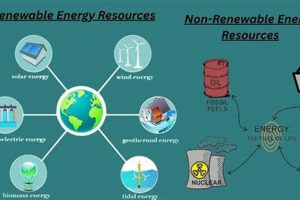
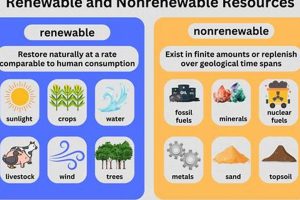
Fossil fuels and nuclear fuels represent finite sources of power generation. These materials, formed over millions of years or extracted from inherently limited reserves, stand in contrast to resources that can be replenished within a human lifespan. Their utilization involves extracting energy from a fixed quantity of material, diminishing the overall supply with each use. Examples include coal, derived from ancient plant matter, and uranium, a radioactive element mined from the earth.
These resources have historically played a crucial role in industrial development and global energy provision. Their high energy density and established infrastructure for extraction, processing, and distribution have made them dominant players in the energy sector. However, their use is associated with environmental concerns, including greenhouse gas emissions and radioactive waste disposal, prompting a growing focus on alternative energy solutions.
The subsequent sections will delve into the specific characteristics, environmental impacts, and future prospects of relying on these limited energy supplies, as well as explore the potential of renewable alternatives to address the evolving needs of a global society.
Strategic Considerations for Limited Energy Assets
The prudent management of exhaustible power materials requires careful planning and responsible implementation across various sectors. The following recommendations aim to optimize their utilization and mitigate associated risks.
Tip 1: Diversify Energy Portfolio: Reducing reliance on single source is crucial. Governments and industries should invest in a variety of sources, including renewable options, to enhance energy security and mitigate price volatility.
Tip 2: Enhance Energy Efficiency: Implementing technologies and practices that minimize energy consumption is essential. This includes improving building insulation, utilizing more efficient appliances, and optimizing industrial processes.
Tip 3: Invest in Carbon Capture and Storage: Development and deployment of technologies designed to trap CO2 emissions from power plants and industrial facilities are important. This can help reduce the environmental impact of their utilization.
Tip 4: Implement Stringent Environmental Regulations: Enforcing regulations on emissions and waste disposal is vital. These regulations should be regularly reviewed and updated to reflect advancements in environmental science and technology.
Tip 5: Promote Responsible Resource Extraction: Employing sustainable extraction methods that minimize environmental disruption and ensure the long-term availability of these materials is key. This includes reducing habitat destruction and preventing water contamination.
Tip 6: Encourage Public Awareness and Education: Raising public awareness about the importance of energy conservation and the environmental consequences of their use is crucial. This can promote responsible consumption habits and support for sustainable energy policies.
Tip 7: Foster International Cooperation: Collaborative efforts among nations are necessary. Sharing best practices and coordinating policies can facilitate a more sustainable and equitable global energy system.
Effective implementation of these strategies will contribute to a more sustainable and responsible approach to energy resource management, mitigating the risks associated with reliance on finite sources and paving the way for a transition to a cleaner energy future.
The final section will offer a concluding perspective on the future of energy, synthesizing the key themes discussed and outlining potential pathways toward a more sustainable energy landscape.
1. Resource Depletion

Resource depletion is an inherent characteristic, defining their finite nature and long-term availability. These substances, formed over geological timescales, are extracted at rates exceeding their natural replenishment, leading to a progressive reduction in accessible reserves. This depletion manifests in rising extraction costs, lower energy returns on investment, and ultimately, the exhaustion of economically viable sources. For example, readily accessible, high-quality oil deposits are becoming scarcer, requiring the development of more complex and expensive extraction methods like deep-sea drilling or fracking, further straining environmental resources and increasing costs.
The impact of depletion extends beyond simple scarcity. It triggers geopolitical tensions as nations compete for access to dwindling resources, influences economic policies as governments attempt to manage energy security, and motivates technological innovation aimed at either extending the lifespan of existing supplies or developing alternative energy sources. Consider the global competition for uranium resources, crucial for nuclear power, driving international collaborations and strategic alliances, and also the ongoing efforts to improve coal-fired power plant efficiency, despite recognizing coal’s long-term unsustainability. These are reactions directly tied to concerns about depletion.
Understanding the implications of resource depletion is critical for developing sustainable energy strategies. Recognizing that existing finite reserves are limited necessitates investment in renewable energy technologies, energy conservation measures, and international collaborations focused on responsible resource management. Failure to address the challenge of depletion could lead to energy price shocks, increased geopolitical instability, and ultimately, hindered economic development, emphasizing the urgent need for proactive and comprehensive approaches.
2. Environmental Impact

The extraction and utilization of exhaustible energy materials exert substantial environmental consequences, establishing a direct causal link between the nature of these resources and ecological degradation. These materials, by their nature, are often extracted and processed through methods that disrupt ecosystems, pollute air and water, and contribute significantly to greenhouse gas emissions. The significance of the environmental impact is intrinsically linked to the reliance on such sources, serving as a critical component that cannot be disregarded when evaluating the overall viability and sustainability of energy systems. For instance, coal mining, a prevalent method for accessing coal reserves, frequently results in habitat destruction, soil erosion, and water contamination due to acid mine drainage. Simultaneously, the combustion of coal releases significant quantities of carbon dioxide, sulfur dioxide, and particulate matter into the atmosphere, contributing to climate change and respiratory health problems.
Further analysis reveals that the environmental impacts are multifaceted and interconnected. Oil extraction, whether through conventional drilling or methods like fracking, carries the risk of oil spills, groundwater contamination, and seismic activity. The burning of petroleum-based fuels in transportation and industry is a major source of smog and air pollution, impacting human health and contributing to the acidification of oceans. In the case of nuclear fuels, while nuclear power generation does not directly produce greenhouse gases, the mining of uranium ore and the disposal of radioactive waste present significant environmental challenges. The long-term storage of nuclear waste requires meticulous management to prevent contamination of soil and water resources, adding a complex dimension to the environmental burden associated with this energy source.
In summary, a comprehensive understanding of the environmental impact arising from the exploitation of exhaustible energy resources is paramount. Recognizing the multifaceted consequences, from ecosystem disruption to atmospheric pollution and waste management challenges, is essential for informing policy decisions, promoting sustainable energy alternatives, and mitigating the risks associated with the continued reliance on these limited energy supplies. The practical significance lies in the urgent need to transition towards cleaner, renewable energy sources and to implement stringent environmental regulations that minimize the adverse effects associated with the extraction, processing, and utilization of exhaustible energy materials.
3. Geopolitical Influence

The distribution and control of fossil fuels and nuclear fuels are inextricably linked to global power dynamics, shaping international relations, economic alliances, and strategic military considerations. Access to, or control over, these critical resources grants nations significant geopolitical leverage, influencing their foreign policy and international standing.
- Resource Control and Leverage
Nations possessing substantial reserves of these fuels often wield considerable influence on the global stage. They can leverage their resource wealth to negotiate favorable trade agreements, exert political pressure on consuming nations, and fund their own domestic and foreign policy agendas. Examples include the influence of OPEC (Organization of the Petroleum Exporting Countries) in regulating oil prices and the strategic importance of Russia as a major supplier of natural gas to Europe.
- Energy Security and Alliances
Countries heavily reliant on imports to meet their energy demands are vulnerable to supply disruptions and price volatility. This vulnerability drives them to forge strategic alliances with resource-rich nations, often entailing political and economic concessions. The United States, for instance, maintains close ties with several Middle Eastern oil producers to ensure a stable supply of petroleum, demonstrating how dependence shapes foreign policy.
- Conflict and Instability
Regions rich in these valuable substances are often prone to conflict and instability, fueled by competition for resource control, internal power struggles, and external intervention. The Niger Delta, a major oil-producing region in Nigeria, has been plagued by violence and environmental degradation due to competing claims over oil resources, illustrating the destabilizing effect resource wealth can have.
- Resource Nationalism and Sovereignty
Many nations seek to assert greater control over their resources through nationalization, restrictive regulations, or renegotiation of contracts with foreign companies. This resource nationalism can lead to disputes with multinational corporations and consuming nations, as seen in the ongoing debates over energy rights in the Arctic region, where competing territorial claims intersect with vast untapped reserves of oil and gas.
The intersection of geopolitical influence and dependence on limited energy sources underscores the urgent need for diversification through renewable energy technologies. Reducing reliance on geographically concentrated reserves of such energy resources will lessen vulnerability to geopolitical pressures, foster greater energy security, and promote a more stable and equitable global order.
4. Economic Volatility

The prices associated with fossil fuels and nuclear fuels are characterized by significant instability, introducing substantial uncertainty into energy markets and impacting various sectors of the economy. These fluctuations stem from a complex interplay of factors, making prediction difficult and long-term economic planning challenging.
- Supply Disruptions
Unforeseen events such as geopolitical conflicts, natural disasters, or infrastructure failures can significantly curtail production or transportation of these fuels, leading to rapid price spikes. For example, disruptions to oil supply in the Middle East have historically triggered increases in global oil prices, impacting transportation costs, manufacturing expenses, and consumer spending worldwide.
- Demand Fluctuations
Changes in global economic activity, seasonal variations in energy consumption, and shifts in consumer behavior can influence the demand for these fuels, leading to price swings. A surge in demand from rapidly industrializing nations can strain existing supply chains, while a global economic recession can depress demand and push prices downward. Weather patterns also play a role, with harsh winters driving up demand for heating fuels and impacting prices.
- Geopolitical Instability
Political tensions, sanctions, and trade disputes involving resource-rich nations can disrupt supply chains and trigger price volatility. International relations and policy changes often impact resource prices and availability. For instance, international sanctions imposed on major oil-producing countries have restricted supply, resulting in increased prices and market uncertainty.
- Market Speculation
Financial market participants, including hedge funds and commodity traders, engage in speculative activities that can amplify price swings. Trading based on anticipated future supply or demand can drive prices beyond what is justified by underlying fundamentals. Significant speculative trading in oil futures markets often contributes to price fluctuations, creating challenges for businesses and consumers who rely on stable energy prices.
These facets of economic volatility associated with finite energy assets collectively create a climate of uncertainty. This uncertainty impacts investment decisions in energy infrastructure, distorts consumer behavior, and poses challenges for governments seeking to ensure energy security and promote stable economic growth. The inherent volatility of these resources underscores the importance of diversifying energy sources and transitioning towards more stable, renewable alternatives.
5. Technological Dependence

Reliance on fossil and nuclear energy sources necessitates a complex technological infrastructure for extraction, processing, transportation, and energy generation. The continued viability of these resources is intrinsically linked to advancements in technology, forming a cycle of dependence that shapes their economic and environmental impact.
- Advanced Extraction Techniques
The extraction of fossil fuels, particularly oil and natural gas, increasingly relies on sophisticated technologies to access reserves in challenging environments. Deep-sea drilling, hydraulic fracturing (fracking), and enhanced oil recovery methods are employed to tap into previously inaccessible deposits. These technologies often involve high capital investment and carry significant environmental risks, including the potential for oil spills, groundwater contamination, and induced seismicity.
- Nuclear Fuel Enrichment and Reactor Technology
Nuclear power generation depends on advanced technologies for uranium enrichment, reactor design, and nuclear waste management. Uranium enrichment increases the concentration of fissile isotopes, enabling efficient nuclear fission. Reactor technologies must ensure safe and controlled nuclear reactions, while waste management involves the long-term storage and disposal of radioactive materials. The complexity and cost of these technologies pose significant barriers to entry for some nations and require stringent safety regulations.
- Refining and Processing Infrastructure
Crude oil and natural gas require extensive refining and processing to produce usable fuels and petrochemical products. Refineries utilize complex chemical processes, including distillation, cracking, and reforming, to separate and upgrade hydrocarbon streams. The operation of these facilities requires specialized equipment, skilled personnel, and significant energy inputs. Similarly, the transportation of these fuels relies on pipelines, tankers, and rail networks, demanding robust infrastructure and safety measures.
- Pollution Control Technologies
Mitigating the environmental impact of fossil fuel combustion requires the implementation of pollution control technologies. Flue gas desulfurization (FGD) systems remove sulfur dioxide from power plant emissions, while selective catalytic reduction (SCR) systems reduce nitrogen oxide emissions. Carbon capture and storage (CCS) technologies aim to capture carbon dioxide from industrial sources and store it underground, although their widespread deployment remains a challenge. These technologies add to the capital and operating costs of fossil fuel-based power generation.
The reliance on advanced technologies for the utilization of fossil and nuclear fuels highlights the inherent vulnerabilities and costs associated with these energy sources. While technological advancements may extend the lifespan of these resources or mitigate some of their environmental impacts, they do not eliminate the fundamental limitations of finite reserves and the potential for environmental harm. A transition toward renewable energy technologies offers the opportunity to reduce reliance on complex and costly technological dependencies, fostering a more sustainable and resilient energy future.
Frequently Asked Questions about Finite Energy Sources
The following section addresses common inquiries regarding energy sources extracted from depletable reserves. It aims to provide clarity on aspects related to their utilization, environmental consequences, and future implications.
Question 1: What distinguishes a finite energy resource from a renewable energy resource?
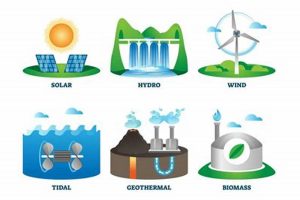
A finite energy resource, such as fossil fuel or nuclear fuel, is characterized by a fixed supply formed over geological timescales or extracted from naturally limited reserves. Conversely, a renewable energy resource is replenished on a human timescale through natural processes. Solar, wind, and hydro power are examples of renewable resources.
Question 2: Why are these types of energy sources still so prevalent despite environmental concerns?
These materials possess high energy density and benefit from established extraction, processing, and distribution infrastructure. This infrastructure provides a cost-effective means of meeting substantial energy demands, particularly in rapidly industrializing nations. The transition to renewable energy sources requires significant investment and technological advancements.
Question 3: What are the primary environmental consequences associated with the use of these materials?
The environmental impacts include greenhouse gas emissions contributing to climate change, air and water pollution resulting from extraction and combustion, habitat destruction due to mining activities, and the challenges associated with the long-term disposal of radioactive waste from nuclear power generation.
Question 4: How does the limited availability of these materials affect global geopolitics?
The control and distribution of these resources influence international relations, creating dependencies, fostering alliances, and exacerbating conflicts. Nations possessing substantial reserves wield significant geopolitical leverage, while those reliant on imports are vulnerable to supply disruptions and price volatility.
Question 5: What measures can be taken to mitigate the environmental impact of utilizing these materials?
Mitigation strategies include improving energy efficiency to reduce consumption, deploying carbon capture and storage technologies to trap emissions, implementing stringent environmental regulations on extraction and emissions, and promoting responsible resource management practices to minimize ecological disruption.
Question 6: What is the long-term outlook for the utilization of these materials in the global energy mix?
The long-term outlook anticipates a gradual decline in reliance on these sources as renewable energy technologies become more cost-competitive and concerns over environmental sustainability intensify. The pace of transition will depend on technological advancements, policy decisions, and the evolving economic landscape.
Effective management of and transition away from these materials is crucial for a more sustainable energy future.
Finite Energy Resources
The preceding analysis has explored the characteristics, challenges, and implications associated with the utilization of energy sources extracted from finite reserves. Emphasis has been placed on resource depletion, environmental impact, geopolitical influence, economic volatility, and technological dependence, underscoring the complex web of factors influencing their role in the global energy landscape. A comprehensive understanding of these aspects is crucial for informed decision-making and strategic planning.
Acknowledging the inherent limitations and risks linked to the continued reliance on these materials necessitates a concerted effort to transition towards sustainable alternatives. The path forward requires a multi-faceted approach encompassing technological innovation, policy reform, and international cooperation, with the ultimate goal of securing a reliable, affordable, and environmentally responsible energy future for generations to come. Failure to address these challenges proactively will perpetuate existing vulnerabilities and impede progress towards a more sustainable global energy system.