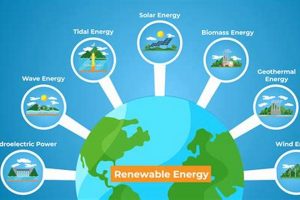
Harnessing power from natural processes, like sunlight, wind, and water, offers a pathway to a sustainable energy future. However, this transition is not without its challenges. These hurdles include limitations in current technologies, economic considerations, and environmental impacts associated with deployment.
Addressing these limitations is crucial for widespread adoption. Renewable energy offers long-term environmental and economic benefits, reducing reliance on finite fossil fuels and mitigating climate change. Historically, the development and implementation of these sources have been spurred by environmental concerns, energy security needs, and technological advancements. Overcoming the practical barriers will unlock the full potential of these resources.
The following sections delve into specific areas where renewable energy sources face difficulties, including intermittency, land use implications, initial investment costs, infrastructure requirements, and the environmental effects of manufacturing and deployment.
Mitigating the Challenges of Renewable Energy Implementation
Addressing the inherent obstacles associated with renewable energy technologies requires careful planning and strategic investment. Focused efforts can minimize negative impacts and maximize the efficacy of these resources.
Tip 1: Enhance Energy Storage Solutions: The intermittent nature of solar and wind power necessitates robust energy storage. Investment in advanced battery technologies, pumped hydro storage, and other storage methods is crucial for reliable grid operation.
Tip 2: Diversify Renewable Energy Portfolio: Relying solely on a single renewable source increases vulnerability to resource variability. Combining solar, wind, hydro, and geothermal energy sources creates a more resilient and consistent energy supply.
Tip 3: Optimize Land Use Planning: Minimizing the land footprint of renewable energy facilities requires careful site selection and efficient design. Prioritizing brownfield sites, rooftops, and co-location opportunities reduces environmental impact.
Tip 4: Invest in Grid Modernization: Existing grid infrastructure may be inadequate to handle the influx of renewable energy. Upgrading transmission lines, implementing smart grid technologies, and improving grid flexibility are essential.
Tip 5: Develop Sustainable Manufacturing Practices: The production of solar panels, wind turbines, and batteries can have environmental consequences. Implementing sustainable manufacturing processes, promoting recycling, and minimizing waste are critical.
Tip 6: Streamline Permitting and Regulatory Processes: Lengthy and complex permitting processes can hinder renewable energy development. Simplifying regulations and streamlining approvals can accelerate deployment without compromising environmental safeguards.
Tip 7: Promote Community Engagement and Education: Addressing public concerns about visual impact, noise pollution, and other potential drawbacks through proactive engagement and education fosters acceptance and support for renewable energy projects.
Addressing these concerns through proactive measures and strategic planning will pave the way for a more sustainable and reliable energy future, leveraging the benefits of renewable energy while mitigating potential negative impacts.
The subsequent sections will provide a final synthesis of the key considerations surrounding renewable energy implementation.
1. Intermittency

Intermittency stands as a primary concern when considering the incorporation of renewable energy sources into established grid systems. Unlike fossil fuel or nuclear power plants that offer consistent energy output, many renewable technologies, particularly solar and wind, generate power only when their respective resources are available. This inherent variability presents significant challenges for grid stability and reliability.
- Variability and Predictability
The fluctuating nature of sunlight and wind directly impacts the power output of solar and wind farms. While weather forecasting can provide some level of predictability, unforeseen atmospheric changes can cause sudden drops in energy generation. This variability demands sophisticated grid management strategies to compensate for unpredictable output swings.
- Impact on Grid Stability
The influx of intermittent renewable energy into the grid can destabilize voltage and frequency, potentially leading to blackouts. Grid operators must constantly balance supply and demand; the unpredictable nature of renewable sources complicates this task. Integrating intermittent sources requires substantial upgrades to grid infrastructure and the implementation of advanced control systems.
- Need for Backup Power Sources
To ensure a continuous power supply, intermittent renewable energy sources often require backup power generation, typically from fossil fuel-based plants. This reliance on conventional sources diminishes the environmental benefits of renewable energy and introduces additional costs. Developing cost-effective and environmentally sound energy storage solutions is crucial for reducing reliance on fossil fuel backups.
- Geographic Limitations
The intermittency issue is compounded by the geographic distribution of renewable resources. Areas with abundant sunlight or strong winds may be located far from population centers, necessitating long-distance transmission infrastructure. Transmission losses and infrastructure costs further exacerbate the challenges associated with intermittency. Developing distributed generation systems and local energy storage solutions can mitigate these geographic limitations.
In conclusion, the intermittent nature of solar and wind power presents a considerable hurdle to their widespread adoption. Addressing these challenges requires investment in energy storage technologies, grid modernization, improved forecasting capabilities, and strategic geographic deployment. Overcoming intermittency is essential for realizing the full potential of renewable energy sources and achieving a sustainable energy future.
2. High Initial Costs

The substantial upfront capital investment required for renewable energy projects presents a significant economic barrier, contributing directly to the multifaceted disadvantages associated with these technologies. These high initial costs can deter both private and public investment, slowing the transition to a cleaner energy future.
- Manufacturing and Equipment Expenses
The production of solar panels, wind turbines, and other renewable energy technologies involves specialized manufacturing processes and the use of advanced materials. These processes often require significant capital investment in factories, equipment, and skilled labor. For example, a single utility-scale wind turbine can cost several million dollars, excluding installation. These high manufacturing costs are directly reflected in the overall project expenses.
- Infrastructure Development
Building the infrastructure necessary to support renewable energy projects, such as transmission lines to connect remote solar or wind farms to the grid, adds significantly to the initial investment. The construction of new transmission lines often involves complex permitting processes, land acquisition, and environmental impact assessments, further increasing costs. Moreover, upgrades to existing grid infrastructure are frequently needed to accommodate the variable nature of renewable energy sources.
- Financing and Investment Hurdles
Securing financing for renewable energy projects can be challenging due to the large upfront capital requirements and perceived risks associated with new technologies. Investors may be hesitant to commit significant funds to projects with long payback periods or uncertain revenue streams. This can lead to higher interest rates and stricter loan terms, further increasing the overall cost of the project and making it less economically viable.
- Scale of Projects and Economies of Scale
While renewable energy technologies often benefit from economies of scale, achieving these efficiencies requires large-scale projects. Smaller-scale projects, which may be more suitable for individual communities or businesses, often face higher per-unit costs due to the lack of economies of scale. This can make it difficult for smaller entities to adopt renewable energy solutions, hindering the widespread deployment of these technologies.
The high initial costs associated with renewable energy technologies represent a major impediment to their widespread adoption. These expenses, encompassing manufacturing, infrastructure, financing, and scale-related challenges, require innovative policy solutions, technological advancements, and strategic investment to overcome. Addressing these economic barriers is critical for unlocking the full potential of renewable energy sources and achieving a sustainable energy transition.
3. Land Use Impacts

Land use impacts represent a significant consideration when evaluating the overall viability and sustainability of renewable energy sources. While these technologies offer a pathway to reducing reliance on fossil fuels, their deployment can require substantial land areas, potentially leading to environmental consequences and resource conflicts. Careful planning and mitigation strategies are essential to minimize these effects.
- Habitat Disruption and Ecosystem Fragmentation
Large-scale solar farms and wind turbine installations can significantly alter natural habitats, displacing wildlife and fragmenting ecosystems. The construction of access roads and transmission lines further exacerbates habitat loss. For instance, the development of a large solar farm in a desert environment can disrupt the fragile ecosystem, impacting endangered species. Mitigation strategies, such as habitat restoration and wildlife corridors, are crucial for minimizing these impacts.
- Aesthetic Considerations and Visual Impact
The visual impact of renewable energy infrastructure can be a point of contention, particularly in areas with scenic landscapes or cultural significance. Large wind turbine arrays and expansive solar farms can alter the aesthetic character of a region, leading to opposition from local communities. Balancing the need for renewable energy with the preservation of visual amenities requires careful site selection and community engagement. Visual screening and thoughtful design can help mitigate these concerns.
- Agricultural Land Conversion
The siting of renewable energy facilities can sometimes lead to the conversion of agricultural land, impacting food production and local economies. Solar farms, in particular, can occupy large tracts of land that might otherwise be used for farming or grazing. Careful land use planning is essential to minimize the encroachment of renewable energy projects on productive agricultural areas. Co-location strategies, such as integrating solar panels into existing agricultural operations (agrivoltaics), can help mitigate this conflict.
- Resource Competition and Water Usage
The construction and operation of some renewable energy facilities can compete with other land uses, such as forestry, mining, or recreational activities. Additionally, certain renewable energy technologies, such as concentrated solar power (CSP), require significant amounts of water for cooling, potentially straining local water resources. Sustainable water management practices and alternative cooling technologies are essential for minimizing the water footprint of these facilities. Careful resource assessment and integrated planning can help avoid resource conflicts.
These land use implications underscore the importance of holistic environmental assessments and thoughtful planning in the deployment of renewable energy technologies. Mitigating habitat disruption, addressing aesthetic concerns, minimizing agricultural land conversion, and managing resource competition are essential for ensuring the long-term sustainability and social acceptability of renewable energy projects. Effective mitigation strategies, coupled with robust regulatory frameworks, are critical for balancing the benefits of renewable energy with the need to protect natural resources and local communities.
4. Storage Challenges

The inherent intermittency of many renewable energy sources, such as solar and wind power, necessitates effective energy storage solutions. The absence of reliable and cost-effective storage directly exacerbates the practical issues associated with integrating these sources into existing energy grids, significantly contributing to the overall disadvantages experienced with renewable energy.
- Economic Viability of Storage Technologies
The current cost of energy storage technologies, including batteries, pumped hydro, and compressed air energy storage, remains a significant economic hurdle. While prices are declining, large-scale deployment of these systems to effectively manage renewable energy fluctuations requires substantial capital investment. This financial burden increases the overall cost of renewable energy projects, making them less competitive with traditional fossil fuel-based power generation.
- Technological Limitations of Current Storage Solutions
Existing energy storage technologies exhibit limitations in terms of energy density, lifespan, and discharge rates. Batteries, for example, may degrade over time, reducing their storage capacity and requiring eventual replacement. Pumped hydro storage is geographically constrained by the availability of suitable terrain and water resources. These technological limitations restrict the scalability and widespread applicability of current storage solutions.
- Grid Integration and Stability Issues
Integrating large-scale energy storage systems into existing power grids presents technical challenges related to grid stability and control. The rapid charging and discharging of storage devices can introduce voltage and frequency fluctuations, potentially destabilizing the grid. Advanced grid management systems and control algorithms are required to effectively manage these fluctuations and ensure reliable grid operation.
- Environmental Impacts of Storage Materials and Manufacturing
The production of energy storage devices, particularly batteries, can have environmental consequences related to the extraction and processing of raw materials. Lithium-ion batteries, for example, require the mining of lithium, cobalt, and other rare earth elements, which can have significant environmental impacts. The manufacturing processes themselves can also generate pollution and greenhouse gas emissions. Sustainable material sourcing and manufacturing practices are essential for minimizing the environmental footprint of energy storage technologies.
These storage-related issues directly impact the feasibility and cost-effectiveness of renewable energy integration. Without advancements in storage technologies and reductions in costs, the intermittent nature of renewable sources will continue to pose a significant challenge, hindering their ability to provide a reliable and affordable alternative to fossil fuels. Addressing these limitations is crucial for realizing the full potential of renewable energy and mitigating the environmental and economic disadvantages associated with their implementation.
5. Grid Integration

The integration of renewable energy sources into existing electrical grids presents a significant challenge, directly contributing to the overall disadvantages associated with these technologies. Unlike traditional power plants that offer predictable and dispatchable energy, many renewable sources, such as solar and wind, generate power intermittently and are often located in remote areas. This disparity creates substantial technical and economic hurdles for grid operators.
One major consequence is the need for extensive grid modernization. Existing grid infrastructure, designed for centralized power generation, often lacks the capacity and flexibility to accommodate the variable output of distributed renewable sources. This requires significant investment in upgrading transmission lines, substations, and control systems. For example, integrating large-scale wind farms in remote areas necessitates the construction of high-voltage transmission lines to carry electricity to population centers, a costly and time-consuming process. Moreover, the intermittent nature of renewables can lead to grid instability, requiring sophisticated control systems and forecasting tools to balance supply and demand in real-time. The California Independent System Operator (CAISO), responsible for managing the state’s power grid, faces constant challenges in integrating solar power due to its fluctuating output throughout the day. These challenges necessitate the curtailment of excess solar energy at times and the ramping up of other power sources to meet demand in the evening, highlighting the complexity of grid integration.
Furthermore, the lack of seamless grid integration can result in increased operational costs and reduced efficiency. The need for backup power sources, often fossil fuel-based, to compensate for the variability of renewables diminishes their environmental benefits. The added complexity of managing a grid with intermittent sources also increases the likelihood of transmission losses and system inefficiencies. In conclusion, effective grid integration is paramount for realizing the full potential of renewable energy. Overcoming the technical and economic challenges associated with integrating these sources into existing grids is essential for mitigating their disadvantages and achieving a sustainable energy future. Investment in grid modernization, advanced control systems, and energy storage solutions are crucial steps toward addressing these challenges and unlocking the full potential of renewable energy.
6. Material Availability

The availability of raw materials necessary for the construction and maintenance of renewable energy technologies constitutes a significant factor contributing to the disadvantages associated with these sources. Resource constraints and geopolitical dependencies can impact the scalability and affordability of renewable energy deployments.
- Rare Earth Element Dependence
Many renewable energy technologies, including wind turbines and solar panels, rely on rare earth elements (REEs) for their efficient operation. For instance, neodymium and dysprosium are critical components in the magnets used in wind turbine generators. The limited geographic distribution of these resources and the environmental impacts associated with their mining and processing create supply chain vulnerabilities. Dependence on specific countries for REEs introduces geopolitical risks and can lead to price volatility, increasing the overall cost of renewable energy systems.
- Critical Mineral Scarcity
Certain minerals, such as lithium, cobalt, and nickel, are essential for the production of batteries used in energy storage systems and electric vehicles. The increasing demand for these minerals, driven by the growth of the renewable energy sector, has raised concerns about resource depletion and potential supply shortages. The concentration of these resources in specific regions can also create geopolitical dependencies, impacting the security and stability of renewable energy supply chains. Competition for these critical minerals can drive up prices and hinder the widespread adoption of energy storage technologies.
- Supply Chain Disruptions
Global supply chains for renewable energy components are vulnerable to disruptions caused by geopolitical instability, trade disputes, and natural disasters. For example, the COVID-19 pandemic exposed the fragility of these supply chains, leading to delays and increased costs for renewable energy projects. Reliance on single suppliers or specific geographic regions for critical materials increases the risk of supply chain disruptions, impacting the timely deployment of renewable energy systems and increasing their overall cost.
- Environmental and Social Impacts of Mining
The extraction of raw materials for renewable energy technologies can have significant environmental and social impacts, including habitat destruction, water pollution, and human rights abuses. Mining operations, particularly those involving rare earth elements and critical minerals, can generate toxic waste and disrupt local ecosystems. Furthermore, mining activities can displace communities and infringe upon the rights of indigenous populations. Addressing these environmental and social concerns requires responsible sourcing practices, stringent environmental regulations, and community engagement to ensure that the benefits of renewable energy are not offset by negative impacts on human health and the environment.
The dependence on specific materials and the vulnerabilities within their supply chains represents a significant challenge to the long-term scalability and sustainability of renewable energy technologies. Addressing these issues requires diversified sourcing strategies, technological innovation to reduce material intensity, and robust environmental and social safeguards throughout the supply chain. Overcoming these constraints is essential for ensuring the reliable and affordable deployment of renewable energy and mitigating the disadvantages associated with material availability.
Frequently Asked Questions
This section addresses common queries and concerns surrounding the limitations of renewable energy technologies, providing factual information to foster a comprehensive understanding.
Question 1: Why are renewable energy sources considered intermittent?
Solar and wind energy are dependent on weather patterns, resulting in variable power output. Sunlight availability fluctuates diurnally and seasonally, and wind strength is subject to atmospheric conditions. This unpredictability poses challenges for grid stability and requires backup power sources or energy storage solutions.
Question 2: What contributes to the high initial costs of renewable energy projects?
The manufacturing of renewable energy equipment, such as solar panels and wind turbines, involves specialized materials and processes. Infrastructure development, including transmission lines and substations, also adds to the upfront investment. Financing challenges and permitting complexities further contribute to elevated initial costs.
Question 3: How does renewable energy development impact land use?
Large-scale solar farms and wind turbine installations can require significant land areas, potentially leading to habitat disruption and ecosystem fragmentation. Aesthetic considerations and competition with agricultural land use also pose challenges for siting renewable energy projects.
Question 4: What are the primary challenges associated with energy storage for renewable sources?
The economic viability of current energy storage technologies, such as batteries and pumped hydro, remains a barrier to widespread deployment. Technological limitations, including energy density and lifespan, restrict the scalability of storage solutions. Grid integration challenges and the environmental impacts of storage materials also warrant consideration.
Question 5: How does grid integration pose a challenge for renewable energy adoption?
Existing grid infrastructure is often ill-equipped to handle the variable output of distributed renewable sources. Upgrading transmission lines and control systems requires substantial investment. Managing grid stability and balancing supply and demand with intermittent sources poses technical and operational complexities.
Question 6: Does material availability present a long-term concern for renewable energy technologies?
Many renewable energy technologies rely on rare earth elements and critical minerals, which are subject to supply chain vulnerabilities. Geopolitical dependencies and environmental impacts associated with mining these materials raise concerns about resource availability and sustainability. Supply chain disruptions and competition for resources can impact the affordability and scalability of renewable energy deployments.
Addressing these disadvantages requires ongoing research, technological innovation, strategic planning, and supportive policy frameworks to maximize the benefits of renewable energy while mitigating potential negative impacts.
The following section offers a comprehensive comparison of renewable energy sources.
Disadvantages of Renewable Sources of Energy
The preceding analysis has detailed several limitations associated with renewable energy technologies. Intermittency, high initial costs, land use impacts, storage challenges, grid integration issues, and material availability represent significant impediments to widespread adoption. These drawbacks require careful consideration and proactive mitigation strategies to ensure a sustainable energy transition.
Addressing these inherent disadvantages is crucial for unlocking the full potential of renewable resources. Continued investment in research and development, coupled with strategic policy interventions, will be essential to overcome these challenges and pave the way for a reliable, affordable, and environmentally sound energy future. The pursuit of innovative solutions and comprehensive planning is paramount to realizing the transformative promise of renewable energy.