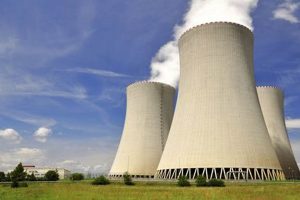
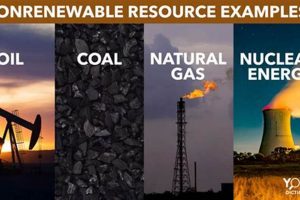
Uranium, the fuel source for fission-based atomic electricity generation, is a finite resource extracted from the Earth’s crust. This process involves mining and processing ore, similar to fossil fuel extraction, but with different environmental impacts. The energy produced through controlled nuclear fission reactions is a powerful and efficient alternative to traditional fossil fuels.
Atomic electricity generation offers a substantial energy output with a relatively small fuel input. This density makes it a significant contributor to energy security for nations seeking to reduce reliance on imported fossil fuels. Historically, the development of this technology arose from wartime research, later transitioning to peaceful applications in power production, leading to widespread adoption in many countries beginning in the mid-20th century. Furthermore, unlike fossil fuel combustion, nuclear power plants do not directly emit greenhouse gases during operation, offering a potential advantage in mitigating climate change.
This article will delve further into the multifaceted aspects of uranium-fueled power generation, exploring its safety protocols, waste management strategies, economic considerations, and future prospects within the broader energy landscape.
Safety and Efficiency in Uranium-Fueled Power Generation
Maximizing the benefits of atomic electricity generation requires careful attention to operational safety and resource efficiency. The following tips offer guidance for enhancing both:
Tip 1: Rigorous Regulatory Oversight: Stringent and independent regulatory bodies are essential for ensuring safe operations at nuclear power plants. Consistent oversight and adherence to international safety standards are crucial.
Tip 2: Advanced Reactor Designs: Investing in research and development of advanced reactor technologies can lead to enhanced safety features, improved fuel efficiency, and reduced waste generation. These designs often incorporate passive safety systems and advanced materials.
Tip 3: Optimized Fuel Management: Efficient fuel management strategies, including optimized fuel cycles and reprocessing technologies, can extend the lifespan of uranium resources and minimize waste production.
Tip 4: Robust Waste Management: Implementing comprehensive waste management solutions, including safe storage and disposal of spent nuclear fuel, is paramount for long-term environmental protection. Geological repositories and advanced recycling methods are key components of responsible waste management.
Tip 5: Public Transparency and Education: Open communication with the public regarding the safety and operation of nuclear facilities is vital for building trust and fostering informed decision-making.
Tip 6: International Collaboration: Sharing best practices and collaborating on research and development efforts on a global scale can accelerate advancements in safety, efficiency, and waste management solutions.
By prioritizing these key areas, the industry can continuously improve its performance and contribute to a sustainable energy future. Adherence to these practices can enhance operational safety and public confidence while optimizing uranium utilization.
These strategies offer a pathway towards a more secure and sustainable approach to leveraging atomic electricity generation. The subsequent sections will explore the long-term implications and future prospects of this technology within the global energy mix.
1. Uranium Fuel

Uranium fuel is the cornerstone of nuclear power generation, serving as the primary energy source in fission reactors. Its availability, properties, and lifecycle significantly influence the overall sustainability and viability of this non-renewable energy source. Understanding these factors is crucial for evaluating the role of nuclear power in the global energy landscape.
- Extraction and Processing
Uranium ore is extracted from the Earth’s crust through various mining methods, similar to those used for other metals. The extracted ore then undergoes a complex milling and refining process to produce uranium oxide (U3O8), commonly known as “yellowcake.” This concentrated form is subsequently converted into uranium hexafluoride (UF6), which is then enriched to increase the concentration of the fissile isotope U-235 before being fabricated into fuel rods for reactors. These processes have environmental implications, including land disturbance, waste generation, and potential radiological contamination.
- Fuel Enrichment and Fabrication
Natural uranium contains only a small percentage of the fissile isotope U-235, typically around 0.7%. Most commercial reactors require enriched uranium, typically containing 3-5% U-235, to sustain a chain reaction. Enrichment processes increase this concentration, leaving behind depleted uranium as a byproduct. The enriched uranium is then fabricated into fuel assemblies, precisely engineered bundles of fuel rods designed for specific reactor types.
- Reactor Operation and Fuel Consumption
Inside a nuclear reactor, the U-235 atoms undergo fission when struck by neutrons, releasing a large amount of energy in the form of heat. This heat is used to generate steam, which drives turbines to produce electricity. Over time, the concentration of U-235 in the fuel decreases as it is consumed. Spent fuel, containing fission products and other isotopes, is eventually removed from the reactor.
- Spent Fuel Management and Disposal
Spent nuclear fuel remains radioactive for thousands of years, requiring safe and secure management. Current practices involve temporary storage in cooling pools or dry cask storage facilities. Long-term solutions, such as geological repositories, are under development to provide permanent disposal. Reprocessing spent fuel to extract remaining usable uranium and plutonium is another strategy employed by some countries.
The entire lifecycle of uranium fuel, from extraction to disposal, presents significant technical, economic, and environmental challenges. Addressing these challenges effectively is essential for ensuring the responsible and sustainable use of nuclear power. The availability and cost of uranium, the efficiency of fuel utilization, and the safe management of nuclear waste are all critical factors influencing the future of this energy source.
2. Fission Process

Nuclear fission is the fundamental process underpinning nuclear power generation. It involves the splitting of heavy atomic nuclei, primarily uranium-235 or plutonium-239, releasing substantial energy. Understanding the intricacies of this process is crucial for comprehending the benefits and challenges associated with this energy source.
- Chain Reaction
The fission process initiates when a neutron strikes a fissile nucleus, causing it to split into smaller nuclei (fission products) and releasing additional neutrons. These newly released neutrons can then strike other fissile nuclei, creating a self-sustaining chain reaction. Controlling this chain reaction is essential for safe and stable power generation. Uncontrolled chain reactions are the basis of nuclear weapons.
- Energy Release
The splitting of a nucleus releases a significant amount of energy, primarily in the form of kinetic energy of the fission products and gamma radiation. This energy is converted into heat, which is then used to generate steam, driving turbines and producing electricity. The energy density of nuclear fuel is vastly greater than that of fossil fuels, allowing for a considerable power output from a relatively small amount of fuel.
- Neutron Moderation
Neutrons released during fission are typically high-energy, or “fast” neutrons. To sustain a chain reaction in most commercial reactors, these fast neutrons must be slowed down, or “moderated,” to increase the probability of them interacting with other fissile nuclei. Common moderators include water, heavy water, and graphite.
- Reactor Control
Control rods, made of materials that absorb neutrons, are used to regulate the rate of the chain reaction. Inserting control rods into the reactor core absorbs neutrons, slowing down or stopping the fission process. Withdrawing the control rods allows more neutrons to interact with fissile nuclei, increasing the power output. Precise control of the chain reaction is crucial for maintaining safe and efficient operation.
The fission process, while offering a potent energy source, also produces radioactive byproducts. Managing these byproducts safely and effectively is a critical aspect of nuclear power generation. Understanding the complexities of fission, from the chain reaction to the control mechanisms, is fundamental for evaluating the role of nuclear power within the broader energy landscape and for developing advanced reactor designs that enhance safety and efficiency.
3. Power Generation

Electricity generation from nuclear fission relies on the heat produced by controlled chain reactions within a reactor core. This heat boils water, creating steam that drives turbines connected to generators. The process is analogous to conventional thermal power plants, but the heat source is nuclear fission rather than fossil fuel combustion. The energy density of nuclear fuel allows a substantial power output from a relatively small fuel quantity, reducing the need for frequent refueling compared to fossil fuel-based power plants. For instance, a single nuclear fuel pellet, roughly the size of a pencil eraser, contains the energy equivalent of one ton of coal, demonstrating the significant difference in energy density.
This power generation process offers several advantages, including a consistent baseload power supply independent of weather conditions, unlike solar and wind power. Nuclear power plants operate continuously, providing a stable contribution to the electrical grid. Furthermore, the absence of direct greenhouse gas emissions during operation differentiates nuclear power from fossil fuel-based electricity generation, offering a potential pathway toward decarbonizing electricity production. However, the process generates radioactive byproducts, requiring careful management and long-term storage solutions. The management of spent nuclear fuel and the safety of reactor operations are critical considerations in harnessing nuclear fission for electricity generation.
Nuclear power’s role in the global energy mix is complex, balancing its advantages as a reliable and low-carbon energy source against the challenges of waste management and safety concerns. Understanding the power generation process, including the fuel cycle and waste disposal, is crucial for informed decision-making regarding the utilization of this energy source. Further research and development into advanced reactor designs and waste management technologies are essential for maximizing the potential of nuclear fission while mitigating its risks. These advancements could lead to increased efficiency, enhanced safety, and reduced environmental impact, ultimately contributing to a more sustainable energy future.
4. Waste Management
Waste management is integral to the lifecycle of uranium-fueled power generation. The fission process produces radioactive byproducts, necessitating robust strategies for handling, storage, and disposal. These byproducts present unique challenges due to their long half-lives and potential radiological hazards. Spent nuclear fuel, containing a mixture of fission products and transuranic elements, requires careful management to minimize environmental and health risks. Effective waste management is not merely a logistical concern; it is a crucial factor influencing public perception and the overall sustainability of nuclear power. For example, the long-term storage of high-level radioactive waste in geological repositories is a significant undertaking, requiring extensive site characterization and engineering to ensure long-term containment.
Several approaches to nuclear waste management exist, each with its own set of advantages and disadvantages. Interim storage in cooling pools or dry casks provides a temporary solution while long-term disposal strategies are developed. Reprocessing spent fuel can recover usable uranium and plutonium, reducing the volume of high-level waste. However, reprocessing also generates its own waste streams requiring management. Advanced reactor designs offer the potential to minimize waste generation by utilizing fuel more efficiently or by transmuting long-lived isotopes into shorter-lived ones. Ultimately, a multi-faceted approach combining various strategies is likely required for comprehensive and sustainable waste management. The development and implementation of these strategies necessitate significant investment in research, infrastructure, and international cooperation.
The challenges associated with nuclear waste management remain a significant hurdle for the widespread adoption of nuclear power. Addressing these challenges effectively is crucial not only for ensuring the safety and sustainability of existing nuclear facilities but also for fostering public confidence in the technology. Sustainable waste management practices are essential for maintaining public trust and ensuring the long-term viability of nuclear power as a component of the global energy mix. Failure to address these concerns adequately could impede the development and deployment of advanced reactor technologies and limit the potential of nuclear power to contribute to future energy security and decarbonization efforts. Therefore, continued innovation and investment in waste management research and infrastructure are essential for the future of nuclear power.
5. Safety Regulations
Stringent safety regulations are paramount for the operation of nuclear power plants, given the potential hazards associated with radioactive materials and the immense energy generated. These regulations govern every aspect of the plant lifecycle, from design and construction to operation, decommissioning, and waste disposal. A robust regulatory framework is essential not only for protecting public health and the environment but also for maintaining public confidence in the technology.
- Reactor Design and Construction
Regulations mandate rigorous standards for reactor design and construction, encompassing material selection, containment structures, and safety systems. These standards ensure the structural integrity of the reactor and its ability to withstand various operational and accident scenarios. For example, reactor vessels are designed with multiple layers of containment to prevent the release of radioactive materials. The licensing process for new reactors involves thorough review and inspection by regulatory authorities to ensure compliance with these stringent requirements.
- Operational Procedures and Training
Detailed operational procedures and comprehensive training programs for personnel are essential for maintaining safe and efficient operation. Regulations dictate protocols for routine operations, emergency response, and maintenance activities. Operators undergo extensive training and certification to ensure they are equipped to handle various situations, including potential malfunctions or emergencies. Regular drills and exercises simulate different scenarios to test the preparedness of the plant personnel and the effectiveness of emergency response plans.
- Radiation Monitoring and Environmental Protection
Continuous monitoring of radiation levels within the plant and in the surrounding environment is mandated to ensure compliance with safety limits. Regulations establish permissible radiation exposure levels for workers and the public. Environmental monitoring programs assess the impact of plant operations on the surrounding ecosystems, including air, water, and soil. These programs provide data to ensure that the plant operates within environmentally acceptable limits and that any potential impacts are mitigated.
- Emergency Preparedness and Response
Comprehensive emergency preparedness and response plans are crucial for mitigating the consequences of potential accidents. Regulations require plants to develop and maintain detailed plans outlining procedures for responding to various emergency scenarios. These plans include provisions for notifying relevant authorities, evacuating the surrounding population if necessary, and implementing measures to control and mitigate the release of radioactive materials. Regular drills and exercises test the effectiveness of these plans and ensure the preparedness of the plant and local emergency response teams.
The stringent safety regulations governing nuclear power plants reflect the potential hazards associated with the technology. These regulations aim to minimize risks, protect public health and the environment, and maintain public confidence. Continual review and enhancement of these regulations, informed by operational experience and technological advancements, are essential for ensuring the safe and responsible utilization of nuclear power as part of the global energy mix. International collaboration and the sharing of best practices play a vital role in strengthening safety standards and promoting continuous improvement in the nuclear power industry.
6. Environmental Impact
Uranium-fueled power generation, while offering a carbon-free electricity source, presents distinct environmental impacts throughout its lifecycle. Unlike fossil fuels, it does not directly emit greenhouse gases during operation, mitigating contributions to climate change. However, the process involves uranium mining and milling, which can disturb ecosystems, generate tailings containing low-level radioactive materials, and potentially contaminate water resources. The risk of accidental release of radioactive materials during reactor operation, though statistically low due to stringent safety protocols, remains a significant concern. The Chernobyl and Fukushima disasters underscore the potential for severe environmental consequences in the event of such incidents. Furthermore, the long-term storage of spent nuclear fuel poses a challenge due to its radioactivity and longevity. The need for secure geological repositories highlights the long-term commitment required for responsible waste management.
Comparing the environmental footprint of uranium-based electricity with other energy sources reveals a complex picture. While lacking greenhouse gas emissions during operation, the lifecycle impacts of uranium fuel, including mining, milling, and waste disposal, must be considered. For example, lifecycle greenhouse gas emissions associated with nuclear power are estimated to be lower than those of fossil fuel-based electricity but higher than those of renewable sources like solar and wind. The land use requirements for uranium mining and waste disposal are also factors in evaluating the overall environmental impact. Furthermore, potential impacts on water resources due to mining operations and the thermal discharge from power plants require careful management and mitigation strategies. The choice between different energy sources involves weighing various environmental considerations and trade-offs, depending on specific regional contexts and priorities.
Understanding the full spectrum of environmental impacts associated with uranium-fueled power generation is crucial for informed decision-making. While the absence of direct greenhouse gas emissions is a significant advantage, minimizing the impacts of uranium mining, ensuring the safe operation of reactors, and developing sustainable waste management solutions are crucial for maximizing the environmental benefits of this technology. Continuous improvement in reactor designs, waste management strategies, and regulatory oversight are essential for mitigating potential risks and enhancing the environmental performance of nuclear power. Addressing these challenges effectively is vital for ensuring the long-term sustainability and public acceptance of this energy source.
7. Energy Security

Energy security is intrinsically linked to the utilization of uranium-fueled power generation. A nation’s energy security encompasses the reliable availability of energy resources at affordable prices, minimizing vulnerability to supply disruptions and price volatility. Nuclear power, utilizing domestically sourced or reliably imported uranium, can enhance energy independence by reducing reliance on foreign fossil fuels. This is particularly relevant for nations lacking substantial fossil fuel reserves. For instance, France’s significant investment in nuclear power has historically reduced its dependence on energy imports, contributing to greater energy security. Furthermore, the long operational life of nuclear power plants and the predictability of fuel costs provide stability to electricity prices, further enhancing energy security.
However, the connection between nuclear power and energy security is not without complexities. The upfront costs of constructing nuclear power plants are substantial, requiring significant capital investment. Furthermore, the potential for disruptions due to unforeseen events, such as natural disasters or accidents like Fukushima, highlights the need for robust safety measures and emergency preparedness plans. The management of spent nuclear fuel also necessitates long-term planning and investment, adding to the overall cost and complexity of nuclear power programs. Additionally, the global uranium market, while currently relatively stable, is subject to geopolitical influences and potential price fluctuations that can impact energy security. Countries reliant on uranium imports must consider these factors when developing their energy strategies.
In summary, uranium-fueled power generation offers a potential pathway to enhanced energy security by reducing reliance on volatile fossil fuel markets and providing a stable baseload power supply. However, realizing this potential requires careful consideration of the economic, safety, and environmental aspects of nuclear power. Balancing these considerations is crucial for integrating nuclear power effectively into a comprehensive national energy strategy. The long-term sustainability of nuclear power’s contribution to energy security hinges on continuous technological advancements, responsible waste management practices, and robust regulatory oversight. Addressing these challenges is essential for maximizing the benefits and mitigating the risks associated with nuclear power as a component of a secure and sustainable energy future.
Frequently Asked Questions
This section addresses common inquiries regarding uranium-fueled electricity generation, aiming to provide clear and factual information.
Question 1: How does the energy density of uranium compare to that of fossil fuels?
Uranium fuel possesses a significantly higher energy density than fossil fuels. A single uranium fuel pellet can produce the same amount of energy as one ton of coal, showcasing the substantial difference in energy content.
Question 2: What are the primary environmental concerns associated with this power source?
While operation does not directly produce greenhouse gases, environmental impacts arise from uranium mining, milling, and the need for long-term storage of radioactive waste. Potential risks associated with accidents, though statistically low, also warrant careful consideration.
Question 3: How is the safety of nuclear power plants ensured?
Stringent regulatory oversight, robust reactor designs incorporating multiple safety systems, and comprehensive operational procedures and training programs work in concert to minimize risks and ensure safe operation.
Question 4: What happens to spent nuclear fuel?
Spent fuel undergoes temporary storage in cooling pools or dry casks. Long-term solutions, such as geological repositories for permanent disposal, are under development. Reprocessing spent fuel to recover usable materials is another approach.
Question 5: How does atomic electricity generation contribute to energy security?
Utilizing domestically sourced or reliably imported uranium can reduce dependence on foreign fossil fuels, enhancing energy independence and price stability for nations with limited fossil fuel reserves.
Question 6: What is the role of advanced reactor designs in the future of nuclear energy?
Advanced reactor designs offer the potential for enhanced safety features, increased fuel efficiency, reduced waste generation, and even the possibility of utilizing existing nuclear waste as fuel.
Understanding the facts surrounding uranium-fueled power generation is crucial for informed public discourse and policy decisions. Continued research, technological advancements, and responsible waste management are essential for maximizing the benefits and addressing the challenges associated with this energy source.
The following section will delve into the future prospects of nuclear power and its potential role in the evolving global energy landscape.
Conclusion
Uranium-fueled power generation presents a complex array of considerations within the global energy landscape. Its capacity for substantial energy production with minimal greenhouse gas emissions during operation positions it as a potential contributor to decarbonization efforts. However, the finite nature of uranium reserves, the complexities of waste management, and the potential risks associated with reactor accidents necessitate careful evaluation and ongoing technological advancements. This exploration has delved into the multifaceted aspects of uranium-based electricity production, encompassing fuel acquisition and processing, the fission process, power generation, waste management strategies, safety regulations, environmental impacts, and the implications for energy security. Balancing the benefits of this technology against its inherent challenges remains a critical task for policymakers and researchers alike.
The future trajectory of uranium-fueled power generation hinges on continuous innovation in reactor design, waste management solutions, and safety protocols. Addressing these challenges effectively is essential for unlocking the full potential of this energy source while mitigating its inherent risks. A comprehensive and informed approach, incorporating scientific advancements, robust regulatory frameworks, and transparent public discourse, is crucial for determining the ultimate role of uranium-based electricity production in shaping a sustainable energy future. The ongoing pursuit of technological advancements and responsible management practices will ultimately define the long-term viability and contribution of this technology to meeting global energy demands.