Core concepts underpinning energy generation from sustainable sources involve harnessing naturally replenishing resources like sunlight, wind, water, and geothermal heat. For instance, photovoltaic cells exploit the photovoltaic effect to convert sunlight directly into electricity, while wind turbines capture kinetic energy from moving air to drive generators. Understanding these underlying principles, including resource availability, energy conversion mechanisms, and associated technologies, is essential for effective implementation.
Sustainable energy production offers significant advantages, including reduced reliance on finite fossil fuels, mitigation of greenhouse gas emissions contributing to climate change, and enhanced energy security through diversified supply. Historically, reliance on renewable sources like wind and water power predates the widespread adoption of fossil fuels. The modern resurgence of interest in these technologies stems from growing environmental awareness and the pursuit of sustainable development pathways.
This foundation provides a basis for exploring specific renewable energy technologies, their practical applications, and the challenges and opportunities associated with their integration into existing energy infrastructure. Further discussion will encompass detailed analyses of individual technologies, resource assessment methodologies, and the economic and environmental implications of transitioning towards a more sustainable energy future.
Tips for Engaging with Sustainable Energy Concepts
Practical application of core renewable energy principles requires careful consideration of several key aspects. The following tips offer guidance for effective engagement with sustainable energy development and implementation.
Tip 1: Resource Assessment: Conduct thorough evaluations of available renewable resources. Accurate data on solar irradiance, wind speeds, water flow rates, or geothermal gradients are crucial for determining the viability and potential output of specific projects. Geographic location and local climatic conditions play a significant role.
Tip 2: Technology Selection: Choose appropriate technologies based on resource availability and project requirements. Consider factors such as efficiency, cost-effectiveness, scalability, and environmental impact when selecting among various solar, wind, hydro, or geothermal technologies.
Tip 3: Integration with Existing Infrastructure: Plan for seamless integration of renewable energy systems with existing power grids. Address grid stability, transmission capacity, and energy storage requirements to ensure reliable and efficient power delivery.
Tip 4: Environmental Impact Assessment: Evaluate potential environmental impacts of renewable energy projects. Consider land use, wildlife habitats, water resources, and potential visual or noise pollution to minimize negative consequences and promote sustainable development.
Tip 5: Economic Viability Analysis: Conduct comprehensive economic analyses to assess the financial feasibility of projects. Consider capital costs, operating expenses, energy pricing, and potential incentives or subsidies to ensure long-term sustainability.
Tip 6: Policy and Regulatory Framework: Understand relevant policy and regulatory frameworks governing renewable energy development. Compliance with local, national, and international regulations is essential for project approval and successful implementation.
Tip 7: Community Engagement: Engage with local communities and stakeholders throughout the project lifecycle. Address concerns, promote transparency, and foster collaboration to ensure project acceptance and maximize social benefits.
Implementing these strategies contributes to successful and sustainable renewable energy project development, maximizing environmental and economic benefits while minimizing potential risks.
By understanding these fundamental principles and employing these practical tips, the transition towards a cleaner and more sustainable energy future can be effectively realized.
1. Resource Availability

Resource availability forms a cornerstone of renewable energy processes. The viability and potential output of any renewable energy project are intrinsically linked to the geographical presence and abundance of the specific resource being harnessed. Solar power generation, for example, relies heavily on consistent solar irradiance. Regions with high levels of sunshine throughout the year are naturally more suited for large-scale solar farms than areas with frequent cloud cover. Similarly, wind energy projects necessitate locations characterized by predictable and sufficiently strong winds. Hydroelectric power generation depends on consistent river flow or significant elevation changes to generate potential energy. Geothermal energy requires access to underground heat sources. This inherent dependence on natural resource distribution underscores the critical role of resource assessment in project planning and implementation.
Careful evaluation of resource availability is essential for optimizing technology selection and maximizing energy output. Detailed resource mapping and analysis provide crucial data for determining the most suitable renewable energy technology for a specific location. For instance, regions with limited water resources might prioritize wind or solar energy over hydropower. Areas with high geothermal activity might find geothermal power plants more feasible. Resource availability also impacts the scale and design of projects. A region with abundant solar irradiance might support a large-scale concentrated solar power plant, while an area with lower wind speeds might necessitate a larger number of smaller wind turbines to achieve comparable energy output. Furthermore, seasonal variations in resource availability influence energy storage requirements and grid integration strategies. Understanding these dynamics is crucial for ensuring reliable and consistent power delivery.
In summary, resource availability is not merely a prerequisite but a defining factor shaping the feasibility, design, and implementation of renewable energy projects. Accurate resource assessment and strategic planning are crucial for maximizing the effectiveness and sustainability of renewable energy systems. Challenges such as intermittent resource availability and geographical limitations necessitate careful consideration of energy storage solutions, grid management strategies, and complementary energy sources. Addressing these challenges through technological innovation and policy frameworks is essential for realizing the full potential of renewable energy and transitioning towards a more sustainable energy future.
2. Energy Conversion

Energy conversion lies at the heart of renewable energy processes, representing the crucial bridge between available resources and usable energy. The ability to efficiently and effectively transform naturally occurring forms of energy into electricity or other usable forms dictates the viability and impact of renewable energy technologies. Understanding the underlying principles and mechanisms of energy conversion is therefore fundamental to harnessing the potential of renewable resources.
- Photovoltaic Conversion
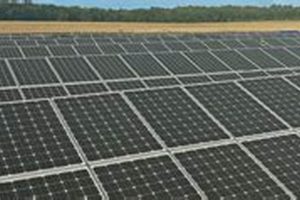
Photovoltaic conversion underpins solar energy technologies. Specialized materials, typically silicon-based semiconductors, directly convert sunlight into electricity through the photovoltaic effect. When photons strike the semiconductor material, they dislodge electrons, creating an electric current. This process, exemplified by solar panels deployed on rooftops or in large-scale solar farms, forms a cornerstone of modern renewable energy generation. Its efficiency and cost-effectiveness are key factors in the widespread adoption of solar power.
- Mechanical Conversion
Mechanical conversion is central to technologies like wind and hydropower. Wind turbines capture the kinetic energy of moving air, converting it into rotational energy that drives a generator to produce electricity. Hydroelectric dams utilize the potential energy of water stored at height, channeling its flow through turbines to achieve the same outcome. The efficiency of mechanical conversion relies on factors such as turbine design, blade aerodynamics, and water flow management, directly influencing the overall energy output of these systems.
- Thermal Conversion
Thermal conversion plays a key role in geothermal and solar thermal energy systems. Geothermal power plants utilize heat from the Earth’s interior to generate steam, which drives turbines for electricity generation. Solar thermal systems concentrate sunlight to heat a working fluid, either for direct use or to generate electricity through conventional steam turbines. Efficient thermal conversion requires optimizing heat transfer mechanisms and minimizing energy losses, impacting the overall performance and cost-effectiveness of these technologies.
- Chemical Conversion
Chemical conversion is employed in technologies like biomass energy and fuel cells. Biomass energy involves converting organic matter, such as wood or agricultural residues, into usable energy through processes like combustion or anaerobic digestion. Fuel cells utilize electrochemical reactions to convert chemical energy directly into electricity, offering high efficiency and low emissions. Advancements in chemical conversion processes contribute to improving the sustainability and versatility of these renewable energy sources.
These diverse energy conversion processes, each tailored to specific renewable resources and technological applications, collectively form the bedrock of sustainable energy generation. Understanding their underlying principles, limitations, and potential for improvement is essential for advancing the transition toward a cleaner and more reliable energy future. Further exploration of specific technologies and their associated conversion processes will provide a deeper understanding of the complexities and opportunities within the field of renewable energy.
3. Technological Advancements

Technological advancements play a crucial role in the ongoing evolution and increasing effectiveness of renewable energy processes. Continuous innovation across various facets of renewable energy technologies drives improvements in efficiency, cost-effectiveness, and overall system performance. These advancements are essential for expanding the accessibility and scalability of renewable energy sources, contributing significantly to a sustainable energy transition.
- Material Science
Developments in material science directly impact the performance and durability of renewable energy systems. For instance, advancements in photovoltaic materials enhance the efficiency of solar cells, enabling greater electricity generation from a given area. Similarly, the development of lighter and stronger materials for wind turbine blades allows for larger turbines and increased energy capture. Improved materials for energy storage systems, such as batteries and thermal storage media, enhance the reliability and effectiveness of renewable energy integration.
- Power Electronics
Power electronics play a critical role in managing and converting the electricity generated by renewable energy sources. Advanced inverters and converters improve the efficiency of power conversion and grid integration, minimizing energy losses and ensuring grid stability. Smart grid technologies, incorporating advanced sensors and communication systems, optimize energy distribution and management, enabling greater utilization of renewable energy resources.
- Automation and Control Systems
Automation and control systems enhance the operational efficiency and reliability of renewable energy systems. Automated monitoring and control systems optimize the performance of solar trackers, wind turbine blade pitch control, and other critical components, maximizing energy output and minimizing downtime. Predictive maintenance algorithms, leveraging data analytics and machine learning, anticipate potential failures and optimize maintenance schedules, further enhancing system reliability.
- Energy Storage Technologies
Advancements in energy storage technologies address the intermittent nature of many renewable energy sources. Improved battery technologies, pumped hydro storage systems, and thermal energy storage solutions provide greater capacity and efficiency for storing excess energy generated during periods of high resource availability. These advancements enhance the dispatchability and reliability of renewable energy, enabling its seamless integration into existing power grids and supporting a stable energy supply.
These interconnected technological advancements collectively contribute to the continuous improvement and wider adoption of renewable energy processes. As research and development efforts continue to push the boundaries of what is possible, renewable energy technologies become increasingly competitive with conventional fossil fuel-based systems, paving the way for a cleaner, more sustainable, and secure energy future. These advancements directly influence the economic viability and environmental impact of renewable energy, driving its increasing role in the global energy landscape.
4. Environmental Impact

Environmental impact represents a critical dimension of renewable energy processes, fundamentally shaping their role in sustainable development. Understanding the environmental consequences, both positive and negative, associated with renewable energy technologies is crucial for informed decision-making and responsible implementation. This analysis explores the multifaceted relationship between renewable energy processes and the environment, providing insights into the potential benefits and challenges associated with their deployment.
- Reduced Greenhouse Gas Emissions
Renewable energy sources offer a significant advantage over conventional fossil fuels by producing little to no greenhouse gas emissions during operation. This characteristic directly addresses a primary driver of climate change. Replacing coal-fired power plants with solar or wind farms substantially reduces carbon dioxide emissions, mitigating the long-term impacts of global warming. This reduction in greenhouse gas emissions is a key driver for the transition to renewable energy and a central factor in its environmental impact assessment.
- Land Use and Habitat Impacts
While generally considered environmentally friendly, renewable energy technologies can have localized impacts on land use and ecosystems. Large-scale solar and wind farms require significant land areas, potentially affecting wildlife habitats and agricultural land. Hydroelectric dams can alter river flows and ecosystems, impacting aquatic life and surrounding landscapes. Careful site selection, environmental impact assessments, and mitigation strategies are essential for minimizing these potential negative consequences and ensuring sustainable development.
- Water Consumption
Certain renewable energy technologies, particularly concentrated solar power and some geothermal systems, require significant amounts of water for cooling and operation. In water-stressed regions, this water consumption can pose challenges and necessitates careful water management strategies. Comparing water requirements across different renewable energy technologies and considering alternative cooling methods helps minimize potential water resource conflicts and promotes sustainable water use.
- Manufacturing and Disposal Impacts
The manufacturing of renewable energy technologies, like solar panels and wind turbines, involves the use of raw materials and manufacturing processes that can have environmental impacts. Furthermore, the eventual disposal of these technologies requires careful consideration to minimize waste and potential environmental contamination. Life-cycle assessments, evaluating the environmental impacts of a product from its creation to its disposal, are essential for understanding the full environmental footprint of renewable energy systems and promoting sustainable manufacturing and recycling practices.
Considering these diverse environmental impacts is integral to the comprehensive understanding of renewable energy processes. While offering substantial benefits in terms of greenhouse gas emission reductions, renewable energy technologies also present specific environmental challenges that require careful management and mitigation. Balancing these factors through strategic planning, technological innovation, and policy frameworks is essential for maximizing the positive environmental contributions of renewable energy and achieving a truly sustainable energy future.
5. Economic Viability

Economic viability forms an integral component of the fundamentals of renewable energy processes. The financial feasibility of renewable energy projects plays a crucial role in their widespread adoption and long-term sustainability. Assessing the economic viability involves a comprehensive evaluation of costs, revenues, and financial risks associated with each project. This evaluation encompasses various factors, including initial capital costs, ongoing operational and maintenance expenses, financing mechanisms, and projected revenue streams. Ultimately, the economic viability of a renewable energy project dictates its ability to attract investment, compete with conventional energy sources, and contribute to sustainable economic growth.
Several key factors influence the economic viability of renewable energy projects. The cost of renewable energy technologies has decreased significantly in recent years, making them increasingly competitive with fossil fuels. Government policies, such as tax incentives, subsidies, and renewable portfolio standards, can further enhance the economic attractiveness of renewable energy investments. Furthermore, factors like resource availability, project location, and grid infrastructure influence project costs and revenue potential. For example, a solar power plant located in a region with high solar irradiance and access to existing transmission lines will likely have higher energy output and lower connection costs, positively impacting its overall economic viability. Conversely, a wind farm located in a remote area with limited wind resources and requiring significant grid upgrades may face higher costs and lower returns, impacting its financial feasibility. The levelized cost of energy (LCOE), a metric that compares the lifetime costs of different energy technologies, provides a valuable tool for assessing the economic competitiveness of renewable energy projects.
The economic viability of renewable energy projects is essential for driving the transition to a sustainable energy future. Financially viable projects attract private investment, create jobs, stimulate economic growth, and reduce dependence on fossil fuels. By understanding the economic drivers and challenges associated with renewable energy, policymakers, investors, and developers can make informed decisions that support the growth and expansion of this vital sector. Addressing economic barriers, such as high upfront capital costs and financing challenges, requires innovative policy mechanisms and financial instruments. Continued cost reductions, coupled with supportive policies and technological advancements, will further enhance the economic competitiveness of renewable energy and accelerate its integration into the global energy mix.
Frequently Asked Questions
This section addresses common inquiries regarding the core principles of sustainable energy generation.
Question 1: How do resource assessments contribute to the successful implementation of renewable energy projects?
Accurate resource assessments are crucial for determining the viability and potential output of renewable energy projects. Precise data on resource availability, such as solar irradiance, wind speeds, or water flow rates, inform technology selection, system design, and projected energy yields, minimizing financial risks and maximizing project success.
Question 2: What role do energy conversion processes play in renewable energy technologies?
Energy conversion processes are fundamental to transforming naturally occurring energy sources into usable forms like electricity. Different technologies utilize distinct conversion methods, such as photovoltaic conversion in solar panels or mechanical conversion in wind turbines, dictating the efficiency and overall performance of renewable energy systems.
Question 3: How do technological advancements influence the development and deployment of renewable energy systems?
Technological advancements drive continuous improvements in the efficiency, cost-effectiveness, and reliability of renewable energy technologies. Innovations in material science, power electronics, and energy storage systems enhance energy capture, conversion, and grid integration, fostering wider adoption and greater impact.
Question 4: What are the key environmental impacts associated with renewable energy projects?
Renewable energy projects offer substantial environmental benefits, particularly through reduced greenhouse gas emissions. However, potential localized impacts, such as land use changes, water consumption, or manufacturing-related emissions, necessitate careful planning, environmental impact assessments, and mitigation strategies for responsible development.
Question 5: What factors determine the economic viability of renewable energy projects?
Economic viability depends on factors such as technology costs, resource availability, government policies, financing mechanisms, and projected energy prices. Conducting thorough economic analyses, considering lifecycle costs and potential revenue streams, is essential for ensuring project feasibility and attracting investment.
Question 6: How do policy and regulatory frameworks influence the growth and adoption of renewable energy technologies?
Supportive policies, such as renewable portfolio standards, tax incentives, and streamlined permitting processes, play a crucial role in encouraging renewable energy development. Consistent and well-defined regulatory frameworks provide investor certainty and promote market growth, accelerating the transition to a sustainable energy future.
Understanding these fundamental aspects is crucial for informed decision-making and effective engagement with the evolving landscape of renewable energy. Addressing these questions provides a foundation for further exploration of specific technologies, policy frameworks, and investment strategies.
The subsequent sections will delve deeper into specific renewable energy technologies, exploring their unique characteristics, applications, and contributions to the global energy transition.
Conclusion
Exploration of the fundamentals of renewable energy processes reveals a complex interplay of scientific principles, technological advancements, environmental considerations, and economic factors. Resource availability dictates the potential of specific technologies, while energy conversion processes transform natural resources into usable energy forms. Technological advancements continually enhance efficiency and cost-effectiveness, driving wider adoption. Environmental impact assessments are crucial for mitigating potential negative consequences and maximizing the ecological benefits of renewable energy. Economic viability, influenced by policy frameworks and market dynamics, ensures long-term sustainability and market competitiveness.
Transitioning towards a sustainable energy future requires a comprehensive understanding of these interconnected fundamentals. Continued research, technological innovation, supportive policies, and informed investment decisions are essential for unlocking the full potential of renewable energy and mitigating the impacts of climate change. The future of energy relies on embracing these core principles and fostering collaborative efforts to build a cleaner, more resilient, and sustainable energy landscape for generations to come.