Transitioning to sustainable power sources involves a multifaceted approach applicable to individual households, businesses, and entire communities. This can include installing solar panels on rooftops, utilizing geothermal heat pumps for heating and cooling, opting for wind turbines in suitable locations, and choosing electricity providers that source energy from renewables. For example, a homeowner might install solar panels and battery storage to power their home, while a business could invest in a large-scale solar farm to offset its electricity consumption.
Decarbonizing the energy sector is critical for mitigating climate change and reducing reliance on finite fossil fuels. Adopting clean power sources not only contributes to a healthier environment by reducing greenhouse gas emissions but also enhances energy security and can stimulate economic growth through job creation in the renewable energy sector. Historically, the high cost of renewable technologies presented a barrier, but significant advancements have made sustainable energy increasingly cost-competitive with traditional fossil fuels.
The subsequent sections will delve into the specific steps involved in transitioning to cleaner energy sources, exploring the various technologies available, assessing the economic and environmental considerations, and examining the role of policy and infrastructure development in facilitating this crucial shift.
Tips for Transitioning to Sustainable Energy
Practical steps can facilitate the adoption of renewable energy sources, whether at the residential, commercial, or community level. The following tips provide guidance for navigating this transition.
Tip 1: Conduct an Energy Audit: A thorough assessment of current energy consumption provides a baseline for identifying areas for improvement and potential renewable energy integration. This evaluation helps determine the most suitable and cost-effective solutions.
Tip 2: Explore Available Incentives: Numerous government and utility programs offer financial incentives, such as tax credits, rebates, and grants, that can significantly reduce the upfront costs associated with renewable energy installations.
Tip 3: Research Renewable Energy Technologies: Understanding the various technologies available, including solar, wind, geothermal, and hydropower, allows for informed decision-making based on specific needs and geographic location.
Tip 4: Evaluate Site Suitability: The effectiveness of different renewable energy systems depends on factors like sunlight availability, wind speeds, and geothermal resources. Careful site assessment ensures optimal performance.
Tip 5: Consider Energy Storage Solutions: Integrating energy storage systems, such as batteries, allows for the utilization of renewable energy even when the source is unavailable, enhancing reliability and reducing reliance on the grid.
Tip 6: Engage with Qualified Professionals: Consulting experienced contractors and installers ensures proper system design, installation, and maintenance, maximizing the efficiency and longevity of the renewable energy investment.
Tip 7: Monitor System Performance: Regularly monitoring energy production and consumption allows for optimization and identification of potential issues, ensuring long-term cost savings and environmental benefits.
By implementing these strategies, individuals, businesses, and communities can effectively transition towards a more sustainable energy future, realizing both economic and environmental advantages.
The concluding section will summarize the key findings and underscore the collective responsibility in advancing the global transition to clean energy.
1. Assess energy needs

Accurate energy consumption assessment forms the cornerstone of a successful transition to renewable energy sources. Understanding current energy usage patterns provides crucial data for determining the appropriate size and type of renewable energy system. Without a comprehensive energy audit, investments in renewable energy technologies might prove insufficient or excessive, leading to suboptimal performance and financial outcomes. A clear understanding of energy demands enables informed decision-making regarding the most suitable renewable energy solutions, whether solar photovoltaic systems, wind turbines, or geothermal installations. For instance, a business seeking to offset its electricity consumption with solar power must first quantify its energy requirements to determine the appropriate scale of the solar array.
Further analysis reveals that evaluating energy needs also helps identify potential areas for energy efficiency improvements. Reducing energy consumption through insulation upgrades, efficient appliances, and optimized building design minimizes the required capacity of renewable energy systems, leading to cost savings and enhanced overall sustainability. This integrated approach, combining energy efficiency measures with renewable energy adoption, maximizes the environmental and economic benefits of transitioning away from fossil fuels. For example, a homeowner conducting an energy audit might discover significant heat loss through poorly insulated windows, prompting them to address this issue before sizing a solar photovoltaic system, thus optimizing the overall investment.
In conclusion, assessing energy needs constitutes a critical first step in the transition to renewable energy. This process provides essential data for informed decision-making regarding technology selection, system sizing, and potential energy efficiency measures. Addressing energy needs effectively optimizes the financial and environmental benefits of adopting renewable energy, laying the groundwork for a sustainable energy future. Challenges such as accurately predicting future energy demands and accounting for behavioral changes in energy consumption patterns must be considered for a comprehensive and successful transition.
2. Explore Available Technologies
Effective transition to renewable energy necessitates a thorough understanding of available technologies. Evaluating the diverse options allows consumers, businesses, and communities to select the most suitable solutions based on specific needs, geographic location, and financial considerations. This exploration forms a critical step in the decision-making process, ensuring optimal performance, cost-effectiveness, and environmental impact.
- Solar Photovoltaic (PV) Systems
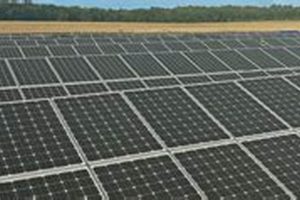
Solar PV systems convert sunlight directly into electricity using photovoltaic cells. Residential rooftops, commercial buildings, and large-scale solar farms can host these systems. A household might install rooftop solar panels to power their home, while a utility company could develop a solar farm to feed the electricity grid. Factors influencing solar PV system effectiveness include sunlight availability, panel orientation, and system efficiency.
- Wind Turbines
Wind turbines harness kinetic energy from wind to generate electricity. Suitable locations for wind turbines include areas with consistent and sufficient wind speeds, such as coastal regions, open plains, and mountainous terrain. A wind farm can consist of multiple turbines, collectively generating substantial amounts of clean energy. Considerations for wind turbine deployment include wind resource assessment, environmental impact on wildlife, and potential noise pollution.
- Geothermal Heat Pumps
Geothermal heat pumps utilize the relatively constant temperature of the earth to provide heating and cooling for buildings. These systems exchange heat with the ground, transferring heat into the building during winter and extracting heat from the building during summer. A homeowner might install a geothermal heat pump to reduce reliance on conventional heating and cooling systems. Factors influencing geothermal system effectiveness include ground temperature, soil properties, and system design.
- Hydropower Systems
Hydropower systems harness the energy of moving water to generate electricity. Dams and run-of-river systems are common types of hydropower installations. A large dam can generate substantial electricity, while a small run-of-river system might power a remote community. Environmental considerations for hydropower projects include impacts on aquatic ecosystems, water flow alteration, and potential greenhouse gas emissions from reservoirs.
Careful consideration of these technologies, along with other emerging options like wave and tidal energy, empowers informed decision-making for a successful and sustainable energy transition. Selecting the appropriate technology depends on various factors, including resource availability, cost, environmental impact, and local regulations. Analyzing these aspects ensures that the chosen renewable energy solution aligns with specific needs and contributes effectively to a cleaner energy future.
3. Evaluate Financial Incentives

Financial incentives play a crucial role in facilitating the transition to renewable energy. Evaluating available incentives is essential for maximizing the economic benefits and reducing the upfront costs associated with adopting sustainable energy solutions. These incentives, often offered by governments and utility companies, can significantly influence the financial viability of renewable energy projects, making them more accessible and attractive to individuals, businesses, and communities. Understanding the various incentives, eligibility criteria, and application processes empowers informed decision-making and optimizes the return on investment in renewable energy technologies. For example, tax credits for solar panel installations can significantly reduce the overall cost, making solar energy a more competitive option compared to traditional fossil fuels.
Further analysis reveals that the availability and structure of financial incentives can significantly impact the adoption rate of renewable energy technologies. Incentives such as rebates, grants, and loan programs can reduce the financial barriers to entry, accelerating the transition to a cleaner energy future. Moreover, performance-based incentives, which reward energy production or efficiency improvements, can further encourage the adoption and optimal operation of renewable energy systems. For instance, feed-in tariffs, which guarantee a fixed price for renewable energy fed into the grid, can provide a stable revenue stream for renewable energy producers, incentivizing investment in these technologies. The long-term success of renewable energy deployment often hinges on the effectiveness and stability of these financial support mechanisms.
In conclusion, evaluating financial incentives constitutes a critical aspect of transitioning to renewable energy. Careful consideration of available incentives allows individuals, businesses, and communities to optimize the financial benefits and mitigate the upfront costs associated with adopting sustainable energy solutions. Understanding the complexities of these incentives, including their eligibility criteria, application processes, and long-term implications, is crucial for maximizing the economic viability and accelerating the widespread adoption of renewable energy technologies. Challenges such as fluctuating policy landscapes and the need for long-term incentive stability must be addressed to ensure sustained growth and investment in the renewable energy sector. Successfully navigating these challenges requires ongoing evaluation and adaptation of incentive programs to effectively support the global transition to a cleaner energy future.
4. Consult Qualified Installers
Successful renewable energy system implementation hinges on proper installation. Consulting qualified installers is crucial for ensuring system performance, safety, and longevity. This critical step connects directly to the overarching goal of transitioning to renewable energy by ensuring the chosen technology operates efficiently and reliably. Engaging experienced professionals mitigates risks associated with improper installation, maximizing the return on investment and contributing to a seamless transition towards sustainable energy use. Overlooking this aspect can lead to suboptimal system performance, safety hazards, and potentially invalidate warranties, undermining the effectiveness of the overall transition.
- Expertise and Accreditation
Qualified installers possess the necessary technical expertise and certifications to design and implement renewable energy systems effectively. Their knowledge ensures adherence to industry best practices, local regulations, and safety standards. For example, a certified solar installer understands optimal panel placement, wiring configurations, and connection to the electricity grid. This expertise directly impacts the system’s performance and safety, contributing to a successful transition to renewable energy. Choosing unqualified installers might result in improper installation, jeopardizing system efficiency and potentially creating safety hazards.
- System Design and Optimization
Qualified installers perform detailed site assessments to determine the optimal system design and configuration. Factors such as sunlight availability, wind resources, and building characteristics influence these decisions. For instance, a qualified geothermal installer assesses soil properties and thermal conductivity to determine the appropriate ground loop design for a heat pump system. Optimized system design ensures maximum energy production and efficiency, maximizing the benefits of transitioning to renewable energy.
- Equipment Selection and Procurement
Qualified installers guide equipment selection, ensuring compatibility and optimal performance. They source high-quality components from reputable manufacturers, adhering to industry standards and warranty requirements. For example, a qualified wind turbine installer selects turbines appropriate for the site’s wind resource and ensures proper tower height and blade size. Proper equipment selection contributes significantly to the long-term reliability and efficiency of the renewable energy system.
- Permitting and Inspections
Navigating the permitting and inspection process is crucial for ensuring compliance with local regulations. Qualified installers handle these administrative tasks, streamlining the installation process and avoiding potential delays or penalties. Their familiarity with local building codes and inspection requirements ensures a smooth and compliant installation, facilitating a hassle-free transition to renewable energy. Failure to obtain necessary permits or pass inspections can result in fines, project delays, and potential system shutdowns.
Consulting qualified installers forms an integral part of the transition to renewable energy. Their expertise, from system design and equipment selection to permitting and inspections, ensures optimal system performance, safety, and compliance with regulations. This crucial step maximizes the benefits of renewable energy adoption, contributing significantly to a sustainable energy future. Choosing qualified professionals ultimately protects the investment and ensures the long-term success of the transition to clean energy.
5. Monitor System Performance

Monitoring system performance is integral to a successful transition to renewable energy. Consistent tracking of energy production, consumption, and system health ensures optimal efficiency, identifies potential issues, and maximizes the return on investment. This proactive approach allows for timely adjustments and maintenance, contributing significantly to the long-term effectiveness and sustainability of renewable energy systems. Neglecting performance monitoring can lead to undetected problems, reduced energy output, and potentially costly repairs, undermining the overall benefits of transitioning to clean energy.
- Data Acquisition and Analysis
Collecting and analyzing performance data provides valuable insights into system operation. Modern renewable energy systems often include monitoring hardware and software that track key metrics such as energy generation, consumption, and system status. Analyzing this data allows for the identification of trends, anomalies, and potential areas for improvement. For example, monitoring solar panel output can reveal shading issues or panel degradation, enabling timely corrective action. This data-driven approach ensures optimal system performance and maximizes energy production.
- Fault Detection and Troubleshooting
Performance monitoring facilitates early detection of system faults or malfunctions. Real-time monitoring systems can trigger alerts when performance deviates from expected parameters, enabling prompt troubleshooting and minimizing downtime. For instance, a sudden drop in wind turbine output might indicate a mechanical issue, prompting immediate inspection and repair. Early fault detection prevents minor issues from escalating into major problems, ensuring system reliability and longevity.
- Performance Optimization and Adjustments
Regular performance monitoring allows for system optimization and adjustments to maximize energy output and efficiency. Analyzing performance data can reveal opportunities for fine-tuning system settings, improving energy storage strategies, and optimizing energy consumption patterns. For example, monitoring battery charge and discharge cycles in a solar-plus-storage system can optimize energy usage and extend battery lifespan. This continuous improvement approach ensures the renewable energy system operates at peak performance throughout its lifecycle.
- Maintenance Scheduling and Preventative Measures
Performance data informs maintenance schedules and preventative measures, extending system lifespan and minimizing costly repairs. Tracking key performance indicators can identify potential maintenance needs before they escalate into major issues. For instance, monitoring the operating temperature of a geothermal heat pump can indicate the need for routine maintenance, preventing premature component failure. Proactive maintenance ensures the long-term reliability and cost-effectiveness of the renewable energy system.
In conclusion, monitoring system performance forms a crucial aspect of successfully transitioning to and maintaining renewable energy systems. Consistent data analysis, fault detection, performance optimization, and informed maintenance scheduling contribute significantly to maximizing the benefits of clean energy adoption. This proactive approach ensures the long-term efficiency, reliability, and economic viability of renewable energy investments, supporting a sustainable energy future. By integrating performance monitoring into the overall transition strategy, individuals, businesses, and communities can fully realize the environmental and economic advantages of renewable energy technologies.
Frequently Asked Questions about Transitioning to Renewable Energy
This section addresses common inquiries regarding the transition to renewable energy sources, providing concise and informative responses to facilitate informed decision-making.
Question 1: What is the initial cost of switching to renewable energy?
The upfront investment varies depending on the chosen technology, system size, and location. While initial costs can be significant, various financial incentives, such as tax credits and rebates, can substantially reduce the overall expense. Long-term cost savings from reduced energy bills and potential revenue generation through feed-in tariffs often offset the initial investment.
Question 2: How much space is required for renewable energy installations?
Space requirements depend on the chosen technology and desired energy output. Rooftop solar panels require sufficient roof area, while wind turbines necessitate adequate land with suitable wind resources. Geothermal systems typically require less space, utilizing underground loops for heat exchange. A professional site assessment determines the feasibility and optimal placement of renewable energy systems.
Question 3: Do renewable energy systems require maintenance?
Renewable energy systems require periodic maintenance to ensure optimal performance and longevity. Regular inspections, cleaning, and component replacement contribute to system efficiency and prevent potential issues. Maintenance requirements vary depending on the technology, with solar panels generally requiring minimal maintenance compared to wind turbines or geothermal systems.
Question 4: Are renewable energy systems reliable?
Technological advancements have significantly enhanced the reliability of renewable energy systems. While intermittency remains a consideration for solar and wind power, advancements in energy storage solutions, such as batteries, mitigate this challenge. Grid integration and hybrid systems further enhance the reliability and stability of renewable energy supply.
Question 5: What is the environmental impact of renewable energy technologies?
Renewable energy technologies offer significant environmental advantages over fossil fuels. Reduced greenhouse gas emissions, minimized air and water pollution, and decreased land degradation contribute to a cleaner and healthier environment. However, certain environmental considerations, such as land use for solar and wind farms and potential impacts on wildlife, require careful assessment and mitigation strategies.
Question 6: How can one find reputable renewable energy installers?
Consulting industry associations, online directories, and local consumer protection agencies can assist in identifying reputable installers. Verifying certifications, checking references, and obtaining multiple quotes ensures the selection of qualified and experienced professionals. Thorough research and due diligence are essential for a successful and reliable renewable energy installation.
Transitioning to renewable energy offers significant long-term benefits, both economically and environmentally. Addressing these common concerns provides a foundation for informed decision-making, empowering individuals, businesses, and communities to embrace a sustainable energy future.
The following section provides further resources and guidance for those seeking additional information on transitioning to renewable energy.
Conclusion
This exploration has outlined the multifaceted process of transitioning to renewable energy sources. Key aspects include assessing energy needs, evaluating available technologies (solar, wind, geothermal, hydropower), exploring financial incentives, consulting qualified installers, and monitoring system performance. Each element plays a vital role in ensuring a successful and sustainable transition, maximizing both economic and environmental benefits. Proper planning and execution are essential for optimizing the effectiveness of renewable energy systems and achieving long-term energy independence.
The transition to renewable energy represents a crucial step towards a sustainable future. Decarbonizing the energy sector is essential for mitigating climate change and ensuring long-term energy security. Embracing renewable energy technologies offers a pathway to a cleaner, more resilient, and economically viable energy landscape. Continued innovation, supportive policies, and informed decision-making will be critical for accelerating this transition and realizing the full potential of renewable energy sources.