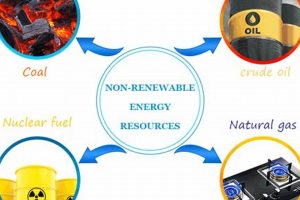
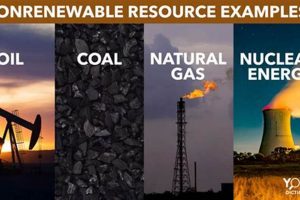
Determining the optimal option within finite power resources necessitates a multifaceted evaluation. This assessment must consider energy density, accessibility, existing infrastructure, environmental impact, and economic viability. Examples include coal, oil, natural gas, and nuclear fission, each presenting unique advantages and disadvantages.
The significance of this comparative analysis lies in informing energy policy, infrastructure development, and investment decisions. Historically, transitions between dominant resources have been driven by technological advancements, resource depletion, and evolving societal priorities. Understanding these factors is crucial for ensuring energy security and mitigating environmental consequences.
The following discussion will delve into the characteristics of various options, weigh their respective costs and benefits, and ultimately present a reasoned perspective on the most strategically advantageous choice in specific contexts. This includes considerations for both present needs and long-term sustainability goals.
Strategic Utilization of Finite Power Resources
The selection and application of any resource within the category of non-renewable energy demand careful consideration. Optimization requires balancing immediate energy demands with long-term environmental and economic consequences.
Tip 1: Prioritize Energy Efficiency: Implementing energy-efficient technologies and practices reduces overall demand, extending the lifespan of existing reserves and minimizing environmental strain. Examples include improved insulation in buildings, fuel-efficient vehicles, and efficient industrial processes.
Tip 2: Diversify Energy Portfolio: Reliance on a single resource exposes a system to price volatility and potential supply disruptions. Diversifying the energy mix with a combination of resources enhances stability and resilience. Explore regional availability to balance the portfolio of energy.
Tip 3: Invest in Carbon Capture and Storage: Mitigating the environmental impact of fossil fuel combustion necessitates investment in carbon capture and storage technologies. This technology captures carbon dioxide emissions from power plants and industrial facilities, preventing their release into the atmosphere.
Tip 4: Optimize Resource Extraction Techniques: Employing advanced extraction techniques can maximize resource recovery while minimizing environmental disruption. This includes responsible mining practices, enhanced oil recovery methods, and careful management of wastewater.
Tip 5: Develop Advanced Nuclear Technologies: Research and development into advanced nuclear reactor designs, such as small modular reactors and thorium reactors, offers the potential for safer, more efficient, and less waste-intensive nuclear power generation.
Tip 6: Implement Smart Grid Technologies: Smart grids optimize energy distribution, reduce transmission losses, and facilitate the integration of distributed generation sources. These technologies enable real-time monitoring and control of the electrical grid, improving efficiency and reliability.
Tip 7: Account for Lifecycle Costs: Evaluating the total lifecycle costs, including extraction, processing, transportation, combustion, waste disposal, and decommissioning, provides a more accurate assessment of the true cost of each resource.
Strategic implementation of these tips will help to reduce negative impact for finite resources.
The subsequent section will summarize the main points and provide concluding remarks to wrap-up this topic.
1. Energy Density

Energy density, defined as the amount of energy stored per unit of volume or mass, significantly influences the suitability of a non-renewable energy source. A higher energy density translates to reduced storage and transportation requirements, potentially lowering costs and minimizing environmental footprint. The connection between energy density and the determination of the “best” option lies in its direct impact on resource efficiency and logistical feasibility. For example, nuclear fuels possess exceptional energy density, necessitating relatively small volumes of fuel compared to coal or natural gas to generate equivalent amounts of electricity. This reduces fuel transportation needs and associated emissions.
However, high energy density is not the sole determinant of the “best” option. Despite the advantages of nuclear fuel’s energy density, factors such as nuclear waste disposal, reactor safety concerns, and high initial infrastructure costs must be considered. Conversely, while coal has a lower energy density, its widespread availability and established infrastructure have made it a significant energy source for many nations. The selection of a resource thus involves a trade-off analysis, balancing energy density with economic, environmental, and social factors. Further improvements in extraction and conversion technologies can also improve the effective energy density and overall economic viability of any source.
In conclusion, energy density serves as a crucial, but not exclusive, factor in assessing a non-renewable energy source. While a higher energy density contributes to resource efficiency and reduces logistical challenges, the overall evaluation necessitates a holistic approach considering environmental impact, economic feasibility, resource availability, and technological maturity. The practical significance of understanding energy density lies in enabling informed decision-making regarding energy policy and infrastructure development, aligning choices with specific regional needs and long-term sustainability goals.
2. Environmental Impact
The environmental impact associated with the extraction, processing, and utilization of non-renewable resources is a paramount consideration when determining the most judicious energy source. This impact encompasses a spectrum of effects, from habitat destruction to atmospheric pollution, and directly influences the long-term sustainability of any energy strategy. Therefore, a comprehensive assessment of these environmental consequences is essential for informed decision-making.
- Greenhouse Gas Emissions
Combustion of fossil fuels releases significant quantities of greenhouse gases, primarily carbon dioxide, contributing to climate change. The intensity of these emissions varies substantially across different resources. Coal, for instance, generates significantly higher carbon dioxide emissions per unit of energy than natural gas. The selection of an energy resource must, therefore, factor in its carbon footprint and the potential for mitigating emissions through technologies like carbon capture and storage.
- Air and Water Pollution
Extraction and processing of resources can lead to air and water pollution, impacting human health and ecosystems. Coal mining, for example, can release heavy metals into waterways, while oil extraction can result in spills and contamination. The implementation of stringent environmental regulations and advanced pollution control technologies can mitigate these impacts, but their effectiveness and cost-effectiveness must be evaluated.
- Land Use and Habitat Destruction
Resource extraction often requires significant land use, leading to habitat destruction and biodiversity loss. Mining operations, in particular, can dramatically alter landscapes and disrupt ecosystems. Sustainable land management practices and habitat restoration efforts are crucial for minimizing these environmental consequences. The overall impact on land usage should be one of major determining factor.
- Waste Disposal
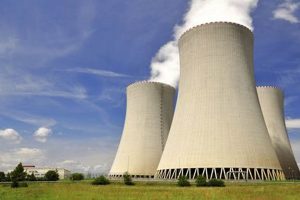
Certain non-renewable resources, such as nuclear fuels, generate radioactive waste that requires long-term storage and disposal. The safe and secure management of this waste poses a significant environmental challenge. The development of advanced reactor designs and waste management strategies is essential for reducing the environmental risks associated with nuclear power.
Ultimately, the determination of a resource necessitates a careful evaluation of its environmental footprint across its entire lifecycle. While certain resources may offer economic advantages, their environmental costs may outweigh these benefits in the long term. Therefore, a holistic approach that considers environmental sustainability alongside economic feasibility and energy security is essential for making informed decisions.
3. Economic Feasibility

Economic feasibility serves as a critical determinant in assessing power sources. The cost associated with extraction, processing, transportation, infrastructure development, and waste management significantly influences resource competitiveness within the energy market. Understanding these economic factors is essential for informed policy decisions and investment strategies.
- Capital Costs and Infrastructure
Initial investment in power plants and related infrastructure constitutes a substantial portion of the overall expense. Nuclear power, for example, demands significant upfront capital for reactor construction and safety systems. Conversely, natural gas power plants typically require lower initial investment. The availability of existing infrastructure, such as pipelines for natural gas or transmission lines for electricity, can significantly reduce costs and improve competitiveness. However, older infrastructure may require modernization, adding to the overall economic burden. Government subsidies and tax incentives can also substantially affect capital expenditure.
- Fuel Costs and Market Volatility
Fluctuations in fuel prices can directly impact the operational expenses of facilities. Oil and natural gas prices are particularly subject to market volatility due to geopolitical factors and supply-demand dynamics. While nuclear fuel costs are relatively stable, the limited number of fuel suppliers and regulatory constraints can introduce price risks. Long-term supply contracts and diversification of fuel sources can mitigate these risks, ensuring a more stable cost structure.
- Operating and Maintenance Costs
Routine maintenance, staffing, and waste disposal contribute to the ongoing operational expenses of facilities. Nuclear power plants, due to stringent safety regulations and specialized maintenance requirements, typically have higher operating costs than fossil fuel facilities. Automated systems and advanced monitoring technologies can improve operational efficiency and reduce labor expenses. Efficient waste management strategies can also minimize disposal costs and environmental liabilities. The level of regulation also influence operating costs.
- Externalities and Environmental Costs
The economic analysis should incorporate the externalities associated with energy production, including environmental damage and public health impacts. Carbon pricing mechanisms, such as carbon taxes or cap-and-trade systems, can internalize these external costs, making sources with lower environmental footprints more economically competitive. Investments in pollution control technologies and remediation efforts can reduce environmental damage, but also add to the overall cost of production. A comprehensive assessment requires consideration of both direct costs and indirect societal impacts.
The interplay of these factors dictates the economic viability of each potential source. A thorough assessment of capital investment, fuel expenses, operational overhead, and external costs allows for a holistic cost-benefit analysis. The ultimate decision requires balancing economic competitiveness with environmental stewardship and long-term energy security, optimizing resource allocation to meet current needs while minimizing future economic and environmental burdens.
4. Resource Availability
The geographic distribution and proven reserves of non-renewable resources exert a profound influence on determining the most strategically advantageous energy source. The abundance and accessibility of a particular resource directly impact its economic viability and geopolitical significance. Regions with substantial domestic reserves of a resource, such as coal in the United States or oil in Saudi Arabia, often prioritize its utilization, fostering energy independence and bolstering economic stability. Conversely, nations lacking indigenous resources may face energy insecurity and heightened vulnerability to global market fluctuations. The extent of available resources, therefore, serves as a fundamental criterion in shaping energy policy and infrastructure development.
The assessment of availability must consider not only the quantity of resources but also the ease and cost of extraction. Resources located in politically unstable regions or requiring technologically challenging extraction methods may be deemed less viable despite their abundance. For example, vast reserves of shale oil exist worldwide, but their economic exploitation hinges on the development and deployment of cost-effective extraction technologies. Furthermore, environmental regulations and societal concerns regarding extraction practices can restrict resource availability, even in regions with significant reserves. The interaction between resource quantity, extraction feasibility, and environmental constraints thus shapes the practical availability of energy resources.
In conclusion, resource availability constitutes a crucial determinant in shaping energy strategies. While the total global reserve of a resource provides a theoretical upper limit on its potential utilization, the practical availability is influenced by geopolitical factors, extraction technologies, and environmental regulations. A comprehensive understanding of these interconnected elements is essential for making informed decisions about energy investments and policies, ensuring a sustainable and secure energy future. Energy diversification, regional collaboration, and technological innovation are key strategies for mitigating the challenges associated with uneven resource distribution and maximizing energy security.
5. Technological Maturity

The degree of technological maturity profoundly impacts the viability of any energy source, particularly within the realm of finite resources. A technology’s readiness for widespread deployment dictates its efficiency, reliability, environmental impact, and economic competitiveness. Consequently, technological maturity is not merely a desirable attribute but a critical component in determining the optimal finite power option. Immature technologies, despite promising theoretical advantages, often present significant challenges, including high costs, operational uncertainties, and potential environmental risks, thereby precluding their immediate suitability as a primary energy source. For instance, early coal-fired power plants suffered from low efficiency and excessive pollution. Only through decades of technological advancements, including improved combustion techniques and emission control systems, did coal become a more viable energy source. Similarly, nuclear fission technology, while possessing high energy density, faces challenges related to waste disposal and reactor safety, driving ongoing research into advanced reactor designs and waste management strategies.
The assessment of technological maturity must extend beyond the core energy conversion process to encompass the entire value chain, from resource extraction to waste disposal. Advanced drilling techniques, such as hydraulic fracturing, have unlocked previously inaccessible oil and gas reserves, significantly increasing their availability. However, the environmental consequences of these technologies necessitate careful consideration and mitigation strategies. Similarly, advancements in carbon capture and storage technologies hold the potential to reduce greenhouse gas emissions from fossil fuel power plants, but their widespread deployment hinges on further technological development and economic optimization. The practical application of mature technologies translates to greater energy security, reduced environmental impact, and enhanced economic stability. For example, the widespread adoption of combined-cycle gas turbine technology has significantly improved the efficiency of natural gas power plants, reducing fuel consumption and greenhouse gas emissions. Advanced transmission grids are also examples for the power that can transferred at low lost by this kind of technology.
In conclusion, technological maturity serves as a pivotal criterion in evaluating sources. A holistic approach necessitates assessing not only the core energy conversion technology but also the associated extraction, processing, and waste management processes. Immature technologies, while potentially transformative in the long term, often require significant investment and further development before they can be considered viable large-scale options. The selection of an energy source, therefore, involves a careful balancing act, weighing the potential benefits of emerging technologies against the proven reliability and cost-effectiveness of established methods. This balance should be carefully considered on any energy related plan to avoid waste of resource and budget planning.
Frequently Asked Questions
The following addresses common inquiries concerning the strategic selection and utilization of finite energy resources. The information aims to clarify misconceptions and provide a balanced perspective on this complex topic.
Question 1: Is there a single “best” finite energy resource applicable to all situations?
No. The optimal option is contingent on a multitude of factors, including regional resource availability, existing infrastructure, environmental regulations, and economic priorities. A solution suitable for one context may be inappropriate for another.
Question 2: How is “best” defined in the context of energy sources?
Best is defined by a combination of factors. The term encompasses considerations of energy density, environmental impact, economic feasibility, security of supply, and technological maturity. Optimization involves striking a balance between these often competing priorities.
Question 3: What role does environmental impact play in source selection?
Environmental impact is paramount. Greenhouse gas emissions, air and water pollution, habitat destruction, and waste disposal concerns must be meticulously evaluated. A lower environmental footprint often translates to greater long-term sustainability, despite potentially higher upfront costs.
Question 4: Are there any scenarios where coal remains a strategically sound choice?
In regions with abundant and readily accessible coal reserves, and where economic constraints preclude the immediate adoption of cleaner alternatives, coal may serve as a transitional fuel source. However, such utilization necessitates the deployment of advanced emission control technologies and carbon capture systems to mitigate environmental consequences. Transition to greener technology should happen.
Question 5: What are the primary limitations of nuclear fission as a main option?
The principal limitations include the risks associated with nuclear accidents, the challenge of long-term radioactive waste disposal, and the high capital costs associated with reactor construction and decommissioning. Public perception and security concerns also pose significant hurdles to widespread adoption.
Question 6: How can energy efficiency contribute to optimizing resource selection?
Enhanced energy efficiency reduces overall demand, extending the lifespan of existing reserves and minimizing environmental impact. Investments in energy-efficient technologies and practices can significantly reduce the reliance on any single resource, improving overall energy system resilience.
In summary, a holistic and context-aware approach is essential for determining the optimal energy source. Balancing economic considerations, environmental stewardship, and long-term sustainability goals is key to ensuring a secure and environmentally responsible energy future.
The next section will provide a concluding overview, summarizing the key insights and recommendations derived from the preceding discussions.
Concluding Remarks
This exploration of what constitutes the best finite energy resource reveals a multifaceted landscape. The selection is not a universal constant but a dynamic variable, contingent upon a complex interplay of factors. Energy density, environmental consequences, economic viability, resource availability, and technological maturity each exert a defining influence, necessitating a nuanced and context-specific assessment. Reliance on any single criterion risks overlooking critical trade-offs, leading to suboptimal outcomes. A holistic approach, integrating these diverse considerations, is paramount for informed decision-making.
The strategic imperative lies in adopting a forward-looking perspective, acknowledging the inherent limitations of finite resources and the urgency of mitigating environmental impacts. Investment in energy efficiency, diversification of energy portfolios, and the development of innovative technologies are essential steps. Furthermore, transparent and evidence-based policy frameworks are crucial for guiding resource allocation and fostering a sustainable energy future. The responsible management of these resources demands unwavering commitment to both present needs and long-term planetary well-being.