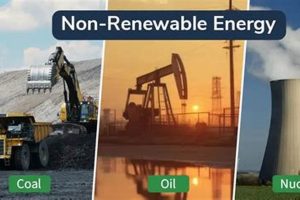
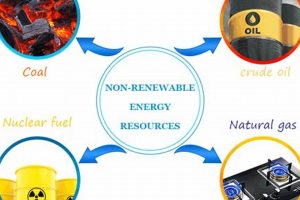
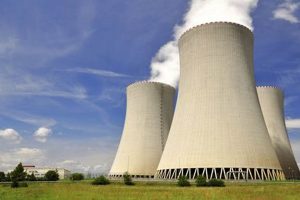
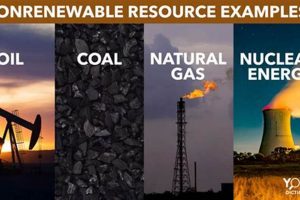
Finite resources like fossil fuels (coal, oil, and natural gas) and nuclear fuels (uranium) constitute sources of energy that are not replenished at a rate commensurate with their consumption. Conversely, sustainable sources such as solar, wind, hydro, geothermal, and biomass are naturally replenished over relatively short periods, offering a continuous flow of energy.
The shift towards sustainable energy sources is crucial for environmental sustainability and energy security. Fossil fuel combustion releases greenhouse gases, contributing to climate change. Nuclear energy, while not emitting greenhouse gases during operation, presents challenges related to waste disposal and potential safety risks. Sustainable sources offer a cleaner alternative, mitigating climate change and reducing dependence on finite resources. Historically, societies relied heavily on readily available fossil fuels, but growing awareness of their environmental impact and the increasing feasibility of sustainable alternatives has driven a significant global transition towards cleaner energy production.
The following sections will explore specific types of finite and sustainable energy resources in greater detail, comparing their respective advantages, disadvantages, and current roles in the global energy landscape. Additionally, the discussion will address the economic and geopolitical implications of the ongoing energy transition.
Practical Steps Towards Sustainable Energy Adoption
Transitioning towards sustainable practices involves conscious choices at both individual and collective levels. The following tips offer guidance for promoting responsible energy consumption and supporting the shift towards a more sustainable energy future.
Tip 1: Improve Energy Efficiency at Home: Simple measures like sealing drafts, upgrading insulation, and using energy-efficient appliances can significantly reduce energy consumption and lower utility bills.
Tip 2: Embrace Renewable Energy Sources: Consider installing solar panels or exploring community solar projects to directly utilize sustainable energy.
Tip 3: Support Sustainable Transportation: Opt for walking, cycling, or public transport whenever possible. For longer distances, consider electric or hybrid vehicles.
Tip 4: Advocate for Policy Changes: Support policies that incentivize sustainable energy development and discourage reliance on finite resources.
Tip 5: Invest Responsibly: Direct investments towards companies committed to sustainable practices and technologies.
Tip 6: Educate and Raise Awareness: Promote understanding of energy issues and encourage others to adopt sustainable practices.
Tip 7: Reduce, Reuse, and Recycle: Minimizing waste and maximizing the lifespan of products indirectly reduces energy consumption associated with manufacturing and disposal.
Adopting these measures can contribute to a significant reduction in reliance on finite resources, mitigating environmental impact and fostering a more sustainable energy landscape. These individual actions, combined with larger-scale policy changes and technological advancements, are essential for paving the way towards a cleaner and more secure energy future.
The concluding section will summarize the key arguments and offer a perspective on the future of energy production and consumption.
1. Resource Availability (Finite vs. Infinite)

A fundamental distinction between non-renewable and renewable energy sources lies in their availability. Non-renewable resources exist in finite quantities, whereas renewable resources are naturally replenished over relatively short timescales. This core difference has significant implications for long-term energy planning and sustainability.
- Fossil Fuel Depletion:
Fossil fuels, formed over millions of years, are being consumed at a rate far exceeding their natural replenishment. The depletion of these resources poses a significant challenge to energy security, necessitating the development and adoption of alternative energy sources. For instance, proven oil reserves are estimated to last for a limited number of decades at current consumption rates.
- Renewable Replenishment:
Renewable resources, such as solar, wind, and hydro, are continuously replenished by natural processes. Solar energy, derived from the sun, is effectively inexhaustible on a human timescale. Similarly, wind and hydro power are driven by weather patterns and the water cycle, respectively, ensuring a continuous supply. This continuous replenishment makes them inherently sustainable.
- Resource Accessibility and Distribution:
While renewable resources are virtually infinite, their accessibility and distribution vary geographically. Solar energy is more abundant in equatorial regions, while wind resources are concentrated in certain coastal areas and mountainous regions. Understanding these geographic variations is crucial for optimizing renewable energy deployment and infrastructure planning. For example, offshore wind farms are strategically placed in areas with high and consistent wind speeds.
- Implications for Future Energy Security:
The finite nature of non-renewable resources necessitates a transition towards renewable energy sources to ensure long-term energy security. Over-reliance on depleting resources creates vulnerabilities to price volatility and geopolitical instability. Diversifying energy portfolios with renewable sources enhances energy independence and resilience.
The contrast in resource availability between non-renewable and renewable energy underscores the importance of investing in and transitioning towards sustainable energy solutions. The long-term viability of global energy systems hinges on embracing resources that are not only environmentally sound but also readily available and replenishable for generations to come.
2. Environmental Impact (Pollution vs. Clean)

A critical aspect of the comparison between non-renewable and renewable energy sources lies in their environmental impact. Non-renewable energy sources, particularly fossil fuels, are major contributors to air and water pollution, while renewable sources offer a significantly cleaner alternative. This difference has profound implications for environmental health, climate change, and the overall sustainability of energy systems.
- Greenhouse Gas Emissions:
Combustion of fossil fuels releases substantial amounts of greenhouse gases, primarily carbon dioxide, into the atmosphere. These gases trap heat, contributing to global warming and climate change. Renewable energy sources, in contrast, produce minimal greenhouse gas emissions during operation. For example, a solar panel generates electricity without directly emitting any greenhouse gases. This fundamental difference makes renewable energy crucial for mitigating climate change.
- Air and Water Quality:
Fossil fuel combustion also releases pollutants such as sulfur dioxide, nitrogen oxides, and particulate matter, which contribute to respiratory problems and other health issues. Extraction and transportation of fossil fuels can also lead to water contamination through spills and leaks. Renewable energy sources generally have a much smaller impact on air and water quality. For instance, wind turbines do not emit air pollutants, and hydroelectric dams, while potentially impacting local ecosystems, do not contribute to air pollution.
- Land Use and Habitat Disruption:
Both non-renewable and renewable energy sources require land use, which can potentially disrupt habitats. Fossil fuel extraction, particularly coal mining, can lead to deforestation and soil erosion. Large-scale renewable energy projects, such as hydroelectric dams and solar farms, can also alter landscapes and affect wildlife. However, the overall land-use impact of renewable energy is often considered lower than that of fossil fuels, especially considering the lifecycle impacts. For example, a solar farm can share land with agricultural activities or be located on previously disturbed land.
- Waste Management:
Nuclear energy, while not emitting greenhouse gases during operation, generates radioactive waste that requires long-term storage and disposal. Fossil fuel combustion also produces ash and other byproducts that require disposal. Renewable energy sources produce minimal waste. For example, decommissioned solar panels can be recycled, recovering valuable materials.
The environmental impact of energy sources plays a crucial role in shaping energy policies and investment decisions. The transition towards renewable energy is essential not only for mitigating climate change but also for improving air and water quality, minimizing land-use impacts, and reducing waste generation. The long-term health of ecosystems and human populations depends on prioritizing cleaner and more sustainable energy solutions.
3. Cost (Fluctuating vs. Stable)
The cost of energy production and consumption represents a significant factor influencing the transition from non-renewable to renewable sources. While historically non-renewable energy sources like fossil fuels have often appeared cheaper, their price volatility poses significant economic risks. Renewable energy sources, on the other hand, are becoming increasingly cost-competitive, offering greater price stability in the long term. Understanding these cost dynamics is essential for informed energy policy and investment decisions.
- Fossil Fuel Price Volatility:
Fossil fuel prices are inherently volatile, subject to fluctuations in global supply and demand, geopolitical instability, and resource scarcity. This volatility can create economic uncertainty for businesses and consumers, making long-term energy planning challenging. For example, oil price shocks can significantly impact transportation costs and manufacturing expenses, rippling through the economy.
- Declining Costs of Renewable Energy:
Technological advancements and economies of scale have driven down the cost of renewable energy technologies significantly in recent years. Solar and wind power, in particular, have become increasingly competitive with fossil fuels in many regions. This cost decline makes renewable energy an increasingly attractive option for both large-scale energy projects and individual consumers.
- Externalized Costs of Non-Renewable Energy:
The price of fossil fuels often does not reflect the full cost to society, including the environmental and health impacts associated with their use. These externalized costs, such as air pollution and climate change mitigation, are borne by the public. Accounting for these external costs would likely make fossil fuels less economically attractive compared to renewable alternatives.
- Long-Term Cost Predictability of Renewables:
Renewable energy sources, once installed, offer greater price predictability compared to fossil fuels. While upfront investment costs can be significant, the fuel source itself (sunlight, wind, water) is essentially free. This predictability allows for better long-term financial planning and reduces exposure to price fluctuations. Furthermore, maintenance costs for renewable energy systems are generally lower than those for fossil fuel-based power plants.
The shifting cost landscape of energy production is a key driver of the transition towards renewable sources. As renewable energy technologies continue to mature and become more cost-effective, they offer not only environmental benefits but also greater economic stability and long-term cost predictability. This transition requires strategic investments in renewable energy infrastructure and policies that accurately reflect the true cost of both non-renewable and renewable energy sources.
4. Energy Security (Dependence vs. Independence)

Energy security is intrinsically linked to the choice between non-renewable and renewable energy sources. Reliance on finite, geographically concentrated resources like fossil fuels creates vulnerabilities and dependencies, while diversified renewable energy portfolios enhance energy independence and resilience. This distinction has significant geopolitical and economic implications.
Non-renewable resources, particularly oil and natural gas, are often concentrated in specific regions of the world. This concentration creates dependencies for nations lacking these resources, making them vulnerable to price fluctuations and geopolitical instability. For example, reliance on imported natural gas can leave a nation susceptible to supply disruptions due to political conflicts or pipeline damage in the exporting country. Conversely, renewable resources like solar and wind are more geographically dispersed, allowing nations to generate power domestically, reducing reliance on volatile international markets and enhancing energy security. Denmark’s significant investment in wind power, for instance, has transformed the nation from an energy importer to a net exporter, enhancing its energy independence.
The transition to renewable energy sources strengthens energy security by diversifying energy portfolios. Over-reliance on a single source of energy, such as oil, creates vulnerabilities. A diversified energy mix that includes solar, wind, hydro, and geothermal resources enhances resilience against disruptions to any single source. Furthermore, distributed generation, such as rooftop solar panels, enhances grid stability and reduces the impact of large-scale power outages. Investing in renewable energy infrastructure and technologies reduces dependence on imported fuels, strengthens domestic energy production, and enhances long-term energy security. The shift towards renewable energy not only addresses environmental concerns but also contributes to greater geopolitical stability and economic resilience.
5. Technological Maturity (Established vs. Developing)

A crucial aspect of the non-renewable versus renewable energy discourse revolves around the relative technological maturity of each sector. Non-renewable energy technologies, particularly those associated with fossil fuels, have benefited from over a century of development, resulting in highly efficient and established infrastructure. Renewable energy technologies, while advancing rapidly, are generally less mature. This difference in technological maturity influences cost, efficiency, reliability, and the overall pace of the energy transition.
- Research and Development Investments:
Fossil fuel technologies have historically received substantial research and development investments, leading to highly optimized extraction, processing, and combustion processes. Renewable energy technologies are now attracting increasing investment, driving innovation and accelerating cost reductions. For instance, advancements in solar cell technology have led to significant efficiency improvements and lower manufacturing costs. Continued investment in renewable energy research is crucial for achieving grid parity and accelerating widespread adoption.
- Infrastructure Development:
The non-renewable energy sector benefits from extensive existing infrastructure, including pipelines, refineries, and power plants. Developing comparable infrastructure for renewable energy sources requires significant investment and presents logistical challenges. For example, expanding transmission lines to connect remote wind farms to the electricity grid requires careful planning and coordination. Building robust infrastructure is essential for integrating renewable energy sources effectively into existing energy systems.
- Efficiency and Reliability:
Fossil fuel power plants generally achieve higher efficiency rates compared to renewable energy sources, although this gap is narrowing. The intermittent nature of solar and wind power also poses challenges to grid stability, requiring energy storage solutions and smart grid technologies. For instance, pumped hydro storage can help balance the intermittency of renewable energy sources. Improving the efficiency and reliability of renewable energy technologies is crucial for their seamless integration into the energy mix.
- Workforce Development and Training:
The established non-renewable energy sector has a large and experienced workforce. The rapidly growing renewable energy sector requires skilled workers in areas such as installation, maintenance, and manufacturing. Investing in workforce development and training programs is essential for supporting the growth of the renewable energy industry and ensuring a smooth transition.
The difference in technological maturity between non-renewable and renewable energy sources has significant implications for the ongoing energy transition. While non-renewable technologies benefit from established infrastructure and high efficiency, renewable energy technologies are rapidly advancing, driven by innovation and decreasing costs. Continued investment in research, development, and infrastructure is crucial for overcoming the challenges associated with renewable energy integration and accelerating the shift towards a sustainable energy future. The interplay between technological advancements, policy support, and market forces will ultimately determine the pace and trajectory of this transformative process.
6. Geographic Distribution (Concentrated vs. Dispersed)

The geographic distribution of energy resources plays a significant role in shaping energy security, infrastructure development, and international relations. Non-renewable energy resources, particularly fossil fuels, are often concentrated in specific regions, leading to geopolitical dependencies and potential vulnerabilities. Renewable energy resources, while more widely distributed, exhibit variability in their availability, requiring careful planning and infrastructure adaptation.
Fossil fuel reserves are geographically concentrated, with significant deposits located in specific regions like the Middle East, Russia, and North America. This uneven distribution creates dependencies for nations lacking these resources, necessitating imports and potentially exposing them to price volatility and geopolitical risks. For example, European nations’ reliance on Russian natural gas has highlighted the vulnerability associated with concentrated energy supplies. Conversely, renewable energy resources like solar and wind are more geographically dispersed. While solar energy is more abundant in equatorial regions, solar resources are nonetheless available globally. Similarly, wind resources are present across various regions, both onshore and offshore. This dispersed nature offers opportunities for localized energy production, reducing reliance on long-distance transmission and enhancing energy independence. Denmark’s success in harnessing wind power demonstrates the potential for nations to leverage geographically dispersed resources to achieve energy security.
The geographic distribution of energy resources has significant implications for infrastructure development. Concentrated non-renewable resources often require extensive pipeline networks and tanker transport, posing environmental risks and logistical challenges. Dispersed renewable resources necessitate distributed generation infrastructure and grid modernization to effectively integrate variable energy sources like solar and wind. The development of smart grids and energy storage solutions is crucial for maximizing the benefits of geographically dispersed renewable energy. Understanding the geographic distribution of energy resources is essential for strategic planning, policy development, and investment decisions. This understanding informs infrastructure development, international cooperation, and the transition towards a more sustainable and secure energy future. Addressing the challenges and opportunities associated with both concentrated and dispersed energy resources is crucial for navigating the complexities of the global energy landscape.
Frequently Asked Questions
This section addresses common inquiries regarding the distinctions between non-renewable and renewable energy sources, aiming to provide clear and concise information for informed decision-making.
Question 1: What is the primary difference between non-renewable and renewable energy?
Non-renewable energy sources, like fossil fuels, are finite and deplete over time. Renewable energy sources, such as solar and wind, are naturally replenished and virtually inexhaustible.
Question 2: Why is the transition to renewable energy important?
Transitioning to renewable energy is crucial for mitigating climate change, improving air and water quality, enhancing energy security, and fostering sustainable economic growth.
Question 3: Are renewable energy sources reliable enough to meet global energy demands?
Technological advancements and grid management strategies are continuously improving the reliability of renewable energy. Integrating diverse renewable sources and implementing energy storage solutions can ensure a stable and reliable energy supply.
Question 4: What are the main economic implications of transitioning to renewable energy?
Transitioning to renewable energy creates economic opportunities through job creation in manufacturing, installation, and maintenance, while reducing healthcare costs associated with pollution and fostering energy independence.
Question 5: How can individuals contribute to the transition to renewable energy?
Individuals can contribute by adopting energy-efficient practices, supporting policies that promote renewable energy, investing in renewable energy technologies, and raising awareness about the benefits of sustainable energy.
Question 6: What are the main challenges hindering the widespread adoption of renewable energy?
Challenges include upfront infrastructure costs, intermittency of some renewable sources, and the need for grid modernization and energy storage solutions. Ongoing research and development are addressing these challenges, driving down costs and improving reliability.
Understanding the nuances of non-renewable and renewable energy sources is essential for informed decision-making. The transition towards a sustainable energy future requires a comprehensive approach encompassing technological advancements, policy support, and individual actions.
The following section delves deeper into specific types of renewable energy technologies and their respective advantages and disadvantages.
Conclusion
The examination of non-renewable versus renewable energy sources reveals a critical juncture in the evolution of global energy systems. Non-renewable resources, while currently dominant, present inherent limitations regarding finite availability, environmental impact, and price volatility. Renewable energy sources, by contrast, offer a sustainable pathway towards energy independence, environmental stewardship, and long-term economic stability. The transition, however, requires addressing challenges related to technological maturity, infrastructure development, and grid integration.
The imperative for a sustainable energy future necessitates a decisive shift towards renewable energy sources. Continued investment in research, development, and infrastructure, coupled with supportive policies and informed consumer choices, will be crucial for accelerating this transition. The choices made today regarding energy production and consumption will profoundly impact the well-being of future generations and the health of the planet. Embracing the potential of renewable energy represents not merely a technological shift but a fundamental commitment to a sustainable and prosperous future.