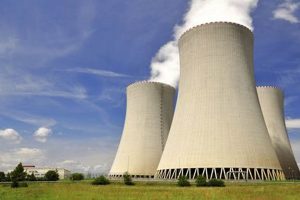
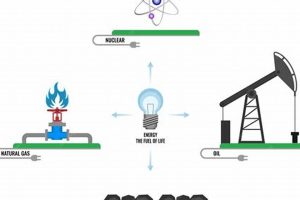
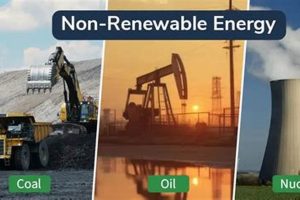
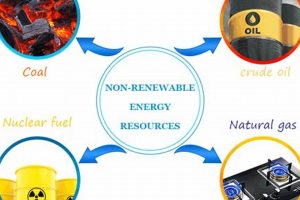
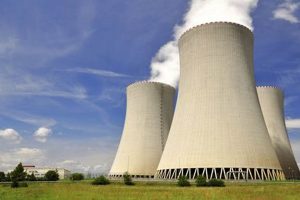
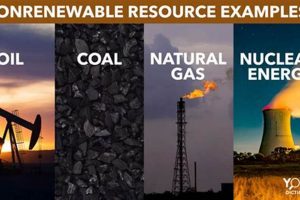
Energy resources are broadly categorized based on their replenishment rate. Resources that naturally replenish over a human timescale are considered sustainable and include solar, wind, hydro, geothermal, and biomass energy. Conversely, resources with finite reserves that diminish with use are classified as unsustainable, such as fossil fuels (coal, oil, and natural gas) and nuclear energy derived from uranium.
Sustainable energy offers significant advantages, including reduced greenhouse gas emissions, mitigating climate change, and enhancing energy security by decreasing reliance on finite resources often sourced from volatile geopolitical regions. Historically, societies relied heavily on unsustainable energy, leading to industrial advancements but also contributing to environmental challenges. The growing awareness of these challenges has propelled the transition toward sustainable alternatives.
This article will further explore the diverse forms of sustainable and unsustainable energy, delving into their specific advantages, disadvantages, and potential future roles in meeting global energy demands.
Practical Steps Towards Sustainable Energy Adoption
Transitioning towards a future powered by sustainable energy requires a multifaceted approach encompassing individual actions, policy changes, and technological advancements. The following recommendations offer practical guidance for promoting responsible energy consumption and supporting the growth of sustainable energy infrastructure.
Tip 1: Improve Energy Efficiency at Home: Implementing simple measures like using energy-efficient appliances, sealing air leaks, and optimizing heating and cooling systems can significantly reduce energy consumption and reliance on unsustainable resources.
Tip 2: Explore Renewable Energy Options: Consider installing solar panels, utilizing wind power, or investing in community solar projects to directly support and benefit from sustainable energy generation.
Tip 3: Advocate for Supportive Policies: Engage with local and national governments to advocate for policies that incentivize the development and adoption of sustainable energy technologies and infrastructure.
Tip 4: Support Businesses Committed to Sustainability: Choose to patronize businesses that prioritize sustainable practices and invest in renewable energy, thereby driving market demand for responsible energy solutions.
Tip 5: Educate and Engage Your Community: Share information about the benefits of sustainable energy with family, friends, and community members to raise awareness and foster broader support for the transition.
Tip 6: Invest Responsibly: Direct investments towards companies and projects focused on developing and deploying sustainable energy technologies, accelerating the growth of the sector.
Tip 7: Reduce, Reuse, and Recycle: Embracing the principles of reducing consumption, reusing materials, and recycling waste minimizes the energy required for manufacturing and disposal, indirectly supporting energy sustainability.
By adopting these practices, individuals and communities can contribute significantly to the global shift towards sustainable energy, mitigating environmental impacts and ensuring a more secure energy future.
These individual and collective actions are crucial for paving the way toward a sustainable energy future. The subsequent sections will delve into specific sustainable energy technologies and their potential to reshape the global energy landscape.
1. Replenishment Rate

Replenishment rate stands as a fundamental differentiator between renewable and non-renewable energy sources. It describes the speed at which a resource naturally replenishes itself. Renewable resources, such as solar, wind, hydro, and geothermal, possess high replenishment rates, effectively making them inexhaustible on a human timescale. Sunlight continuously bathes the earth, winds persistently blow, and geothermal heat consistently radiates from the Earth’s core. Conversely, non-renewable resources like fossil fuels (coal, oil, and natural gas) and uranium are characterized by extremely slow replenishment rates, taking millions of years to form. Their consumption rate significantly outpaces their formation, leading to depletion of finite reserves.
This distinction carries profound implications for long-term energy sustainability. Reliance on resources with rapid replenishment ensures a consistent energy supply for future generations, mitigating the risks associated with resource depletion. For example, while a coal-fired power plant eventually exhausts its fuel source, a solar farm can continue generating electricity indefinitely, provided it is maintained. Understanding replenishment rates is therefore crucial for strategic energy planning and policy development, guiding the transition towards a sustainable energy future. The rapid depletion of fossil fuels necessitates exploration and adoption of alternatives with sustainable replenishment rates.
In summary, replenishment rate serves as a critical factor in classifying and evaluating energy resources. Prioritizing resources with high replenishment rates, such as solar, wind, and geothermal, is essential for ensuring long-term energy security and mitigating the environmental consequences associated with the depletion of finite resources. The transition towards sustainable energy systems hinges on this fundamental principle.
2. Environmental Impact

Environmental impact represents a critical consideration in evaluating energy sources. Non-renewable sources, particularly fossil fuels, contribute significantly to air and water pollution, habitat destruction, and greenhouse gas emissions, the primary driver of climate change. Combustion of coal, oil, and natural gas releases carbon dioxide, methane, and other pollutants into the atmosphere, exacerbating global warming and associated environmental consequences. Extraction processes, such as mining and drilling, also disrupt ecosystems and pose risks of spills and leaks, with potentially devastating environmental impacts. For example, oil spills can contaminate vast stretches of ocean, harming marine life and coastal communities. Furthermore, the disposal of nuclear waste from nuclear power plants presents long-term challenges due to its radioactivity.
Renewable sources offer a significantly lower environmental footprint. Solar and wind energy generate electricity without direct greenhouse gas emissions, reducing reliance on fossil fuels and mitigating climate change. Hydropower, while generally considered clean, can alter river ecosystems and impact fish populations. Geothermal energy, although sustainable, may release small amounts of greenhouse gases. Biomass energy, while renewable, can contribute to air pollution if not managed sustainably. For instance, burning wood for fuel releases particulate matter and other pollutants. Life-cycle assessments, considering all stages from resource extraction to disposal, provide a comprehensive evaluation of the environmental impact of different energy sources. Such assessments reveal the significant advantages of renewable sources in mitigating environmental damage.
Transitioning towards a greater reliance on renewable energy is crucial for minimizing environmental damage and mitigating climate change. Addressing the environmental impacts of energy production is essential for ensuring a sustainable future. The environmental benefits of renewable sources represent a key driver for their continued development and adoption. Policy decisions and technological advancements play a vital role in accelerating this transition and mitigating the environmental consequences associated with non-renewable energy sources. Balancing energy needs with environmental protection remains a crucial challenge in achieving global sustainability.
3. Resource Availability

Resource availability significantly influences the viability and sustainability of energy production. Non-renewable resources, by definition, exist in finite quantities. Fossil fuel reserves, formed over millions of years, are being depleted at a rate far exceeding their natural replenishment. This finite nature necessitates ongoing exploration and extraction, often in increasingly challenging and environmentally sensitive locations. Uranium, the fuel for nuclear power, is also a finite resource, although relatively abundant compared to fossil fuels. The geographic distribution of these resources also creates geopolitical complexities and potential vulnerabilities for nations reliant on imports. For instance, dependence on foreign oil can expose a country to price volatility and supply disruptions.
Renewable resources, in contrast, offer a more secure and sustainable supply. Solar energy, derived from sunlight, is virtually inexhaustible. Wind energy, driven by atmospheric circulation, is similarly abundant. Hydropower relies on the continuous water cycle. Geothermal energy harnesses the Earth’s internal heat. While the intensity of these resources varies geographically, their inherent renewability eliminates concerns about depletion. However, harnessing these resources requires specific geographical conditions and technological infrastructure. For example, effective hydropower generation necessitates suitable river systems and dam construction, while geothermal power plants require access to geothermally active areas. Despite these considerations, the long-term availability of renewable resources offers a significant advantage over finite non-renewable resources.
The distinction between finite and renewable resources underscores the importance of transitioning towards sustainable energy systems. Dependence on dwindling fossil fuel reserves presents significant economic, environmental, and geopolitical risks. Investing in renewable energy infrastructure and technologies ensures long-term energy security and mitigates the negative consequences associated with resource depletion. Strategic resource management, coupled with technological innovation, is crucial for maximizing the benefits of abundant renewable resources and ensuring a sustainable energy future. The availability of resources directly influences the feasibility and sustainability of different energy production methods, emphasizing the strategic importance of renewable resources.
4. Energy Security

Energy security is intrinsically linked to the choice between renewable and non-renewable sources. It encompasses the reliable availability of energy resources at affordable prices, while also considering environmental sustainability and geopolitical factors. The dependence on non-renewable resources, particularly fossil fuels, often creates vulnerabilities, while the adoption of renewable sources enhances energy independence and resilience.
- Import Dependence:
Reliance on imported fossil fuels exposes nations to price volatility, supply disruptions, and geopolitical instability. Diversifying energy sources through the development of domestic renewable energy resources enhances energy independence and reduces vulnerability to external factors. For example, countries heavily reliant on imported natural gas may face price spikes and supply shortages during geopolitical conflicts, whereas countries with significant domestic wind or solar capacity maintain greater energy security. This dependence also influences international relations and trade agreements.
- Price Volatility:
Fossil fuel prices fluctuate significantly due to market forces, geopolitical events, and resource scarcity. This volatility poses economic challenges for businesses and consumers. Renewable energy sources, once established, offer greater price stability due to their inherent renewability and reduced reliance on volatile global commodity markets. For instance, while oil prices can fluctuate dramatically based on global supply and demand, the cost of operating a solar farm remains relatively stable after the initial investment.
- Supply Disruptions:
Natural disasters, geopolitical conflicts, and technical failures can disrupt the supply of fossil fuels, leading to energy shortages and economic disruption. Renewable energy sources, being distributed and decentralized, offer greater resilience against such disruptions. A localized storm may damage a portion of a wind farm, but it is less likely to cripple an entire region’s energy supply compared to a disruption at a centralized fossil fuel power plant or pipeline.
- Geopolitical Stability:
Competition for finite fossil fuel resources can exacerbate geopolitical tensions and conflicts. Transitioning towards renewable energy reduces reliance on these contested resources, promoting greater international stability. For example, reducing dependence on oil from volatile regions through investments in solar energy can lessen international tensions related to resource control and access. This shift towards renewable energy fosters a more cooperative and sustainable global energy landscape.
The pursuit of energy security thus necessitates a strategic shift towards renewable energy sources. By diversifying energy portfolios and reducing dependence on finite and geographically concentrated resources, nations can enhance their energy independence, economic stability, and environmental sustainability. The transition towards renewable energy represents a crucial step towards a more secure and sustainable energy future, mitigating the risks associated with non-renewable resources.
5. Economic Considerations
Economic considerations play a crucial role in shaping energy policy and influencing the transition towards sustainable energy systems. Evaluating the economic implications of different energy sources requires a comprehensive assessment of costs, benefits, and long-term financial sustainability. This analysis must encompass not only the direct costs of energy production but also the broader economic impacts, including job creation, technological innovation, and the potential for economic growth.
- Capital Costs:
Renewable energy technologies often entail higher upfront capital costs compared to traditional fossil fuel-based power plants. Building wind farms, solar installations, or geothermal power plants requires significant initial investment in infrastructure and equipment. However, ongoing operational costs are generally lower due to the absence of fuel expenses. Fossil fuel power plants, while cheaper to build initially, incur substantial ongoing fuel costs, which are subject to market fluctuations. This initial cost barrier for renewables can be addressed through government incentives, tax credits, and innovative financing mechanisms. Ultimately, the long-term cost-effectiveness of renewable energy is increasingly competitive with fossil fuels, particularly as technology advances and economies of scale are achieved. For example, the declining cost of solar photovoltaic panels has made solar energy a cost-competitive option in many regions.
- Operating and Maintenance Costs:
Renewable energy technologies generally exhibit lower operating and maintenance costs compared to fossil fuel-based systems. Solar and wind power plants require minimal maintenance, and their fuel source (sunlight and wind) is free. Fossil fuel plants, on the other hand, require substantial ongoing expenses for fuel procurement, transportation, and storage, as well as more extensive maintenance due to the complexity of their mechanical systems. These lower operational costs contribute to the long-term economic viability of renewable energy. For instance, a wind turbine requires periodic maintenance checks and occasional component replacements, but it does not require continuous fuel purchases like a coal-fired power plant.
- Job Creation:
The renewable energy sector represents a significant source of job creation, offering employment opportunities in manufacturing, installation, maintenance, and research. The expanding renewable energy market stimulates economic growth and provides skilled jobs in emerging industries. While the fossil fuel industry also provides employment, the renewable energy sector exhibits higher job creation potential per unit of energy generated. For example, installing and maintaining solar panels requires a skilled workforce, creating jobs in local communities. The transition to a renewable energy economy thus presents opportunities for economic diversification and job growth.
- Economic Growth and Innovation:
Investments in renewable energy technologies drive technological innovation and stimulate economic growth. Research and development in renewable energy lead to advancements in materials science, energy storage, and smart grid technologies, creating new economic opportunities. The transition to a sustainable energy system fosters innovation and competitiveness, positioning economies for long-term growth. For instance, advancements in battery technology, driven by the need for efficient energy storage for renewable energy sources, have spurred a new industry and created numerous jobs.
The economic considerations associated with renewable and non-renewable energy sources are complex and multifaceted. While renewable energy technologies may require higher initial investments, their lower operating costs, job creation potential, and contribution to technological innovation position them as a driver of sustainable economic growth. As technology continues to advance and economies of scale are realized, the economic competitiveness of renewable energy will further strengthen, paving the way for a more sustainable and prosperous energy future. The long-term economic benefits of transitioning towards renewable energy outweigh the initial costs, offering a path towards greater energy security, environmental sustainability, and economic prosperity. This transition requires careful planning, policy support, and ongoing investment in research and development to fully realize the economic potential of renewable energy.
6. Technological Development
Technological advancements play a crucial role in the evolution of energy systems, influencing both the extraction and utilization of renewable and non-renewable sources. Innovation drives efficiency improvements, cost reductions, and the development of novel energy solutions. Examining specific technological facets reveals the profound impact of innovation on the energy landscape.
- Exploration and Extraction:
Technological advancements significantly impact the exploration and extraction of both renewable and non-renewable resources. In the fossil fuel industry, techniques like hydraulic fracturing (“fracking”) and horizontal drilling have enabled access to previously unreachable reserves, increasing production but also raising environmental concerns. In the renewable energy sector, advancements in materials science and manufacturing processes have led to more efficient and durable solar panels, wind turbines, and geothermal power systems. These developments directly influence the economic viability and environmental impact of energy production. For example, improved drilling technologies have increased the accessibility of natural gas, while advancements in photovoltaic cell technology have reduced the cost of solar power. These innovations shape the energy landscape by altering the accessibility and cost-effectiveness of different energy sources.
- Energy Conversion and Storage:
Technological progress drives improvements in energy conversion and storage technologies. More efficient power plants, utilizing advanced combustion technologies or combined cycle gas turbines, maximize energy output from fossil fuels while reducing emissions. Similarly, advancements in battery technology and pumped hydro storage enhance the feasibility of integrating intermittent renewable sources like solar and wind into the power grid. Innovative energy storage solutions address the intermittency challenges associated with renewable energy, enabling a more reliable and consistent power supply. For example, the development of high-capacity batteries enables storing excess solar energy generated during peak sunlight hours for use during the night or on cloudy days. These advancements are crucial for maximizing the effectiveness and reliability of renewable energy sources.
- Smart Grid Technologies:
Smart grid technologies represent a significant advancement in managing and distributing electricity. These intelligent networks incorporate sensors, communication systems, and advanced analytics to optimize energy flow, improve grid stability, and enhance the integration of renewable energy sources. Smart grids enable real-time monitoring and control of energy consumption, facilitating demand-side management and reducing reliance on centralized power plants. For example, smart meters can provide consumers with real-time feedback on their energy usage, empowering them to make informed decisions and reduce consumption during peak demand periods. This improved grid management optimizes energy distribution and reduces waste, enhancing the overall efficiency of the energy system.
- Transportation Technologies:
Technological development significantly influences transportation, a major energy consumer. The development of electric vehicles (EVs), hybrid vehicles, and fuel cell vehicles reduces reliance on fossil fuels and decreases greenhouse gas emissions. Advancements in battery technology and charging infrastructure are crucial for the widespread adoption of EVs. Furthermore, improvements in fuel efficiency for conventional vehicles, along with the development of alternative fuels like biofuels, contribute to a more sustainable transportation sector. For example, the increasing range and affordability of electric vehicles, coupled with the expansion of charging networks, are transforming the automotive industry and reducing dependence on gasoline. These advancements offer a pathway towards a cleaner and more sustainable transportation system.
Technological advancements are continuously reshaping the energy landscape, influencing the extraction, conversion, storage, and consumption of both renewable and non-renewable resources. These innovations drive efficiency improvements, cost reductions, and the development of new energy solutions, paving the way for a more sustainable and secure energy future. The ongoing interplay between technological development and energy systems underscores the importance of continued investment in research and innovation to accelerate the transition towards a cleaner and more sustainable energy future. This continuous evolution necessitates adaptability and a proactive approach to harnessing the full potential of technological advancements in shaping the future of energy.
Frequently Asked Questions
This section addresses common inquiries regarding sustainable and unsustainable energy resources, providing concise and informative responses to clarify potential uncertainties and misconceptions.
Question 1: What is the primary difference between sustainable and unsustainable energy?
The core distinction lies in the replenishment rate. Sustainable resources replenish naturally within a human timescale, while unsustainable resources have finite reserves that diminish with use.
Question 2: Why is the transition to sustainable energy important?
This transition is crucial for mitigating climate change, reducing air pollution, enhancing energy security, and fostering sustainable economic growth.
Question 3: Are sustainable energy sources always more expensive than unsustainable ones?
While some sustainable technologies may have higher upfront costs, their operational costs are often lower, and their long-term cost-effectiveness is increasing due to technological advancements and economies of scale.
Question 4: Can sustainable energy sources reliably meet global energy demands?
With continued technological development and strategic integration into existing infrastructure, sustainable energy sources possess the potential to meet global energy needs reliably and sustainably.
Question 5: What are the main barriers to widespread sustainable energy adoption?
Key barriers include upfront costs, intermittency of some resources (like solar and wind), infrastructure limitations, and policy challenges. However, ongoing innovation and supportive policies are steadily addressing these challenges.
Question 6: How can individuals contribute to the transition towards sustainable energy?
Individuals can contribute by improving energy efficiency at home, exploring renewable energy options for their residences, advocating for supportive policies, and supporting businesses committed to sustainability.
Understanding the distinctions between sustainable and unsustainable energy sources, along with their respective advantages and challenges, is essential for informed decision-making and effective policy development. The transition towards a sustainable energy future requires a concerted effort from individuals, governments, and industries.
The following section will explore specific examples of sustainable energy technologies and their potential contributions to a cleaner, more secure, and sustainable energy future.
Conclusion
This exploration of renewable and non-renewable energy sources has highlighted the critical juncture at which global energy systems reside. Finite resources, with their inherent limitations and environmental consequences, necessitate a decisive shift towards sustainable alternatives. Renewable sources, offering a pathway to greater energy security, environmental stewardship, and economic opportunity, represent the foundation of a sustainable energy future. The examination of resource availability, environmental impact, economic considerations, and technological advancements underscores the imperative to accelerate this transition.
The future of energy hinges on embracing sustainable practices, investing in innovative technologies, and implementing supportive policies. The choices made today will determine the energy landscape of tomorrow and the well-being of generations to come. Continued exploration, development, and integration of renewable energy sources are not merely an option but a necessity for a sustainable and prosperous future.