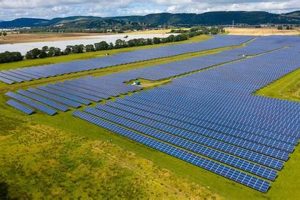
The proportion of national energy generation derived from renewable sources, such as solar, wind, hydro, geothermal, and biomass, is a key metric for gauging a nation’s progress towards sustainable energy independence. For example, if 20% of a nation’s electricity comes from renewable sources, that nation has a 20% renewable energy share. This figure is often tracked over time to monitor trends and the impact of policy changes.
A high proportion of renewable energy generation offers numerous advantages, including reduced reliance on finite fossil fuels, decreased greenhouse gas emissions, and enhanced energy security. Historically, reliance on fossil fuels has been dominant, but the increasing cost-competitiveness and efficiency of renewable energy technologies are driving a significant shift towards sustainable energy portfolios. The transition is crucial for mitigating climate change and ensuring a sustainable energy future.
This growing focus on sustainable practices has led to significant investments in renewable energy infrastructure and research, sparking innovation and creating new economic opportunities. Exploring the specific technologies, policies, and challenges associated with this transition will provide a more comprehensive understanding of the evolving energy landscape.
Tips for Increasing Renewable Energy Adoption
Promoting greater reliance on renewable energy sources requires a multifaceted approach. The following tips offer guidance for individuals, communities, and policymakers seeking to accelerate the transition to a sustainable energy future.
Tip 1: Support Policy Initiatives: Advocate for policies that incentivize renewable energy development, such as tax credits, renewable portfolio standards, and streamlined permitting processes. These policies can create a favorable market environment for renewable energy technologies.
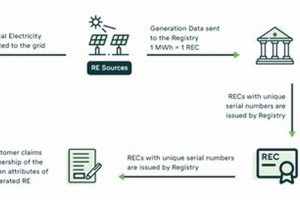
Tip 2: Invest in Renewable Energy Projects: Consider investing in community solar projects or purchasing renewable energy certificates (RECs) to directly support renewable energy generation.
Tip 3: Improve Energy Efficiency: Reducing overall energy consumption lessens the demand for energy generation from all sources, including fossil fuels. Implementing energy efficiency measures, such as improving building insulation and using energy-efficient appliances, can significantly decrease energy usage.
Tip 4: Choose Renewable Energy Suppliers: Where available, select electricity providers that offer renewable energy options. This can help drive demand for renewable energy generation and encourage further investment in the sector.
Tip 5: Advocate for Research and Development: Continued advancements in renewable energy technologies are essential for driving down costs and improving efficiency. Supporting research and development efforts in this area can accelerate the transition to a cleaner energy future.
Tip 6: Educate and Engage: Raise awareness about the benefits of renewable energy by engaging in community discussions and sharing information with others. Public understanding and support are crucial for driving widespread adoption.
Tip 7: Consider Distributed Generation: Explore options like rooftop solar panels or small-scale wind turbines for on-site renewable energy generation. Distributed generation can enhance energy independence and resilience.
By implementing these strategies, individuals and communities can contribute to a more sustainable energy future. The collective effort to transition to renewable energy sources offers significant environmental and economic benefits.
Through a combination of policy support, technological advancements, and public engagement, a significant shift towards renewable energy is achievable, paving the way for a cleaner and more secure energy landscape.
1. Growth Trajectory

Growth trajectory in the context of U.S. renewable energy signifies the rate at which the proportion of renewable energy generation increases over time. This trajectory is a critical indicator of progress towards national renewable energy targets and a reflection of the effectiveness of policies, technological advancements, and market forces. A steep growth trajectory suggests rapid adoption of renewable energy technologies, driven by factors such as declining costs, supportive policies, and increasing public awareness. Conversely, a slower trajectory may indicate barriers to adoption, such as regulatory hurdles, infrastructure limitations, or competing energy sources. For instance, the rapid growth of solar photovoltaic installations in recent years demonstrates a successful growth trajectory, largely attributable to falling prices and government incentives.
Analyzing the growth trajectory provides valuable insights into the future of renewable energy in the U.S. Historical data, coupled with projections, can inform investment decisions, policy adjustments, and infrastructure planning. Understanding the factors influencing the growth trajectory, such as technological innovation and policy changes, allows for more accurate predictions and targeted interventions. For example, if the growth trajectory of wind energy plateaus, it might signal a need for further investment in transmission infrastructure or research into more efficient turbine technology. Furthermore, comparing the growth trajectories of different renewable energy sources (e.g., solar vs. wind) can reveal competitive advantages and inform resource allocation strategies.
Sustained and accelerated growth in the renewable energy sector is crucial for achieving long-term climate goals and enhancing energy security. Careful monitoring and analysis of growth trajectories provide critical data for policymakers, investors, and researchers to make informed decisions and drive continued progress toward a sustainable energy future. Challenges such as grid integration and energy storage must be addressed to ensure continued robust growth. Ultimately, understanding and influencing the growth trajectory of renewable energy is paramount for a successful transition to a clean energy economy.
2. Regional Variations

Regional variations play a significant role in the overall percentage of renewable energy generation within the United States. Geographical factors, resource availability, policy landscapes, and local economic conditions all contribute to these disparities. For example, states with abundant sunshine, such as California and Arizona, naturally gravitate towards solar power, while states with consistent wind resources, such as Iowa and Texas, experience higher wind energy penetration. Conversely, regions with limited renewable resources may rely more heavily on traditional fossil fuels. Understanding these regional nuances is essential for developing targeted strategies to increase renewable energy adoption.
These variations are not merely statistical anomalies but reflect distinct energy portfolios driven by a combination of natural advantages and policy choices. States with strong Renewable Portfolio Standards (RPS), which mandate a certain percentage of electricity generation from renewable sources, often exhibit higher renewable energy percentages than states without such policies. Similarly, state and local incentives, such as tax credits and rebates, can significantly influence the adoption of specific renewable technologies within a region. The practical significance of understanding these regional differences lies in the ability to tailor policies and investment strategies to maximize renewable energy deployment based on local conditions. For example, promoting geothermal energy in areas with geothermal activity or offshore wind in coastal regions can leverage existing resources effectively.
In summary, comprehending the interplay between regional variations and the national renewable energy percentage is crucial for effective policymaking and resource allocation. Recognizing the unique challenges and opportunities presented by different regions allows for a more nuanced and effective approach to transitioning towards a sustainable energy future. Addressing these variations through targeted policies and investments is essential for maximizing the overall contribution of renewable energy to the nation’s energy mix. Further research into regional resource potential and grid infrastructure development can contribute to more effective strategies for achieving renewable energy goals.
3. Technological Advancements

Technological advancements are intrinsically linked to the increasing percentage of renewable energy in the U.S. energy mix. Improvements in efficiency, cost reductions, and innovative applications of existing technologies directly influence the economic viability and widespread adoption of renewable energy sources. For example, advancements in photovoltaic cell technology have led to significant cost reductions in solar panels, making solar energy more competitive with traditional fossil fuels. Similarly, improvements in wind turbine design and materials have increased energy capture efficiency, making wind power a more reliable and cost-effective energy source. These advancements not only increase the overall percentage of renewable energy generation but also contribute to grid stability and energy security.
The practical significance of these advancements is multifaceted. Increased efficiency translates to greater energy output from the same amount of resources, maximizing the return on investment in renewable energy infrastructure. Cost reductions make renewable energy more accessible to consumers and businesses, driving market demand and further accelerating technological development. Furthermore, innovations in energy storage technologies, such as advanced battery systems and pumped hydro storage, address the intermittency challenges associated with some renewable sources like solar and wind, enabling greater integration into the grid. The continued development and deployment of smart grid technologies further enhance grid management and optimize the utilization of renewable energy resources. For instance, advancements in battery storage coupled with rooftop solar installations can provide homeowners with backup power during grid outages, enhancing resilience.
In summary, technological progress is a crucial driver of increased renewable energy penetration. Continued investment in research and development, coupled with supportive policies that incentivize innovation and deployment, is essential for maintaining this momentum. Addressing remaining challenges, such as improving energy storage solutions and developing more efficient transmission infrastructure, will further unlock the full potential of renewable energy sources and contribute to a more sustainable and secure energy future. The interdependence of technological advancements and renewable energy growth underscores the need for ongoing innovation and strategic investment in this critical sector.
4. Policy Influences

Government policies play a crucial role in shaping the renewable energy landscape and directly influence the percentage of renewable energy generation in the United States. Policies can create supportive market conditions, incentivize investment, and accelerate the deployment of renewable energy technologies. Understanding the various policy mechanisms and their impact is essential for analyzing trends and projecting future growth in the renewable energy sector.
- Renewable Portfolio Standards (RPS)
RPS policies mandate that electricity suppliers source a specific percentage of their electricity from renewable sources. These standards create a guaranteed market for renewable energy, driving investment and deployment. For example, California’s RPS requires 60% renewable electricity by 2030. The stringency and enforcement of RPS policies significantly impact the growth of renewable energy generation within a state.
- Tax Incentives
Federal and state tax incentives, such as the Investment Tax Credit (ITC) and Production Tax Credit (PTC), provide financial support for renewable energy projects. These incentives reduce the cost of renewable energy technologies, making them more competitive with conventional energy sources. The availability and duration of these tax credits significantly influence investment decisions and the overall growth of the renewable energy market. For instance, extensions of the ITC have spurred significant growth in the solar industry.
- Government Grants and Subsidies
Government grants and subsidies provide direct financial assistance for research, development, and deployment of renewable energy technologies. These programs support innovation and help bring new technologies to market. For example, the Department of Energy funds research into advanced renewable energy technologies, contributing to long-term advancements in the sector. The level of government funding allocated to these programs reflects the national commitment to renewable energy development.
- Permitting and Regulatory Processes
Streamlined permitting processes for renewable energy projects can significantly accelerate deployment. Conversely, complex and lengthy permitting procedures can hinder development and increase project costs. Efficient regulatory frameworks are essential for facilitating the timely and cost-effective deployment of renewable energy infrastructure. For example, delays in obtaining permits for offshore wind projects can impact the overall timeline and cost of development.
The combined effect of these policy mechanisms significantly influences the overall percentage of renewable energy generation in the U.S. Supportive policies can drive rapid growth in the sector, while policy uncertainty or a lack of incentives can hinder progress. Analyzing policy trends and their impact on renewable energy deployment is crucial for understanding the current state and future trajectory of the U.S. renewable energy market. Comparing policy approaches across different states and countries can provide valuable insights into best practices and inform future policy development. A comprehensive and consistent policy framework is essential for achieving long-term renewable energy goals and transitioning to a sustainable energy future.
5. Economic Impact

The increasing percentage of renewable energy generation in the U.S. has a profound and multifaceted impact on the national economy. This impact extends beyond the energy sector, influencing job creation, investment opportunities, manufacturing growth, and overall economic development. Understanding the economic implications of the transition to renewable energy is crucial for informed policymaking and strategic investment decisions.
- Job Creation
The renewable energy sector is a significant source of job creation, generating employment opportunities across various industries, including manufacturing, installation, maintenance, and research. For example, the solar industry employs more workers than the coal, oil, and gas industries combined. As the percentage of renewable energy increases, so does the potential for job growth in this sector, contributing to a stronger and more diversified economy. Furthermore, many of these jobs are located in rural communities, offering economic revitalization opportunities.
- Investment and Innovation
The transition to renewable energy attracts significant investment in research, development, and deployment of new technologies. This investment stimulates innovation and drives down the cost of renewable energy, making it increasingly competitive with traditional energy sources. For example, venture capital investments in renewable energy technologies have grown substantially in recent years, fostering a dynamic and competitive market. This investment not only benefits the renewable energy sector but also has positive spillover effects on other industries.
- Manufacturing Growth
The increasing demand for renewable energy technologies creates opportunities for domestic manufacturing growth. The production of solar panels, wind turbines, and other renewable energy components can stimulate economic activity and create manufacturing jobs within the U.S. For example, the growth of the domestic solar panel manufacturing industry has created thousands of manufacturing jobs. Supporting domestic manufacturing of renewable energy technologies can enhance energy security and reduce reliance on foreign supply chains.
- Reduced Healthcare Costs
Increased reliance on renewable energy sources leads to improved air quality and reduced greenhouse gas emissions, resulting in significant public health benefits. Lower rates of respiratory illnesses and other health problems associated with air pollution translate to reduced healthcare costs and improved overall public health outcomes. This positive externality further strengthens the economic case for renewable energy adoption. For example, studies have shown a direct correlation between reduced air pollution and lower healthcare expenditures in areas with high renewable energy penetration.
In conclusion, the economic impact of a growing percentage of renewable energy in the U.S. is substantial and positive. From job creation and investment to manufacturing growth and reduced healthcare costs, the transition to a cleaner energy future offers significant economic benefits. These positive economic outcomes, coupled with the environmental benefits of reduced greenhouse gas emissions, make a compelling case for continued investment in and expansion of renewable energy resources. As the percentage of renewable energy continues to rise, its positive impact on the U.S. economy will only become more pronounced, contributing to a more sustainable, prosperous, and resilient future.
Frequently Asked Questions
This section addresses common inquiries regarding the percentage of renewable energy generation in the United States, providing concise and informative responses.
Question 1: How is the percentage of renewable energy in the U.S. calculated?
The percentage is calculated by dividing the total energy generated from renewable sources by the total energy generated from all sources, then multiplying by 100. This figure encompasses electricity generation as well as other energy sectors.
Question 2: What are the primary sources of renewable energy contributing to this percentage?
Primary renewable sources include solar, wind, hydro, geothermal, and biomass. Each source contributes differently to the overall percentage based on resource availability, technological advancements, and policy support.
Question 3: How does the U.S. renewable energy percentage compare to other countries?
International comparisons provide valuable context. While the U.S. has made significant strides in renewable energy development, other nations have achieved higher percentages due to varying policy landscapes and resource endowments. Regularly updated data from international organizations provide detailed comparisons.
Question 4: What are the key barriers to increasing the percentage of renewable energy?
Challenges include grid infrastructure limitations, intermittency of some renewable resources, permitting and regulatory hurdles, and public acceptance. Addressing these challenges is crucial for continued growth in the renewable energy sector. Research and development efforts are ongoing to mitigate these barriers.
Question 5: How do government policies influence the growth of renewable energy?
Policies such as Renewable Portfolio Standards (RPS), tax incentives, and government grants play a significant role in incentivizing renewable energy development and deployment. Analyzing policy trends is essential for understanding market dynamics and projecting future growth. Supportive policies are crucial for accelerating the transition to renewable energy.
Question 6: What is the projected future for renewable energy in the U.S.?
Projections suggest continued growth in the percentage of renewable energy generation in the coming decades, driven by technological advancements, declining costs, and supportive policies. However, the exact trajectory will depend on various factors, including policy developments, technological breakthroughs, and global market trends. Understanding these factors allows for more accurate projections and informed decision-making.
Understanding these key aspects of renewable energy development is essential for informed public discourse and effective policymaking. Continued progress in renewable energy adoption offers substantial environmental and economic benefits.
For further exploration, the subsequent sections will delve into specific renewable energy technologies, regional case studies, and the future outlook for the U.S. renewable energy sector.
Conclusion
This exploration of the U.S. renewable energy percentage has highlighted its multifaceted nature, encompassing technological advancements, policy influences, regional variations, economic impact, and growth trajectory. From the declining costs of solar and wind power to the job creation potential of the renewable energy sector, the transition to a cleaner energy future presents significant opportunities. However, challenges such as grid infrastructure limitations and the intermittency of some renewable resources require ongoing attention and innovative solutions. Understanding the complex interplay of these factors is crucial for informed decision-making and effective policy implementation.
The pursuit of a higher renewable energy percentage is not merely an environmental imperative but a strategic investment in a sustainable and prosperous future. Continued progress in this area offers the potential for enhanced energy security, reduced greenhouse gas emissions, economic growth, and improved public health outcomes. The transition to a cleaner energy economy requires sustained commitment, ongoing innovation, and collaborative efforts across all sectors of society. The future energy landscape hinges on the choices made today, underscoring the critical importance of the U.S. renewable energy percentage as a key indicator of progress and a driver of transformative change.