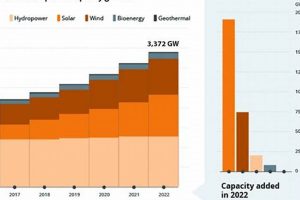
Resources capable of natural replenishment over relatively short periods are considered sustainable. Solar energy, wind power, hydropower, and geothermal energy are prime examples, constantly regenerated by natural processes. Biomass, derived from organic matter, also falls into this category, as long as its consumption rate doesn’t exceed its regrowth.
The utilization of sustainable resources offers significant advantages, including reduced reliance on finite fossil fuels, mitigation of greenhouse gas emissions, and enhanced energy security. Historically, societies relied heavily on renewable sources like wind and water power. The advent of the industrial revolution shifted dependence towards fossil fuels, but growing environmental concerns and technological advancements are driving a renewed focus on sustainable practices.
This understanding of sustainable practices forms the foundation for exploring specific technologies, policies, and economic considerations associated with the transition to a more sustainable energy future. Further sections will delve into detailed analyses of individual sustainable resource categories, their potential, and the challenges associated with their widespread adoption.
Tips for Supporting Sustainable Practices
Individuals and communities can contribute to the growth of sustainable energy through informed choices and proactive measures.
Tip 1: Invest in Energy-Efficient Appliances: Choosing appliances with high energy efficiency ratings significantly reduces long-term energy consumption.
Tip 2: Explore Residential Solar Installations: Rooftop solar panels offer a direct way to harness sustainable energy and reduce reliance on conventional power grids.
Tip 3: Support Sustainable Businesses: Patronizing companies committed to sustainable practices encourages wider adoption of responsible energy use.
Tip 4: Advocate for Policy Changes: Engaging with local and national representatives to support policies promoting sustainable energy development can accelerate the transition.
Tip 5: Reduce, Reuse, and Recycle: Minimizing waste and prioritizing recycling conserves resources and reduces the environmental impact of manufacturing new products.
Tip 6: Educate and Engage: Sharing information about sustainable practices within communities raises awareness and encourages collective action.
Tip 7: Consider Sustainable Transportation: Opting for public transport, cycling, or electric vehicles minimizes reliance on fossil fuels.
Tip 8: Conserve Water and Electricity: Mindful consumption of resources like water and electricity, even in small ways, contributes significantly to overall sustainability.
Embracing these practices contributes to a more sustainable future by reducing environmental impact and fostering a more resilient energy landscape.
These individual actions, combined with larger-scale initiatives, are essential steps towards a future powered by sustainable resources. The subsequent conclusion will summarize the key arguments and offer a perspective on the future of sustainable energy.
1. Natural Replenishment

Natural replenishment is the defining characteristic of renewable resources, distinguishing them from finite resources like fossil fuels. It describes the capacity of a resource to be naturally restored over a relatively short timescale, ensuring continuous availability without depletion. This concept is fundamental to understanding the meaning of “renewable” and its implications for sustainable development.
- Continuous Regeneration:
Renewable resources are characterized by their inherent ability to regenerate continuously through natural processes. Solar energy, for example, is constantly replenished by the sun’s radiation, while wind energy is driven by atmospheric circulation patterns. This continuous regeneration ensures a consistent supply of energy, unlike fossil fuels, which are formed over geological timescales far exceeding human consumption rates.
- Timescale of Replenishment:
The timescale of replenishment is crucial. Resources are considered renewable if their regeneration rate keeps pace with or exceeds consumption. Hydropower relies on the water cycle, which continuously replenishes rivers and reservoirs. Sustainable forestry practices ensure that trees are harvested at a rate that allows for natural regrowth, maintaining the resource for future generations. Mismanagement can lead to depletion, even with inherently renewable resources.
- Ecological Balance:
Natural replenishment plays a vital role in maintaining ecological balance. Utilizing renewable resources minimizes disruption to natural ecosystems, unlike fossil fuel extraction, which can cause significant environmental damage. Harnessing solar energy, for instance, has minimal impact on surrounding environments compared to coal mining or oil drilling. This inherent compatibility with ecological systems is a key advantage of renewable resources.
- Resource Management:
Understanding natural replenishment is critical for effective resource management. Sustainable practices ensure that consumption rates do not exceed regeneration rates, preventing resource depletion. For example, sustainable fishing practices consider fish population dynamics and reproduction rates to ensure long-term viability. This approach contrasts with unsustainable practices that prioritize short-term gains over long-term resource availability.
The principle of natural replenishment underlies the entire concept of “renewable.” It highlights the crucial difference between resources that are continuously regenerated by natural processes and those that are finite and depletable. This distinction is essential for developing sustainable strategies that ensure long-term resource security and environmental health. Shifting from a reliance on finite resources to those that replenish naturally is paramount for a sustainable future.
2. Sustainable Resource

Sustainable resource management is intrinsically linked to the concept of renewability. A resource is considered sustainable if its consumption rate allows for natural replenishment or if suitable alternatives are available to replace its function. This approach ensures long-term availability and minimizes environmental impact, aligning with the core principles of renewability.
- Resource Replenishment:
The capacity for replenishment is a key factor in determining sustainability. Renewable resources, like solar and wind energy, replenish naturally and continuously. Sustainable management practices, such as controlled harvesting in forestry, ensure that consumption does not exceed the rate of replenishment, preserving the resource for future use. Non-renewable resources, like fossil fuels, lack this capacity, highlighting the importance of transitioning towards renewable alternatives.
- Environmental Impact:
Sustainability considers the environmental footprint of resource utilization. Renewable resources generally have a lower environmental impact compared to non-renewable counterparts. For example, solar power generation produces significantly fewer greenhouse gas emissions than coal-fired power plants. Sustainable resource management prioritizes minimizing pollution, habitat destruction, and other negative environmental consequences.
- Long-Term Availability:
Sustainable resource management ensures long-term resource access. By balancing consumption with replenishment rates or developing viable alternatives, sustainability aims to avoid resource depletion. This long-term perspective contrasts with unsustainable practices that prioritize short-term gains at the expense of future availability. For example, overfishing can deplete fish populations, jeopardizing the long-term viability of the fishing industry.
- Economic Viability:
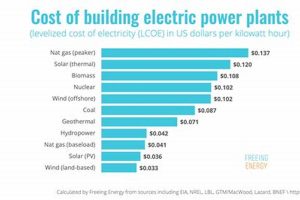
Economic viability plays a crucial role in sustainable resource management. Sustainable practices should be economically feasible to encourage widespread adoption. For instance, advancements in renewable energy technologies have significantly reduced their costs, making them increasingly competitive with traditional fossil fuels. This economic viability is essential for transitioning towards a sustainable future.
These facets demonstrate the close relationship between sustainable resource management and the meaning of renewable. Sustainability hinges on responsible resource use, prioritizing replenishable resources and minimizing environmental impact. This approach ensures long-term resource availability and fosters a healthier planet. The transition towards a sustainable future requires a fundamental shift in resource management practices, embracing renewable resources and minimizing reliance on finite and environmentally damaging alternatives.
3. Not Depleted

The “not depleted” characteristic is fundamental to understanding renewable resources. It signifies that the resource’s utilization does not diminish its overall availability over time, provided consumption remains within sustainable limits. This contrasts sharply with finite resources, such as fossil fuels, which are irreversibly depleted upon use. This distinction highlights a core element of “meaning renewable”: the capacity for continuous regeneration or availability. Solar energy, for instance, remains undiminished by its conversion into electricity. Similarly, sustainably managed forests maintain their capacity for timber production through responsible harvesting and replanting. This continuous availability is crucial for long-term resource security.
The “not depleted” aspect has significant practical implications. It enables consistent and predictable resource utilization, fostering stability in energy supply and other resource-dependent sectors. This predictability is essential for long-term planning and investment in infrastructure reliant on these resources. Furthermore, the undiminished nature of renewable resources reduces the pressure to exploit increasingly scarce and environmentally sensitive reserves of finite resources. This, in turn, mitigates environmental damage associated with extraction and promotes ecological balance. The transition to a renewable resource-based economy offers a pathway towards greater resource security and environmental sustainability.
The “not depleted” nature of renewable resources is a defining feature, distinguishing them from finite counterparts and underscoring their role in sustainable development. This characteristic enables continuous resource utilization, fostering stability and reducing environmental pressures. While challenges remain in harnessing and managing renewable resources effectively, their undiminished nature offers a crucial advantage in the pursuit of a sustainable future. Addressing these challenges through technological advancements, policy frameworks, and public awareness is crucial for realizing the full potential of renewable resources.
4. Ecologically Balanced

Ecological balance represents a state of dynamic equilibrium within an ecosystem, where the interplay of organisms and their environment remains relatively stable. “Meaning renewable” aligns intrinsically with this concept because renewable resource utilization, when managed responsibly, minimizes disruption to this balance. Unlike the extraction and combustion of fossil fuels, which introduce pollutants and disrupt natural cycles, renewable energy sources like solar and wind power derive from natural processes without significantly altering ecological dynamics. This fundamental difference underscores the ecological advantages of renewable resources.
Consider the impact of hydropower. While a renewable source, large-scale dam construction can significantly alter river ecosystems, affecting aquatic life and riparian habitats. This example illustrates the importance of considering the broader ecological context. Sustainable hydropower development requires careful planning and mitigation measures to minimize ecological disruption, highlighting the interconnectedness between “meaning renewable” and maintaining ecological balance. Similarly, sustainable forestry practices, which balance timber harvesting with reforestation and biodiversity conservation, exemplify the practical application of ecologically balanced renewable resource management.
The pursuit of a sustainable future requires not only adopting renewable energy sources but also ensuring their implementation aligns with ecological principles. Minimizing environmental impact through careful planning, mitigation strategies, and ongoing monitoring is crucial. The connection between “ecologically balanced” and “meaning renewable” is not merely conceptual but a practical necessity for achieving genuine sustainability. Challenges remain, but recognizing this interconnectedness is a crucial step towards a future where resource utilization supports both human needs and ecological integrity. Further exploration of specific renewable technologies and their ecological considerations will provide a deeper understanding of this complex relationship.
5. Cycles, not stocks

The “cycles, not stocks” concept is central to understanding renewable resources. It distinguishes between resources that are continuously replenished through natural cycles and those existing as finite stocks. This distinction is crucial for grasping “meaning renewable” as it highlights the continuous availability of renewable resources, unlike finite resources that diminish with use. This perspective shift from depletion to regeneration is fundamental for sustainable resource management.
- Natural Processes:
Renewable resources are driven by ongoing natural cycles. Solar energy relies on the constant solar radiation cycle, wind energy on atmospheric circulation patterns, and hydropower on the water cycle. These natural processes ensure continuous replenishment, contrasting with finite resources extracted from geological stocks. This reliance on natural cycles underscores the sustainable nature of renewable resources.
- Continuous Availability:
The cyclical nature of renewable resources ensures their continuous availability. Unlike fossil fuels, which are extracted from finite reserves, solar, wind, and hydro energy are continuously replenished. This continuous supply promotes long-term energy security and reduces reliance on depleting resources. This continuous availability aligns directly with “meaning renewable”.
- Resource Management:
Managing renewable resources requires understanding the underlying natural cycles. Sustainable forestry, for example, aligns harvesting practices with the natural growth cycle of trees. Similarly, sustainable fishing respects fish population dynamics. This approach ensures long-term resource viability, differentiating renewable resource management from the extraction-based management of finite stocks.
- Environmental Impact:
Utilizing resources based on natural cycles generally has a lower environmental impact compared to exploiting finite stocks. Renewable energy generation, for instance, produces significantly fewer greenhouse gas emissions than fossil fuel combustion. This reduced environmental footprint further reinforces the connection between “cycles, not stocks” and “meaning renewable”.
The “cycles, not stocks” framework provides a crucial lens for understanding “meaning renewable.” It emphasizes the continuous regeneration and availability of renewable resources, driven by natural cycles. This perspective promotes sustainable resource management practices that minimize environmental impact and ensure long-term resource security, contrasting sharply with the depletion-based approach associated with finite resources. Shifting towards a “cycles” perspective is fundamental for achieving a sustainable future.
Frequently Asked Questions about Renewable Resources
This section addresses common inquiries regarding renewable resources, aiming to clarify their characteristics, benefits, and role in sustainable development.
Question 1: What distinguishes renewable from non-renewable resources?
Renewable resources replenish naturally within a human timescale, while non-renewable resources exist in finite quantities and deplete with use. Solar, wind, and hydro energy exemplify renewable resources, whereas fossil fuels represent non-renewable resources.
Question 2: How do renewable resources contribute to environmental sustainability?
Renewable resources generally have a lower environmental impact than non-renewable alternatives. Their utilization produces fewer greenhouse gas emissions, reduces air and water pollution, and minimizes habitat disruption, contributing to a healthier environment.
Question 3: Are renewable resources capable of meeting global energy demands?
Technological advancements and decreasing costs are rapidly increasing the capacity of renewable resources to meet global energy needs. While challenges remain in terms of storage and grid integration, the potential of renewable energy to provide a significant portion of future energy requirements is substantial.
Question 4: What are the primary economic benefits of transitioning to renewable energy?
Transitioning to renewable energy stimulates economic growth by creating jobs in manufacturing, installation, and maintenance. It also reduces reliance on volatile fossil fuel markets, enhancing energy independence and price stability.
Question 5: What are the main challenges associated with wider adoption of renewable resources?
Challenges include intermittency of some renewable sources (like solar and wind), the need for efficient energy storage solutions, and infrastructure development for grid integration. Addressing these challenges through research and innovation is crucial for maximizing the potential of renewable resources.
Question 6: How can individuals contribute to the growth of the renewable energy sector?
Individuals can support renewable energy through various actions, such as investing in energy-efficient appliances, exploring residential solar installations, supporting policies that promote renewable energy development, and making conscious consumption choices that prioritize sustainability.
Understanding the characteristics and benefits of renewable resources is essential for informed decision-making and fostering a sustainable future. The transition towards renewable resources represents a critical step in mitigating climate change and ensuring long-term resource security.
The following section delves deeper into specific categories of renewable resources, examining their unique characteristics, advantages, and challenges.
Conclusion
This exploration of “meaning renewable” has highlighted the critical distinction between resources capable of natural replenishment and those derived from finite stocks. The analysis underscored the inherent advantages of renewable resources, including reduced environmental impact, enhanced energy security, and long-term sustainability. From the continuous regeneration of solar and wind power to the cyclical nature of sustainably managed forestry and hydropower, the concept of “renewable” represents a fundamental shift from depletion to regeneration. The examination of ecological balance and resource management further emphasized the interconnectedness between responsible resource utilization and environmental health.
The transition toward a future powered by renewable resources necessitates a comprehensive approach encompassing technological innovation, policy frameworks, and societal adaptation. Addressing the challenges of intermittency, storage, and grid integration remains crucial for realizing the full potential of renewable energy. Ultimately, embracing the true “meaning renewable” requires a collective commitment to sustainable practices and a fundamental shift in resource management paradigms. The future of energy hinges on recognizing and acting upon the inherent advantages of resources that offer continuous cycles of replenishment, ensuring a sustainable and prosperous future for generations to come.