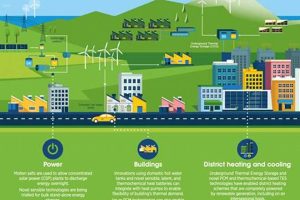
Systems that harness power from sustainable sources like sunlight, wind, water, and geothermal heat rely on distinct elements for energy capture, conversion, and delivery. For example, a solar photovoltaic system includes panels to absorb sunlight, inverters to convert direct current to alternating current, and wiring to transmit the electricity. Similarly, a wind turbine encompasses blades to capture wind energy, a generator to convert rotational motion into electricity, and a tower to support the structure.
The utilization of sustainable power sources offers substantial advantages, including reduced reliance on finite fossil fuels, mitigation of greenhouse gas emissions, and enhanced energy security. Historically, reliance on renewable sources like wind and water power predates the widespread adoption of fossil fuels. The resurgence of interest in these technologies, driven by environmental concerns and technological advancements, has led to rapid innovation and deployment.
This discussion will further explore specific technologies, examining their underlying principles, diverse applications, and potential for future development. Topics will include solar photovoltaic and concentrated solar power, wind energy, hydropower, geothermal energy, and bioenergy, providing a comprehensive overview of the landscape of sustainable power generation.
Practical Considerations for Sustainable Power Systems
Effective implementation of sustainable power systems requires careful consideration of several key factors. These considerations ensure optimal performance, reliability, and long-term viability.
Tip 1: Resource Assessment: Thorough evaluation of available resources, such as solar irradiance, wind speed, or water flow, is essential for selecting appropriate technologies and maximizing energy output. Geographic location and local climate conditions significantly influence resource availability.
Tip 2: Technological Suitability: Different technologies are suited to different environments and applications. Matching the technology to the specific context is crucial for optimizing system performance. For example, offshore wind turbines are better suited to areas with strong and consistent offshore winds.
Tip 3: Grid Integration: Seamless integration with existing power grids is vital for reliable energy delivery. This requires careful planning and coordination with grid operators to ensure stability and prevent disruptions.
Tip 4: Energy Storage: Integrating energy storage solutions, such as batteries or pumped hydro, can address the intermittent nature of some renewable resources and provide a consistent power supply.
Tip 5: Environmental Impact: While generally considered environmentally friendly, sustainable power systems can still have localized environmental impacts. Careful site selection and mitigation strategies are essential for minimizing these impacts.
Tip 6: Economic Viability: Assessing the economic viability of a project requires analyzing upfront costs, ongoing maintenance expenses, and potential revenue streams. Government incentives and financing options can play a significant role in project feasibility.
Tip 7: Community Engagement: Engaging with local communities and stakeholders is vital for successful project implementation. Addressing concerns and ensuring community benefits can foster acceptance and support.
By addressing these factors, developers and policymakers can contribute to the successful and sustainable deployment of clean energy solutions. These steps are crucial for maximizing the benefits of sustainable power and achieving a more secure and environmentally responsible energy future.
In conclusion, the transition to sustainable power requires a comprehensive and integrated approach.
1. Energy Source

The foundation of any renewable energy system lies in its energy source. The source dictates the type of technology employed, its potential output, and its environmental impact. Understanding the characteristics of different renewable energy sources is crucial for effective system design and implementation.
- Solar Radiation
Solar energy, derived from the sun’s radiation, represents a vast and readily available resource. Photovoltaic systems directly convert sunlight into electricity, while concentrated solar power systems utilize mirrors to focus sunlight, generating heat that drives turbines. Variations in solar irradiance due to geographic location, time of day, and weather patterns influence system performance and require careful consideration during the design phase.
- Wind Energy
Wind energy harnesses the kinetic energy of moving air. Wind turbines convert this kinetic energy into rotational energy, which drives a generator to produce electricity. Wind resources are characterized by wind speed and direction, which vary significantly across locations and altitudes. Offshore wind farms often experience higher and more consistent wind speeds compared to onshore installations.
- Water Resources
Hydropower utilizes the potential energy of water stored at elevation or the kinetic energy of flowing water. Conventional hydropower plants use dams to create reservoirs and control water flow through turbines. Run-of-river hydropower systems generate electricity from the natural flow of rivers without the need for large reservoirs. Tidal and wave energy technologies harness the power of ocean currents and waves.
- Geothermal Energy
Geothermal energy taps into the Earth’s internal heat. Geothermal power plants utilize steam or hot water from geothermal reservoirs to generate electricity. Geothermal heat pumps utilize the relatively constant temperature of the Earth’s subsurface to provide heating and cooling for buildings. The availability of geothermal resources varies geographically, with some regions having higher concentrations of geothermal activity.
These diverse energy sources, each with unique characteristics and potential applications, provide the foundation for a range of renewable energy technologies. Careful selection and utilization of these resources are essential for maximizing the effectiveness and sustainability of renewable energy systems. The interplay between the energy source and the specific technology employed determines the overall system performance and its contribution to a cleaner energy future.
2. Capture Mechanism

Capture mechanisms represent a critical link between renewable energy sources and usable power. These devices or systems are engineered to efficiently harness the inherent energy of natural resources like sunlight, wind, or water. The effectiveness of the capture mechanism directly impacts the overall performance and economic viability of a renewable energy system. An in-depth examination of these mechanisms reveals their diverse forms and functionalities.
- Solar Panels
Photovoltaic (PV) panels form the core capture mechanism in solar energy systems. Composed of semiconductor materials, these panels convert sunlight directly into electricity. Different PV technologies, such as silicon-based crystalline, thin-film, and organic solar cells, offer varying efficiencies and cost profiles. The angle and orientation of solar panels are crucial factors influencing energy capture, requiring optimization based on geographic location and sun path.
- Wind Turbine Blades
Wind turbine blades, aerodynamically designed structures, capture the kinetic energy of wind. The size, shape, and material composition of these blades influence the turbine’s efficiency in converting wind power into rotational energy. Advancements in blade design, including variable pitch and blade tip extensions, enhance energy capture and reduce noise levels. The placement of wind turbines, considering factors like wind speed and turbulence, is essential for maximizing energy yield.
- Hydroelectric Turbines
Hydroelectric turbines serve as the primary capture mechanism in hydropower systems. These turbines convert the potential energy of water stored at elevation or the kinetic energy of flowing water into rotational energy, which drives a generator to produce electricity. Different turbine types, such as Kaplan, Francis, and Pelton turbines, are designed for specific water flow conditions and head heights. The efficiency of hydroelectric turbines plays a critical role in maximizing the energy output of hydropower plants.
- Geothermal Wells
Geothermal wells act as the capture mechanism for geothermal energy systems. These wells are drilled deep into the Earth to access geothermal reservoirs containing hot water or steam. The extracted geothermal fluid is then used to generate electricity or provide direct heating and cooling. The depth and design of geothermal wells influence the efficiency of heat extraction and the overall system performance. Careful well placement and management are essential for sustainable geothermal energy production.
The efficiency and reliability of these capture mechanisms are essential determinants of the overall viability of renewable energy systems. Continued advancements in materials science, engineering design, and control systems contribute to ongoing improvements in energy capture efficiency, ultimately driving down costs and enhancing the competitiveness of renewable energy technologies.
3. Conversion Technology

Conversion technologies represent a crucial stage in renewable energy systems, transforming captured energy into usable forms, primarily electricity. These technologies dictate the efficiency and practicality of harnessing renewable resources. Understanding their diverse functionalities is essential for optimizing system performance and maximizing energy output.
- Photovoltaic Cells
Photovoltaic (PV) cells directly convert sunlight into electricity using semiconductor materials. The efficiency of PV cells varies depending on the material and manufacturing process. Silicon-based crystalline cells are the most common type, while thin-film and multi-junction cells offer alternative approaches. Improvements in PV cell efficiency directly translate to increased power output from solar panels.
- Wind Turbine Generators
Wind turbine generators convert the rotational energy captured by the turbine blades into electricity. Generators typically employ electromagnetic induction, utilizing the rotation of magnets within coils of wire to generate an electrical current. Different generator types, such as direct-drive and geared generators, offer varying advantages in terms of efficiency, maintenance requirements, and cost.
- Hydroelectric Generators
Hydroelectric generators, similar to wind turbine generators, rely on electromagnetic induction to convert rotational energy from water turbines into electricity. The size and type of generator are determined by the water flow rate and head height of the hydropower plant. Efficient generators maximize the energy extracted from water resources.
- Geothermal Power Plants
Geothermal power plants utilize various conversion technologies depending on the temperature and pressure of the geothermal resource. Dry steam plants directly use geothermal steam to drive turbines connected to generators. Flash steam plants convert high-pressure hot water into steam, while binary cycle plants utilize a secondary working fluid with a lower boiling point to generate electricity. Choosing the appropriate conversion technology is critical for optimizing geothermal energy production.
These conversion technologies represent essential components of renewable energy systems, bridging the gap between capturing energy from natural resources and delivering usable electricity. Advancements in conversion technology efficiency directly influence the overall performance, cost-effectiveness, and environmental impact of renewable energy systems. Continued research and development in this area remain crucial for accelerating the transition to a sustainable energy future.
4. Transmission Infrastructure

Transmission infrastructure forms a critical link between renewable energy generation and end-users. Efficient and reliable transmission networks are essential for delivering power generated from renewable sources, often located remotely, to population centers and industrial hubs. This infrastructure plays a crucial role in maximizing the benefits of renewable energy components and enabling a wider adoption of clean energy technologies. For instance, large-scale solar farms built in deserts require extensive transmission lines to transport generated electricity to cities hundreds of miles away. Similarly, offshore wind farms rely on subsea cables to connect turbines to onshore grids, facilitating the integration of substantial amounts of wind energy into the electricity supply.
The capacity and reach of transmission infrastructure directly influence the feasibility and effectiveness of renewable energy projects. Upgrading and expanding existing grid infrastructure is often necessary to accommodate the increasing contribution of renewable energy sources. Smart grid technologies, including advanced sensors and control systems, enhance grid stability and optimize power flow, enabling better integration of intermittent renewable sources like solar and wind. Furthermore, interregional transmission lines can facilitate the sharing of renewable energy resources across wider geographic areas, balancing supply and demand and mitigating the variability of renewable generation. For example, connecting regions with high solar resources during the day to regions with high wind resources at night enhances grid reliability and maximizes the utilization of renewable energy.
Effective transmission infrastructure is indispensable for realizing the full potential of renewable energy components. Investments in grid modernization and expansion are crucial for enabling a smooth transition to a cleaner energy future. Addressing challenges related to transmission capacity, grid stability, and interregional connectivity is essential for maximizing the benefits of renewable energy and achieving decarbonization goals. The continued development and deployment of advanced transmission technologies will play a pivotal role in shaping a sustainable and resilient energy landscape.
5. Storage Solutions

Storage solutions play a crucial role in addressing the inherent intermittency of many renewable energy sources. Solar and wind power, for example, fluctuate depending on weather conditions, creating a mismatch between energy generation and consumer demand. Storage technologies bridge this gap by storing excess energy generated during periods of high production and releasing it during periods of low production or peak demand. This capability enhances grid stability, reliability, and the overall effectiveness of renewable energy systems. Without effective storage, surplus renewable energy might be curtailed, leading to wasted resources and diminished economic returns. Conversely, during periods of low renewable generation, reliance on fossil fuel-based power plants might be necessary to meet demand, undermining the environmental benefits of renewable energy integration.
Several storage technologies offer distinct advantages and suit different applications. Pumped hydro storage, a mature technology, utilizes reservoirs at different elevations to store and release water, effectively storing and releasing potential energy. Battery storage, rapidly evolving in terms of capacity and cost, provides a more flexible and scalable solution, particularly for distributed energy systems. Other storage technologies, such as compressed air energy storage, thermal energy storage, and flywheel energy storage, offer specialized applications based on specific project requirements and grid characteristics. For example, battery storage paired with rooftop solar panels can provide homeowners with backup power during grid outages, enhancing energy independence and resilience. At a larger scale, grid-scale battery systems can smooth out fluctuations in wind power output, ensuring a stable supply of electricity to the grid. The integration of storage solutions significantly expands the practical applicability and economic viability of renewable energy components.
The effective integration of storage solutions with renewable energy components represents a significant advancement in the pursuit of a sustainable energy future. Addressing the intermittency challenge enhances the dispatchability and reliability of renewable energy, reducing reliance on conventional power plants and facilitating deeper penetration of clean energy sources into the electricity mix. Continued innovation in storage technologies, coupled with declining costs and supportive policies, will further unlock the potential of renewable energy and accelerate the transition towards a decarbonized energy system. Overcoming technical and economic barriers associated with storage deployment remains a key priority for achieving a secure, resilient, and environmentally sustainable energy landscape.
Frequently Asked Questions about Renewable Energy Systems
This section addresses common inquiries regarding the constituent parts of renewable energy systems, aiming to provide clear and concise information.
Question 1: What are the primary components of a typical solar energy system?
Solar energy systems typically comprise photovoltaic (PV) panels to capture sunlight, inverters to convert direct current (DC) electricity to alternating current (AC) electricity, mounting structures, wiring, and optional energy storage solutions like batteries.
Question 2: How do wind turbines convert wind energy into electricity?
Wind turbines use aerodynamically designed blades to capture wind energy, converting it into rotational energy. This rotation drives a generator, which produces electricity through electromagnetic induction.
Question 3: What are the key components of a hydropower system?
Hydropower systems typically include a dam to create a reservoir, a penstock to control water flow, a turbine to convert water’s potential energy into rotational energy, and a generator to produce electricity.
Question 4: What are the essential elements of a geothermal energy system?
Geothermal systems utilize wells to access underground heat sources, pipes to transport geothermal fluids, and power plants to convert the heat into electricity. Geothermal heat pumps utilize a network of pipes buried underground.
Question 5: What role does transmission infrastructure play in renewable energy systems?
Transmission infrastructure, including power lines and substations, is essential for transporting electricity generated from renewable energy sources, often located remotely, to consumers and the broader electricity grid.
Question 6: Why are energy storage solutions important for renewable energy systems?
Energy storage, using technologies like batteries and pumped hydro, addresses the intermittent nature of renewable sources like solar and wind, ensuring a consistent and reliable power supply.
Understanding the various components and their functions is crucial for assessing the effectiveness and suitability of different renewable energy technologies. This knowledge informs decision-making regarding project development, policy implementation, and the overall transition to a sustainable energy future.
The following section delves further into the economic considerations associated with renewable energy systems.
Renewable Energy Components
This exploration has provided a comprehensive overview of the diverse elements constituting renewable energy systems. From the capture mechanisms harnessing natural resources like sunlight and wind to the conversion technologies transforming these resources into usable electricity, each component plays a critical role in the overall system’s effectiveness and viability. The discussion encompassed the importance of robust transmission infrastructure for delivering renewable energy to consumers and the vital role of storage solutions in addressing the intermittent nature of renewable generation. Furthermore, the practical considerations for implementing sustainable power systems, including resource assessment, technological suitability, grid integration, and environmental impact, were thoroughly examined.
The transition to a sustainable energy future hinges on the continued development, deployment, and optimization of renewable energy components. Addressing challenges related to cost-effectiveness, technological advancements, and grid integration will be crucial for accelerating the adoption of clean energy technologies. Further research and innovation across all aspects of renewable energy systems are essential for realizing their full potential and mitigating the impacts of climate change. The future of energy relies on a collective commitment to embracing and advancing these technologies, ensuring a secure, resilient, and environmentally sustainable energy landscape for generations to come.