The quest to identify optimal power generation methods involves evaluating various options based on their impact on the ecosystem. This involves considering factors such as greenhouse gas emissions, land use, water consumption, and the potential for long-term sustainability. Solutions differ significantly in their lifecycle impacts, ranging from resource extraction to waste disposal.
Minimizing ecological damage is paramount in addressing climate change and preserving natural resources. Transitioning to cleaner energy supplies is essential for mitigating the adverse effects of pollution and supporting biodiversity. Throughout history, societies have relied on diverse methods to meet their energy demands. However, advancements in technology and growing awareness of environmental concerns have steered the focus toward cleaner and more responsible practices.
This exploration delves into the leading contenders for sustainable power, examining the strengths and weaknesses of each. Considerations include solar, wind, hydro, geothermal, and nuclear energy, each with inherent advantages and disadvantages that warrant careful evaluation to determine their suitability in various contexts. This involves assessing not only their current impact but also their long-term viability and scalability.
Optimizing Energy Strategies for Environmental Preservation
Effective approaches to diminishing the environmental consequences of power generation require a multifaceted strategy that considers multiple variables and innovative solutions. These guidelines aim to offer a clear understanding of how to minimize negative impacts.
Tip 1: Prioritize Renewable Energy Infrastructure: Investment in solar, wind, and geothermal installations is crucial for long-term environmental health. Governments and private entities should allocate resources to improve and expand these resources’ accessibility and efficiency.
Tip 2: Implement Smart Grid Technology: Employing intelligent energy networks optimizes distribution, reduces waste, and allows for more efficient integration of renewable sources. This involves installing advanced sensors and control systems.
Tip 3: Invest in Energy Storage Solutions: Overcoming the intermittent nature of renewables necessitates large-scale battery storage and pumped hydro. This ensures a consistent and reliable power supply, maximizing the utilization of clean energy.
Tip 4: Support Energy Efficiency Programs: Encourage energy-conscious practices through incentives and regulations. This includes promoting the use of energy-efficient appliances, improving building insulation, and reducing overall consumption.
Tip 5: Phase Out Fossil Fuel Subsidies: Redirect financial support towards environmentally friendly energy alternatives. This action fosters a competitive landscape favoring sustainability and innovation.
Tip 6: Promote Electrification of Transportation: Transition to electric vehicles and public transport systems. This cuts emissions from the transportation sector, substantially reducing air pollution.
Tip 7: Advance Research and Development: Dedicate resources to developing next-generation energy technologies, such as advanced nuclear fission or fusion, and improving the efficiency of existing renewable resources. This fosters long-term innovation.
Adopting these measures reduces reliance on polluting energy sources, diminishes greenhouse gas emissions, and promotes sustainable practices. Successful implementation yields a cleaner, healthier environment.
These considerations constitute a step toward a future energy ecosystem that supports both human progress and ecological preservation.
1. Sustainability

Sustainability serves as a foundational pillar in the determination of optimal power generation methods. Its connection to the selection of an energy source is a direct and critical one; a power source’s inherent sustainability dictates its long-term viability and its environmental impact over its entire lifecycle. A source that depletes non-renewable resources or generates persistent pollution fails to meet sustainability criteria, rendering it suboptimal regardless of its short-term economic benefits or energy output. For example, while coal combustion provides a historically reliable energy supply, its reliance on a finite resource and significant carbon emissions disqualify it from consideration as a sustainable option. Similarly, unsustainable logging practices for biomass energy can negate the supposed carbon neutrality, causing long-term deforestation and ecological disruption.
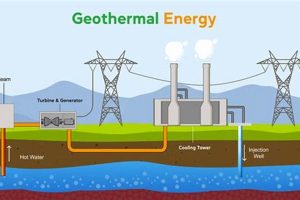
The importance of sustainability stems from its capacity to secure energy access for future generations without compromising environmental integrity. Sustainable energy sources, such as solar, wind, and geothermal, harness naturally replenishing resources and minimize harmful emissions. These sources ensure that energy production does not deplete Earth’s finite resources or contribute significantly to climate change. Germany’s Energiewende, a transition toward renewable energy, exemplifies a national effort to enhance sustainability by phasing out nuclear power and prioritizing renewable sources. This initiative, although facing its own challenges, aims to establish a long-term energy system that aligns with environmental imperatives.
In conclusion, the practical significance of understanding sustainability in the context of energy lies in its capacity to inform policy decisions, drive technological innovation, and shape consumer behavior. Challenges remain in terms of cost, infrastructure development, and energy storage, but prioritizing sustainability is an essential step toward a resilient and environmentally responsible energy future. This prioritization aligns human progress with ecological equilibrium, securing the availability of resources for future generations.
2. Renewability
Renewability constitutes a core criterion in evaluating energy sources for environmental compatibility. It defines a source’s capacity to replenish naturally within a human timescale, preventing resource depletion and fostering long-term energy security. Energy sources lacking renewability contribute to finite resource exhaustion and often entail significant environmental consequences associated with extraction and processing.
- Defining Renewable Resources
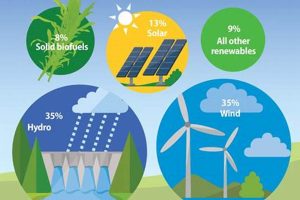
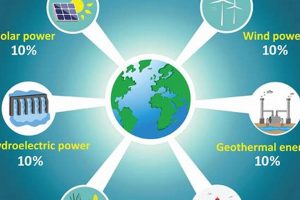
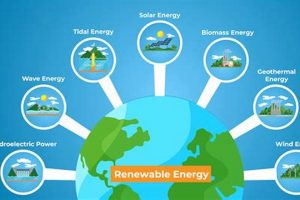
Renewable resources are naturally replenished, contrasting with finite fossil fuels and uranium. Solar, wind, hydro, geothermal, and sustainable biomass fall into this category. The continual availability of these resources diminishes long-term supply concerns and offers a basis for energy independence.
- Environmental Benefits of Renewability
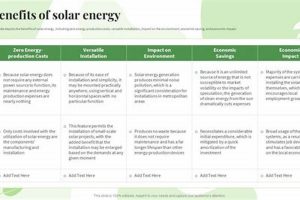
Utilizing renewable sources substantially reduces greenhouse gas emissions and air pollution. Solar and wind power generate electricity without directly emitting carbon dioxide or other pollutants, mitigating climate change and improving air quality. This contrasts starkly with fossil fuel combustion, which is a major contributor to environmental degradation.
- Economic Implications of Renewability
While initial investment costs for renewable energy infrastructure can be substantial, operating costs are generally lower compared to fossil fuel plants. Once constructed, solar and wind farms require minimal fuel inputs, insulating them from fluctuating fossil fuel prices and enhancing long-term economic stability.
- Challenges of Renewable Energy Integration
The intermittent nature of some renewable sources, such as solar and wind, poses challenges for grid stability. Energy storage solutions, such as batteries and pumped hydro, are necessary to ensure a consistent power supply. Geographical limitations and land-use considerations also impact the viability of renewable energy projects.
Considering renewability is critical for determining which energy options offer genuine environmental and economic sustainability. Successfully integrating renewable sources necessitates ongoing technological advancements and strategic policy implementation to overcome existing challenges. This integration is fundamental to mitigating climate change and fostering a resilient energy future.
3. Emissions

Emission levels are central to evaluating energy sources, directly impacting atmospheric composition and overall environmental health. Selection of an energy source necessitates rigorous evaluation of emitted pollutants and greenhouse gasses, crucial in determining ecological suitability.
- Greenhouse Gas Emissions
Greenhouse gases, such as carbon dioxide and methane, trap heat in the atmosphere, contributing to global warming. Power plants burning fossil fuels are major sources. Shifting towards energy sources with minimal greenhouse gas emissions, like solar, wind, and nuclear, is crucial for climate change mitigation. The lifecycle emissions, encompassing construction, operation, and decommissioning, must be assessed for each source.
- Air Pollutants
Combustion processes release air pollutants, including particulate matter, sulfur dioxide, and nitrogen oxides. These pollutants degrade air quality, causing respiratory problems and other health issues. Renewable energy sources generally produce significantly fewer air pollutants during operation, although manufacturing processes may still generate some emissions. Stricter emission control technologies can mitigate pollutants from fossil fuel plants, but these measures add to costs.
- Life Cycle Assessment of Emissions
Evaluating the environmental impact of an energy source requires a comprehensive life cycle assessment. This includes assessing emissions from resource extraction, transportation, processing, construction, operation, and decommissioning. For example, while solar panels produce minimal emissions during operation, their manufacturing involves energy-intensive processes with associated emissions. A comprehensive view identifies potential environmental trade-offs and guides more informed decision-making.
- Carbon Capture and Storage (CCS) Technologies
CCS technologies aim to capture carbon dioxide emissions from power plants and industrial processes, preventing their release into the atmosphere. While CCS has the potential to reduce emissions from fossil fuel plants, it is still under development and faces challenges related to cost and scalability. The effectiveness of CCS as a climate mitigation strategy depends on its widespread adoption and secure, long-term storage of captured carbon dioxide.
Minimizing emissions is crucial for mitigating climate change and improving public health. Transitioning towards energy sources with lower life cycle emissions is a central tenet of sustainable energy policies. Integrating comprehensive emissions assessments into energy planning facilitates informed decisions, driving the adoption of environmentally responsible energy solutions.
4. Land Use

Land use is a critical factor in determining optimal energy sources, as it directly relates to the ecological footprint and environmental impact of power generation. The physical space required for energy facilities, including extraction, processing, generation, and transmission, influences habitat destruction, biodiversity loss, and alteration of landscapes.
- Footprint of Renewable Energy Technologies
Renewable energy technologies, such as solar and wind, often require significant land areas for deployment. Solar farms can cover vast expanses of land, potentially impacting agricultural activities and natural ecosystems. Wind turbine installations also necessitate large areas, considering spacing requirements to capture optimal wind resources. The siting of these facilities must carefully balance energy production goals with environmental preservation.
- Comparison with Fossil Fuel Extraction
Fossil fuel extraction, including coal mining and oil drilling, involves extensive land disturbance, often resulting in deforestation, habitat fragmentation, and soil erosion. The construction of pipelines for transporting oil and gas also contributes to land degradation and potential environmental risks. While renewable energy sources also impact land use, the long-term environmental consequences of fossil fuel extraction tend to be more severe and irreversible.
- Land Use Efficiency and Technological Advancements
Technological advancements aim to enhance land use efficiency for renewable energy systems. For instance, floating solar farms on bodies of water reduce land requirements and minimize environmental impacts. Similarly, advancements in wind turbine design allow for increased energy production per unit of land area. Strategic land-use planning and innovative technologies can mitigate the environmental footprint of renewable energy sources.
- Competing Land Use Demands
Energy projects must contend with competing demands for land, including agriculture, conservation, and urban development. Carefully evaluating trade-offs and incorporating land-use considerations into energy planning is essential. Integrated approaches, such as co-locating solar farms with agricultural activities (agrivoltaics), can optimize land use and provide multiple benefits. Balancing energy needs with other societal priorities is crucial for sustainable development.
Efficient land management and thoughtful deployment strategies play a crucial role in maximizing the environmental benefits of different energy sources. Balancing energy needs with ecological preservation and competing land use priorities is essential for long-term sustainability. A holistic evaluation, considering land use alongside other factors, informs decisions towards environmentally responsible energy solutions.
5. Water Impact
The water impact of energy sources is a critical consideration when determining environmentally sound power generation methods. Energy production frequently requires water for extraction, processing, cooling, and waste disposal, potentially straining water resources and harming aquatic ecosystems. The selection of an optimal energy source necessitates a thorough evaluation of water consumption and potential water quality degradation.
Fossil fuel extraction processes, such as hydraulic fracturing (fracking) for natural gas, can consume large volumes of water and contaminate groundwater resources. Similarly, coal-fired power plants often rely on water for cooling, discharging heated water that disrupts aquatic habitats. Nuclear power plants also require substantial water for cooling purposes, raising concerns about thermal pollution. In contrast, renewable energy sources, such as solar photovoltaic and wind power, generally have lower water footprints during operation. Concentrated solar power, however, requires water for cooling, though dry cooling technologies can mitigate this impact. Hydropower, while renewable, alters river flow and can negatively affect aquatic ecosystems. A comprehensive assessment of water usage, discharge, and potential pollution is essential for comparing energy sources.
Mitigating the water impact of energy production involves adopting water-efficient technologies, such as closed-loop cooling systems and dry cooling methods. Strategic siting of power plants to minimize competition for water resources is also crucial. Implementing stringent regulations for wastewater discharge and promoting water conservation practices can further reduce environmental impacts. Ultimately, the best energy sources from a water perspective are those that minimize water consumption, prevent water pollution, and support the long-term sustainability of water resources. Evaluating water impact alongside other environmental factors facilitates well-informed decisions towards a cleaner and more sustainable energy future.
6. Waste Management
Effective waste management is inextricably linked to determining optimal energy sources. The processes associated with energy production invariably generate waste, and the nature of this waste significantly influences the environmental impact. Therefore, any comprehensive evaluation of energy options must include a thorough assessment of the waste streams produced and the strategies employed for their management. Energy sources that generate hazardous or long-lasting waste pose substantial environmental risks, potentially contaminating ecosystems and impacting human health. For example, nuclear power, while low-carbon during operation, produces radioactive waste that requires secure long-term storage. Similarly, coal-fired power plants generate ash containing heavy metals, necessitating careful disposal to prevent soil and water contamination. The extent to which waste can be minimized, treated, and safely disposed of plays a critical role in evaluating the sustainability of an energy source.
Waste-to-energy technologies offer a potential solution by converting waste materials into usable energy, reducing landfill volumes and generating electricity or heat. Incineration with energy recovery, anaerobic digestion of organic waste, and gasification are examples of such technologies. However, the environmental impact of these processes depends on the specific technology used and the pollutants emitted. Advanced waste-to-energy systems incorporate stringent emission control technologies to minimize air pollution and capture valuable resources from the waste stream. Successful implementation of waste-to-energy initiatives requires careful planning, community engagement, and adherence to environmental regulations. The selection of appropriate waste management strategies directly affects the overall environmental footprint of energy production.
In conclusion, waste management is a critical component in the assessment of optimal energy sources. Energy options that minimize waste generation, facilitate waste recycling, and promote safe waste disposal contribute to more sustainable and environmentally responsible energy systems. Integrating waste management considerations into energy planning enables informed decisions that reduce environmental burdens and promote resource efficiency. Prioritizing waste minimization and implementing advanced waste treatment technologies are essential steps towards a cleaner and more sustainable energy future.
Frequently Asked Questions
The following questions address common inquiries concerning the selection of energy sources to minimize environmental impact, offering clarification on related complexities.
Question 1: Is any single energy source definitively the “best” for the environment?
A single, universally superior energy source does not exist. The optimal choice depends on geographical location, available resources, technological capabilities, and economic considerations. Diverse energy portfolios, tailored to specific contexts, typically offer the most environmentally sound approach.
Question 2: What factors contribute to determining the environmental impact of an energy source?
Key determinants include greenhouse gas emissions, air and water pollution, land use, resource depletion, waste generation, and the potential for habitat disruption. A comprehensive lifecycle assessment, encompassing extraction, processing, operation, and disposal, is necessary for thorough evaluation.
Question 3: How do renewable energy sources compare to nuclear energy in terms of environmental impact?
Renewable energy sources, such as solar and wind, generally exhibit lower emissions and reduced water consumption during operation compared to nuclear energy. However, manufacturing renewable energy technologies can involve resource-intensive processes. Nuclear energy, while generating minimal greenhouse gas emissions during operation, produces radioactive waste requiring long-term storage solutions.
Question 4: Why is energy efficiency considered important in the context of environmental sustainability?
Improving energy efficiency reduces overall energy demand, minimizing the environmental impact associated with energy production, regardless of the source. Efficient appliances, well-insulated buildings, and reduced energy consumption directly contribute to lower emissions and resource depletion.
Question 5: What role does government policy play in promoting environmentally responsible energy choices?
Government policies, including regulations, incentives, subsidies, and carbon pricing mechanisms, significantly influence energy investment decisions and consumer behavior. Policies that promote renewable energy, discourage fossil fuel consumption, and encourage energy efficiency are crucial for achieving environmental sustainability goals.
Question 6: Can transitioning to cleaner energy sources ensure complete environmental protection?
Transitioning to cleaner energy sources represents a critical step towards environmental protection, yet it is not a panacea. Addressing environmental challenges requires a holistic approach encompassing sustainable consumption patterns, responsible land management, and technological innovation to mitigate the environmental impacts of all human activities.
Effective strategies for reducing the environmental consequences of power generation necessitate nuanced understanding and integrated methodologies. These actions lead to a cleaner, healthier environment.
These considerations are only one component of a future energy ecosystem that promotes human progress and environmental preservation.
Determining the Optimal Energy Source for Environmental Preservation
This analysis has explored the multifaceted challenge of identifying “what is the best energy source for the environment.” It has considered renewability, emissions, land use, water impact, and waste management, emphasizing the complex interplay between these factors. No single solution emerges as universally superior; rather, the optimal approach necessitates a context-specific blend of energy sources and technologies. A transition to a sustainable energy future demands careful consideration of trade-offs and a commitment to minimizing the ecological footprint of energy production.
The ongoing pursuit of environmentally sound energy solutions is essential for mitigating climate change, protecting ecosystems, and ensuring long-term resource availability. It requires sustained investment in research and development, the implementation of effective policies, and a global commitment to responsible energy practices. The future hinges on informed decision-making and a collective effort to prioritize environmental stewardship in the energy sector.