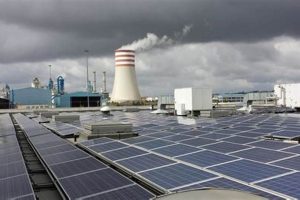
Britain’s power sector is increasingly utilizing sources like wind, solar, hydro, and biomass to generate electricity. Offshore wind farms, for instance, contribute significantly to the nation’s energy mix, harnessing the strong winds prevalent around the island nation. This shift toward sustainable power generation represents a significant change from traditional reliance on fossil fuels.
This transition offers numerous advantages, including reduced greenhouse gas emissions, contributing to national and international climate goals. It also bolsters energy security by diversifying supply, reducing dependence on volatile global fossil fuel markets. Historically, the country relied heavily on coal and later, natural gas and nuclear power. The push towards sustainable alternatives marks a new chapter in its energy story, driven by both environmental concerns and the pursuit of a more secure energy future.
This overview provides a foundation for a deeper exploration of specific topics related to Britain’s sustainable power sector. Further discussion will delve into the individual renewable technologies, current government policies supporting this transition, and the challenges and opportunities that lie ahead in achieving a fully decarbonized energy system.
Tips for Supporting Sustainable Power in Britain
Individuals and businesses can contribute to the growth and success of Britain’s transition to sustainable power. The following tips offer practical actions that can make a difference.
Tip 1: Consider switching to a green energy supplier. Numerous suppliers offer electricity tariffs sourced from renewable generation. Comparing tariffs and switching can support the demand for sustainable power.
Tip 2: Invest in home-based renewable energy generation. Installing solar panels or exploring other microgeneration technologies, like heat pumps, can reduce reliance on grid electricity and lower household carbon footprints.
Tip 3: Improve energy efficiency at home and in the workplace. Simple measures, such as upgrading insulation, using energy-efficient appliances, and reducing energy consumption through behavioral changes, can significantly decrease overall energy demand.
Tip 4: Support policies that promote renewable energy development. Staying informed about government policies and engaging with local representatives can help ensure continued progress in the transition to sustainable power.
Tip 5: Advocate for sustainable practices within businesses and communities. Encouraging businesses to adopt renewable energy solutions and promoting sustainable initiatives within local communities can accelerate the broader adoption of clean energy.
Tip 6: Explore electric vehicle options. Transitioning to electric vehicles reduces reliance on fossil fuels in the transportation sector and contributes to cleaner air quality.
Tip 7: Reduce, reuse, and recycle. Minimizing waste and maximizing the lifespan of products helps conserve resources and indirectly supports a more sustainable energy system.
By adopting these practices, individuals and businesses can actively participate in the ongoing transformation of Britain’s energy landscape. These collective efforts are crucial for achieving a cleaner, more secure, and sustainable energy future.
These practical tips offer a pathway to individual and collective action, paving the way for a deeper exploration of the broader implications of Britain’s energy transition in the concluding section.
1. Offshore wind power

Offshore wind power represents a significant component of the United Kingdom’s renewable energy strategy. The nation’s extensive coastline and strong prevailing winds provide ideal conditions for harnessing this clean energy source. This sector plays a crucial role in reducing carbon emissions and enhancing energy security.
- Technological Advancements
Advancements in turbine technology, including larger rotor diameters and improved efficiency, have significantly increased the energy capture potential of offshore wind farms. Floating platforms allow deployment in deeper waters, expanding the available area for development. These advancements contribute to greater energy yields and cost reductions, strengthening the sector’s competitiveness.
- Economic Impacts
The offshore wind industry provides substantial economic benefits, including job creation in manufacturing, installation, maintenance, and support services. Coastal communities often experience revitalization through investments in port infrastructure and related industries. Furthermore, the growth of this sector contributes to the UK’s overall economic growth and its transition to a low-carbon economy.
- Environmental Considerations
While offshore wind power offers significant environmental advantages over fossil fuels, careful consideration of potential ecological impacts is essential. Assessments of effects on marine life, bird populations, and seabed habitats are conducted to minimize any negative consequences and ensure sustainable development. Mitigation strategies, such as careful site selection and noise reduction measures, are implemented to protect the marine environment.
- Grid Integration and Energy Storage
Efficient integration of offshore wind power into the national grid is crucial for maximizing its benefits. This requires investments in transmission infrastructure and advanced grid management systems to accommodate the intermittent nature of wind energy. Exploring energy storage solutions, such as batteries and pumped hydro, can further enhance grid stability and reliability, ensuring a continuous supply of clean energy.
These facets highlight the multifaceted nature of offshore wind power’s contribution to the UK’s renewable energy landscape. Continued investment, technological innovation, and strategic planning are essential for realizing the full potential of this vital resource in achieving a sustainable energy future. The growth of offshore wind power exemplifies the UK’s commitment to decarbonizing its energy system and securing a cleaner, more resilient energy supply for future generations.
2. Solar energy expansion

Solar energy expansion plays a vital role in the United Kingdom’s transition to renewable energy. Increasing photovoltaic (PV) deployment, both at the utility-scale and on rooftops, contributes significantly to reducing carbon emissions and diversifying the national energy mix. This expansion presents both opportunities and challenges for grid integration, policy development, and technological innovation.
- Decentralized Generation
Rooftop solar installations empower individuals and businesses to generate their own electricity, reducing reliance on centralized power plants. This distributed generation model enhances grid resilience and reduces transmission losses. Feed-in tariffs and other incentive programs encourage private investment in rooftop solar, contributing to wider adoption and community engagement in the energy transition. However, managing the influx of power from numerous small-scale generators requires sophisticated grid management solutions.
- Large-Scale Solar Farms
Utility-scale solar farms provide substantial contributions to the national grid, leveraging economies of scale to deliver cost-competitive renewable electricity. These projects often involve partnerships between private developers, local communities, and government agencies. Land use considerations and environmental impact assessments are essential for ensuring responsible development and minimizing potential ecological disruption. Strategic siting of solar farms can optimize land use and minimize visual impact.
- Grid Integration and Storage
Integrating increasing amounts of solar power into the grid requires advanced grid management techniques and energy storage solutions. Intermittency, the variable nature of solar energy production due to weather patterns, necessitates flexible grid systems and the deployment of battery storage or pumped hydro facilities. These technologies help balance supply and demand, ensuring grid stability and a continuous flow of electricity even when solar generation is low. Smart grid technologies further enhance grid optimization and management.
- Policy and Regulatory Frameworks
Government policies and regulations play a crucial role in shaping the growth and development of the solar energy sector. Incentives, such as feed-in tariffs and tax credits, encourage investment in solar projects. Planning regulations and permitting processes influence the siting and development of solar farms. Supportive policy frameworks are essential for fostering innovation, attracting investment, and ensuring the long-term sustainability of the solar industry.
These facets of solar energy expansion demonstrate its integral role in the UK’s broader renewable energy strategy. Continued technological advancements, supportive policies, and effective grid management are essential for maximizing the potential of solar power to contribute to a secure, decarbonized, and sustainable energy future for the nation. The ongoing growth of solar energy signifies the UK’s commitment to diversifying its energy sources and mitigating the impacts of climate change.
3. Hydroelectric contributions

Hydroelectric power contributes to the United Kingdom’s renewable energy portfolio, albeit to a lesser extent than other sources like wind and solar. Geographical constraints limit the potential for large-scale hydroelectric projects. Existing facilities, primarily located in Scotland and Wales, leverage suitable topography and water resources. Pumped hydro storage, a technology that utilizes surplus energy to pump water uphill for later release to generate electricity, plays an increasingly important role in grid balancing and energy storage as the nation transitions to intermittent renewable sources like wind and solar. Dinorwig Power Station in Wales exemplifies this technology’s practical application, providing rapid response grid stabilization services. The contribution of conventional hydroelectric generation remains relatively constant, providing a reliable baseload power source. However, future expansion faces limitations due to suitable site availability and environmental considerations related to river ecosystems and water resource management.
The practical significance of understanding hydroelectric power’s role within the UK’s energy mix lies in recognizing its limitations and potential. While not a primary driver of renewable energy growth due to geographical constraints, its contribution to grid stability and energy storage, particularly through pumped hydro, becomes increasingly valuable as the proportion of intermittent renewables increases. Optimizing existing facilities and strategically developing new pumped hydro projects can enhance grid resilience and facilitate greater integration of wind and solar power. Crucially, policymakers must balance the benefits of pumped hydro with potential environmental impacts, ensuring sustainable development practices that protect water resources and surrounding ecosystems.
Hydroelectric power offers a unique contribution to the United Kingdom’s renewable energy landscape. While limited in its capacity for expansion compared to other renewable sources, its established role in providing baseload power and the increasing importance of pumped hydro storage for grid balancing underscore its value in the transition to a decarbonized energy system. Addressing the challenges related to site availability and environmental impact will be crucial for maximizing the potential of hydroelectric contributions in the future.
4. Biomass utilization

Biomass utilization represents a complex and often debated component of the United Kingdom’s renewable energy strategy. It involves the combustion of organic matter, such as wood pellets, agricultural residues, and dedicated energy crops, to generate heat and electricity. While categorized as renewable, the sustainability of biomass utilization depends heavily on sourcing practices, transportation distances, and overall lifecycle emissions. For example, sourcing wood pellets from sustainably managed forests and minimizing transportation distances can reduce the carbon footprint of biomass energy. Conversely, unsustainable harvesting practices or long-distance transport can negate the environmental benefits and even contribute to deforestation and increased emissions. The Drax Power Station’s conversion to biomass exemplifies this complexity, highlighting both the potential and the challenges associated with large-scale biomass utilization.
Further analysis reveals the trade-offs inherent in biomass utilization. While it can offer a reliable and dispatchable source of renewable energy, unlike intermittent solar and wind power, careful consideration of feedstock sustainability is paramount. The potential for competition with food production and the impact on biodiversity necessitate stringent regulations and certification schemes. Moreover, the efficiency of biomass conversion technologies and the management of combustion byproducts, such as ash, require ongoing research and development to minimize environmental impacts. The practical application of biomass often involves combined heat and power (CHP) plants, which increase overall energy efficiency by utilizing waste heat for district heating or industrial processes. Such applications can contribute to local decarbonization efforts and improve energy security in specific sectors.
In summary, biomass utilization presents both opportunities and challenges for the United Kingdom’s renewable energy landscape. Its role must be carefully evaluated within the context of sustainability criteria, lifecycle emissions, and potential impacts on land use, food security, and biodiversity. Stringent regulations, sustainable sourcing practices, and technological advancements are crucial for ensuring that biomass contributes positively to the nation’s decarbonization goals without compromising other environmental and social priorities. A nuanced understanding of these complexities is essential for informed policymaking and responsible implementation of biomass energy projects within the broader context of the UK’s renewable energy transition.
5. Policy and regulation

Government policy and regulation form the bedrock of the United Kingdom’s renewable energy sector, directly influencing its growth, trajectory, and overall success. These frameworks provide the necessary structure and incentives to attract investment, drive innovation, and ensure the sustainable development of renewable energy technologies. The Contracts for Difference (CfD) scheme, for example, provides long-term price guarantees for renewable energy projects, mitigating investment risk and stimulating private sector participation. Renewable Portfolio Standards (RPS), another policy instrument, mandate a certain percentage of electricity generation from renewable sources, creating consistent demand and driving further development. The effectiveness of these policies depends on careful design, implementation, and ongoing evaluation to adapt to changing market conditions and technological advancements.
Further analysis reveals the multifaceted role of policy and regulation. Beyond financial incentives and mandates, these frameworks address crucial aspects such as grid integration, planning permissions, and environmental impact assessments. Streamlined permitting processes can accelerate project development, while grid connection policies ensure the efficient integration of renewable energy sources into the national electricity network. Environmental regulations safeguard biodiversity, protect water resources, and minimize the overall ecological footprint of renewable energy projects. Furthermore, policies promoting research and development foster innovation in areas such as energy storage, smart grids, and next-generation renewable technologies. The practical application of these policies requires collaboration between government agencies, industry stakeholders, and research institutions to ensure effective implementation and maximize positive outcomes.
In conclusion, robust policy and regulatory frameworks are essential for the continued growth and success of the United Kingdom’s renewable energy sector. These instruments provide the foundation for attracting investment, driving innovation, and ensuring the sustainable and responsible development of renewable energy technologies. The ongoing evolution of policy and regulation, informed by data-driven analysis and stakeholder engagement, is crucial for navigating the complexities of the energy transition and achieving the nation’s ambitious decarbonization targets. The effectiveness of these frameworks in balancing economic development, environmental protection, and energy security will ultimately determine the long-term sustainability of the UK’s renewable energy future.
Frequently Asked Questions about Renewable Energy in the United Kingdom
This section addresses common inquiries regarding the UK’s transition to renewable energy, providing concise and informative responses.
Question 1: How does renewable energy contribute to UK energy independence?
Renewable energy sources, domestically generated, reduce reliance on imported fossil fuels, enhancing energy security and mitigating vulnerability to global price fluctuations.
Question 2: What is the role of government policy in supporting renewable energy growth?
Government policies, including financial incentives like the Contracts for Difference (CfD) scheme and regulatory frameworks, create a stable investment environment and drive the deployment of renewable energy technologies.
Question 3: How does the intermittency of renewable sources like wind and solar affect grid stability?
Grid management strategies, including demand-side management, energy storage solutions (e.g., batteries, pumped hydro), and interconnected grids, address the fluctuating nature of renewable generation and maintain grid stability.
Question 4: What are the environmental impacts of different renewable energy technologies?
Each renewable technology presents unique environmental considerations. While generally less impactful than fossil fuels, assessments of land use, ecological effects, and lifecycle emissions are essential for responsible development.
Question 5: How can individuals contribute to the growth of renewable energy in the UK?
Individuals can support renewable energy by switching to green energy tariffs, investing in home-based renewable generation (e.g., solar panels), improving energy efficiency, and advocating for supportive policies.
Question 6: What is the future outlook for renewable energy in the United Kingdom?
The UK’s commitment to decarbonization targets and ongoing technological advancements suggest a continued expansion of renewable energy, playing an increasingly dominant role in the national energy mix.
Understanding these key aspects of renewable energy in the UK provides a foundation for informed discussions and effective participation in the ongoing energy transition. Addressing these FAQs clarifies common misconceptions and empowers individuals and communities to contribute to a sustainable energy future.
The subsequent section will explore specific case studies of successful renewable energy projects within the United Kingdom, providing further insights into practical implementation and best practices.
United Kingdom Renewable Energy
This exploration of Britain’s renewable energy landscape has highlighted the diverse technologies contributing to a lower-carbon future. From the significant role of offshore wind power, harnessing the strong winds surrounding the islands, to the expanding solar energy sector and the important contributions of hydroelectric power and biomass, the nation’s energy transition is multifaceted. Policy and regulatory frameworks provide crucial support, incentivizing investment and shaping the sustainable development of these technologies. Addressing the challenges of grid integration, intermittency, and environmental considerations remains essential for maximizing the benefits of renewable energy. The overview provided has touched upon the economic impacts, technological advancements, and environmental considerations associated with each renewable energy source, emphasizing the importance of a balanced approach to achieve long-term sustainability.
The transition to a renewable energy-powered future requires continued innovation, strategic planning, and collaborative efforts across government, industry, and communities. Sustained investment in research and development, grid modernization, and energy storage solutions will be crucial for realizing the full potential of renewable energy. The United Kingdom’s progress in this area demonstrates a commitment to decarbonizing its energy system and building a more resilient and sustainable future. The choices made today will shape not only the nation’s energy security but also its contribution to global efforts in mitigating climate change. Embracing the opportunities presented by renewable energy is not merely a technological endeavor but a fundamental step towards a more sustainable and prosperous future for generations to come.