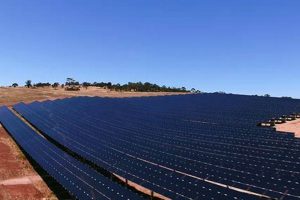
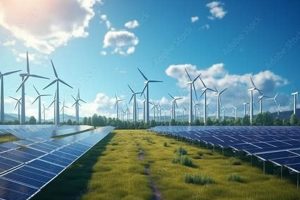
Intermittency, geographic limitations, environmental impact, and economic factors present challenges to renewable energy sources. For example, solar power generation is dependent on sunlight availability and wind power relies on consistent wind speeds. These dependencies can create instability in the power grid, requiring backup solutions or energy storage technologies.
Understanding the challenges associated with renewable energy is crucial for effective implementation and integration into existing energy infrastructure. A balanced approach that considers both the benefits and drawbacks of these energy sources is essential for sustainable energy policies. Historically, these drawbacks have hindered widespread adoption; however, technological advancements are continually mitigating some of these limitations.
The following sections will explore these challenges in greater detail, examining the specific limitations of various renewable energy technologies and discussing potential solutions for overcoming these obstacles. This analysis will include considerations of land use, resource requirements, grid stability, and cost-effectiveness.
Mitigating Drawbacks of Renewable Energy Integration
Addressing the inherent challenges of renewable energy sources is critical for successful and sustainable integration into the power grid. The following tips offer strategies for mitigating these limitations.
Tip 1: Diversification of Renewable Energy Sources: Relying on a mix of renewable energy technologies, such as combining wind, solar, and hydro, can help offset the intermittency of individual sources. Geographic diversity within a single energy type can also improve reliability.
Tip 2: Investing in Energy Storage Solutions: Technologies like pumped hydro storage, batteries, and thermal storage can store excess energy generated during peak production periods and release it when renewable sources are unavailable.
Tip 3: Grid Modernization and Smart Grid Technologies: Upgrading existing grid infrastructure to accommodate the fluctuating nature of renewable energy is essential. Smart grids can optimize energy distribution and manage demand more effectively.
Tip 4: Accurate Resource Assessment and Site Selection: Careful planning and evaluation of resources are crucial for maximizing energy output. For example, wind farms should be located in areas with consistently high wind speeds, and solar installations require optimal sunlight exposure.
Tip 5: Addressing Environmental Impacts: Minimizing land use, protecting wildlife, and managing water resources are important considerations when deploying renewable energy projects. Environmental impact assessments should be conducted thoroughly.
Tip 6: Fostering Technological Advancements: Continued research and development of more efficient and cost-effective renewable energy technologies, including improved energy storage solutions and grid management systems, are vital for overcoming existing limitations.
Tip 7: Policy Support and Regulatory Frameworks: Government policies, incentives, and regulations play a significant role in promoting renewable energy adoption and addressing grid integration challenges.
By implementing these strategies, the limitations associated with renewable energy sources can be effectively managed, paving the way for a more sustainable and reliable energy future.
Ultimately, a comprehensive approach that considers both the challenges and opportunities presented by renewable energy is necessary for a successful transition to a cleaner energy system. Further discussion will explore specific case studies and future projections.
1. Intermittency

Intermittency poses a significant challenge to the reliability of renewable energy sources. Solar power generation fluctuates with cloud cover and time of day, while wind power output varies with wind speed. This unpredictable nature creates instability in the power grid, as supply cannot be consistently matched with demand. For instance, a sudden drop in wind speed can lead to a power deficit, requiring immediate activation of backup power sources, often from fossil fuel plants. Similarly, peak solar generation during midday may exceed immediate demand, necessitating curtailment or effective energy storage solutions.
The intermittent nature of these resources necessitates sophisticated grid management strategies and investment in energy storage technologies. Without adequate storage or backup capacity, reliance on intermittent renewables can compromise grid stability and lead to power outages. For example, regions heavily reliant on solar power may experience supply shortages during extended periods of cloudy weather. Similarly, a sudden surge in wind power can overwhelm the grid if not effectively managed. This underscores the importance of addressing intermittency to ensure a reliable and stable energy supply.
Overcoming intermittency is crucial for the successful integration of renewable energy into the existing power infrastructure. Strategies such as grid modernization, diversified renewable portfolios, and advanced energy storage solutions are essential to mitigate the challenges posed by fluctuating renewable energy sources. Failure to address intermittency can hinder the transition to a sustainable energy future and limit the potential of renewable energy to displace fossil fuels.
2. Geographic Dependence

Geographic dependence presents a significant challenge to the widespread deployment of renewable energy technologies. Renewable energy resources are not uniformly distributed geographically. Solar energy potential is highest in regions with abundant sunlight, while wind energy is concentrated in areas with consistent high wind speeds. Hydropower relies on suitable river systems and topography. This uneven distribution necessitates strategic planning and infrastructure development to effectively harness these resources. For example, regions with limited solar or wind resources may face challenges in meeting renewable energy targets solely through these technologies. Similarly, hydropower potential is often restricted by geographical constraints, limiting its applicability in certain areas.
The geographic dependence of renewable energy necessitates careful consideration of transmission infrastructure and regional energy markets. Transporting energy from resource-rich areas to demand centers often requires extensive transmission lines, which can be costly and environmentally impactful. For instance, transmitting solar power generated in deserts to distant urban areas requires significant investment in transmission infrastructure. This dependence also influences regional energy markets, as areas with abundant renewable resources can become net energy exporters, while regions lacking these resources may remain reliant on traditional energy sources. Understanding geographic dependencies is crucial for effective energy planning and resource allocation.
Overcoming geographic limitations requires innovative solutions and regional cooperation. Developing localized renewable energy solutions, such as rooftop solar installations in urban areas, can reduce reliance on long-distance transmission. Regional energy sharing agreements can facilitate the exchange of renewable energy between resource-rich and resource-deficient areas. Furthermore, diversification of renewable energy portfolios, combining different technologies like wind, solar, and geothermal, can mitigate the impact of geographic limitations associated with individual resources. Addressing geographic dependence is crucial for maximizing the potential of renewable energy and achieving a sustainable energy future.
3. Environmental Impact
While renewable energy sources offer a cleaner alternative to fossil fuels, their implementation is not without environmental consequences. These impacts, though often less severe than those associated with traditional energy sources, must be carefully considered to ensure sustainable development. Land use requirements for large-scale solar and wind farms can lead to habitat loss and fragmentation, impacting biodiversity. Manufacturing processes for renewable energy technologies require raw materials and energy, generating emissions and potentially contributing to resource depletion. For example, the production of photovoltaic cells for solar panels involves the use of potentially harmful chemicals and requires significant energy input. Similarly, wind turbine construction utilizes substantial amounts of steel and concrete, impacting related industries. Furthermore, hydropower projects can alter river ecosystems, affecting fish migration patterns and water quality.
The life-cycle assessment of renewable energy technologies provides a comprehensive evaluation of environmental impacts, from resource extraction and manufacturing to operation and decommissioning. This analysis helps identify potential environmental trade-offs and informs strategies for minimizing negative consequences. For instance, life-cycle assessments can highlight the environmental benefits of using recycled materials in the manufacturing of wind turbine components or guide the selection of solar panel materials with lower toxicity. Careful siting of renewable energy projects is crucial to minimize ecological disruption. For example, avoiding sensitive habitats and implementing mitigation measures can reduce the impact of wind farms on bird and bat populations. Similarly, minimizing water usage in concentrated solar power plants can lessen environmental stress in water-scarce regions.
Minimizing the environmental footprint of renewable energy development requires a holistic approach that considers the entire life cycle of these technologies. Continuous research and development of more environmentally friendly materials and manufacturing processes are essential for reducing the impact of renewable energy deployment. Strategic planning and careful site selection, informed by comprehensive environmental impact assessments, can help balance the benefits of clean energy with the need to protect ecosystems and biodiversity. Ultimately, a comprehensive understanding of environmental impacts is crucial for ensuring that the transition to renewable energy contributes to a truly sustainable future.
4. Economic Factors

Economic considerations play a crucial role in the assessment and deployment of renewable energy technologies. While long-term benefits are substantial, significant upfront investments and ongoing costs can present challenges for widespread adoption. Understanding these economic factors is essential for effective policy development and investment decisions.
- High Initial Capital Costs:
Renewable energy projects often require substantial upfront investments compared to conventional power plants. The cost of acquiring land, manufacturing and installing equipment (such as solar panels, wind turbines, or hydropower infrastructure), and developing grid connections can be significant. For instance, constructing a large-scale solar farm involves substantial costs for land acquisition, panel installation, and grid integration. These high initial costs can create barriers to entry for smaller developers and necessitate innovative financing mechanisms.
- Long-Term Operational and Maintenance Costs:
While operational costs for renewable energy are generally lower than those for fossil fuel-based power plants, ongoing maintenance and repair expenses still contribute to the overall cost. Wind turbines require regular maintenance, including blade inspections and gearbox replacements. Solar panels can experience degradation over time, requiring eventual replacement. Hydropower facilities require ongoing maintenance of dams and turbines. Accurately estimating these long-term costs is essential for evaluating the economic viability of renewable energy projects.
- Grid Integration and Infrastructure Costs:
Integrating renewable energy sources into existing power grids can require significant infrastructure upgrades. The intermittent nature of solar and wind power necessitates investments in grid stabilization technologies, such as energy storage systems and smart grid solutions. Expanding transmission lines to connect remote renewable energy projects to population centers also adds to the overall cost. These infrastructure costs can significantly impact the economic feasibility of renewable energy deployment.
- Impact on Existing Energy Industries and Employment:
The transition to renewable energy can have significant impacts on traditional energy industries, potentially leading to job displacement in sectors like coal mining and fossil fuel power generation. While renewable energy creates new job opportunities in manufacturing, installation, and maintenance, managing the economic and social impacts of this transition requires careful planning and policy interventions. For instance, retraining programs and economic diversification initiatives can help mitigate the negative consequences of job displacement in traditional energy sectors.
Understanding these multifaceted economic factors is crucial for developing effective strategies for promoting renewable energy adoption. While the initial costs can be substantial, the long-term economic benefits, including reduced fuel costs, decreased reliance on volatile fossil fuel markets, and the creation of new jobs, often outweigh the initial investment. Furthermore, policy incentives, such as tax credits and subsidies, can help mitigate the financial barriers to entry and accelerate the transition to a sustainable energy future. A comprehensive economic analysis, considering both the costs and benefits, is essential for making informed decisions about renewable energy investments and policies.
5. Storage Capabilities

The intermittent nature of renewable energy sources, such as solar and wind power, necessitates effective energy storage solutions to ensure a reliable and continuous power supply. Storage capabilities directly address a key disadvantage of renewable energy: its fluctuating and unpredictable availability. Without adequate storage, reliance on intermittent renewables can compromise grid stability and necessitate reliance on traditional power sources. Examining the facets of energy storage reveals its critical role in mitigating this inherent limitation.
- Technological Advancements:
Advancements in battery technology, including lithium-ion, flow batteries, and solid-state batteries, are expanding storage capacity and reducing costs. Pumped hydro storage, a mature technology, utilizes reservoirs at different elevations to store and release energy. Emerging technologies, like compressed air energy storage and thermal storage, offer alternative solutions for large-scale energy storage. For example, advancements in lithium-ion battery technology have significantly reduced costs and increased energy density, making them a viable option for grid-scale energy storage.
- Cost Considerations:
The cost of energy storage technologies remains a significant factor influencing their widespread adoption. While battery prices have decreased considerably, they still represent a substantial investment. Pumped hydro storage, though cost-effective in the long term, requires specific geographical conditions and entails high upfront capital costs. Cost-benefit analyses are essential for evaluating the economic viability of different storage solutions in specific contexts. For instance, the cost of installing large-scale battery storage systems can impact the overall financial feasibility of a renewable energy project.
- Grid Integration and Management:
Effective integration of energy storage into the power grid requires sophisticated management systems. Smart grids, equipped with advanced sensors and communication networks, can optimize the charging and discharging of storage systems based on real-time energy demand and renewable energy generation. These systems enhance grid stability and maximize the utilization of stored energy. For example, smart grids can coordinate the charging of electric vehicles during periods of peak renewable energy generation, reducing strain on the grid during peak demand periods.
- Scalability and Deployment:
The scalability of energy storage solutions is crucial for meeting the growing demands of renewable energy integration. Deploying large-scale storage projects requires careful consideration of land use, environmental impacts, and permitting processes. Different storage technologies offer varying levels of scalability, with pumped hydro storage suitable for large-scale applications and batteries offering more flexibility for smaller-scale deployments. For instance, the limited availability of suitable locations for pumped hydro storage restricts its widespread applicability, while battery storage offers greater flexibility for deployment in diverse settings.
The development and deployment of robust energy storage solutions are crucial for overcoming the intermittency challenges associated with renewable energy sources. Advancements in storage technologies, coupled with declining costs and improved grid integration strategies, are paving the way for a more reliable and sustainable energy future. As storage capabilities continue to evolve, the potential of renewable energy to displace fossil fuels and mitigate climate change will be significantly enhanced. Further research and development in this area remain essential for achieving a truly sustainable energy transition.
6. Transmission Infrastructure
Transmission infrastructure plays a critical role in the limitations associated with renewable energy deployment. The inherent geographic dependence of many renewable resources necessitates robust and often extensive transmission networks. Renewable energy generation sites, such as large-scale solar farms in deserts or offshore wind farms, are often located far from population centers where electricity demand is highest. This distance necessitates substantial investments in high-voltage transmission lines to transport the generated power. For example, connecting remote wind farms in the North Sea to mainland Europe requires extensive undersea cables and onshore grid connections. These infrastructure requirements add significant costs to renewable energy projects and can introduce complexities in planning and permitting processes. Moreover, transmission lines can have environmental impacts, including habitat fragmentation and visual impacts on landscapes.
The capacity and reliability of existing transmission infrastructure often pose constraints on renewable energy integration. Grid congestion can occur when the existing transmission network is insufficient to accommodate the influx of power from renewable sources. This can lead to curtailment, where renewable energy generation is reduced or even shut down due to limitations in the transmission system. Upgrading existing grids and constructing new transmission lines are essential for maximizing the utilization of renewable energy resources. For instance, integrating large amounts of solar power into a grid with limited capacity can lead to voltage fluctuations and instability, necessitating grid modernization efforts. Furthermore, the intermittent nature of renewable sources requires grid flexibility and the ability to balance supply and demand dynamically, further emphasizing the importance of robust transmission infrastructure.
Addressing transmission infrastructure challenges is crucial for realizing the full potential of renewable energy. Strategic planning of transmission networks, considering both current and future renewable energy development, is essential. Investing in grid modernization technologies, such as smart grids and advanced power electronics, can enhance grid flexibility and accommodate the fluctuating nature of renewable sources. Regional cooperation and coordinated planning can optimize transmission infrastructure development and minimize costs. Overcoming these transmission-related limitations is essential for achieving a sustainable and reliable energy future based on renewable resources.
Frequently Asked Questions about Renewable Energy Challenges
Addressing common concerns and misconceptions regarding the challenges of renewable energy is crucial for informed decision-making and fostering a realistic understanding of the energy transition. The following FAQs provide insights into key aspects of renewable energy limitations.
Question 1: Do the environmental impacts of manufacturing renewable energy technologies outweigh their benefits?
Manufacturing renewable energy technologies, such as solar panels and wind turbines, does require resource extraction and energy consumption. However, life-cycle assessments demonstrate that the overall environmental impact of renewable energy is significantly lower than that of fossil fuels over the long term. Continuous improvements in manufacturing processes and recycling efforts further reduce these impacts.
Question 2: How does the intermittency of renewable energy sources affect grid stability?
Intermittency introduces variability in energy supply, potentially affecting grid stability. Grid management strategies, such as demand-side management, energy storage solutions, and grid modernization efforts, are crucial for mitigating this variability and ensuring a reliable power supply.
Question 3: Are renewable energy technologies truly cost-competitive with fossil fuels?
While initial capital costs for renewable energy projects can be higher, operational costs are generally lower due to the absence of fuel expenses. Furthermore, declining technology costs and supportive policies are increasingly making renewable energy cost-competitive with, and in some cases even cheaper than, fossil fuels.
Question 4: What are the primary land use concerns associated with renewable energy development?
Large-scale renewable energy projects, such as solar and wind farms, can require significant land areas. Careful site selection, minimizing habitat disruption, and dual-use strategies, such as combining solar farms with agriculture, are crucial for mitigating land use impacts.
Question 5: How does geographic dependence limit the potential of renewable energy?
Renewable energy resources are not uniformly distributed. Geographic dependence necessitates strategic planning of transmission infrastructure and regional cooperation to ensure efficient energy delivery from resource-rich areas to demand centers.
Question 6: Can energy storage technologies effectively address the intermittency of renewable energy?
Advancements in energy storage technologies, such as batteries and pumped hydro storage, are crucial for mitigating the challenges of intermittency. These technologies enable the storage of excess renewable energy generated during peak periods and its subsequent release during periods of low generation, enhancing grid stability and reliability.
Addressing these challenges through technological innovation, policy support, and strategic planning is essential for realizing the full potential of renewable energy and achieving a sustainable energy future.
For further information, explore detailed analyses of specific renewable energy technologies and their associated challenges in the following sections.
Conclusion
Exploration of inherent limitations associated with renewable energy technologies reveals crucial considerations for successful integration into global energy systems. Intermittency, geographic dependence, environmental impacts, economic factors, storage capabilities, and transmission infrastructure limitations present significant obstacles. While these challenges are undeniable, they are not insurmountable. Technological advancements, strategic planning, supportive policies, and ongoing research offer pathways to mitigate these drawbacks and unlock the full potential of renewable energy sources.
Transitioning to a sustainable energy future requires a pragmatic approach that acknowledges both the promise and the limitations of renewable energy. Continued investment in research and development, coupled with informed policy decisions and public awareness, is essential for navigating these complexities and achieving a secure, affordable, and environmentally responsible energy landscape. The future of energy hinges on a clear-eyed understanding of these challenges and a collective commitment to overcoming them.