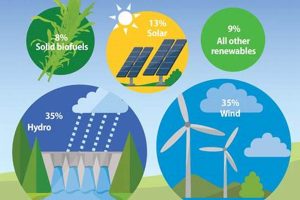
Various energy sources replenish naturally and can be harnessed to generate power. These sources include solar radiation, wind, geothermal heat, biomass, and the movement of water. For instance, photovoltaic cells convert sunlight directly into electricity, while wind turbines capture the kinetic energy of wind to drive generators. Hydroelectric dams utilize the potential energy of stored water, and geothermal plants harness heat from the Earth’s interior. Biomass energy derives from organic matter, which can be burned directly or converted into biofuels.
The utilization of these naturally replenishing resources offers significant advantages, contributing to a cleaner environment by reducing reliance on finite fossil fuels and mitigating greenhouse gas emissions. Historically, reliance on renewable sources was commonplace, particularly in pre-industrial societies. The advent of fossil fuels offered a concentrated energy source, leading to widespread adoption. However, growing environmental concerns and the recognition of fossil fuels’ finite nature have renewed interest in and development of renewable energy technologies.
This article will delve into the specific mechanisms behind each renewable energy technology, exploring their respective advantages, disadvantages, and potential for future development. Further discussion will cover the integration of these technologies into existing energy infrastructure and their role in achieving global sustainability goals.
Tips for Understanding Renewable Energy Sources
Practical considerations for those interested in learning more about renewable energy implementation and adoption:
Tip 1: Evaluate Local Resources: Assess the availability of renewable resources in a specific geographic location. Solar energy is more effective in regions with high solar irradiance, while wind energy requires consistent wind speeds. Geothermal resources are geographically limited to areas with tectonic activity.
Tip 2: Consider Energy Demand: Match the scale of renewable energy implementation to the energy demands of the application. Residential installations may benefit from rooftop solar panels, while large-scale industrial operations may require larger wind or hydroelectric projects.
Tip 3: Research Available Technologies: Different technologies exist for harnessing each renewable resource. For example, solar energy can be captured through photovoltaic panels or concentrated solar power systems. Understanding the advantages and disadvantages of each technology is crucial for effective implementation.
Tip 4: Analyze Economic Factors: Assess the initial investment costs, operational expenses, and potential return on investment for different renewable energy systems. Government incentives and subsidies can significantly impact the financial viability of projects.
Tip 5: Understand Environmental Impacts: While generally considered environmentally friendly, renewable energy sources can still have environmental impacts. For example, hydroelectric dams can alter river ecosystems, and large-scale solar farms require significant land use.
Tip 6: Explore Energy Storage Solutions: The intermittent nature of some renewable resources, such as solar and wind, necessitates energy storage solutions. Batteries, pumped hydro storage, and thermal storage systems can provide a continuous energy supply even when the primary source is unavailable.
Tip 7: Stay Informed About Policy and Regulations: Government policies and regulations can significantly impact the adoption and implementation of renewable energy technologies. Staying informed about these policies is crucial for planning and investment decisions.
Careful consideration of these factors enables informed decision-making regarding the adoption and implementation of renewable energy solutions. These insights provide a foundation for transitioning towards a sustainable energy future.
This exploration of practical considerations concludes the overview of renewable energy, providing a comprehensive framework for understanding its potential and facilitating informed choices in its utilization.
1. Natural Replenishment

Natural replenishment is the defining characteristic of renewable energy, distinguishing it from finite fossil fuels. Understanding this process is crucial to grasping how renewable energy sources provide a sustainable alternative for power generation. This section explores the key facets of natural replenishment and their connection to renewable energy functionality.
- The Water Cycle and Hydropower
The water cycle, driven by solar energy, continuously replenishes water resources. Rain and snowmelt feed rivers and reservoirs, which are then harnessed for hydropower generation. This continuous cycle makes hydropower a reliable and sustainable energy source. For example, dams utilize the natural flow of water to generate electricity, showcasing the direct link between natural replenishment and energy production.
- Solar Radiation and Photovoltaic Energy
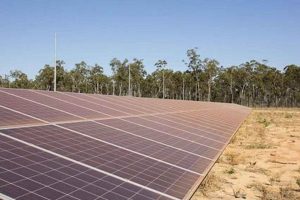
The sun, a virtually inexhaustible source of energy, constantly emits solar radiation. Photovoltaic cells capture this radiation and convert it directly into electricity. This continuous influx of solar energy ensures a consistent power source, provided sufficient sunlight is available. Solar farms exemplify the direct utilization of naturally replenished solar radiation for electricity generation.
- Plant Growth and Biomass Energy
Biomass energy relies on organic matter, derived from plants, for fuel. The growth and decay cycle of plants, powered by photosynthesis, provides a continuous source of biomass. This organic material can be burned directly or converted into biofuels. Dedicated energy crops, such as switchgrass, illustrate the utilization of plant growth cycles for renewable energy production.
- Geological Processes and Geothermal Energy
Geothermal energy harnesses heat from the Earth’s core, continuously replenished through radioactive decay and primordial heat. This thermal energy is accessible near tectonic plate boundaries and can be used to generate electricity or provide direct heating. Geothermal power plants utilize this naturally replenished heat source for sustainable energy production.
These examples demonstrate how natural replenishment processes are integral to the functioning of various renewable energy technologies. By harnessing these naturally occurring cycles, renewable energy sources offer a sustainable pathway for meeting global energy demands while mitigating the environmental impacts associated with fossil fuels.
2. Energy Conversion

Energy conversion lies at the heart of renewable energy functionality. Renewable energy technologies harness naturally replenished resources by converting them into usable forms of energy, primarily electricity or heat. This conversion process is fundamental to understanding how these technologies contribute to a sustainable energy landscape. Different renewable energy sources require specific conversion mechanisms tailored to their unique characteristics. For example, photovoltaic cells employ the photovoltaic effect to convert solar radiation directly into electricity. This process involves the absorption of photons by semiconductor materials, leading to the release of electrons and the generation of an electric current. Wind turbines, on the other hand, convert the kinetic energy of wind into rotational energy, which then drives a generator to produce electricity. This mechanical conversion process highlights the transformation of one form of energy into another.
The efficiency of energy conversion directly impacts the overall effectiveness of renewable energy systems. Higher conversion efficiency translates to greater energy output from a given resource, maximizing the utilization of renewable sources. Technological advancements continually strive to improve conversion efficiencies, leading to more cost-effective and sustainable energy solutions. For instance, advancements in turbine design and blade aerodynamics enhance the efficiency of wind energy conversion, capturing a greater percentage of available wind energy. Similarly, research in photovoltaic materials aims to increase the efficiency of solar panels, maximizing electricity generation from sunlight. These advancements underscore the importance of energy conversion as a key driver of progress in the renewable energy sector.
Understanding energy conversion processes is crucial for optimizing the design, implementation, and operation of renewable energy systems. This knowledge enables informed decision-making regarding technology selection, resource allocation, and infrastructure development. Further exploration of specific conversion mechanisms within different renewable energy technologies provides a deeper understanding of their functionality and potential for contributing to a sustainable energy future. Addressing challenges associated with energy conversion, such as intermittency and storage, remains a key focus for ongoing research and development, paving the way for wider adoption and integration of renewable energy sources.
3. Technological Implementation

Technological implementation plays a crucial role in harnessing renewable energy sources. The effectiveness of renewable energy systems directly depends on the technologies employed to capture, convert, and distribute energy derived from naturally replenished resources. This intricate relationship between technological implementation and renewable energy functionality necessitates careful consideration of various factors, including efficiency, cost-effectiveness, scalability, and environmental impact. For instance, advancements in photovoltaic cell technology have significantly increased the efficiency of solar panels, enabling greater electricity generation from sunlight. Similarly, the development of more efficient wind turbine designs has enhanced the capture of wind energy, leading to higher power output. These examples illustrate the direct impact of technological advancements on the practical application of renewable energy.
Furthermore, technological implementation influences the economic viability and scalability of renewable energy projects. Cost-effective technologies make renewable energy more competitive with traditional fossil fuels, accelerating the transition to a sustainable energy future. Scalable technologies enable the deployment of renewable energy systems across various scales, from residential rooftops to large-scale power plants. For example, the modular design of solar panels allows for easy installation and expansion, facilitating their adoption in diverse settings. Similarly, the development of grid-scale energy storage solutions, such as pumped hydro and battery storage, addresses the intermittency challenges associated with renewable sources, enhancing their reliability and integration into existing power grids. These advancements highlight the practical significance of technological implementation in driving the widespread adoption of renewable energy.
In summary, technological implementation is inextricably linked to the functionality and effectiveness of renewable energy systems. Advancements in technology drive improvements in efficiency, cost-effectiveness, and scalability, paving the way for a sustainable energy future. Addressing technological challenges, such as energy storage and grid integration, remains crucial for maximizing the potential of renewable energy sources and achieving a global transition to clean and sustainable power generation. Continued research and development in renewable energy technologies are essential for realizing the full potential of these resources and mitigating the environmental impact of traditional energy sources.
4. Resource Availability

Resource availability is a fundamental constraint governing the feasibility and effectiveness of renewable energy systems. The geographic distribution and abundance of renewable resources directly influence where and how these technologies can be deployed. Understanding this connection is crucial for effective planning and implementation of renewable energy projects. This section explores the multifaceted relationship between resource availability and the functionality of renewable energy systems.
- Solar Irradiance and Photovoltaic Systems
Solar irradiance, the power per unit area received from the sun, dictates the energy output of photovoltaic systems. Regions with high solar irradiance, such as deserts and equatorial regions, are ideal locations for solar power generation. Conversely, areas with frequent cloud cover or limited sunlight experience reduced solar energy production. This geographic variability necessitates careful assessment of solar irradiance levels when planning solar energy projects.
- Wind Speed and Wind Turbine Placement
Wind speed directly impacts the energy output of wind turbines. Consistent and strong winds are essential for efficient wind energy generation. Coastal areas, open plains, and mountainous regions often exhibit favorable wind conditions. Wind resource maps and on-site assessments are crucial for determining optimal wind turbine placement and maximizing energy capture.
- Water Resources and Hydropower Potential
The availability of consistent water resources is essential for hydropower generation. Rivers with sufficient flow and elevation change provide suitable locations for hydroelectric dams. However, factors such as seasonal variations in rainfall and competing demands for water resources can influence the reliability and output of hydropower plants. Careful water resource management is crucial for sustainable hydropower development.
- Geothermal Activity and Geothermal Energy Extraction
Geothermal energy relies on accessible heat from the Earth’s interior. Regions with high geothermal activity, such as volcanic areas and tectonic plate boundaries, offer greater potential for geothermal energy extraction. The depth and temperature of geothermal reservoirs influence the type of geothermal power plant that can be deployed, ranging from dry steam to enhanced geothermal systems.
The availability of these resources directly shapes the viability and effectiveness of renewable energy technologies. Matching the appropriate technology to the available resources is essential for maximizing energy output and ensuring the long-term sustainability of renewable energy projects. Careful resource assessment and strategic planning are crucial for integrating renewable energy sources into the existing energy infrastructure and achieving a transition to a sustainable energy future.
5. Environmental Impact

Renewable energy technologies, while generally considered environmentally beneficial compared to fossil fuels, nonetheless possess environmental impacts that require careful consideration. Understanding these impacts is crucial for responsible development and deployment of renewable energy systems. The environmental impact of a renewable energy technology is intrinsically linked to how it functions, from resource extraction and manufacturing to operation and decommissioning. For example, the manufacturing of photovoltaic panels requires energy and materials, generating emissions and waste. Similarly, the installation of wind turbines can affect bird and bat populations. Hydroelectric dams alter river ecosystems, impacting fish migration and riparian habitats. Analyzing these impacts provides a comprehensive understanding of the environmental trade-offs associated with different renewable energy technologies. The very process of generating renewable energyhow it worksinfluences the magnitude and nature of these environmental effects. For instance, the size and location of a solar farm dictate its land use impact and potential effects on local ecosystems.
The practical significance of understanding these environmental impacts lies in the ability to mitigate negative consequences and maximize positive benefits. Strategic planning and implementation, informed by environmental assessments, can minimize disruption to ecosystems, reduce waste generation, and optimize resource utilization. For example, careful siting of wind turbines can minimize their impact on avian populations. Employing sustainable manufacturing processes for solar panels can reduce their carbon footprint. Implementing fish passage systems in hydroelectric dams can mitigate their impact on aquatic ecosystems. These practical applications demonstrate the direct link between understanding environmental impacts and responsible renewable energy development.
Addressing the environmental impacts associated with renewable energy technologies is crucial for achieving a truly sustainable energy future. While renewable energy offers significant advantages over fossil fuels in terms of greenhouse gas emissions and air pollution, it is essential to acknowledge and address the potential environmental trade-offs associated with each technology. A comprehensive understanding of these impacts, coupled with ongoing research and development, enables informed decision-making, responsible development, and ultimately, a more sustainable energy landscape.
6. Economic Viability

Economic viability is a critical factor determining the widespread adoption and long-term success of renewable energy technologies. The interplay between economic considerations and the functionality of renewable energy systems is complex and multifaceted. The cost of renewable energy technologies directly influences their competitiveness with conventional energy sources. Factors such as initial capital costs, operating and maintenance expenses, and fuel costs (if applicable) all contribute to the overall economic viability of a renewable energy project. For example, the declining cost of solar photovoltaic panels has been a major driver of their increased adoption. Similarly, advancements in wind turbine technology have reduced the cost of wind energy, making it more competitive with fossil fuels. These cost trends directly impact the feasibility of renewable energy projects and their ability to attract investment.
Furthermore, government policies and incentives play a significant role in shaping the economic landscape of renewable energy. Feed-in tariffs, tax credits, and renewable portfolio standards can create favorable economic conditions for renewable energy development. These policies can influence investment decisions, accelerate market growth, and drive innovation in renewable energy technologies. For example, the production tax credit in the United States has been instrumental in supporting the growth of the wind energy industry. Similarly, feed-in tariffs in Germany have fostered the rapid expansion of solar photovoltaic installations. These policy examples illustrate the significant impact of government intervention on the economic viability of renewable energy.
The economic viability of renewable energy is not solely determined by cost and policy considerations. Factors such as energy storage, grid integration, and resource availability also play important roles. The intermittent nature of some renewable resources, such as solar and wind, necessitates energy storage solutions to ensure a reliable power supply. The cost and effectiveness of energy storage technologies directly influence the overall economic viability of these renewable energy sources. Similarly, the ability to seamlessly integrate renewable energy into existing power grids is crucial for maximizing their economic benefits. These practical considerations underscore the interconnectedness of economic viability and the functional aspects of renewable energy systems. A thorough understanding of these economic factors is essential for making informed decisions about renewable energy investments, policy development, and technological advancements. Addressing economic challenges and creating supportive policy frameworks are crucial for accelerating the transition to a sustainable and economically viable renewable energy future.
7. Grid Integration

Grid integration represents a crucial aspect of renewable energy functionality, bridging the gap between energy generation and consumption. Successful integration of renewable energy sources into existing power grids is essential for maximizing their benefits and enabling a transition to a sustainable energy future. This intricate process involves addressing technical, economic, and regulatory challenges to ensure a reliable and efficient flow of renewable energy into the electricity grid. Understanding the intricacies of grid integration is fundamental to comprehending the overall functionality and effectiveness of renewable energy systems.
- Matching Supply and Demand
Balancing electricity supply and demand is paramount for grid stability. Renewable energy sources, particularly solar and wind power, are inherently intermittent, meaning their output fluctuates depending on weather conditions. Grid integration requires sophisticated forecasting and dispatching strategies to manage these fluctuations and ensure a consistent supply of electricity. Demand-side management programs, smart grids, and energy storage solutions play crucial roles in matching renewable energy supply with consumer demand, maintaining grid stability, and preventing blackouts. For example, grid operators use advanced weather forecasting models to predict solar and wind power output, enabling them to adjust conventional power generation accordingly.
- Transmission and Distribution Infrastructure
Existing transmission and distribution infrastructure often requires upgrades or expansion to accommodate the influx of renewable energy. Renewable energy resources may be located far from population centers, necessitating new transmission lines to transport electricity to consumers. Upgrading existing substations and distribution networks is also essential to handle the increased capacity and variability of renewable energy generation. For instance, connecting large-scale solar farms in remote deserts to urban areas requires significant investment in transmission infrastructure.
- Grid Stability and Reliability
Maintaining grid stability and reliability is paramount when integrating renewable energy sources. The intermittent nature of renewables can introduce voltage fluctuations and frequency deviations, potentially affecting the stability of the power grid. Grid integration solutions, such as advanced grid management systems and reactive power compensation, are essential to mitigate these challenges and ensure a reliable electricity supply. For example, grid-forming inverters can provide essential grid services, such as voltage and frequency regulation, traditionally provided by conventional power plants.
- Regulatory Frameworks and Market Structures
Supportive regulatory frameworks and market structures are crucial for facilitating grid integration of renewable energy. Policies such as net metering, renewable portfolio standards, and interconnection standards play important roles in incentivizing renewable energy development and ensuring its smooth integration into the electricity grid. These policies create a level playing field for renewable energy generators, enabling them to compete effectively with conventional power plants. For example, net metering policies allow homeowners with solar panels to sell excess electricity back to the grid, creating a financial incentive for renewable energy adoption.
Successfully addressing these facets of grid integration is crucial for realizing the full potential of renewable energy and achieving a sustainable energy future. Effective grid integration ensures that renewable energy can be reliably and efficiently delivered to consumers, reducing reliance on fossil fuels and mitigating the environmental impacts of electricity generation. The functionality of renewable energy systems is intrinsically linked to their successful integration into the power grid, highlighting the interconnectedness of these elements in the transition to a sustainable energy landscape.
Frequently Asked Questions about Renewable Energy
This section addresses common inquiries regarding the functionality and implementation of renewable energy technologies. Clear and concise responses aim to clarify potential misconceptions and provide a deeper understanding of renewable energy’s role in a sustainable energy future.
Question 1: How does solar energy work on cloudy days?
Photovoltaic panels still generate electricity on cloudy days, albeit at a reduced capacity. Cloud cover reduces the intensity of sunlight reaching the panels, impacting energy output. However, diffused sunlight can still be converted into electricity.
Question 2: Are renewable energy sources truly sustainable?
While renewable energy sources offer significant environmental advantages over fossil fuels, sustainability considerations extend beyond emissions. Resource requirements for manufacturing, land use impacts, and end-of-life disposal must be addressed for genuine sustainability.
Question 3: Can renewable energy sources reliably meet global energy demands?
The reliability of renewable energy sources depends on factors such as resource availability, technological advancements, and grid integration. Energy storage solutions and diversified renewable energy portfolios enhance reliability and address intermittency challenges.
Question 4: What are the primary economic barriers to widespread renewable energy adoption?
Upfront capital costs, grid infrastructure upgrades, and policy uncertainties can pose economic barriers to widespread renewable energy adoption. However, declining technology costs, supportive policies, and innovative financing mechanisms are driving increased investment and market growth.
Question 5: How do wind turbines affect wildlife?
Wind turbines can pose risks to birds and bats, primarily through collisions with turbine blades. However, careful site selection, operational adjustments, and mitigation strategies can minimize these impacts. Ongoing research focuses on further reducing wildlife interactions with wind turbines.
Question 6: What is the role of energy storage in renewable energy systems?
Energy storage technologies, such as batteries and pumped hydro, address the intermittency of renewable sources like solar and wind. Storing excess energy during peak production periods and releasing it during periods of low generation ensures a consistent and reliable power supply.
Understanding these frequently asked questions provides a more comprehensive understanding of renewable energy’s potential and its role in a sustainable energy future. Addressing these common concerns is crucial for fostering informed decision-making and promoting broader adoption of renewable energy technologies.
The subsequent section delves into specific case studies of successful renewable energy implementations, showcasing practical applications and demonstrating the real-world impact of these technologies.
How Renewable Energy Works
This exploration of renewable energy functionality has revealed the intricate processes by which naturally replenished resources are harnessed to generate power. From the conversion of sunlight into electricity by photovoltaic cells to the capture of wind energy by turbines, the diverse mechanisms underlying renewable energy technologies offer sustainable alternatives to fossil fuels. Resource availability, technological advancements, grid integration, economic viability, and environmental impact all play crucial roles in the successful implementation and widespread adoption of these technologies. Addressing the intermittency of renewable sources through energy storage solutions and smart grid technologies is essential for ensuring a reliable and stable energy supply. Furthermore, mitigating the environmental impacts associated with renewable energy development, such as land use changes and wildlife interactions, remains a critical consideration for achieving true sustainability.
The transition to a renewable energy future requires a multifaceted approach encompassing technological innovation, policy support, and public awareness. Continued research and development are essential for enhancing the efficiency, affordability, and reliability of renewable energy technologies. Supportive policies and regulatory frameworks can incentivize investment, accelerate market growth, and create a level playing field for renewable energy sources. Public understanding and acceptance of renewable energy technologies are crucial for fostering widespread adoption and enabling a smooth transition to a sustainable energy landscape. The future of energy hinges on the successful integration of renewable energy sources, offering a pathway toward a cleaner, more secure, and sustainable energy future for all.